
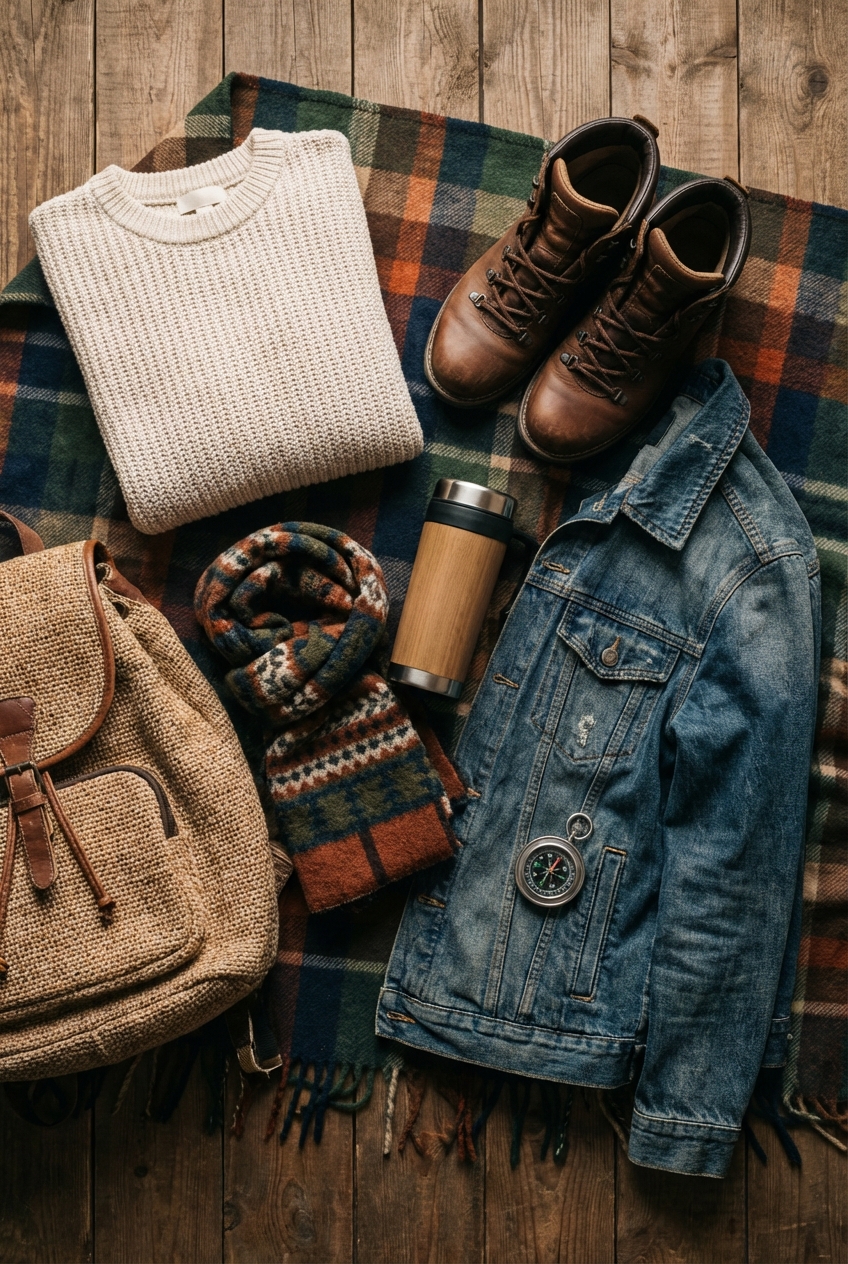
Mountain Getaway Fashion Practical And Stylish Outfits
There is a specific art to packing for the mountains that goes far beyond throwing a few sweaters into a suitcase. Whether you are headed to Aspen for the social scene or a secluded cabin in the Smokies to disconnect, the challenge remains the same: staying warm without looking like a walking sleeping bag. I remember my first trip to the Swiss Alps, where I packed solely for aesthetics, ignoring thermal realities, and spent the entire week shivering in a thin trench coat while everyone else looked effortlessly chic in shearling.
True mountain style requires a strategic balance of high-performance technical gear and high-end fashion staples. You need fabrics that regulate body temperature as you move from the freezing outdoors to a roaring fire, and silhouettes that maintain your shape despite multiple layers. It is about understanding the chemistry of fabrics and the geometry of layering to create a look that is polished, practical, and luxurious.
In this guide, I will walk you through the exact formulas I use to style clients for winter escapes, ensuring every piece in your luggage earns its keep. Be sure to check out the Picture Gallery at the end of the blog post for visual inspiration on these looks.
The Foundation: Base Layers That Feel Like Luxury
The biggest mistake I see clients make is treating base layers as an afterthought or buying cheap cotton thermals. In the world of high-end mountain fashion, the layer touching your skin is actually the most critical element of your outfit. If your base layer retains moisture or doesn’t insulate, it does not matter if you are wearing a $2,000 parka on top; you will be cold and uncomfortable.
Designer’s Note: The Fabric Rule
Never wear cotton as a base layer in the mountains. Cotton absorbs moisture (sweat) and holds it against your skin, which rapidly cools your body temperature. In the industry, we say “cotton kills” because it creates a clammy freeze effect.
I strictly recommend Merino wool or silk for your foundation. Merino wool is naturally antimicrobial and temperature-regulating. Look for “superfine” Merino in the 150g to 200g weight range. This weight is thin enough to fit under skinny leather pants or tailored denim without adding visible bulk, yet it provides substantial warmth.
Silk is the alternative for those with ultra-sensitive skin. It is hypoallergenic and slips seamlessly under tighter garments. When styling a client, I always ensure their base layer top has a deep enough scoop neck so it doesn’t peek out from under their cashmere sweater, maintaining a clean, intentional line.
Common Mistakes + Fixes
- Mistake: Wearing a tank top as a base layer.
- Fix: Use a long-sleeve bodysuit. You need coverage on your arms to trap heat, and a bodysuit ensures the layer stays tucked in, preventing cold air from hitting your lower back.
- Mistake: Buying base layers that are too loose.
- Fix: Size down if necessary. Thermal technology relies on contact with the skin to trap body heat efficiently. If it gaps, it fails.
The Mid-Layer: Textures and Cashmere
The mid-layer is where your personal style truly shines. This is the piece you will be seen in during lunch, at the lodge, or while shopping in town. The goal here is insulation mixed with high-fashion texture. I rely heavily on cashmere, alpaca, and heavyweight wool blends.
For a mountain getaway, I suggest packing three distinct categories of mid-layers:
- The Chunky Cable Knit: This is your classic “après-ski” look. Opt for cream, oatmeal, or soft gray. The visual texture of the cable knit mimics the rugged landscape.
- The Fitted Turtleneck: A fine-gauge cashmere turtleneck in black or navy is non-negotiable. It instantly elevates a look and elongates the neck.
- The Elevated Fleece: Move away from athletic-looking fleeces and look for structured shearling or “teddy” textures with gold hardware or leather trim.
When selecting these pieces, pay close attention to the armhole cut. You want a slightly dropped shoulder or a relaxed fit in your chunky knits. If the armhole is too high or tight, you will feel restricted once you have your base layer on underneath.
What I’d do in a real project:
I always stick to a “sandwich” color palette for packing. If your boots are black, your top layer or hat should be black. This ties the look together. For the mid-layers, I choose neutrals that can mix and match with any bottom in the suitcase to maximize outfit combinations.
Statement Outerwear: The Silhouette Maker
Your coat is the first thing people see, and in a mountain environment, it covers 80% of your outfit. Therefore, your coat is the outfit. This is the area where I encourage clients to invest the most budget, as durability and style must coexist perfectly.
There are two silhouettes that work best for practical luxury:
- The Belted Puffer: Puffer coats are essential for warmth, but they can easily make you look like a marshmallow. To combat this, choose a coat with a built-in belt or cinch waist. This reintroduces your waistline and creates an hourglass figure even through three inches of down insulation. Look for a matte finish rather than high-gloss shiny nylon, which tends to look cheaper and shows scratches more easily.
- The Shearling Aviator: For days when it is cold but not snowing heavily, a shearling aviator jacket is the epitome of cool. It is heavy, durable, and looks better with age. Ensure the jacket hits at the hip or slightly below; cropped versions are trendy but impractical for real mountain weather as they leave your midsection exposed to drafts.
Measurements to Know:
When buying a winter coat online, check the “fill power” of the down. For a mountain trip, you want a fill power of at least 600 to 700. Anything less is essentially a light fall jacket. Also, check the length. A coat that hits mid-thigh (approx. 32-34 inches long depending on your height) offers significantly more warmth than a waist-length jacket because it protects your major arteries in the legs.
Bottoms: Beyond the Blue Jean
Standard blue denim is actually a poor choice for deep winter mountain trips. Denim freezes quickly, offers zero wind protection, and takes hours to dry if it gets wet. While you can pack one pair for dinner, your daily rotation needs to be more technical and textural.
Faux Leather and Coated Denim
I invariably pack faux leather leggings or coated jeans for my clients. The coating acts as a windbreaker, sealing out the biting mountain air. They are also incredibly easy to wipe clean if you get splashed with slush. Style these with your chunky knits for a mix of hard and soft textures.
Corduroy Trousers
Wide-leg corduroy pants are having a major moment and are perfect for a cabin vibe. The fabric is thicker and warmer than denim. Look for a wale (the width of the cord) that is medium to wide for a richer texture. Pair these with a fitted turtleneck to balance the volume of the leg.
Designer’s Note: The Hemline Issue
If you are wearing wide-leg pants, you must ensure the hem does not drag on the ground. Salt and snow will ruin the bottom of your trousers instantly. I recommend a hem that hovers 1 inch off the ground when you are wearing your boots. If you only have long pants, cuff them intentionally with a wide 2-inch fold.
Footwear: Traction Meets Fashion
Nothing ruins a look faster than slipping on ice or having wet socks. Your footwear choices must be aggressive on the bottom and chic on the top. Leave the stiletto booties at home; they have no place in a mountain town.
The Lug Sole is King
You need a rubber lug sole with deep indentations. This provides grip on packed snow. I love styling a combat boot that features shearling lining. It gives you the edge of a city boot with the warmth of a snow boot.
The Moon Boot or Après Boot
For heavy snow days, embrace the volume of a traditional snow boot. Brands are now making these in elevated finishes like metallic silver, patent black, or faux fur. The key to styling these chunky boots is to keep your pants skinny or leggings-tight. If you wear wide pants with massive boots, you lose all sense of proportion.
Common Mistakes + Fixes
- Mistake: Buying boots in your exact size.
- Fix: Always go up half a size for winter boots. You need to account for the thickness of heavyweight wool socks. If your boot is tight, it restricts circulation, which actually makes your feet colder.
- Mistake: Wearing suede in slush.
- Fix: Unless the suede is specifically treated and waterproofed, avoid it on slushy days. Stick to treated leather or nylon. If you must wear suede, spray it with a high-quality protector 24 hours before you travel.
Accessories: The Finishing Touches
Accessories are the most cost-effective way to make an outfit look expensive. In a mountain setting, they also serve a vital function. I treat cold-weather accessories as jewelry—they should coordinate and elevate.
The Monochromatic Set
Matching your beanie to your scarf instantly pulls a look together. A cashmere beanie and a matching oversized scarf in camel, charcoal, or cream whisper “luxury.” Avoid logos that are too loud; let the quality of the knit speak for itself.
Tech-Compatible Leather Gloves
Freezing hands are painful. Invest in lined leather gloves that have tech-touch capabilities so you don’t have to expose your skin to answer a text. I prefer gloves that extend slightly past the wrist bone to bridge the gap between your coat sleeve and your hand.
Eyewear
Snow glare is real and damaging. You need oversized sunglasses with UV protection. Tortoiseshell frames add warmth to a winter palette, while black frames offer a sharp, modern contrast against the white snow. Ensure they fit snugly; loose glasses will slide down your nose constantly in the cold air.
Finish & Styling Checklist
Before you zip that suitcase, run through this mental checklist to ensure you have a cohesive, functional wardrobe. This is the exact process I use to verify a client’s packing list.
- The Base Layer Check: Do you have one Merino or silk top for every two days of the trip?
- The Proportion Check: Do you have skinny bottoms to balance your oversized coats, and fitted tops to balance your wide-leg pants?
- The Texture Check: Have you included leather (or faux), wool, shearling, and nylon? Mixing these textures makes an all-black outfit look interesting rather than flat.
- The Sock Test: Have you tried your boots on with your thickest socks? If they pinch, swap them out.
- The Versatility Factor: Can your coat be worn over your chunkiest sweater? If the sleeves are too tight, you will be uncomfortable.
- Emergency Kit: Pack a small lint roller (wool attracts lint) and a leather wipe for salt stains on boots.
FAQs
What is the best fabric for mountain dinners?
Velvet or cashmere. Velvet is heavy, warm, and festive for evening wear. A long-sleeve velvet dress with tights and knee-high boots is a foolproof dinner outfit.
How do I pack bulky sweaters without filling my suitcase?
Use compression packing cubes. They remove the air from chunky knits, reducing their volume by about 50%. Alternatively, wear your heaviest sweater and coat on the plane to save luggage space.
Can I wear leggings as pants?
In a mountain town, yes. However, they must be high-quality, thick leggings (ponte knit or faux leather), not gym leggings. Pair them with a sweater that covers your bum and chunky boots to keep the look intentional and styled.
Do I really need waterproof boots if I’m not skiing?
Yes. Even walking from the car to a restaurant can involve stepping in a 3-inch slush puddle. Wet feet will ruin your evening immediately. Waterproof or highly water-resistant footwear is mandatory.
Conclusion
Dressing for a mountain getaway is about respecting the elements while maintaining your identity. It is easy to surrender to the cold and throw on whatever is warmest, but with a little planning, you can be the best-dressed person at the lodge. The secret lies in the invisible layers—the high-quality wool against your skin—and the outer silhouette.
By investing in the right materials and balancing your proportions, you ensure that you are comfortable enough to enjoy the scenery and confident enough to take the photo. Enjoy the fresh air, the fireside cocktails, and the joy of a perfectly executed winter wardrobe.
Picture Gallery


