
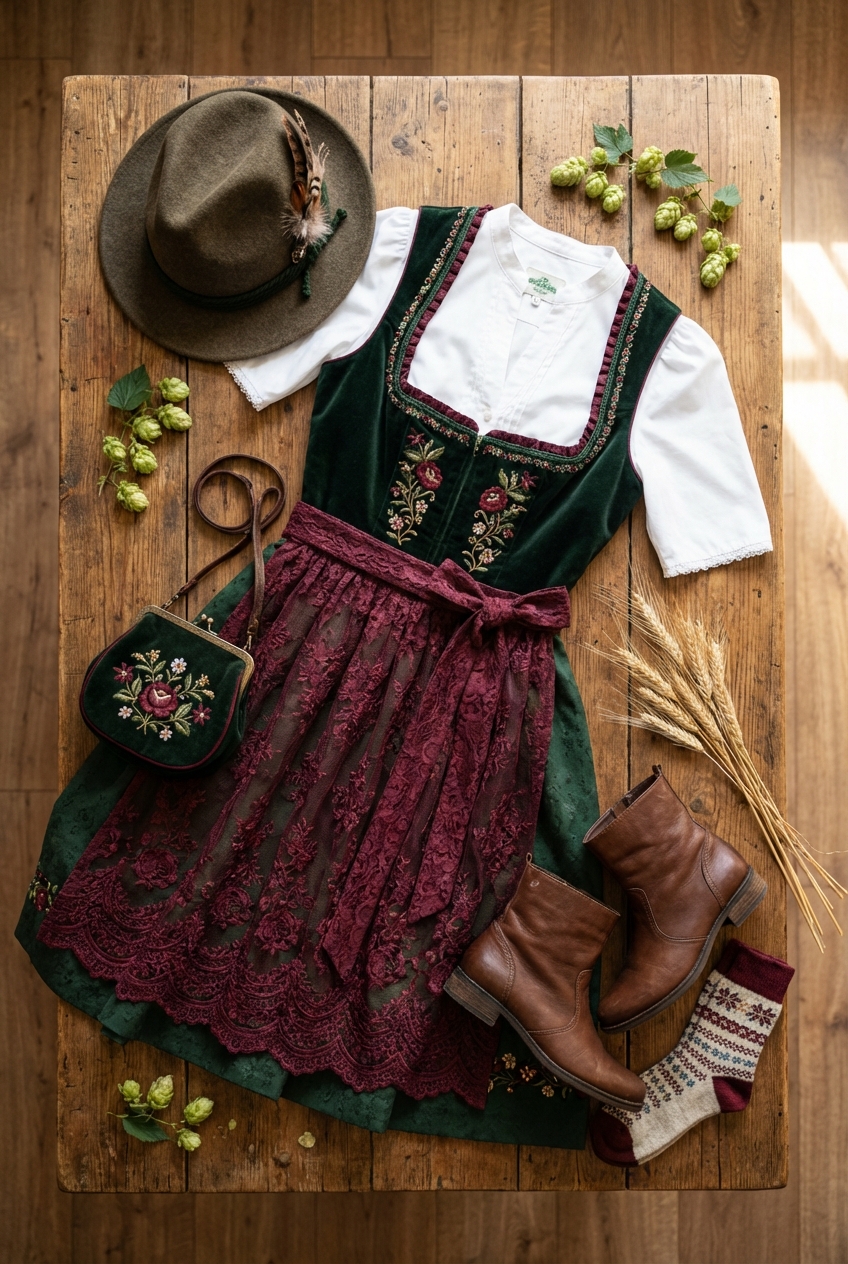
Oktoberfest Fashion Embracing Traditional German Attire
My first time attending Oktoberfest in Munich was a revelation in sartorial etiquette. I expected a sea of generic costumes, but what I walked into was a high-fashion runway deeply rooted in history. The local women weren’t wearing flimsy polyester outfits from a party store; they were clad in heavy silks, hand-embroidered linens, and tailored wools that commanded respect. The atmosphere on the Theresienwiese is electric, smelling of roasted almonds and hops, but the visual feast of authentic Tracht (traditional wear) is what truly captures a stylist’s heart.
Navigating the world of traditional German attire can be intimidating if you did not grow up with these traditions. There is a very fine line between honoring the culture and wearing a caricature of it. As a fashion expert, I treat styling a Dirndl with the same rigor as fitting a couture gown. The fit must be precise, the fabrics natural, and the accessories intentional. It is about balancing the rustic charm of the Alps with modern elegance.
Whether you are heading to Munich or a local celebration, getting the details right elevates your experience from merely attending to truly participating. I have curated a stunning collection of authentic looks, so make sure you check out the Picture Gallery at the end of this blog post. Let’s break down the anatomy of the perfect Oktoberfest look, ensuring you turn heads for all the right reasons.
The Anatomy of the Dirndl: Understanding the Foundation
Before we discuss trends or colors, we must understand the construction of the garment. A traditional Dirndl is not a single dress; it is a three-piece ensemble consisting of a bodice, a skirt (often attached), and an apron. In high-end fashion, these components are architectural. The bodice should act almost like a corset, providing posture and structure, while the skirt should have enough weight to swing beautifully as you walk.
The neckline is the focal point. Traditional cuts include the “balconette” or the square neckline, both designed to frame the décolletage and the blouse underneath. The bodice is usually fastened with buttons (buttons made of horn or antique silver are a sign of quality) or a chain lacing system called a Mieder. If you choose a laced bodice, ensure the hooks are sturdy and the chain is silver or an elegant ribbon, not a cheap shoelace.
The skirt length is the primary indicator of authenticity. In the world of high-end Tracht, we generally avoid the “mini” length (ending mid-thigh). It reads as a costume. Instead, we opt for the “Midi” (70cm length) which hits just below the knee, or the “Maxi” (roughly 85-90cm) which grazes the ankle. The Midi length is the most versatile and flattering for most body types, elongating the leg while remaining traditional.
Designer’s Note: When shopping for a Dirndl, check the seam allowance inside the bodice. High-quality traditional dresses are designed to be altered. A good Dirndl will have generous fabric allowances at the side seams, allowing the dress to be taken in or let out as your body changes over the years. This is an investment piece meant to last a lifetime.
Fabric Selection: Quality Over Costume
In interior design, we talk about “hand-feel,” and the same applies here. The quickest way to spot a tourist trap outfit is a high-sheen, lightweight polyester. Authentic Bavarian fashion relies heavily on natural fibers. You want materials that breathe, move, and age gracefully.
For the bodice and skirt, look for cotton, linen, velvet, or wool. Cotton and linen are excellent for daytime events or warmer September afternoons. They offer a crisp, clean look and are generally more affordable while maintaining high quality. Velvet adds a touch of luxury and warmth, making it perfect for evening reservations in the tents. A velvet bodice paired with a silk skirt is the epitome of elegance.
The apron creates the contrast. If your dress is matte cotton, a silk or satin apron adds necessary dimension. If your dress is a busy floral print, a solid linen apron grounds the look. The interplay of textures is what makes the outfit look expensive and curated.
Common Mistakes + Fixes
- Mistake: Buying a dress where the apron is sewn onto the skirt.
- Fix: Always ensure the apron is a separate piece. You should be able to swap aprons to change the look of the same dress for different events.
- Mistake: Choosing neon colors or heavy sequins.
- Fix: Stick to traditional palettes like hunter green, burgundy, navy, royal blue, or berry tones. Pastels are also trending in high-fashion circles, provided the fabric quality is high.
The Blouse: Framing the Look
The Dirndl blouse is structurally different from a standard shirt. It is a crop top that ends just below the bust line, designed specifically to reduce bulk under the tight bodice. The choice of blouse dramatically changes the vibe of your outfit. A classic puff sleeve with lace trim reads playful and traditional, while a high-necked lace blouse is sophisticated and very trendy right now.
Material matters here immensely. Cheap lace can be itchy and uncomfortable, especially in a crowded, warm tent. Look for soft cotton blends or high-quality stretch lace. The sleeves should hit mid-bicep or just above the elbow for a flattering line. If you are self-conscious about your arms, a longer elbow-length sleeve in sheer lace is incredibly chic.
What I’d do in a real styling session:
I always recommend bringing two blouses. Start with a high-neck, intricate lace blouse for the entry and parade when the weather is cooler. Have a classic cotton sweetheart-neckline blouse as a backup if the tent gets incredibly hot. Versatility is key to enjoying the festival.
The Apron Bow: Decoding the Secret Language
One of the most charming aspects of Oktoberfest fashion is the secret code of the apron bow. Where you tie your bow signals your relationship status to the room. Getting this wrong can lead to awkward misunderstandings, so treating this with importance is vital.
Here are the rules of placement:
- Bow on the Left: You are single. This indicates you are open to mingling and perhaps being bought a pretzel.
- Bow on the Right: You are taken, married, or in a committed relationship.
- Bow in the Middle: Historically, this indicated virginity. Today, it is mostly seen on young children.
- Bow in the Back: This is reserved for widows or waitresses. Unless you are working in the tent, avoid this placement.
Beyond placement, the aesthetic of the bow is paramount. It should not look like a droopy shoelace knot. The loops should be perky and the tails should hang flat. Iron your apron ribbons before dressing; a crisp, wide ribbon makes a massive difference in the overall polish of the silhouette.
Footwear: Where Comfort Meets Tradition
This is where I see the most fashion crimes committed. Please, for the sake of the aesthetic, leave the neon running sneakers and the towering stilettos at home. Oktoberfest involves standing on benches, dancing, and walking on cobblestones and wood chips. Stilettos are a safety hazard, and sneakers ruin the elegance of the Dirndl.
The most authentic choice is a specialized shoe called a Haferlschuh, a sturdy leather shoe with side lacing. However, for a fashion-forward, feminine look, I recommend:
- Mary Janes: A block-heel Mary Jane in black or forest green velvet is perfect. It provides stability for dancing on benches but maintains a delicate silhouette.
- Loafers: A chunky penny loafer works surprisingly well with a midi Dirndl, offering a modern “cool girl” twist on tradition.
- Ankle Boots: If the weather is rainy or cold, a lace-up Victorian-style boot or a clean leather ankle boot is acceptable.
Designer’s Note: Proper socks are essential. Do not wear athletic ankle socks. Opt for fine knit tights if it is cold, or traditional lace ankle socks if it is warm. For a truly Bavarian touch, look for “Loferl” (calf warmers), though these are more common for men, women are increasingly adopting stylized wool knee socks for a cozy, rustic look.
Outerwear: Layering for the Alpine Chill
September and October evenings in Munich get chilly. Throwing a denim jacket or a North Face fleece over your beautiful silk Dirndl is a styling tragedy. Your outerwear must be as considered as the dress itself.
The classic choice is a Trachtenjanker, a tailored wool blazer usually found in grey or green with contrast piping. These jackets are cut short to accommodate the volume of the Dirndl skirt. For a softer look, a heavy knitted cardigan made of wool or cashmere is ideal. Look for cardigans with slight puff sleeves and horn buttons. They should be cropped to hit exactly at the waistline of the Dirndl to preserve your silhouette.
Shawls are another excellent option. A large, triangle wool shawl with fringe can be draped over the shoulders. It is romantic, practical, and easy to stow away in your bag once you enter the heated tent.
Accessories: The Finishing Touches
Accessories in Tracht fashion are maximalist but curated. This is the time to embrace heirloom-quality jewelry. The standard necklace is a “Kropfband,” a choker usually made of velvet ribbon featuring a silver pendant, cameo, or pearls. This draws the eye up to the face and complements the neckline of the blouse.
What I’d Wear:
- Jewelry: I prefer antique silver pieces. Look for coin earrings or pendants featuring deer motifs or Edelweiss flowers. Avoid shiny, yellow gold as it can clash with the rustic buttons of the dress.
- Bags: Leave the large tote at the hotel. Large bags are often not permitted in the tents for security reasons. You need a small crossbody bag. The “Lebkuchenherz” (gingerbread heart) bags are cute for tourists, but for a high-end look, choose a small saddle bag in felt or leather, or a structured wicker basket bag.
- Hair: Braids are non-negotiable. Whether it is a milkmaid braid crown, a fishtail side braid, or simple boxer braids, woven hair is part of the uniform. You can weave ribbons or fresh flowers into the braids for an elevated touch.
Finish & Styling Checklist
Before you head out to the Wiesn, run through this final check to ensure your look is cohesive and functional.
- Bodice Fit: Is it tight? A Dirndl should be snug. If you can take a deep breath easily, it might be too loose. It should support you without a bra if constructed correctly, though a balcony bra is recommended for lift.
- Skirt Length: Does it cover the knee? Ensure the hem is pressed and even.
- Apron Alignment: Is the apron hem about 2-3cm shorter than the skirt hem? The apron should never be longer than the dress.
- Bow Check: Is it tied on the correct side for your status? Is it ironed?
- Bag Check: Is your bag small enough to pass security (usually under 3 liters volume)?
- Emergency Kit: Do you have a safety pin (for strap malfunctions) and a blister plaster (for the shoes)?
FAQs
Can I wear leather breeches (Lederhosen) as a woman?
Absolutely. While the Dirndl is the classic choice, women styling Lederhosen is a growing trend that looks incredibly chic. Opt for high-waisted, short-leg Lederhosen made of soft goat leather. Pair it with a feminine lace blouse and perhaps a velvet bodice vest to soften the masculinity of the trousers. It is a bold, modern choice.
How much should I spend on a quality Dirndl?
You can find decent starter Dirndls around the $150–$200 mark. However, a high-end designer Dirndl made of silk or jacquard will range from $400 to over $1,000. Remember, you are paying for natural fabrics and construction that allows for lifetime alterations. Vintage shopping is also a fantastic way to get high quality at a lower price point.
What if it rains?
Munich weather is unpredictable. If rain is forecast, swap the velvet shoes for treated leather boots. Wear opaque tights instead of socks. A high-quality trench coat works well over a Dirndl if you don’t have a traditional wool coat. Bring a clear umbrella so you don’t hide your outfit.
Do I need to buy a Charivari?
A Charivari is a silver chain adorned with charms (coins, hunting trophies, gems) worn across the apron or Lederhosen. It is traditionally a male accessory but has crossed over into women’s fashion. It is not mandatory, but adding a delicate silver chain belt or pins to your apron adds a layer of authenticity and detail that stylists love.
Conclusion
Embracing Oktoberfest fashion is about more than just following a dress code; it is about immersing yourself in a centuries-old tradition of craftsmanship and celebration. When you put on a quality Dirndl, you stand a little taller and move a little differently. It is a garment that celebrates the female form in a way few modern pieces do.
By focusing on natural fabrics, proper lengths, and meaningful accessories, you separate yourself from the costume crowd and step into the role of a culturally appreciative fashion insider. Raise your glass, enjoy the music, and wear your bow with pride. You are now ready to navigate the tents with style and confidence.
Picture Gallery


