
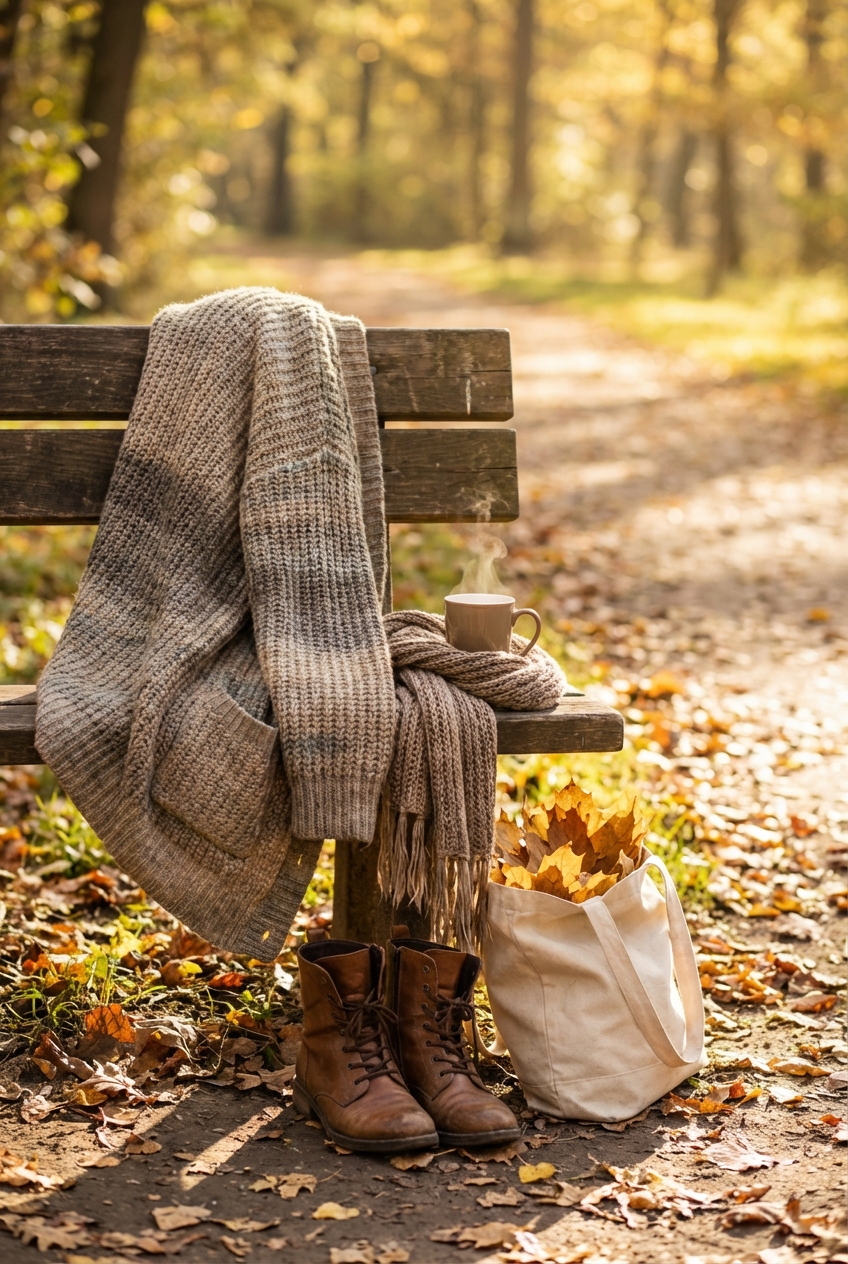
Oversized Cardigans For Chilly Fall Walks
Introduction
There is a specific moment in late October when the air turns crisp enough to see your breath, yet the heavy winter wool coats still feel like too much commitment. This is the golden hour for the oversized cardigan. It serves as the ultimate transition piece, acting as a blanket you can socially acceptably wear in public while grabbing your morning matcha or taking a long stroll through the neighborhood.
However, navigating the world of chunky knits requires a strategy to avoid looking like you are simply wearing a bathrobe outdoors. As a stylist, I have seen clients drown in fabric or choose synthetic blends that lose their shape after two wears. The goal is to achieve an effortless, architectural drape that looks intentional and expensive.
We are going to break down exactly how to select, style, and care for these heavy-rotation pieces so you look polished even on a casual Tuesday. If you are looking for visual inspiration on how to execute these looks, be sure to check out the Picture Gallery at the end of the blog post.
The Architecture of the Knit: Material Selection
When selecting a heavy cardigan for outdoor wear, the fiber content is the single most important factor. In high-end fashion, we look for “structural integrity” in the yarn.
If the cardigan is 100% acrylic, it will not breathe, and you will find yourself sweating during a brisk walk. Furthermore, acrylic lacks the weight to drape properly; it tends to puff out rather than hang elegantly against the body.
Designer’s Note: The “Touch” Test
When shopping for clients, I close my eyes and feel the fabric. If it feels “squeaky” or overly dry, it is likely low-grade synthetic. High-quality wool or cashmere should feel slightly oily (lanolin) or incredibly soft and dense.
For the best warmth-to-weight ratio, look for these compositions:
- Merino Wool: The gold standard for active walking. It regulates temperature and wicks moisture if you speed up your pace.
- Cashmere (2-ply or higher): Nothing beats the softness, but ensure it is a dense knit. Thin cashmere will snag on branches or jewelry.
- Alpaca blends: Alpaca is warmer than wool and lighter weight, but it can be itchy. Look for a blend with silk or polyamide to stabilize the shape.
Mastering Scale and Proportion
The term “oversized” is often misinterpreted as simply “buying a size XL.” This is a mistake that ruins the silhouette. True oversized garments are cut with dropped shoulders and wider bodies, but the sleeves and necklines are scaled to fit a human frame.
If you buy a standard cardigan three sizes too large, the shoulder seam will hit at an awkward spot on your bicep, and the sleeves will be comically long. You want a piece that was designed to be voluminous.
Common Mistakes + Fixes
Mistake: Pairing a chunky, oversized cardigan with wide-leg, baggy sweatpants.
Fix: Apply the “Rule of Volume Balance.” If the top is voluminous, the bottom needs to be streamlined. Opt for fitted leggings, straight-leg denim, or a slim stirrup pant to anchor the look.
For length, aim for a hemline that hits either mid-thigh or just below the knee. A cardigan that stops at the widest part of your hip can be unflattering. The mid-thigh length elongates the torso and provides coverage, which is practical for sitting on a potentially damp park bench.
Layering Mechanics for Temperature Control
A chilly fall walk involves fluctuating temperatures. You start cold, warm up as you move, and cool down quickly if you stop for coffee. Your base layer is the foundation of the outfit’s functionality.
I always advise clients to avoid bulky cotton t-shirts under heavy knits. The friction between cotton and wool causes bunching and uncomfortable twisting. Instead, choose slippery or smooth fabrics that allow the cardigan to glide over your body.
What I’d do for a client:
- Base Layer: A fitted modal or silk-blend turtleneck. It protects your neck from wool itch and provides a sleek silhouette if you need to open the cardigan.
- Mid-Layer (Optional): For very cold days, a thin cashmere vest adds core warmth without bulking up the arms.
- Texture Play: If the cardigan is a matte heavy wool, I pair it with a satin camisole or a leather legging to create visual depth through contrasting textures.
Footwear: Grounding the Look
Because an oversized cardigan adds visual weight to your upper body, you need substantial footwear to balance the scale. A delicate ballet flat or a thin canvas sneaker will make you look top-heavy.
For fall walks, the footwear must be practical but substantial. We are looking for “visual weight” in the shoe to match the “visual weight” of the knit.
Here are the winning combinations:
- The Lug-Sole Boot: This is the current industry favorite. The chunky sole balances the chunky knit perfectly.
- The Retro Trainer: Think 90s style running shoes with a bit of bulk. They provide the necessary width at the ankle.
- The Riding Boot: For a classic “Old Money” aesthetic, tuck leggings into a knee-high leather boot. This creates a long, unbroken line that streamlines the voluminous top.
Hardware, Pockets, and Details
The difference between a generic cardigan and a high-end staple often lies in the hardware. Cheap, shiny plastic buttons ruin the illusion of luxury immediately.
Look for horn, wood, or leather-wrapped buttons. If you find a cardigan with a perfect fit but terrible buttons, I highly recommend having a tailor swap them out. It is a twenty-dollar fix that makes a fifty-dollar sweater look like it cost five hundred.
A Note on Pockets:
Pockets are non-negotiable for a walking cardigan, but placement matters.
- Patch Pockets: These sit on the front of the sweater. They add bulk to the hips. If you are curvy, ensure the pockets are placed slightly lower or choose a side-seam pocket.
- Structural Sag: Test the pockets. If you put your phone in them, does the entire sweater drag down on one side? High-quality knits have reinforced pocket seams to prevent this drooping.
Color Theory for Autumn Landscapes
While black is always chic, it can sometimes feel too harsh against the soft, organic backdrop of falling leaves. I encourage clients to lean into the “rich neutrals” palette.
Camel, oatmeal, and heather gray are timeless. However, for this season, consider deep forest greens, navy, or burgundy. These colors hide minor stains (like coffee splashes) better than cream and look incredible in natural lighting.
If you love patterns, a classic Fair Isle or a large-scale Argyle can be stunning. Just remember that large patterns expand the figure, while solid, ribbed vertical knits elongate it.
Finish & Styling Checklist
Before you head out the door, run through this mental checklist to ensure your outfit is balanced and functional.
- Check the Shoulders: Does the shoulder seam drop intentionally, or does it look like it doesn’t fit? It should look relaxed, not messy.
- Volume Balance: Are you wearing fitted bottoms to offset the oversized top?
- The “Wrist Rule”: Push the sleeves up slightly to expose your wrists. Showing the thinnest part of your arm instantly makes the whole outfit look tailored rather than swamping.
- Fabric Friction: Is your base layer smooth enough to prevent bunching?
- Hardware Check: Are the buttons secure? Loose buttons are a recipe for disaster on a walk.
- Footwear Weight: Do your shoes have enough bulk to balance the sweater?
FAQs
Q: Can petites wear oversized cardigans without looking short?
A: Absolutely. The secret is length and monochrome. distinct color blocking cuts the body in half. Wear a base layer and pants in the same color (e.g., all black) and throw the cardigan over it. This creates a vertical column of color. Also, ensure the cardigan ends mid-thigh, not at the knee.
Q: How do I wash a heavy wool cardigan?
A: Rarely. Wool is self-cleaning and antimicrobial. Air it out after your walk. If you must wash it, hand wash in cold water with wool-specific detergent and lay it flat to dry. Never hang a wet knit; the weight of the water will stretch it out permanently.
Q: What do I do if my cardigan starts pilling?
A: Pilling is not necessarily a sign of bad quality; it happens where friction occurs (under arms, where your bag hits). Invest in an electric fabric shaver or a cashmere comb. De-pill your sweaters once a month to keep them looking fresh.
Q: Can I belt an oversized cardigan?
A: You can, but use caution. A thick leather belt can look dated. Try a soft tie belt made of similar fabric, or leave it open. If you belt it, ensure you blouse the fabric slightly over the belt so it doesn’t look like a bathrobe.
Conclusion
The oversized cardigan is more than just a cozy layer; it is a statement of relaxed elegance. When chosen correctly, it bridges the gap between the comfort of loungewear and the polish of high-fashion outerwear.
By focusing on natural fibers, balancing your proportions, and paying attention to details like buttons and footwear, you can elevate your daily walk into a genuine style moment. Invest in quality pieces that allow for movement and warmth, and you will find yourself reaching for them year after year.
Picture Gallery


