
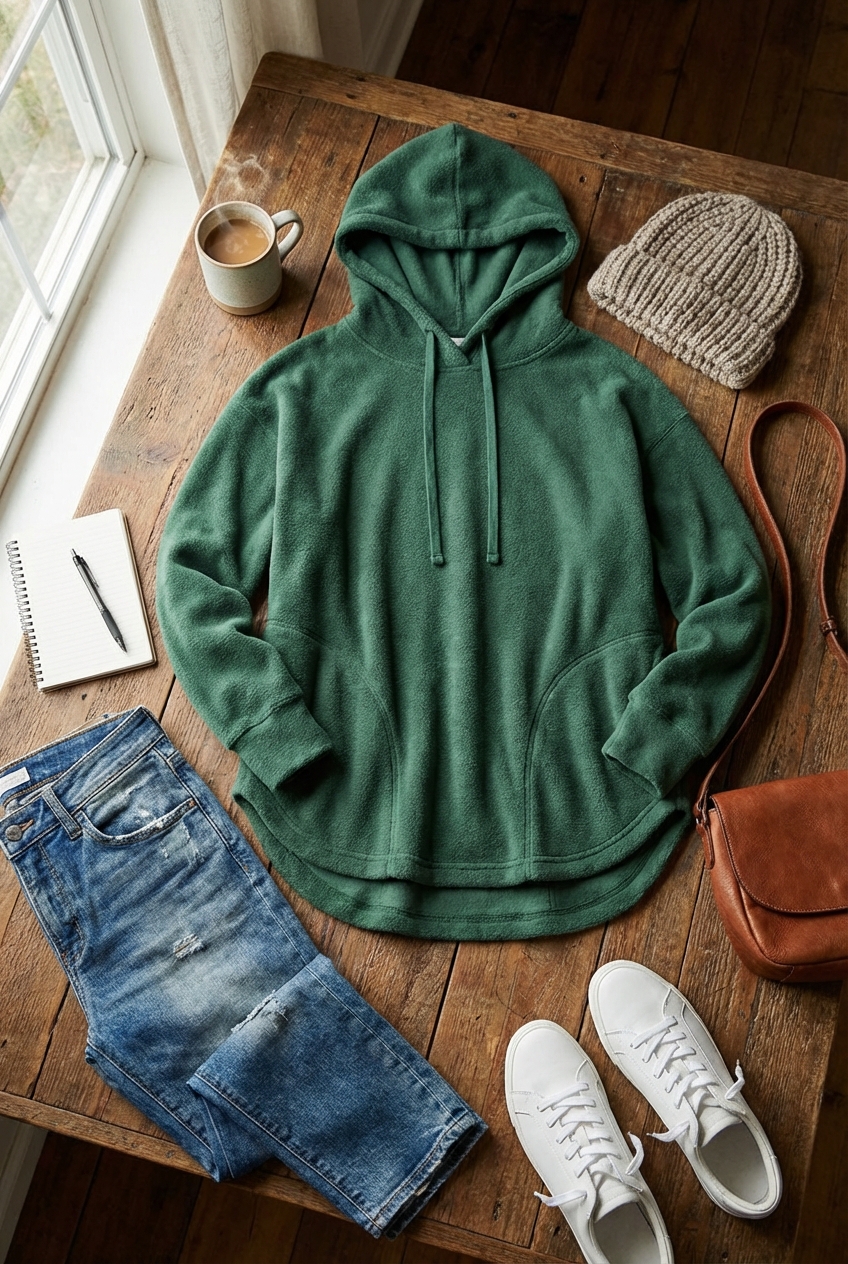
Oversized Hoodies With Sculpted Hemlines
For years, I relegated hoodies to the back of the closet, reserved strictly for gym sessions or lazy Sundays when no one would see me. In the high-end fashion world, they were viewed as purely utilitarian garments lacking structure or intent.
That perspective shifted dramatically when designers began treating jersey cotton with the same architectural rigor as wool or silk. The modern oversized hoodie isn’t just “big”; it is engineered with specific drop shoulders, calculated volume, and most importantly, a sculpted hemline.
When you find a piece where the hem creates a deliberate shape against the body, you bridge the gap between supreme comfort and genuine style. If you are looking for visual inspiration, be sure to check out the Picture Gallery at the end of the blog post.
The Architecture of the Sculpted Hem
The defining feature of this trend is that the hemline does not just hang limp against the hips. A sculpted hem implies intention, using geometry to flatter the leg line rather than cutting the body in half.
In my styling practice, I look for “stepped” hems, where the back panel is significantly longer than the front. This design element allows for coverage in the rear while keeping the front visually light, which elongates the legs.
Another popular variation is the “curved” or “tulip” hem. This mimics the cut of a dress shirt, rising at the hips to reveal the waistband of your pants or skirt. This small detail prevents the boxy “sponge bob” effect that occurs with traditional straight-cut sweatshirts.
Designer’s Note: The Volume Rule
There is a specific equation I use when fitting clients for oversized architectural pieces. If the garment adds two inches of volume to your shoulders, the hemline needs to interact with your hips in a way that creates a diagonal line, not a horizontal one. A horizontal line at the widest part of your body will always make you look wider, whereas a sculpted, curved line leads the eye vertically.
Fabric Weight and Structure
A sculpted hem cannot exist without the right fabric density. If the material is too thin, the hem will collapse, roll up, or cling to static electricity, ruining the silhouette.
I always advise clients to check the “GSM” (grams per square meter) of the fabric, even if they aren’t textile experts. For a hoodie to hold an architectural shape, you generally want a heavyweight cotton or cotton-blend fleece that is at least 350 GSM to 500 GSM.
Heavyweight French Terry is often superior to brushed fleece for this look. French Terry has looped piles on the inside which creates a natural stiffness that supports a high-low cut or a split side seam. It hangs away from the body, hiding lumps and bumps while maintaining that crisp, designer silhouette.
Common Mistakes + Fixes
- Mistake: Buying 100% synthetic polyester blends that are lightweight. These pill instantly and the hems tend to warp after one wash.
- Fix: Look for at least 80% cotton content. The natural fiber provides the weight necessary for gravity to pull the hem straight down or drape correctly.
Proportions: Balancing the Oversized Silhouette
The most challenging aspect of wearing an oversized hoodie is managing the proportions so you don’t look like you are wearing a blanket. The key is contrasting volume.
If your hoodie is voluminous with a wide, sculpted hem, your bottom half needs to be streamlined. This is why the hoodie-and-legging combination is a classic, but we can elevate it. Think structure: a slim-straight leg leather trouser or a heavy ponte knit pant works better than thin yoga leggings.
For a bolder fashion statement, you can play with “baggy on baggy,” but the ankles must be tapered or cinched. If you wear wide-leg denim with an oversized hoodie, ensure the hoodie has a cropped front hem to define the waistline, or tuck just the front inch into the waistband.
Styling for the Office vs. The Weekend
Can you wear a hoodie to a creative office? Absolutely, provided the hemline is refined and the condition is pristine. The “sculpted” aspect is what makes it office-appropriate because it looks tailored.
For a work setting, layer an oversized blazer over the hoodie. The key here is hood management. The hood should be pulled cleanly out and laid flat over the blazer collar. The blazer must be oversized as well; a fitted blazer over a thick hoodie will restrict your arm movement and bunch up at the biceps.
For the weekend, I love pairing these hoodies with a midi satin skirt. The contrast between the heavy, matte cotton and the sleek, shiny silk creates a texture clash that looks incredibly high-end. The sculpted hem helps here by sitting nicely over the skirt without bunching at the waist.
What I’d Do in a Real Project
- For a Brunch Look: I would choose a camel or cream hoodie with a deep side slit. I’d pair it with leather leggings and chunky combat boots to ground the look.
- For Travel: I’d select a matching set, but ensure the joggers have a cuff. The hoodie should have a high-low hem to provide coverage when reaching for overhead bins.
The Importance of Necklines and Hood Quality
While we focus on the hem, the hood and neckline balance the garment. A sculpted hem hoodie usually features a “cross-over” neck detail. This means there are no drawstrings, and the fabric crosses over itself at the throat.
This neckline is superior for an elevated look because it stands up on its own, framing the face. It creates a cleaner, more minimalist aesthetic than metal grommets and dangling strings, which can look sporty or juvenile.
The hood itself should be double-lined. A single-layer hood is floppy and reveals the “wrong” side of the fabric. A double-lined hood has weight and substance, creating a nice profile view even when you aren’t wearing it up.
Sizing and Fit Guide
How “oversized” should oversized be? This is the most common question I get in fittings. You want the shoulder seam to drop off your actual shoulder by about two to three inches.
If the shoulder seam is hitting your elbow, the sleeves will likely be too long and bunch up, making you look like a child playing dress-up. The sleeve length should end exactly at the break of the wrist when your arms are down.
Regarding length, the front hem should ideally hit at the hip bone or just below the zipper of your jeans. The back hem can go as low as the mid-thigh. If the front hem covers your entire crotch area, you lose your leg line completely, which can make you appear shorter.
Designer’s Note: The Petite Challenge
If you are under 5’4″, be very careful with “unisex” sizing. Unisex items are cut for longer torsos. I recommend petite clients look for “cropped oversized” cuts. These are intentionally wide and boxy but stop at the high hip, which maintains your vertical proportions.
Layering Logistics
The sculpted hem offers unique layering opportunities. Because the hem often curves up at the sides, you can wear a longer white tee underneath to create a visible layer.
This “peekaboo” effect breaks up the color block and adds visual interest. Ensure the tee underneath is crisp and clean; a yellowed or wrinkled undershirt will ruin the polish of the outfit.
When wearing a coat over a sculpted hoodie, check the coat length. A trench coat or a long wool dad coat is ideal. Never wear a jacket that is shorter than the hoodie; having the hoodie tail stick out from under a bomber jacket rarely looks intentional unless you are styling a very specific streetwear aesthetic.
Color Stories and Tonal Dressing
Monochromatic dressing is the easiest way to make an oversized hoodie look expensive. Wearing a charcoal hoodie with charcoal trousers and black boots creates a seamless, elongated column.
Neutrals like oatmeal, sage green, slate blue, and espresso brown tend to look more luxurious in cotton fleece than bright primaries. These earth tones highlight the texture of the fabric and the architectural lines of the cut.
If you do choose a bright color, let the hoodie be the hero piece. Keep the rest of the outfit neutral (black or white) to avoid overwhelming the eye. A cobalt blue sculpted hoodie with black leather pants is a power move.
Care and Maintenance of Heavy Knits
To keep the “sculpted” shape, you must care for the fabric correctly. Heavy cotton items are prone to shrinking in length, which can warp the carefully designed hemline.
I strictly advise washing these items in cold water on a gentle cycle. Never use high heat in the dryer. Heat breaks down the elastic fibers in the cuffs and hem, causing them to ripple or “bacon.”
Ideally, lay the hoodie flat to dry. Hanging a wet, heavy hoodie on a hanger will stretch out the shoulders and leave distinct bumps where the hanger ends press into the fabric. If you must use a dryer, tumble dry low and remove it while it is still slightly damp to reshape it by hand.
Finish & Styling Checklist
Before you head out the door, run through this mental checklist to ensure your oversized look is polished, not messy.
- Check the Shoulders: Is the drop shoulder intentional, or does it just look too big? The sleeve should not swallow your hand.
- Balance the Bottom: If the top is wide, is the bottom sleek? Or, if the bottom is wide, is the waist defined?
- Grooming Check: Because the outfit is casual, your hair and accessories should be polished to signal “fashion,” not “laundry day.”
- Hem Integrity: Is the ribbed hem lying flat? If it has curled up, give it a quick steam.
- The Tuck Test: If the front feels too long, try the “bra tuck” (tucking the hem up into your sports bra) to crop it without bulk.
- Shoe Interaction: Ensure your pants don’t bunch awkwardly over your shoes. A clean break at the ankle is best.
FAQs
Q: Can I wear a sculpted hoodie if I have a large bust?
Yes, absolutely. Look for a V-neck cut or a zip-neck style. The solid expanse of fabric on a crew neck can exaggerate the bust, but a split neck breaks up the space. Ensure the hoodie isn’t tight across the chest; you need that positive ease (extra fabric) for the drape to fall correctly.
Q: How do I stop the hood from pulling the neck back?
This is a sign of a cheap pattern or a hood that is too heavy for the body fabric. However, you can mitigate this by wearing a grippier layer underneath, like a ribbed turtleneck, which adds friction. Alternatively, ensure you are wearing the correct size; sometimes sizing up gives the back panel enough length to anchor the garment.
Q: Are these hoodies appropriate for women over 50?
Fashion has no age limit, only style parameters. A high-quality, structured hoodie in a luxe fabric like cashmere blend or heavy cotton looks chic on everyone. Avoid graphic logos or distressed detailing. Stick to solid colors and clean, architectural lines for a sophisticated aesthetic.
Q: Can I wear a sculpted hoodie with a dress?
Yes, this is a great transition season look. Treat the hoodie like a jumper. It works best over a slip dress or a fitted maxi dress. The sculpted/curved hem is essential here so it doesn’t cut off your figure like a block. Add boots to complete the look.
Conclusion
The oversized hoodie with a sculpted hem represents the perfect marriage of modern desire for comfort and the timeless need for style. It proves that you do not have to sacrifice elegance to feel at ease in your clothing.
By focusing on the architecture of the cut—specifically the high-low variations and curved side seams—you transform a basic wardrobe staple into a statement piece. Remember to pay close attention to fabric weight; structure requires substance.
Whether you pair it with vegan leather trousers for a dinner date or structured leggings for an upscale travel look, this garment is a workhorse in the contemporary wardrobe. It is all about intention, balance, and the confidence to take up space.
Picture Gallery


