
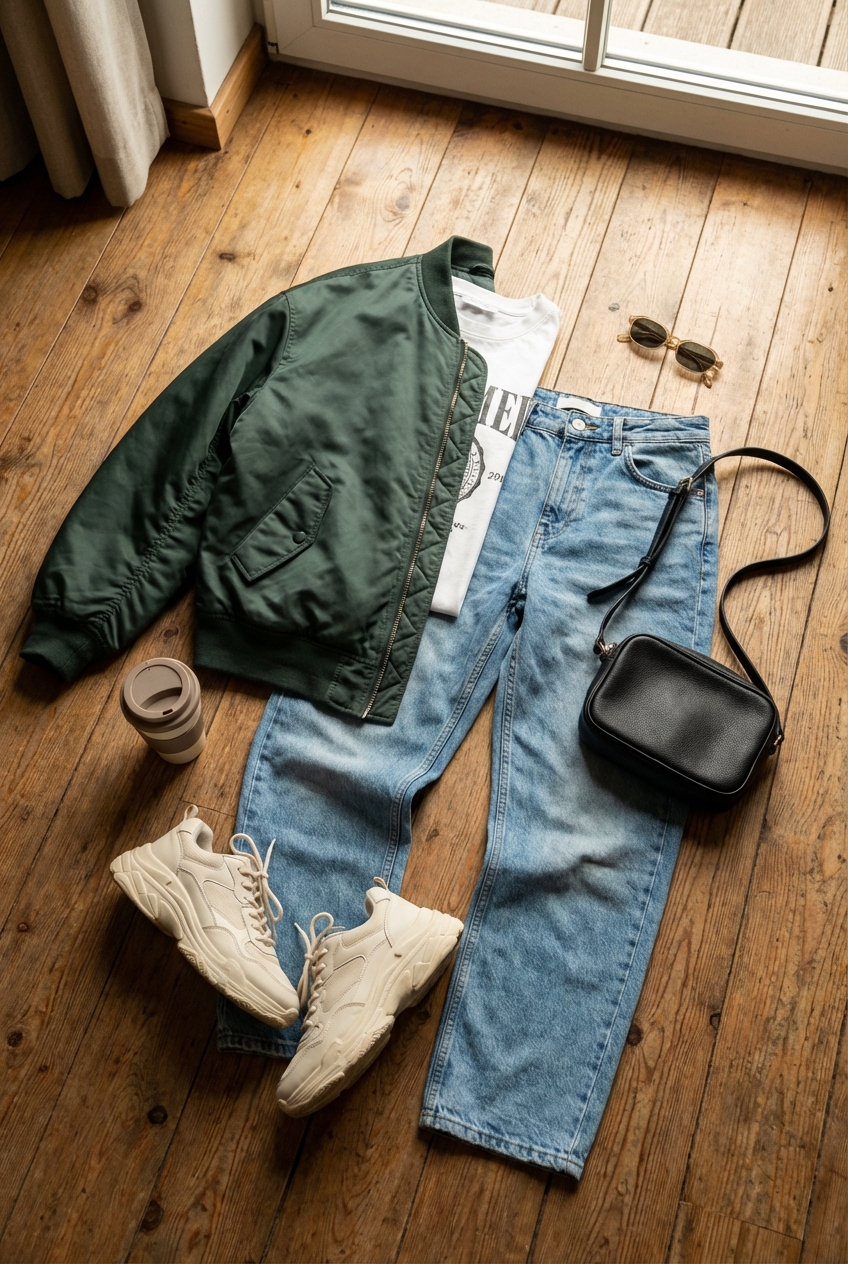
Oversized Jackets For Effortless Streetwear Chic
I still remember the first time I tried to pull off the oversized trend. I bought a vintage men’s blazer that was simply three sizes too big, and instead of looking like an off-duty model, I looked like a child playing dress-up in my father’s closet. It took years of styling clients and working on editorial shoots to realize that “oversized” is a deliberate silhouette, not just a sizing error.
The secret to effortless streetwear lies in the architectural balance of the garment. You want a piece that has been cut to hang loosely while still maintaining structure in the shoulders and wrists. It is about volume control and understanding where that volume sits on your specific body type.
Whether you are looking to elevate a gym outfit or bring a cool edge to your office attire, a voluminous jacket is the ultimate power move. For visual inspiration on how to execute these silhouettes, look for our curated Picture Gallery at the end of the blog post.
The Golden Rules of Proportion
In the world of high fashion styling, proportion is everything. When you introduce a significant amount of volume on your top half, you have to consider what is happening everywhere else. The eye needs a place to rest, and the silhouette needs an anchor.
The most reliable formula for beginners is the “inverted triangle.” This means pairing your oversized jacket with a slim-fitting bottom. Think skinny jeans, leggings, or fitted biker shorts. This contrast highlights your legs and proves that you are wearing the jacket, rather than the jacket wearing you.
However, advanced styling allows for “volume on volume,” provided you break it up correctly. If you wear baggy cargo pants with an oversized bomber, you must cinch the waist or ensure the jacket is cropped. Exposing the midriff or using a belt creates a necessary visual break that keeps the look intentional.
Designer’s Note: The Sleeve Length Rule
One of the biggest giveaways of a poor fit is the sleeve length. Even if the shoulders are dropped and the body is boxy, the sleeves should hit right at your wrist bone or the middle of your thumb.
If the sleeves completely swallow your hands, it creates a sloppy aesthetic. I always advise my clients to roll or push up the sleeves to expose the forearms. This small exposure of skin adds fragility and balance to the heavy fabric.
Selecting the Right Cut for Your Body Type
Not all oversized jackets are created equal. The cut that looks effortless on a six-foot runway model often requires adjustment for everyday wear. Understanding your vertical line is key to selecting a piece that flatters rather than overwhelms.
For petite frames (under 5’4″), length is your most critical metric. Avoid jackets that hit at the widest part of your knee, as this will visually shorten your legs. Aim for a hem that sits just below the hip or mid-thigh. A cropped oversized puffer or a boxy denim jacket often works better than a knee-length trench.
For taller or curvier frames, you have more freedom with length, but you must pay attention to structure. Look for jackets with defined lapels or strong shoulder pads. A shapeless sack will hide your figure entirely, whereas a structured, broad-shouldered blazer accentuates your waist by comparison.
Common Mistakes + Fixes
Mistake: Buying a regular jacket two sizes up to get the “oversized” look.
Fix: Purchase items specifically designed as “oversized” or “relaxed fit.” These are cut with dropped shoulders and wider torsos but maintain reasonable neck and arm lengths so the garment hangs correctly.
Mistake: Ignoring the back view.
Fix: Always check the back in a three-way mirror. If the fabric balloons out excessively above your bum, the jacket is too stiff or the cut is wrong. You want a straight drape.
Fabric Weight and Texture Mixing
The material of your jacket dictates how the volume behaves. In high-end fashion, we talk about “drape” constantly. A stiff fabric creates a boxy, architectural shape, while a soft fabric collapses into a slouchy, relaxed silhouette.
For a sharp, streetwear aesthetic, rigid fabrics like heavy denim (12oz or higher), leather, and structured wool blends are excellent. They hold their shape and don’t cling to the layers underneath. This creates that coveted “shell” effect that looks expensive and polished.
Conversely, if you want a cozy, “lived-in” vibe, opt for softer flannels, cashmere blends, or worn-in cotton canvas. These materials move with you. However, be careful with thin, cheap synthetics; they often lack the weight to hang properly and can cling to static, ruining the clean lines of the look.
Mixing Textures for Depth
The Leather Combo: Pair a matte oversized leather jacket with soft joggers. The contrast between the tough leather and soft cotton creates visual interest.
The Denim Play: If wearing a denim trucker jacket, pair it with a silk slip skirt or satin trousers. The rough denim against the delicate sheen of the skirt is a classic stylist trick.
The Wool Edit: A heavy wool blazer looks incredible over a thin, sheer turtleneck. The density of the wool makes the sheer fabric look intentional and edgy.
The Art of Layering Without Bulk
The practical appeal of an oversized jacket is the ability to layer, but there is a fine line between “cozy” and “stuffed.” When styling for colder months, the base layers must be streamlined.
Avoid wearing chunky cable-knit sweaters under tailored oversized blazers. Even though the blazer is big, the armholes are often standard size. A thick sweater will bunch up in the armpit and restrict movement, making you look stiff and uncomfortable.
Instead, rely on thermal base layers or thin cashmere and merino wool. These fabrics trap heat without adding circumference to your arms. If you want to wear a hoodie under a jacket (a classic streetwear move), ensure the jacket is a shell style, like a trench or a denim trucker, rather than a lined blazer.
What I’d Do in a Real Project
If I am styling a client for a day of city walking in the fall:
- Base: A fitted bodysuit or a tucked-in vintage t-shirt. This ensures the waist is defined when the jacket is open.
- Mid-layer: A fine-gauge cardigan, buttoned up, or an unzipped hoodie.
- Outer: An oversized menswear-inspired coat in a neutral tone like camel or charcoal.
- Result: You get warmth and dimension, but you can still bend your arms and move freely.
Footwear to Anchor the Look
Your choice of shoe dictates the entire vibe of an oversized outfit. Because there is so much visual weight on your upper body, your feet need to either balance that weight or elongate the leg.
Chunky footwear is the natural companion to oversized streetwear. Combat boots, dad sneakers, or platform loafers provide a solid foundation. They visually “catch” the heavy top half. If you wear a massive puffer jacket with delicate ballet flats, you risk looking top-heavy and unstable.
However, if you are aiming for a “high-low” mix—blending casual streetwear with elegance—a strappy heel or a pointed-toe boot can work wonders. This works best when the bottom layer is slim, like skinny jeans or leather leggings. The sharp point of the shoe extends the leg line, making you look taller and leaner under the big jacket.
Socks Matter
Do not overlook your sock choice. With chunky sneakers and oversized coats, a visible white crew sock or a slouchy sock adds a deliberate, sporty touch. It bridges the gap between the hem of your pants and your shoes, ensuring the look feels cohesive rather than cut off.
Trends vs. Timeless Staples
While fashion cycles move fast, three specific oversized silhouettes have transcended trends to become wardrobe staples. Investing in high-quality versions of these will serve you for years.
The Dad Blazer: Look for strong shoulders and a length that hits below the hips. Neutral colors like gray plaid, black, or beige are versatile. This replaces the cardigan for office-to-dinner transitions.
The Bomber Jacket: Originally military wear, the oversized bomber adds instant cool factor. Look for nylon fabrics with a sheen in olive, black, or navy. The elasticized cuffs and hem create a natural balloon shape that is very flattering.
The Trucker Jacket: Whether in denim or corduroy, this is the ultimate casual throw-over. Look for vintage washes. A rigid, raw denim trucker jacket will break in beautifully over time, molding to your body while keeping its oversized structure.
Finish & Styling Checklist
Before you head out the door, run through this quick mental checklist to ensure your proportions are on point.
- Check the Shoulders: Is the shoulder seam dropped intentionally, or does it just look too big? The seam should sit smoothly on the upper arm without puckering.
- The Wrist Test: Roll or push up sleeves to show a flash of skin. This prevents the “drowning” look.
- Balance the Bottom: If the top is voluminous, is the bottom fitted or structured? If wearing wide pants, is the waist defined?
- Open vs. Closed: Oversized jackets usually look best worn open to create a vertical line down the center of your body. If you must close it, consider belting it.
- Review the Fabric: Lint roll dark wools and steam out creases. Oversized fabric shows wrinkles more aggressively than fitted clothes.
FAQs
Q: Can I wear oversized jackets to a formal office?
A: Absolutely. The key is the material and the condition of the garment. A crisp, oversized wool blazer in black or navy, paired with a fitted turtleneck and tailored trousers, looks incredibly chic and professional. Avoid distressed denim or overly puffy nylon in corporate settings.
Q: I have a large bust. Will oversized jackets make me look bigger?
A: They can if you choose the wrong cut. Avoid double-breasted styles, as the extra fabric across the chest adds bulk. Opt for single-breasted or open-front jackets with a deep V-neckline (lapels). This elongates the neck and breaks up the chest area.
Q: How do I clean oversized coats?
A: Always check the care label. Most structured blazers and wool coats require dry cleaning to maintain the internal interfacing that gives them their shape. If you wash them at home, they may lose that crisp, architectural silhouette.
Q: Can I wear a dress under an oversized jacket?
A: Yes! A slip dress or a midi-length skirt pairs beautifully. The contrast between the masculine energy of a big jacket and the feminine flow of a dress is a core streetwear aesthetic. Just ensure the hem of the dress is longer than the jacket.
Conclusion
Mastering the oversized jacket trend is less about hiding your body and more about celebrating volume and silhouette. It requires a shift in perspective from traditional fitting rules to a more architectural approach to dressing.
By paying attention to sleeve length, balancing your proportions, and investing in fabrics that drape beautifully, you can turn a simple outfit into a fashion statement. Remember that confidence is the final accessory; wearing a large garment requires you to carry it with intention. Step out knowing that your volume is a choice, not an accident.
Picture Gallery


