
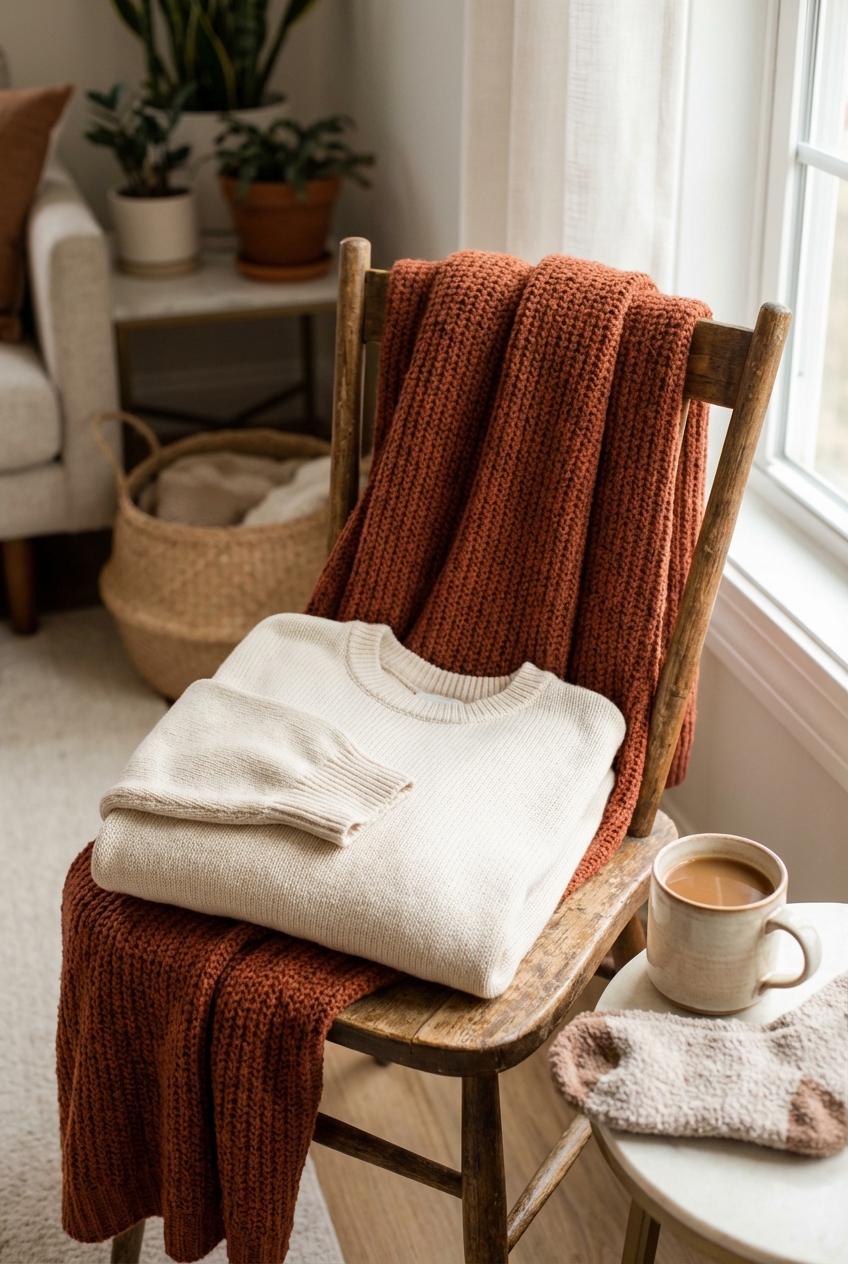
Oversized Sweatshirts For Cozy Days
There is a distinct difference between looking sloppy and mastering the art of the oversized silhouette. As a fashion stylist, I have spent years teaching clients that comfort does not require sacrificing structure or elegance. The oversized sweatshirt has evolved from simple gym wear into a cornerstone of the “quiet luxury” wardrobe, provided you choose the right cut and fabric.
We often associate cozy days with old, worn-out clothes, but elevating your loungewear actually changes your mindset. When you wear a piece that feels substantial, drapes intentionally, and maintains its shape, you feel put-together even while reading a book on the sofa. It is about the architecture of the garment rather than just the size on the tag.
In this guide, I will break down exactly how to select, style, and care for high-end oversized sweatshirts. We will cover the technical details of fabric weight, the rules of proportion, and how to transition these pieces from the living room to the street. If you are looking for visual inspiration on silhouettes and color palettes, make sure to check out the Picture Gallery at the end of the blog post.
The Architecture of the Fit: Size vs. Cut
The most common misconception about the oversized look is that you simply need to buy two sizes up. This is a styling error that leads to poor fit in crucial areas like the neck and wrists. A true oversized garment is “cut” oversized, meaning the pattern makers designed it to have extra volume in the torso while keeping the neck and cuffs fitted to the human body.
When shopping, you want to look for “drop shoulders.” This is where the seam of the sleeve falls past your actual shoulder joint, usually halfway down the upper arm. This design element allows the fabric to drape vertically rather than tenting out at your shoulders, which creates a boxy, unflattering shape.
You should also look for a “tapered hem.” Even if the body of the sweatshirt is wide, a slightly tighter ribbed hem at the bottom allows you to adjust where the sweatshirt sits on your hips. Without this tension, the sweatshirt hangs like a dress, which can shorten the appearance of your legs.
Designer’s Note: The Pit-to-Pit Measurement
In high-end fittings, we always measure the “pit-to-pit” width. For a standard fit, this might match your body width. For a luxury oversized look, look for a garment that measures at least 4 to 6 inches wider than your actual bust measurement. This creates the intentional volume we are looking for.
Common Mistakes + Fixes
Mistake: Buying a men’s XXL to get the baggy look.
Fix: This often results in sleeves that are far too long and a neckline that slips off. Stick to women’s garments specifically labeled “oversized” or “boyfriend fit,” or buy men’s sizes only if you plan to have the sleeves tailored.
Fabric Science: Understanding GSM and Composition
Not all sweatshirts are created equal. The difference between a sweatshirt that looks expensive and one that looks cheap usually comes down to fabric density. In the industry, we measure this in GSM (Grams per Square Meter).
For a truly cozy, high-quality feel that holds its structure, you want a heavy-weight cotton. Look for a GSM of 400 or higher. At this weight, the fabric does not cling to the body; it stands away slightly, creating a smooth silhouette that hides undergarment lines and lumps.
Regarding fiber content, aim for 100% cotton French Terry or a very high-cotton blend (at least 80% cotton, 20% polyester). French Terry has loops on the inside that breathe well, preventing you from overheating indoors. Fleece-lined options are warmer but tend to pill and lose their softness after a few washes.
What I’d do in a real styling session:
Check the label immediately: If I see more than 40% polyester, I usually put it back. High synthetic content leads to pilling (those annoying little fuzzballs) in high-friction areas like under the arms.
The “Crunch” Test: I scrunch the fabric in my hand. A high-quality heavyweight cotton should feel substantial and bounce back, not limp or thin.
Examine the Ribbing: The cuffs and hem should feel stiffer than the body. If the ribbing is flimsy, the sweatshirt will look old after three wears.
Balancing Proportions: The Rule of Thirds
When wearing voluminous tops, you must respect the rule of proportions to avoid looking like you are drowning in fabric. The goal is to balance the visual weight of the sweatshirt with a streamlined bottom half.
The safest and most chic pairing is the “tight and textured” approach. This usually means high-quality leggings (preferably matte, not shiny) or fitted biker shorts. By keeping the lower body fitted, you highlight the intentional volume of the top.
If you are styling a sweatshirt for a day at home, you can wear wide-leg lounge pants, but the lengths are critical. The pants must break exactly at the floor, and the sweatshirt should be slightly cropped or tucked in to define the waist. If both top and bottom are long and baggy, you lose your shape entirely.
Designer’s Rule of Thumb for Length
For Leggings: The sweatshirt should hit at the mid-thigh or just below the glutes. This provides coverage and balances the tight silhouette.
For Jeans/Trousers: The sweatshirt should hit at the high hip or be tucked. Do not wear a tunic-length sweatshirt with loose jeans unless you are extremely tall, as it skews your body ratios.
Styling for the Living Room (Luxury Loungewear)
Cozy days at home are the primary habitat for the oversized sweatshirt. However, there is a way to execute this look that feels luxurious rather than lazy. The secret lies in tonal dressing.
Monochromatic outfits—wearing a sweatshirt and bottoms in the same color family—automatically elongate the body and look expensive. Cream on cream, camel on camel, or slate grey on charcoal are excellent combinations. This creates a “uniform” look that feels intentional.
Texture plays a massive role indoors. Since you aren’t relying on layers like coats or bags, the interest comes from the fabric itself. Pair a smooth cotton sweatshirt with ribbed knit pants or cashmere socks. The contrast in textures adds depth to the outfit without sacrificing comfort.
The “Socks Over Leggings” Trend
A current styling cue that adds instant coziness is wearing mid-calf crew socks over your leggings.
The Look: Choose a thick, ribbed sock in a neutral tone (white or heather grey).
The Method: Pull the socks up over the bottom hem of your leggings, scrunching them down slightly so they don’t look too stiff. This bridges the gap between the sleek legging and the oversized top.
Elevating the Look for Errands (Street Style)
Taking your cozy sweatshirt out of the house requires adding structure. You need to signal that you are dressed for the day, not just running out in pajamas. The easiest way to do this is through outerwear and footwear.
Throwing a structured coat—like a trench coat or a wool dad coat—over a hoodie or crewneck creates a high-low fashion moment. The hood spilling out over a crisp lapel is a classic street-style aesthetic. It suggests effortless cool.
Footwear determines the formality. A clean, white leather sneaker keeps it sporty but polished. A chunky loafer with a visible sock moves the look toward “preppy chic.” Avoid flip-flops or worn-out runners if you want to maintain a high-end vibe.
Common Mistakes + Fixes
Mistake: Wearing a gym bag or canvas tote.
Fix: Upgrade accessories. Use a structured leather handbag or a sleek crossbody bag. The rigid shape of the bag contrasts beautifully with the soft lines of the sweatshirt.
Care and Maintenance for Luxury Knits
If you invest in a high-quality, heavy GSM sweatshirt, you need to care for it properly to maintain the fit. Cotton is a natural fiber that will shrink if exposed to high heat.
The number one rule for oversized items is to avoid the dryer entirely. Heat breaks down the fibers and shrinks the length of the torso and sleeves. Once an oversized sleeve shrinks, it loses that crucial “drop shoulder” drape and just looks ill-fitting.
Wash these items on a cold, gentle cycle with similar colors. Turn the sweatshirt inside out before washing. This protects the outer face of the fabric from friction against other clothes, which significantly reduces pilling and keeps the surface smooth.
Designer’s Note: Reshaping
After washing, while the garment is still damp, perform a “wet reshape.” Lay the sweatshirt flat on a drying rack. Gently tug the sleeves and the hem to stretch them back to their original dimensions. Cotton has memory; it will dry in the shape you leave it in.
Finish & Styling Checklist
Before you head out or settle in, run through this quick stylist checklist to ensure your proportions and details are on point.
Check the Shoulder Seam: Does it drop halfway down your upper arm? If it sits on your shoulder bone, it’s too small for this look.
Fabric Weight Check: Does the fabric hold its own shape, or is it draping clingily? Heavier is better.
The Front Tuck: If wearing jeans, have you done a “French tuck” (tucking just the front hem) to define your waist?
Sleeve Length: The sleeves should be long enough to cover your wrists comfortably. If they are short, push them up to the elbows for a deliberate styling choice.
Collar Tension: Ensure the neck ribbing is not stretched out. A tight, high crew neck looks much more premium than a loose, gaping one.
* Lint Check: Oversized dark fabrics attract lint. A quick roll with a lint roller is mandatory for black or navy sweatshirts.
FAQs
Can petite women wear oversized sweatshirts without looking shorter?
Absolutely. The key for petite frames is to show some skin or form elsewhere. If the top is voluminous, show your wrists by pushing up sleeves, or ensure your ankles are visible. Avoid tunics that hit the knee; aim for a cropped oversized fit that hits just at the hip bone to keep your legs looking long.
What is the best neckline for an oversized sweatshirt?
For a classic, versatile look, a tight Crew Neck is best. It frames the face and looks great layered under coats. A Hoodie offers a sportier, more casual vibe and adds bulk around the neck, which can be cozy but harder to layer. A Quarter-Zip offers a retro, preppy look that is very on-trend right now.
How do I stop my sweatshirt from getting fuzzy?
Fuzziness, or pilling, is caused by friction. Always wash inside out. Avoid washing heavy cottons with towels or fleece items, as the lint will transfer. If pilling occurs, use a fabric shaver (not a razor) to gently remove the bobbles and restore the smooth surface.
Can I wear jewelry with a sweatshirt?
Yes, and you should. Chunky gold hoops or a thick chain necklace look fantastic against the casual cotton of a sweatshirt. The contrast between the metal and the matte fabric elevates the outfit immediately. Avoid dainty chains that might get lost in the volume of the fabric.
Conclusion
Embracing the oversized sweatshirt is about prioritizing yourself. It is a fashion choice that says you value comfort as much as style, but you refuse to compromise on quality. By focusing on heavy-weight fabrics, mastering the drop-shoulder silhouette, and balancing your proportions, you can turn a humble basic into the most luxurious item in your closet.
Whether you are curling up with tea on a rainy afternoon or meeting friends for a casual coffee, the right sweatshirt acts as a security blanket that looks chic. Remember to pay attention to the care instructions to keep that fabric structured and soft for years to come.
Picture Gallery


