
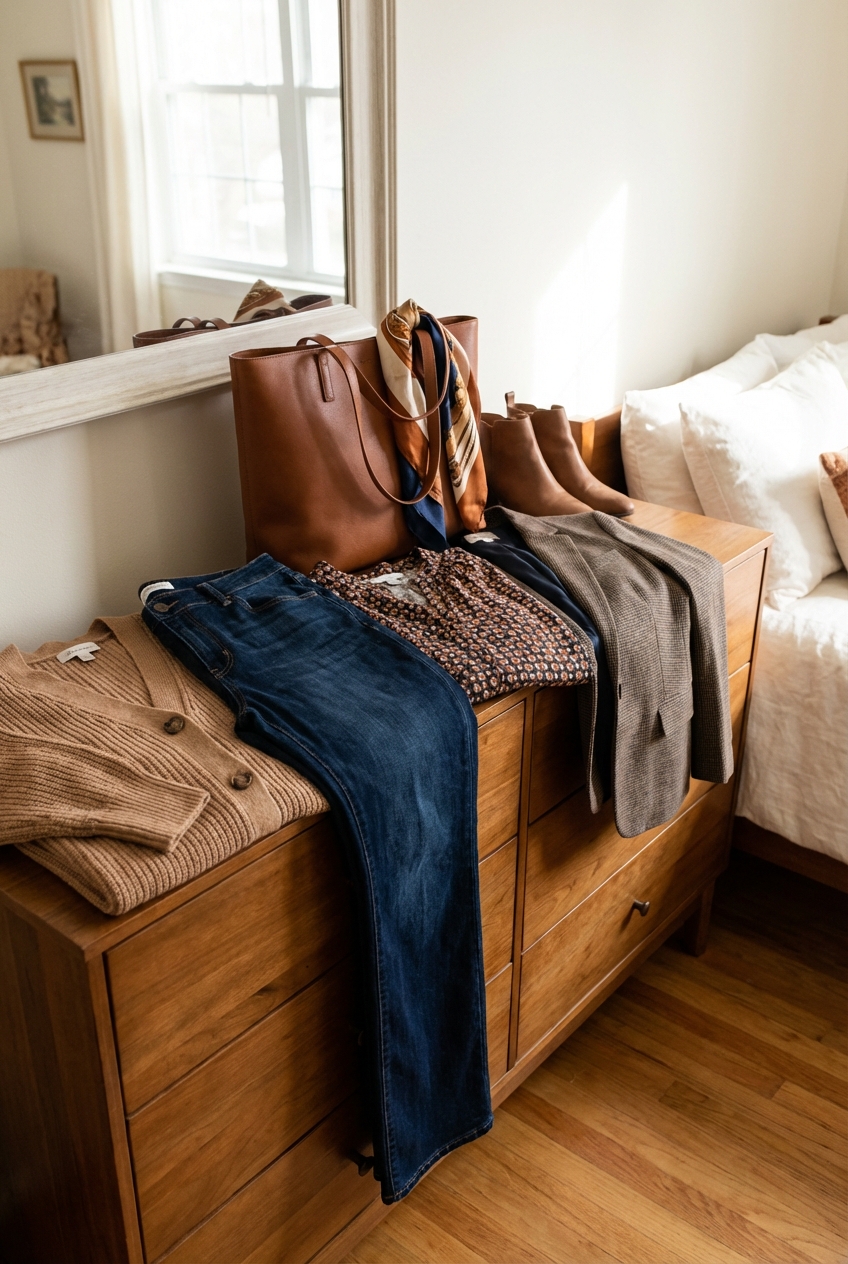
Plus Size Capsule Wardrobe Inclusive Fashion Essentials
For years, the fashion industry treated the plus-size category as an afterthought, often offering shapeless sacks or fast-fashion pieces that fell apart after two washes. As a stylist who has dressed hundreds of women across the size spectrum, I know that true style is not about hiding your body; it is about curating a collection that respects your silhouette. A capsule wardrobe is the ultimate tool for reclaiming your time and confidence.
Building a capsule wardrobe is much like designing a room. You need a solid foundation, quality materials, and a cohesive color palette that allows everything to mix and match effortlessly. When you focus on high-quality essentials rather than chasing fleeting micro-trends, you invest in pieces that work for you, not against you. The goal is to open your closet door and feel a sense of calm rather than panic.
In this guide, we are going to break down the architectural elements of a functional, high-end plus-size wardrobe. We will look at fabric composition, tailoring secrets, and the specific cuts that offer longevity and style. If you are looking for visual inspiration on how to combine these pieces, make sure to check out the curated Picture Gallery at the end of the blog post.
The Foundation: Understanding Fabric and Fit
Before buying a single garment, you must understand the engineering behind the clothes. In high-end design, the material is everything. For plus-size bodies, the way a fabric drapes can make the difference between a polished look and a sloppy one. You want fabrics that skim the body rather than cling to it.
Avoid thin, high-sheen synthetics like cheap polyester, which trap heat and highlight texture you might prefer to smooth out. Instead, look for natural fibers blended with a small percentage of high-quality stretch materials. For example, a cotton-poplin blend offers crisp structure, while a wool-cashmere blend provides warmth without adding bulk.
Stylist’s Note: The Viscosity Rule
When selecting jersey knits or draping fabrics, hold the garment up to the light. If you can see your hand clearly through it, put it back. You want medium-weight fabrics (often viscose or modal blends) that have “guts”—meaning they are heavy enough to fall straight down due to gravity, rather than catching on undergarments or curves.
Common Mistake + Fix
- The Mistake: Buying clothes that fit your smallest part but pull at your widest part.
- The Fix: Always buy to fit your widest measurement (whether that is bust, hips, or shoulders) and have a tailor take in the rest. It is significantly cheaper to take in a waist than it is to reconstruct a shoulder seam.
Core Bottoms: Trousers and Denim
Finding the perfect pair of pants is often the most dreaded part of shopping, but it is the anchor of your capsule. For a versatile wardrobe, you generally only need three to four stellar pairs of pants. Start with a tailored black trouser, a dark wash jean, and a lighter neutral pant (like camel, gray, or cream).
When shopping for denim, look for a composition of 98% cotton and 2% elastane (or spandex). This specific ratio provides the structure of rigid denim—which holds you in and smooths the silhouette—while offering enough give for sitting and moving. Jeans with more than 5% spandex tend to bag out at the knees within an hour of wear.
For trousers, a high-rise flat-front cut is almost universally flattering. It elongates the legs and eliminates the issue of “muffin top” by sitting at the natural waist. Pay close attention to the inseam. A trouser that is half an inch too short can ruin the line of the leg, while one that bunches at the shoe looks messy.
What I’d do in a real consultation:
- Hemming: I ask clients to bring the shoes they wear most often. For wide-leg trousers, the hem should sit 1/4 to 1/2 inch off the floor. For tapered pants, they should graze the top of the ankle bone.
- Pockets: If side pockets flare open at the hips, I have them sewn shut. It instantly creates a cleaner, more expensive line.
Structured Layers: Blazers and Outerwear
The “third piece” rule is a stylist secret for looking put-together. Your top is the first piece, your pants are the second, and your jacket is the third. A structured layer adds instant authority and polish to an outfit. For a plus-size capsule, a well-cut blazer is non-negotiable.
Look for single-breasted styles with a deep V-neckline. This draws the eye vertically, elongating the torso. Double-breasted jackets can add unwanted bulk to the midsection if the buttons aren’t placed correctly. Ensure the shoulder seam hits exactly at the edge of your shoulder; if it droops, the whole outfit looks ill-fitting.
Beyond the blazer, invest in a classic trench coat or a wool wrap coat. These pieces offer adjustable waists, allowing you to cinch the silhouette as tightly or loosely as you prefer. A leather or high-quality faux leather moto jacket is another essential, adding edge to softer dresses and floral prints.
Fit Check: The Button Test
Many women buy jackets they never intend to button. While wearing it open is a stylistic choice, you should still be able to button it. If there is a gap of more than two inches between the button and the hole when you pull it closed, the jacket is too small. Sizing up will allow the fabric to drape properly over the back and shoulders.
Tops and Blouses: Versatility and Necklines
The tops in your capsule wardrobe should bridge the gap between comfort and professionalism. The goal is to have pieces that look just as good under a blazer as they do on their own. The white button-down is a classic, but it is notoriously difficult for large busts.
Look for brands that offer “sized” shirts (like 14, 16, 18) rather than general sizing (1X, 2X), as numeric sizing tends to have more precise neck and shoulder measurements. Consider poplin shirts with side ruching or hidden interior buttons at the bust apex to prevent gaping. Alternatively, high-quality silk or satin blouses offer a luxurious drape that softens a business look.
For casual tops, elevate the T-shirt. Swap thin cotton tees for Pima cotton or mercerized cotton, which has a slight sheen and resists pilling. V-necks and scoop necks are excellent for opening up the décolletage and balancing a fuller face or shorter neck.
Styling Tip: The French Tuck
If you feel that wearing a shirt loose looks boxy but tucking it in feels exposing, master the “French Tuck.” Tuck just the front two inches of your hem into your waistband and let the rest hang loose. This defines the waist without revealing the hips or backside.
The One-and-Done Pieces: Dresses and Jumpsuits
Dresses are the workhorses of a capsule wardrobe because they require zero coordination. The wrap dress is iconic for a reason: it is adjustable, creates a V-neck, and defines the waist. However, ensure the wrap allows for enough coverage across the thigh when you sit down.
A slip dress in a heavy satin or bias-cut fabric is surprisingly versatile. It can be worn alone for evening, layered under a chunky sweater for day, or worn with a blazer for work. Look for bias cuts, which mean the fabric is cut at a 45-degree angle. This allows the fabric to stretch and mold to your curves naturally without the need for zippers or elastic.
Jumpsuits offer a modern alternative to the dress. Look for styles with a defined waist and a wide leg. A monochromatic jumpsuit creates an unbroken vertical line from shoulder to toe, which is incredibly lengthening.
Undergarment Strategy
The success of a dress often relies on what is underneath. High-waisted shaping shorts are not just for slimming; they prevent thigh chafing, which protects both your comfort and the fabric of the dress. Invest in seamless options that match your skin tone exactly.
Footwear and Accessories: The Finishing Touches
Accessories are where you inject personality into your capsule. For plus-size styling, scale is crucial. Tiny, delicate jewelry can sometimes get lost or make a frame look larger by comparison. Opt for statement pieces like chunky gold chains, large structured tote bags, or bold cuffs.
Footwear must balance the visual weight of your outfit. If you are wearing wide-leg trousers and a heavy wool coat, a dainty ballet flat may look disproportionate. Instead, choose a loafer with a lug sole, a block-heel bootie, or a substantial sneaker.
When it comes to belts, width matters. A skinny belt can sometimes roll or dig into softer midsections. A medium-width belt (about 1.5 to 2 inches) is usually the sweet spot. It is wide enough to stay flat but narrow enough to fit through standard belt loops.
Shoe Comfort Logic
Many plus-size women require wide-width shoes not because their feet are wide, but because of volume. Look for brands that offer “W” sizing to accommodate high insteps or swelling. A pointed-toe flat in a wide width is a magic trick; it extends the line of the leg while remaining comfortable.
Finish & Styling Checklist
Once you have acquired your essentials, use this checklist to ensure your outfit is polished and ready for the day. This is the mental run-through I do with every client before they walk out the door.
- The Third Piece: Have I added a jacket, cardigan, or statement accessory to complete the look?
- Proportion Check: Am I balancing a loose item with a fitted item? (e.g., Wide-leg pants with a fitted bodysuit, or skinny jeans with an oversized sweater).
- Texture Mix: Do I have at least two different textures? (e.g., Denim + Silk, or Leather + Wool).
- Ankle/Wrist Visibility: Have I rolled my sleeves or cuffed my pants to show the thinnest parts of my limbs? This adds visual structure.
- Lint and Steam: Is the black fabric free of lint? Are the wrinkles steamed out? No outfit looks expensive if it is wrinkled.
- Shoe Condition: Are my heels scuffed? A quick wipe-down makes a huge difference.
FAQs
How do I handle weight fluctuations with a capsule wardrobe?
This is a very common reality. Focus on flexible closures. Wrap dresses, drawstring trousers that look tailored (like jogger-trouser hybrids), and open-front cardigans are immune to 5-10 pound fluctuations. Avoid rigid waistbands if your weight shifts frequently. High-quality knits are your best friend here.
Can I wear bold prints in a capsule wardrobe?
Absolutely. While neutrals are the glue that holds the capsule together, a capsule doesn’t mean “boring.” Choose one or two classic prints, such as leopard, Breton stripes, or a dark floral. Treat these prints as neutrals—leopard, for example, pairs beautifully with black, camel, cream, and even red.
Why are plus-size clothes often more expensive?
Good plus-size clothing requires more fabric and, more importantly, more complex engineering. Grading a pattern up from a size 6 to a size 24 isn’t just about making it wider; the proportions of the armhole, the rise of the pants, and the bust darts all change. You are paying for that specialized pattern-making.
What if I’m petite and plus-size?
Scale becomes even more critical. You must be friends with a tailor. Shortening sleeves and hems is standard maintenance. Avoid overwhelming amounts of fabric; opt for cropped jackets that hit at the waist rather than the hip to lengthen your leg line.
Conclusion
Building a plus-size capsule wardrobe is an act of self-respect. It signifies that you are done waiting until you reach a certain size to dress well. You deserve to look incredible right now, in the body you have today. By focusing on quality fabrics, precise tailoring, and timeless silhouettes, you create a closet that serves you.
Remember that this is a process. You do not need to throw out your entire wardrobe and start from scratch tomorrow. Start by identifying the gaps—perhaps you lack a great blazer or the perfect pair of jeans—and fill them slowly with high-intent purchases. Fashion is meant to be functional, beautiful, and inclusive. Your wardrobe should be the least stressful part of your day.
Below, I have curated a gallery of looks to help you visualize how these core pieces come together in real life. Use these images as a blueprint for your own styling journey.
Picture Gallery


