
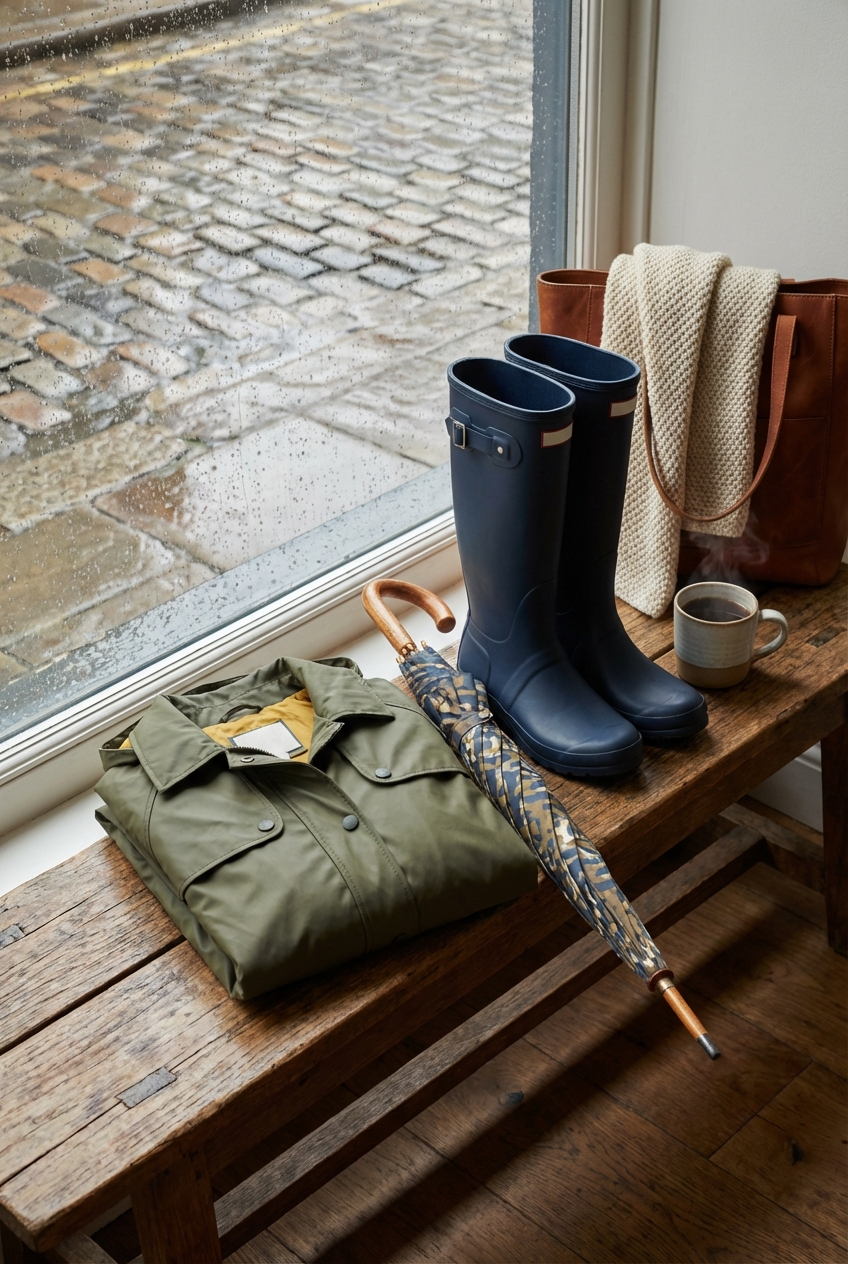
Rainy Day Fashion Stylish And Functional Outfits For Wet Weather
There is a distinct sinking feeling that comes when you wake up, check your weather app, and see a wall of 100% precipitation chances for the day. For many, this signals a fashion surrender. We tend to reach for the oldest leggings, the clunky rubber boots that live in the back of the closet, and a shapeless nylon sack that passes for a coat.
But as someone who has styled shoots in the drizzle of London and the downpours of Seattle, I can tell you that rain is actually an incredible texture to work with. It offers a unique opportunity to play with glossy finishes, structured layers, and dramatic silhouettes that dry weather simply doesn’t require. You do not have to sacrifice elegance just because the barometer drops.
The secret lies in preparation and the strategic selection of materials that handle moisture without losing their shape or sheen. For a visual guide on how these elements come together, be sure to check out the curated Picture Gallery at the end of the blog post.
The Foundation: Fabric Science and Material Selection
Before we talk about silhouettes or trends, we must address the physics of dressing for rain. The biggest mistake clients make is assuming “thick” equals “waterproof.” A heavy wool sweater will simply act like a sponge, becoming heavy and misshapen within minutes of exposure.
You need materials that are hydrophobic or tightly woven. Patent leather (or high-quality faux patent) is a stylist’s secret weapon. It is naturally impermeable, wipes clean instantly, and adds a high-fashion “wet look” intentionally rather than accidentally. Vinyl and PVC are obvious choices, but they can trap heat; look for pieces with grommet ventilation under the arms.
For your base layers, avoid cotton at all costs. Cotton absorbs moisture and holds it against the skin, creating that dreaded clammy feeling. Instead, opt for lightweight merino wool or high-tech synthetics. These materials wick moisture away from the body, ensuring that even if dampness penetrates your outer shell, your core temperature remains regulated.
Stylist’s Note: The Silk Test
I learned this the hard way during an outdoor editorial shoot. Never wear raw silk in the rain. Even a single drop can leave a permanent water stain that ruins the garment’s finish. If you must wear delicate fabrics, ensure they are fully covered by a reliable trench, or save them for days with 0% chance of precipitation.
The Investment Outerwear: The Trench and The Parka
A coat is the centerpiece of any rainy day outfit. In dry weather, a coat is something you take off when you arrive; in wet weather, it is often part of your look for the duration of your commute or errand run. Therefore, fit and structure are paramount.
The classic trench coat is non-negotiable for a high-end wardrobe. However, not all trenches are created equal. You want a gabardine cotton—a fabric invented specifically to repel water while remaining breathable. Look for a coat with a storm flap (the extra piece of fabric on the upper back); this isn’t just decorative. It ensures that water runs off your shoulders rather than soaking into the seam where the sleeve attaches.
If your style leans more urban or streetwear, a high-quality parka or anorak is the alternative. The key here is the hardware. Ensure zippers are taped or covered by a placket. Exposed zippers are the first point of entry for water.
Common Mistakes + Fixes
Mistake: Buying a coat that fits perfectly over a t-shirt.
Fix: Always size your rainwear to accommodate a blazer or chunky knit underneath. When you try on a trench, you should be able to cross your arms comfortably while wearing a sweater. If the fabric pulls tight across the shoulders, the friction will actually help pull water through the fabric faster.
Footwear Strategy: Boots, Height, and Hems
Your choice of footwear dictates the proportions of your entire outfit. The days of clunky, purely utilitarian wellies are over. Modern luxury fashion offers waterproof boots that look exactly like high-end leather Chelsea boots or riding boots.
When styling for the rain, I always look at the shaft height of the boot relative to the hem of the pant. This is a critical “rule of thumb” for a polished look. If you are wearing cropped trousers, the boot shaft should slide under the pant leg, or there should be at least one inch of clearance above the boot.
Avoid the “awkward gap” where the pant hem bunches on top of the boot. For full-length wide-leg trousers, ensure the hem is at least half an inch off the ground when you are wearing your boots. Wet hems that drag on the pavement will wick dirty water up to your knees via capillary action.
What I’d Do in a Real Wardrobe Audit
1. Waterproof Spray: I treat all leather boots (even those sold as water-resistant) with a high-end nanotechnology spray.
2. Rubber Soles: I advise clients to avoid leather soles on rainy days. They become dangerously slippery and can be permanently damaged by water. Have a cobbler add a rubber “topy” sole to your favorite dress boots.
3. The Swap Strategy: If you work in a formal office, wear sleek rubber Chelsea boots for the commute and keep your pumps in a dust bag in your tote. Never ruin Manolos in a puddle.
Layering Logic: Managing Temperature and Humidity
Rain often brings a drop in temperature, but wearing a waterproof shell traps body heat. This creates a specific styling challenge: how to stay warm without overheating. The solution is thin, removable layers rather than one heavy garment.
Start with a breathable camisole or bodysuit. Layer a lightweight cashmere cardigan or a crisp button-down shirt over that. Finally, add your water-resistant outerwear. This “onion” approach allows you to adjust when you step from a cold, wet street into a heated subway car or office building.
Pay attention to volume. If your raincoat is oversized or A-line, keep your bottom half streamlined with slim trousers or a pencil skirt. If your coat is belted and tailored, you have more freedom to wear a wider leg pant, provided the hem length is managed correctly.
Accessories: Protection with Personality
Accessories are often an afterthought, yet they are the first line of defense. The umbrella is a major component of your silhouette. A cheap, broken drugstore umbrella ruins the sophistication of a designer outfit instantly.
Invest in a “birdcage” style clear umbrella. From a fashion perspective, this is superior because it allows light to hit your face (better for visibility and photos) and doesn’t obstruct your line of sight. Alternatively, a large black stick umbrella with a wooden handle suggests classic British tailoring.
Your handbag choice is equally critical. Leather bags can spot, and suede is out of the question. I recommend coated canvas, nylon, or treated leather bags with a full zipper closure. Open-top totes are essentially rain buckets; do not use them unless you have a water-resistant insert.
Stylist’s Note: Hat vs. Hood
While hoods are functional, they often flatten volume in the hair. I prefer a wide-brimmed water-repellent hat or a chic vinyl bucket hat. This preserves your hairstyle and looks more intentional than a drawstring hood pulled tight around your face.
Styling for Specific Occasions
The Corporate Commute:
Stick to a monochromatic palette. A black trench over a charcoal suit reads authoritative and sharp. Use a patent leather loafer with a lug sole—it looks professional but lifts you out of the puddles.
The Weekend Errand Run:
Embrace the “athleisure luxe” look. Pair high-quality black leggings with an oversized water-resistant windbreaker and sleek waterproof sneakers. Add a baseball cap under the hood for extra face protection and style points.
Date Night Downpour:
This is tricky. You want to look romantic, not wrapped in plastic. Opt for a trench coat worn as a dress (belted tightly) with sheer black tights and patent leather ankle boots. The trench creates a mystery, and the patent leather reflects the ambient city lights beautifully.
Finish & Styling Checklist
Before you step out the door, run through this quick mental check to ensure your look is both runway-ready and storm-proof.
- Hem Check: Are your pants at least 0.5 inches off the ground to prevent wicking?
- Fabric Check: Are you wearing any raw silk, untreated suede, or light-colored absorbent cotton? If yes, change.
- Shoe Seal: Have your boots been treated with a water-repellent spray in the last month?
- Bag Closure: Does your handbag zip fully shut to protect your tech and wallet?
- Hair Prep: Have you applied an anti-humidity serum or spray to prevent frizz?
- The Third Piece: Is your raincoat structured enough to act as a complete outfit on its own?
FAQs
Q: Can I wear white jeans in the rain?
A: Technically yes, but I advise against it. Wet denim becomes translucent and heavy. Furthermore, splash-back from the street can leave permanent gray speckles on the lower legs of white pants. Stick to darker washes or black on wet days.
Q: How do I dry my trench coat without ruining the shape?
A: Never throw a structured coat in the dryer. Shake off excess water immediately upon entering. Hang it on a wide, padded hanger (not a wire hanger) in a well-ventilated area. smooth the fabric with your hands while it is damp to prevent wrinkles from setting.
Q: Is a poncho ever stylish?
A: A cheap plastic poncho is for theme parks. However, a high-end designer cape made of wool gabardine or technical fabric can be incredibly chic. It offers drama and movement. The key is ensuring the rest of the outfit is fitted to balance the volume.
Q: What is the best length for a raincoat?
A: For maximum versatility, aim for a knee-length or midi-length coat. A coat that hits mid-thigh often leaves your skirt or trousers exposed to the elements. A longer coat provides better coverage and creates a longer, leaner visual line.
Conclusion
Rain does not have to be the enemy of style. In fact, it acts as a filter that separates those who dress out of necessity from those who dress with intention. By understanding the properties of technical fabrics, respecting the rules of proportion, and investing in the right hardware, you can turn a gray day into a personal fashion moment.
Remember that confidence is the ultimate accessory. When you know your boots are sealed, your coat is high-performance, and your layers are breathable, you can walk through a storm with the same poise you would have on a sunny afternoon. Embrace the elements, protect your investments, and let the rain be the backdrop for your most structured, glossy looks.
Picture Gallery


