
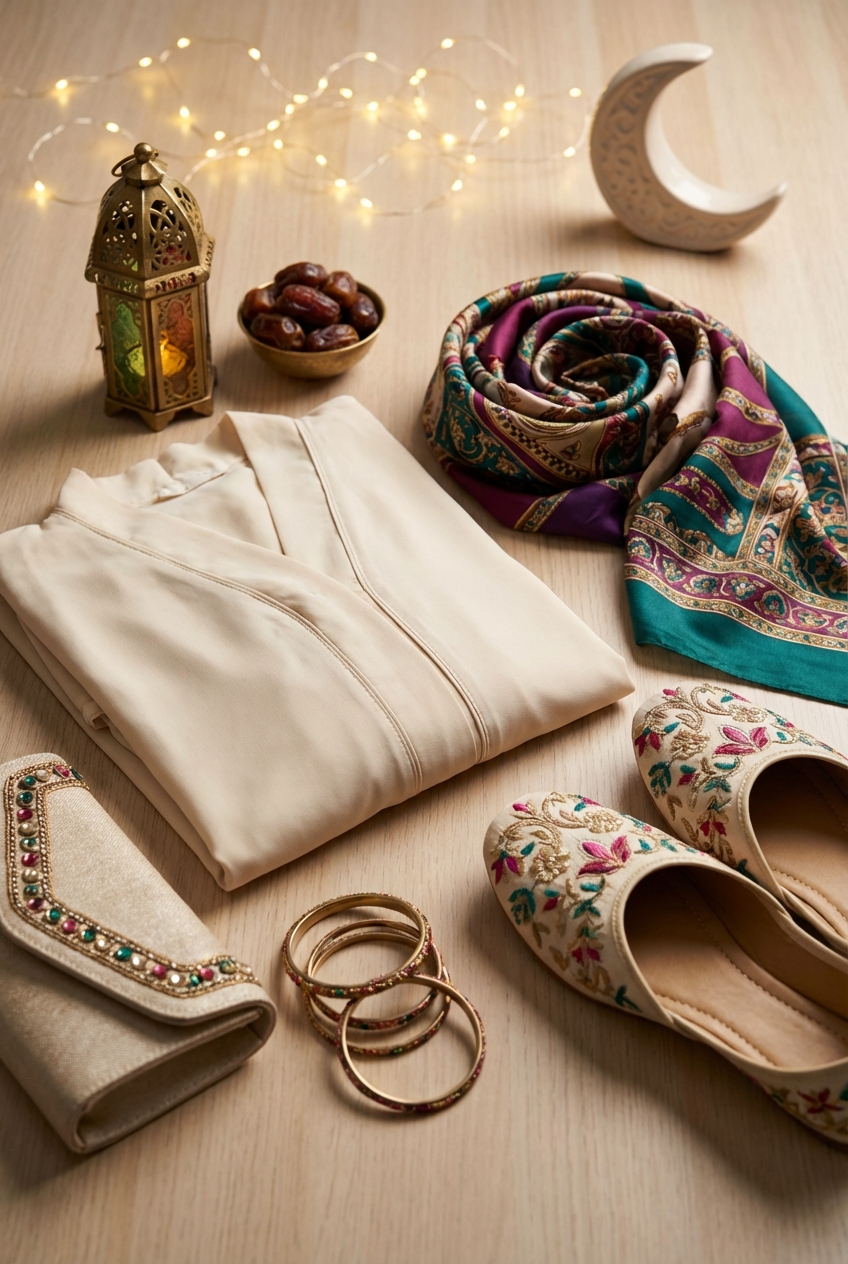
Ramadan And Eid Fashion Modest And Stylish Outfits
The transition into Ramadan always brings a unique energy to my styling studio. It is a month characterized by spiritual reflection, late-night gatherings, and a distinct shift in how we approach our wardrobes. For my clients, the challenge is always the same: how to balance elegance with modesty, while remaining comfortable enough for long evenings of prayer and heavy Iftar meals.
I remember a specific consultation with a client who had just moved from a non-Muslim country and was panicking about her wardrobe for her first Eid. She assumed she had to completely reinvent her style or wear traditional garments she didn’t feel like “herself” in. We spent the afternoon proving that modesty is actually the highest form of high fashion—it relies on silhouette, fabric quality, and tailoring rather than showing skin.
Whether you are hosting an intimate Iftar or attending a grand Eid celebration, your outfit should make you feel dignified and polished. For plenty of visual inspiration, don’t forget to check out the Picture Gallery at the end of this article.
Understanding the Assignment: The Ramadan vs. Eid Wardrobe
Before we start pulling garments, it is crucial to understand the distinct difference between Ramadan styling and Eid styling. They serve different purposes and require different levels of formality.
For Ramadan, specifically Iftar and Suhoor gatherings, the priority is “effortless ease.” You are likely fasting, which means your energy levels might be lower during the day, and you will be eating a large meal at sunset. The goal is fluid silhouettes that do not restrict the waistline.
For Eid Al-Fitr, the vibe shifts to celebration and opulence. This is the moment for structure, embellishments, and your finest textiles. In styling terms, think of Ramadan as “elevated resort wear” and Eid as “couture gala.”
Designer’s Note: The “Sit Test”
A lesson I learned early in my career involved styling a client in a stunning, structured raw silk dress for an Iftar dinner. While it looked incredible standing up, she called me the next day to say she was miserable the entire meal because the fabric had zero give when she sat down to eat.
Now, I have a strict rule for Ramadan outfits: always perform the “Sit Test.” If you cannot sit cross-legged on a floor cushion or lean back comfortably on a sofa without the fabric digging into your ribs or knees, it is not the right outfit for Iftar. Comfort allows you to focus on the company and the spirituality of the month.
Fabric First: Selecting Materials for Long Wear
In high-end fashion, the luxury is in the hand-feel of the fabric. During Ramadan, especially if it falls during warmer months, synthetic fabrics are your enemy. Polyester traps heat and moisture against the skin, which is the last thing you want when you are dehydrated from fasting.
Focus your investment on natural fibers. High-quality linen, cotton poplin, and silk blends are breathable and drape beautifully. For evening events, look for cupro or modal; they offer the sheen of silk but are often more durable and breathable.
The Opacity Check
One major technical error I see in modest fashion is ignoring the opacity of light-colored fabrics. A white linen dress is chic, but if it requires three layers of slips to be modest, it will be too hot and bulky.
- The Hand Test: Place your hand behind the fabric in natural light. If you can see your skin tone or the outline of your fingers, you will need a lining.
- The Lining Rule: When buying high-end pieces, check the lining material. A cotton dress lined with polyester defeats the purpose. Ensure the lining is also a natural, breathable fiber.
The Elevated Kaftan and Abaya
The kaftan has evolved from a traditional garment into a global fashion staple. However, for a stylish look, we need to move away from the “costume” look and toward modern architectural shapes.
I currently encourage clients to look for “coat-style” abayas or kimonos. these are open-front garments that can be layered over a simple slip dress or wide-leg trousers. This creates vertical lines that elongate the body, which is a classic styling trick to look taller and leaner.
Playing with Proportions
If you are wearing a voluminous kaftan, the fit must be intentional, not just “big.”
- Shoulder Fit: The shoulder seam should sit perfectly on your actual shoulder bone, or be intentionally dropped. If it sits halfway between, it just looks ill-fitting.
- Sleeve Length: For dining, bell sleeves are a hazard. I recommend sleeves that taper at the wrist or have a cuff. If you love a drama sleeve, ensure it ends two inches above the wrist bone so it doesn’t drag in the hummus.
- Hemline Logic: A floor-sweeping hem is glamorous but impractical for visiting mosques or homes where you remove shoes. I suggest hemming dresses to hover exactly 1 inch off the ground when you are barefoot. This prevents tripping while maintaining the maxi look.
The Power of Co-Ord Sets
Matching sets (co-ords) are the secret weapon of the fashion industry. They look incredibly put-together but require zero mental energy to style—perfect for those 4 AM Suhoor outings or rushing to an Iftar after work.
Look for monochromatic sets in jewel tones like emerald, deep teal, or maroon. A long tunic top paired with matching wide-leg trousers creates a seamless column of color. This is universally flattering and meets all modest requirements without looking frumpy.
What I’d Do in a Real Project: The “Third Piece” Rule
If I were styling you for a high-profile Suhoor, I would start with a silk co-ord set in a neutral tone like champagne or sage. Then, I would apply the “Third Piece Rule.”
The top and pants are pieces one and two. To make it “fashion,” we add a third element. This could be a structured vest, a contrasting belt (worn loosely), or a statement cape. This additional layer adds complexity and texture, signaling that you put thought into the look.
Eid Morning: Investing in Details
Eid styling allows for more structure and sparkle. This is when I pull out the jacquards, the brocades, and the hand-embroidery.
For Eid prayer, practicality is still a factor as you will be sitting on the ground. However, for the family lunch afterwards, you can go all out. A major trend I am loving right now is the “dress over pants” look. It feels very modern and allows for movement.
Common Mistakes + Fixes
Mistake: Wearing a skirt that is too narrow.
Fix: When you sit on the floor for prayer or a meal, a pencil skirt will ride up or restrict you. Opt for A-line skirts or bias-cut skirts that expand when you sit but drape closely when you stand.
Mistake: Over-accessorizing a busy print.
Fix: If your Eid outfit has heavy embroidery or a loud pattern, keep the hijab and jewelry minimal. Let the garment speak. Conversely, if you are wearing a solid color, that is the time to layer on the necklaces and wear a patterned scarf.
Modesty Hacks for Mainstream Trends
You do not have to shop exclusively at “modest” retailers to find great pieces. As a stylist, 90% of what I pull comes from mainstream luxury brands; I just style them differently.
The key is layering. A sleeveless maxi dress can be transformed by wearing a fitted mesh or sheer turtleneck underneath. This adds texture and coverage without adding bulk.
Another trick is the “shirt-dress hack.” Take a button-down shirt dress that might have high side slits. Unbutton it from the waist down and wear it over tailored trousers. You get the flow of a dress with the coverage of pants, and it looks incredibly chic and intentional.
Footwear and Accessories Strategy
Accessories during Ramadan and Eid serve a functional purpose. You will likely be taking your shoes on and off frequently when entering homes and mosques.
The Shoe Strategy
Avoid strappy sandals with complex buckles. By the third house visit, you will regret the five minutes it takes to put them back on.
- The Elegant Mule: A flat or low-heeled mule is the ultimate Ramadan shoe. It slides off instantly but looks polished. Look for pointed toes to extend the leg line.
- Block Heels: If you need height for a long gown, choose a block heel. Stilettos are likely to sink into carpets or grass at outdoor gatherings.
Bag Selection
For prayer, you need a large tote to carry your prayer mat, water bottle, and shoes. However, for the party, switch to a small crossbody or clutch.
My favorite styling move is to use a “bag within a bag.” carry a beautiful large leather tote for your essentials, and keep a small, embellished clutch inside it for when you enter the party room.
Finish & Styling Checklist
Before you walk out the door, run through this quick professional checklist. These small details are what separate a good outfit from a great one.
- The Steam Check: Modest outfits often involve a lot of fabric. Wrinkles are magnified on maxis and abayas. Steam your garment, including the veil or scarf.
- The Static Guard: Long skirts and wide-leg pants love to cling to legs. Spray an anti-static spray on the inside of your garment and on your tights/leggings.
- Undergarment Audit: Ensure your slip or lining doesn’t bunch up. If wearing white or cream, wear nude seamless undergarments (not white, which shows through).
- Scarf Pins: If you wear a hijab, secure it with magnet pins rather than safety pins to protect delicate silk fabrics from snagging.
- The Hemline Test: Walk around the room. Does your hem catch on your heels? If so, use double-sided fashion tape for a temporary fix or change shoes.
FAQs
Q: Can I wear black to Eid, or must it be colorful?
A: While color is traditional for Eid to signify joy, black is timeless and chic. If you choose to wear black, elevate it with textures like velvet, lace, or beading. Add a pop of color through your shoes or a bold handbag to acknowledge the celebratory nature of the day.
Q: How do I stop my abaya from slipping off my shoulders?
A: This is a common annoyance. I recommend sewing small, invisible silicone grip strips (the kind found in strapless bras) onto the inner shoulder seam of the abaya. It creates friction against your clothing and keeps the garment in place.
Q: What is the best way to mix prints for a modest look?
A: Keep the scale different but the color palette the same. For example, a large floral skirt paired with a micro-polka dot blouse in the same color family works well. If you are nervous, stick to one print and pull a color from that print for your hijab and accessories.
Q: How do I style a belt without emphasizing the waist too much?
A: If you prefer a modest silhouette that doesn’t cinch the waist tightly, wear the belt slightly looser and lower on the hips, or wear an open cardigan/abaya over the belted dress. The outer layer covers the silhouette from the side and back, while the belt adds structure to the front view.
Conclusion
Dressing for Ramadan and Eid is a beautiful opportunity to explore personal style through the lens of modesty. It challenges us to be creative with layering, textures, and silhouettes.
Remember that the most stylish outfit is one that allows you to participate fully in the traditions of the month without constantly adjusting your clothes. Focus on luxurious natural fabrics, smart tailoring that accommodates movement, and accessories that serve a purpose. When you feel comfortable and respectful of the occasion, your confidence will naturally shine through.
Picture Gallery


