
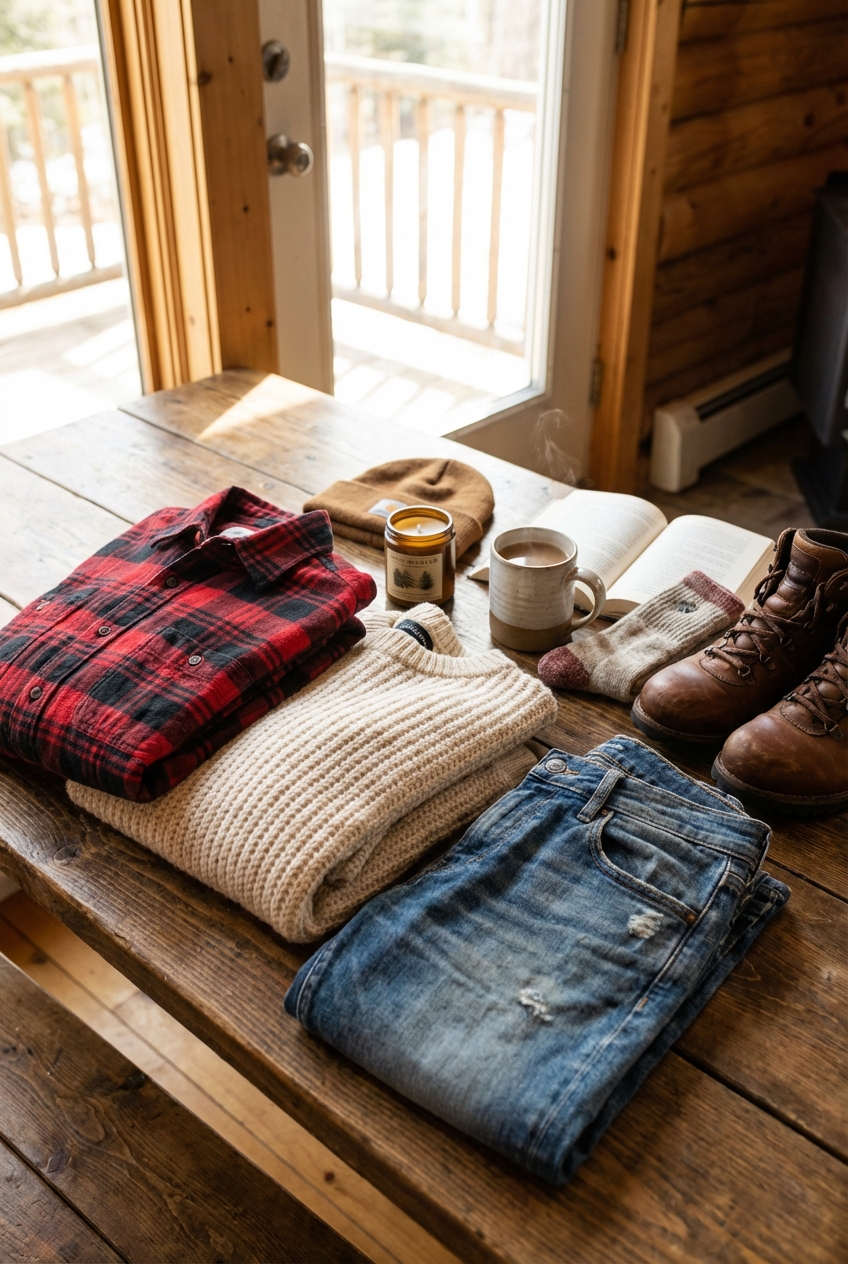
Relaxed Cabin Retreat Looks With Flannel Layers
Introduction
As the temperatures drop, my wardrobe inevitably shifts from structured linen and silk to the forgiving, tactile embrace of cashmere and heavy wool. We should treat our interiors with the same sartorial philosophy. Just as a perfectly worn-in flannel shirt feels like home, incorporating flannel layers into your living space creates an immediate sense of relaxed luxury and retreat.
This aesthetic isn’t about turning your home into a kitschy theme park or a dark lodge. It is about texture, warmth, and the sophisticated layering of materials that invite you to slow down. I approach styling a room exactly how I approach styling a runway look: you need a strong foundation, contrasting textures, and the right accessories to ground the visual weight.
In this guide, I will walk you through how to achieve that high-end, cozy cabin aesthetic using flannel as our primary texture. We will cover everything from mixing plaid scales to choosing the right lighting temperature to complement the fabric. If you are looking for visual inspiration to guide your shopping, be sure to check out the curated Picture Gallery at the end of the blog post.
Understanding the Fabric: Why Flannel Quality Matters
In fashion, we know that not all fabrics are created equal, and the same applies to home textiles. True flannel is not defined by a plaid print, but by the process of “napping,” where the fiber is brushed to create a soft, fuzzy texture that traps heat.
When sourcing flannel for a high-end look, prioritize 100% cotton or high-grade wool blends. Avoid synthetic polyesters that mimic the look but fail to provide breathability. Synthetics will trap sweat and eventually pill, ruining the luxurious aesthetic we are aiming for.
Designer’s Note: The Weight Test
When selecting flannel throws or upholstery, pay attention to GSM (grams per square meter). A high-quality winter flannel should feel substantial in your hand, ideally around 170 GSM or higher for sheets and significantly heavier for throws. If you can see light through the weave when holding it up to a window, put it back. It will not drape correctly on your furniture.
Mastering the Art of Pattern Mixing
The most common mistake people make when introducing flannel is overdosing on matching plaids. This makes a room look chaotic and dated. To achieve a designer look, you must treat plaid like a statement piece of jewelry—used intentionally and balanced with neutrals.
Rules of Thumb for Scaling Patterns
- The 60/30/10 Rule: If you use a bold buffalo check (large scale), that should be your 10-percent accent. Balance it with a 30-percent medium scale pattern (like a herringbone or houndstooth) and 60-percent solid textures.
- Vary the Scale: Never place two plaid patterns of the same size next to each other. If your rug has a large geometric pattern, your flannel throw pillows should feature a tight, small-scale check or a solid color.
- Ground with Solids: Flannel has a lot of visual “noise.” You need solid breaks to let the eye rest. A leather armchair or a solid velvet sofa is the perfect canvas for a busy flannel throw.
Common Mistakes + Fixes
Mistake: Buying a matching “bed in a bag” set where the comforter, shams, and sheets are all the same plaid.
Fix: Break up the set immediately. Keep the sheets, but swap the duvet for a solid linen or heavy cotton in a complementary tone like charcoal, navy, or forest green.
Layering Textiles in the Living Room
Creating a cabin retreat vibe relies heavily on how you drape and position your textiles. We want the room to look “lived-in” but curated. This is the difference between a messy room and a stylized one.
The Sofa Equation
For a standard 84-inch to 96-inch sofa, you need to create depth. Start with your base pillows in the corners. I recommend using 22-inch or 24-inch square inserts.
Layer a smaller, flannel accent pillow in front. A 20-inch square or a lumbar pillow (14×20 inches) works best here. This staggering of sizes creates a professional, dimensional look.
What I’d Do in a Real Project
- Anchor with Leather: I love placing a heavy tartan wool throw over the back of a cognac leather club chair. The friction between the matte wool and the sleek leather is visually exciting.
- Rug Sizing: Ensure your rug is large enough. For a cozy cabin feel, you want the rug to extend at least 12 to 18 inches beyond the front legs of your furniture. If you have a smaller vintage rug you love, layer it on top of a larger natural sisal or jute rug.
- The Drape: Do not fold your throw blanket into a perfect square on the arm of the couch. Pinch the throw in the center and drag it casually over the corner of the sofa or the foot of a chaise. It should look effortless.
The Bedroom: Creating a Cocoon
The bedroom is where flannel truly shines. However, temperature regulation is key. Flannel sheets are incredibly warm, so your duvet and blanket layers need to be adjustable.
Bedding Layering Logic
Start with high-quality Portuguese cotton flannel sheets. These are widely considered the gold standard for softness and durability.
Top this with a duvet cover in a breathable material like washed linen or percale cotton. The textural contrast between the fuzzy flannel sheet and the crisp linen duvet is very chic.
Fold a heavy wool or flannel blanket at the foot of the bed. This “foot warmer” styling serves a functional purpose but also adds visual weight to the end of the bed, balancing the headboard.
Sizing Guide for Overhang
A luxurious bed looks full and generous. Your duvet or quilt should hang down the sides of the bed sufficiently to cover the mattress and box spring.
- Full/Queen Bed: Look for a duvet that is at least 90 to 92 inches wide.
- King Bed: Aim for a width of 106 to 108 inches. Standard King duvets are often too narrow, exposing the sheets on the side.
Lighting the Mood
You cannot achieve a cozy cabin atmosphere with cool, clinical lighting. The way light hits the nap of flannel fabric changes the entire feel of the room. Harsh blue light flattens the texture, while warm light enhances the cozy depth.
The Kelvin Scale Rule
Go to the hardware store and look specifically for bulbs labeled 2700K (Soft White). This serves as the sweet spot for residential intimacy. Anything higher (3000K-5000K) will look too much like an office and will strip the warmth out of your wood and fabric tones.
Layering Light Sources
Never rely on a single overhead fixture (“the big light”). You need three distinct layers of light:
- Ambient: Dimmable recessed lights or a central chandelier on a dimmer switch.
- Task: A reading lamp by the armchair or bedside. Metal finishes like antique brass or matte black pair beautifully with flannel.
- Accent: Small table lamps with fabric shades. A linen or parchment shade diffuses light softly, casting a warm glow that makes flannel patterns pop.
Hard Materials and Rustic Accents
To prevent your home from feeling too soft or “sleepy,” you must introduce hard, rustic elements. In fashion, we wear leather boots with a floral dress to ground the look. In interiors, we use wood, stone, and metal to ground the soft flannel.
Wood Tones
Cabin style embraces imperfections. Look for reclaimed wood coffee tables or side tables with a raw, matte finish. Avoid high-gloss lacquers, which feel too modern and cold for this aesthetic.
If you are renting and cannot change the flooring, add wood warmth through accessories. A large wooden dough bowl on the coffee table or a stack of birch logs in a basket (even if you don’t have a fireplace) adds necessary organic texture.
Stone and Metal
Incorporate slate or soapstone elements. Stone coasters, a slate cheese board on display, or a ceramic vase with a rough, stone-like glaze add weight.
For metals, stick to “living finishes” like unlacquered brass, oil-rubbed bronze, or iron. These metals patina over time, adding to the sense of history and heritage that flannel implies.
Finish & Styling Checklist
Before you consider the room complete, run through this quick styling audit to ensure the space feels cohesive and high-end.
- Texture Check: Do you have at least three different textures (e.g., flannel, leather, wood)?
- Pattern Balance: Is there a solid color resting place for the eye?
- Lighting Temperature: Are all bulbs 2700K?
- Curtain Height: Is the curtain rod mounted 4-6 inches above the window frame to maximize height?
- Pillow Plumpness: Are your pillow inserts 2 inches larger than the covers for a full, luxurious look?
- Organic Element: Have you added something green? A simple branch in a vase or a potted fern brings life to the heavier winter textures.
FAQs
Can I use flannel year-round?
Typically, flannel is a seasonal fabric best used from late autumn through early spring. However, a lightweight cotton flannel throw in a neutral cream or gray can work on cool summer nights. If you live in a climate with cold evenings, you can keep the texture but lighten the color palette.
How do I mix flannel with velvet?
This is a beautiful combination. The sheen of velvet contrasts perfectly with the matte finish of flannel. Try a velvet sofa with flannel throw pillows. Ensure the colors share the same undertone (e.g., a warm olive velvet with a cream and brown plaid flannel).
What is the best way to wash flannel bedding to prevent pilling?
Always wash flannel in cool or warm water, never hot. Use a gentle cycle and skip the fabric softener, which can actually coat the fibers and reduce softness over time. Tumble dry on low and remove while slightly damp to avoid setting wrinkles.
How do I make a rental apartment feel like a cabin?
Focus on what you can control: lighting, textiles, and rugs. Swap out cool lightbulbs for warm ones. Cover generic flooring with a large jute rug layered with a smaller vintage-style rug. Use removable wallpaper in a faux shiplap or grasscloth texture on one accent wall to add architectural interest without construction.
Conclusion
Designing a space with flannel layers is about capturing a feeling of safety, warmth, and heritage. It is the architectural equivalent of a warm hug. By respecting the rules of scale, prioritizing natural materials, and layering lighting correctly, you can transform any room into a sanctuary that feels miles away from the stress of the city.
Remember that true style, whether in fashion or interiors, comes from the mix. Don’t be afraid to pair a rugged plaid with a refined silk cushion or a beat-up leather chair. It is these juxtapositions that tell a story and make a house feel like a home.
Picture Gallery


