
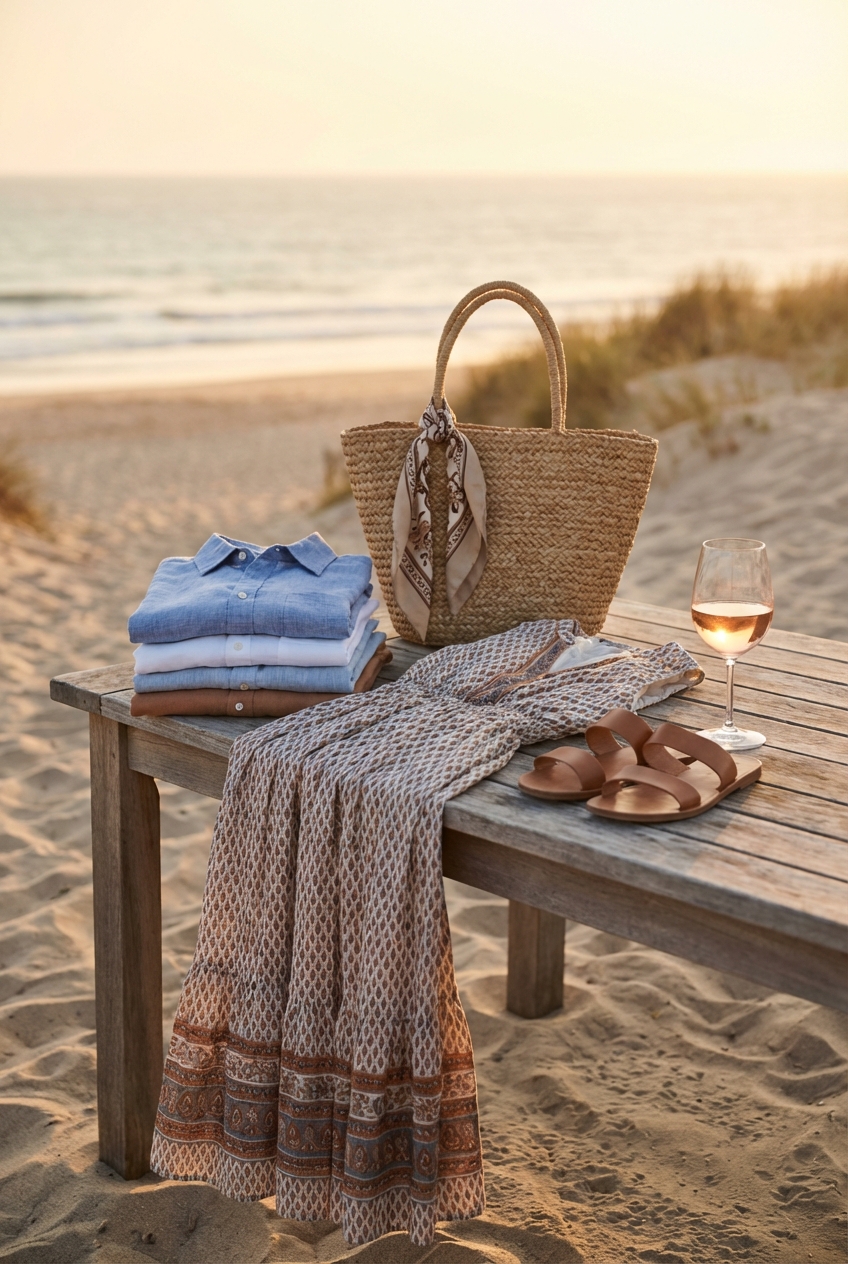
Relaxed Dinner By The Beach Looks With Lightweight Fabrics Breezy Elegance For Coastal Evenings
Introduction
There is a distinct, sensory magic to hosting a dinner party by the water. The way the light changes from a harsh golden hour to a soft, indigo twilight creates a natural backdrop that no interior paint color can replicate. However, curating a space that feels effortless and breezy requires the same meticulous attention to detail as constructing a high-fashion ensemble. You cannot simply throw a sheet over a table and hope for the best; the coastal environment is dynamic, and your design needs to work with the elements, not against them.
I remember my first attempt at a “casual” beach dinner for a client in Malibu. I focused entirely on the aesthetic—delicate glassware and loose, unanchored silk runners. Within twenty minutes, the coastal breeze had whipped the runner into the salad plates and the candles had blown out. It was a lesson in the marriage of form and function. True elegance is when the design holds up to the environment, allowing your guests to relax completely.
Today, we are treating your outdoor dining space with the same eye we use for high-end fashion styling. We are looking at layering textures, understanding the drape of fabrics, and ensuring the “bones” of the layout fit the space perfectly. If you are looking for visual inspiration to guide your setup, remember that the Picture Gallery is at the end of the blog post.
Defining the Zone: Grounding Your Outdoor Room
In interior design, we often say the floor dictates the flow. When moving a dinner party outside, particularly near a beach or on a windswept terrace, defining the “floor” is crucial for comfort. Without a grounded perimeter, furniture tends to “float” visually, making the gathering feel temporary rather than curated.
If you are dining on a deck or patio, a rug is non-negotiable for that high-end look. For outdoor dining, I prefer flat-weave polypropylene or solution-dyed acrylic rugs that mimic the look of natural sisal but can withstand moisture. The rule of thumb for sizing is identical to indoor dining: the rug must extend at least 24 to 30 inches beyond the edge of the table on all sides. This ensures that when a guest pulls their chair back to stand up, the back legs of the chair remain on the rug. If the legs catch on the edge of the rug, it disrupts the experience and can cause spills.
Designer’s Note: If you are dining directly on the sand, skip the rug. It becomes a tripping hazard and traps sand awkwardly. Instead, use substantial teak or heavier wicker furniture to visually weight the area. Create a perimeter using large, weighted lanterns or potted dune grasses placed in a square formation around the table to psychologically define the “room” without needing a floor covering.
The Architecture of the Table: Furniture Selection
The centerpiece of the evening is the table itself. For a relaxed coastal look that still reads as luxury, material selection is paramount. Teak is the gold standard because it silvers beautifully over time, mimicking the driftwood tones of the beach. However, concrete tables are having a major moment in high-end design. They provide excellent stability against wind and offer a sleek, matte contrast to soft fabrics.
When selecting chairs, prioritize weight and airflow. Lightweight aluminum chairs might look modern, but a strong coastal gust can knock them over. I recommend solid teak frames with rope detailing or heavy-gauge woven resin. These materials allow air to pass through the back of the chair (keeping guests cool) while maintaining enough heft to stay put.
Common Mistakes + Fixes:
- Mistake: Using indoor dining chairs outside.
- Fix: Even if it is just for one night, indoor velvet or untreated wood frames can suffer from the humidity and salt air. If you must use indoor chairs, choose acrylic “ghost” chairs or metal bistro chairs that can be easily wiped down and won’t absorb moisture.
Scale Rule: Ensure you have adequate elbow room. For a relaxed dinner, you want 24 to 30 inches of table width per guest. If you squeeze people in too tightly (under 24 inches), the “breezy” atmosphere vanishes and is replaced by a cramped, cafeteria feel.
The “Outfit”: Layering Lightweight Fabrics
This is where the “fashion” perspective truly comes into play. Just as a chiffon gown moves beautifully because of its cut and weight, your table linens must be chosen for how they interact with the breeze. We want movement—a slight flutter is romantic—but we do not want chaos.
Belgian linen is my top choice for coastal evenings. It has a natural, tactile slub that feels expensive, and it becomes softer with every wash. For the tablecloth, look for a heavier weight linen (around 160-190 gsm). This provides a solid drape that resists billowing. For napkins and runners, you can go lighter with a cotton voile or a gauze blend.
The Drop: In formal indoor dining, we often barely skim the floor. For a beach setting, a “puddle” effect can be stunning but impractical if it gets sandy or wet. I recommend a generous drop of 15 inches. This is longer than a standard casual drop (10 inches) and adds luxury, but it keeps the fabric clear of shoes and deck debris.
Designer’s Secret: To achieve that windswept look without the mess, I use “invisible” anchoring. I sew small drapery weights into the hem of the tablecloth corners. You can buy these at any fabric store. They pull the fabric down, creating clean, vertical lines even in a breeze. For napkins, never leave them folded loosely on a plate. Use heavy stone, wood, or brass napkin rings, or knot the napkin intentionally.
Lighting the Scene: Ambiance and Kelvin Temperature
Lighting is the jewelry of the room. It sets the mood and dictates how the textures are perceived. The biggest error I see in DIY outdoor dinners is the reliance on harsh floodlights or insufficient darkness.
The Kelvin Rule: When selecting bulbs for string lights or portable lamps, always check the Kelvin (K) rating. You want 2700K. This is “warm white.” Anything higher (3000K-5000K) will look blue and clinical, washing out the warmth of the wood and the food. 2200K is “candlelight” warmth, which is beautiful for accent lamps but perhaps too dim for the main food service.
Layer your lighting at three levels:
- Overhead: String lights (bistro lights) draped in a zigzag pattern at least 8 feet above the ground. This provides general ambient light.
- Table Level: Cordless, rechargeable LED table lamps are a game-changer for designers. Brands make stunning, heavy-based options that look like indoor lamps but are rated for outdoors. Place two or three down the center of the table.
- Floor Level: Large hurricanes with real wax candles or high-quality LED pillars placed at the corners of the dining zone. This expands the visual space so guests don’t feel like they are dining in a black void.
Safety Note: If using real candles on the table, the glass cylinder (hurricane) must be at least 3 inches taller than the wick. This prevents the wind from blowing the flame sideways into your floral arrangements or guests’ sleeves.
Curating the Tabletop: Ceramics and Glassware
For a breezy coastal dinner, avoid fine bone china. It feels too fragile and formal for the setting. Instead, lean into stoneware with organic, imperfect glazes. Matte finishes in shades of sand, seafoam, or charcoal look incredible against white linen. The weight of stoneware also helps keep place settings secure.
Glassware should be heavy and low-center-of-gravity. Stemless wine glasses are practical, but if you prefer a stem, choose a short-stemmed goblet or a heavy-bottomed Spanish wine glass. These are much harder to tip over.
Texture Play: Mix your materials. If you have a wood table and linen cloth, introduce rattan or seagrass chargers. This adds a “crunchy” texture that contrasts beautifully with the smooth ceramics. It creates a layered, collected look rather than a flat, matchy-matchy set.
What I’d Do in a Real Project:
- Base: Rattan placemat (round).
- Dish: Speckled stoneware dinner plate in a matte cream finish.
- Top: knotted linen napkin in a faded indigo dye.
- Glass: Recycled glass tumblers with a slight green tint (very durable and hides fingerprints).
Floral and Centerpiece Strategy
The wind is the enemy of tall floral arrangements. A tall vase acts like a sail. For coastal dining, low and sprawling is the only way to go. I prefer using low, wide vessels—think dough bowls or shallow cement planters.
Fill these with florals that can handle salt air and dehydration. Succulents, protea, eucalyptus, and dried palm leaves are excellent choices. They hold their shape in the wind and won’t wilt if the evening is humid.
The 14-Inch Rule: Keep all centerpieces below 14 inches in height. This allows guests to see each other across the table without craning their necks. If you want drama, hang a lantern or floral installation from the tree or pergola above, but keep the table surface clear for conversation.
Designer’s Note: Incorporate elements from the immediate environment. I often use smooth river stones or large pieces of driftwood down the center of the table as a runner. It’s free, it’s wind-proof, and it looks sculptural and modern.
Finish & Styling Checklist
Before your guests arrive, run through this quick checklist to ensure the space is functional and stylish.
- The Shake Test: Gently shake the table. Does it wobble? If you are on a deck, use shims to level it. Nothing ruins a premium feel faster than spilling wine due to a wobbly table.
- The Fabric Check: Are the tablecloth corners weighted or secured? Is the overhang even on all sides?
- Lighting Temperature: Turn on the lights before sunset to ensure all bulbs are working and are the same color temperature (2700K).
- Pest Control: This is unglamorous but necessary. Have a sleek, quiet fan running nearby to keep air moving (mosquitoes can’t fly in a breeze). Place citronella coils in stylish ceramic holders, not the ugly buckets they are sold in.
- Circulation Paths: Walk around the entire table. Do you have at least 36 inches of clearance behind every chair? Servers or guests need to pass without asking someone to scoot in.
- The Warmth Factor: Even in summer, coastal evenings get chilly. Roll up lightweight cashmere or cotton throws and place them in a basket near the table.
FAQs
Q: Can I use indoor pillows outside for the dinner?
A: Yes, but bring them in immediately after. If you are using indoor down-filled pillows, humidity can make them smell musty quickly. I recommend using outdoor-rated inserts with covers made from solution-dyed acrylic (like Sunbrella) that feels like soft chenille or linen.
Q: How do I keep the tablecloth from blowing up into the food?
A: Aside from sewing in weights, you can use decorative tablecloth clips (though these can look a bit commercial). A better trick is to place your heavy serving platters and wine coolers strategically at the corners and center of the table to act as functional anchors.
Q: What is the best rug material for a discovered patio?
A: Polypropylene. It is essentially plastic but spun to look like wool or sisal. You can hose it off, it doesn’t mold, and it won’t fade in the sun. Jute looks great but rots quickly if it gets wet and stays wet.
Q: My rental space has ugly plastic chairs. How do I hide them?
A: Slipcovers are your best friend here. Loose, linen slipcovers that tie at the back can instantly transform a cheap plastic chair into a high-end “shabby chic” seat. Ensure the fabric is opaque enough to hide the chair color underneath.
Conclusion
Creating a relaxed dinner look by the beach is an exercise in balancing the raw beauty of nature with the refined comfort of home. It is about respecting the elements—the wind, the salt, the light—and choosing materials that not only withstand them but are enhanced by them.
By focusing on the weight of your furniture, the drape of your linens, and the warmth of your lighting, you create an environment that feels curated yet completely approachable. The goal is for your guests to feel enveloped in luxury, without ever worrying about knocking over a glass or shivering in the breeze. That is the true definition of breezy elegance.
Picture Gallery


