
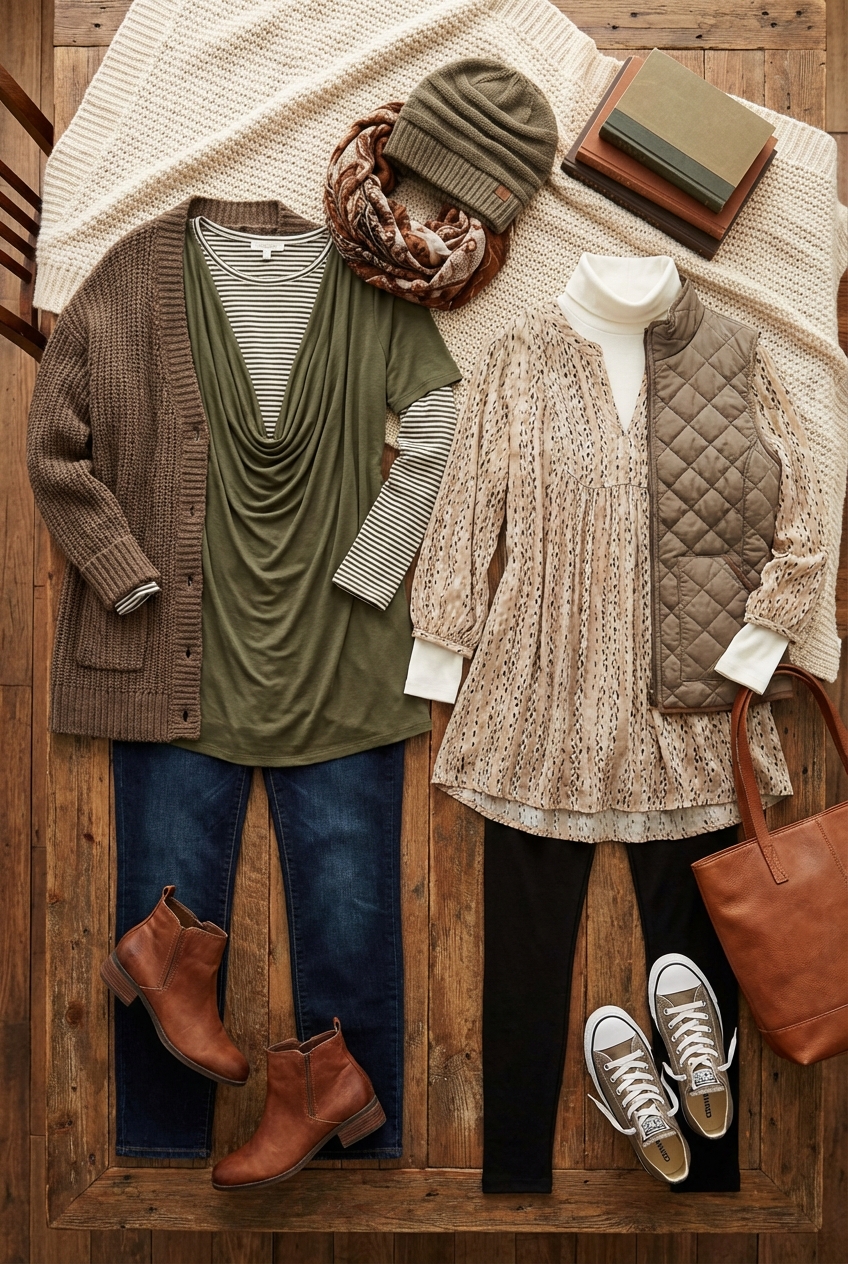
Relaxed Tunic Tops For Layered Outfits
Introduction
In the world of high-end styling, the tunic is often misunderstood. Many view it strictly as resort wear or a comfort piece for days when tailoring feels too restrictive. However, when styled with intention, a relaxed tunic is one of the most architectural and sophisticated tools in a wardrobe.
The secret lies in the layering. A tunic offers a unique elongation of the torso, creating a column-like effect that can be incredibly slimming and chic. It serves as a canvas for textures, allowing us to play with the interplay between knits, silks, and leathers.
The difference between a look that reads “refined luxury” and one that looks “frumpy” is entirely in the proportions. If you are looking for visual inspiration, we have curated a stunning Picture Gallery at the end of the blog post.
Understanding Proportions and Hemlines
The first rule of styling a relaxed tunic is respecting the “Rule of Thirds.” In fashion, distinct ratios are more pleasing to the eye than cutting the body in half. A tunic that hits exactly at the widest part of your hips creates a horizontal line that widens the figure.
For the most flattering silhouette, the hem should fall either just below the hip bone or roughly three inches above the knee. If you are petite (under 5’4″), a tunic that ends mid-thigh lengthens the leg line. For taller frames, a knee-grazing length creates drama and flow without overwhelming your height.
Side slits are a non-negotiable architectural detail for longer tunics. A deep side slit allows for movement and provides a peek at the leg line, which breaks up the visual heaviness of the fabric. This is critical when layering over trousers, as it grants access to pockets and maintains a functional, lived-in elegance.
Designer’s Note: The Volume Equation
A frequent issue I see in client wardrobes is the pairing of volume with volume. If your tunic is relaxed and oversized, your bottom half must be streamlined.
The Mistake: Wearing a wide, A-line tunic over wide-leg palazzo pants.
The Result: The body shape is lost completely, creating a blocky, rectangular silhouette.
The Fix: Pair voluminous tops with fitted bottoms like cigarette pants, straight-leg denim, or structured leggings to re-establish the human form.
Fabric Weight and Texture Pairing
Successful layering is a game of physics and friction. You cannot layer comfortably if your base fabrics fight against each other. When selecting a tunic for a layered outfit, the “hand” or weight of the fabric is the primary consideration.
Silk crepe de chine and lightweight merino wool are the gold standards for layering. These natural fibers regulate temperature and drape against the body without adding bulk. Avoid stiff cotton poplins for layering under sweaters, as they tend to bunch up and create awkward ridges.
When layering a knit tunic over a shirt or dress, ensure the outer layer is heavier than the inner layer. A chunky cashmere tunic looks luxurious over a silk slip skirt because the weight of the wool anchors the lightness of the silk. This contrast—matte wool against shiny silk—is what makes an outfit look expensive.
Fabric Compatibility Checklist
Cashmere Tunic + Leather Leggings: The soft fuzz of cashmere softens the harsh edge of leather.
Linen Tunic + Denim: A classic textural match; the roughness of linen complements the weave of denim.
Silk Tunic + Wool Trousers: High contrast between the sheen of the top and the matte finish of the pant.
The Bottom Layer: Anchoring the Look
The pants or skirt you choose will dictate the formality of the outfit. For a relaxed, off-duty look, a high-quality Ponté knit legging is a staple. Unlike athletic leggings, Ponté offers structure and thickness, acting more like a trouser while providing the slim silhouette needed to balance a loose top.
For a professional setting, swap the leggings for a slim-cut trouser. The hem of the trouser should hit right at the ankle bone. This slice of skin (or a fitted sock boot) is crucial. It shows the narrowest part of the leg, which helps to visually slim the entire frame despite the volume of the tunic.
If you are feeling adventurous, layering a tunic over a midi skirt is a very high-fashion move. This requires a specific silhouette: the skirt must be straight or bias-cut, not full. The tunic creates a long torso, and the skirt extends that line further. This “long-over-long” look works best monochromatically.
The Third Piece: Jackets and Coats
Adding outerwear to a tunic outfit can be tricky due to the length discrepancies. The most common error is wearing a jacket that is just an inch or two shorter than the tunic. This creates a messy, unintentional stair-step effect at the hem.
Option A: The Cropped Jacket.
A leather moto jacket or a cropped blazer that hits at the natural waist is excellent. It creates a waistline where there isn’t one and allows the full flow of the tunic to be seen beneath it. This plays with the rule of thirds again, giving you a 1:2 ratio (short jacket, long tunic).
Option B: The Duster Coat.
Go longer. A trench coat or wool duster that is longer than the tunic encapsulates the entire look. This is the cleanest, most streamlined option for city living. It creates a smooth vertical line from shoulder to calf.
Common Mistakes + Fixes
Mistake: Wearing a cardigan that is the exact same length as the tunic.
Why it fails: It adds bulk at the hips and often clings, creating a static electricity battle.
* The Fix: Choose a cardigan that is significantly longer (mid-calf) or a structured blazer that provides a hard contrast to the soft tunic.
Defining the Waist (To Belt or Not to Belt)
Relaxed tunics are designed to hang loosely, but sometimes the occasion calls for shape. Belting is the easiest way to transition a tunic from day to night. However, the type of belt matters immensely.
Avoid wide, elasticized belts, which can look dated. Instead, opt for a thin leather belt or a chain belt. Do not cinch it tightly. The goal is to “suggest” a waist, not to create an hourglass figure by force.
Use the “blouse trick.” Belt the tunic at your natural waist, then gently pull the fabric up and over the belt until the belt is hidden or barely visible. This shortens the tunic slightly and creates a beautiful, blouson effect that looks tailored rather than constricted.
Footwear Strategy
Because a tunic lengthens the torso, your legs can appear shorter if the footwear is incorrect. The goal is to extend the leg line as much as possible.
If you are wearing slim trousers or leggings, a pointed-toe shoe is your best friend. Whether it is a flat, a pump, or a boot, the pointed toe continues the vertical line. Round-toe shoes or heavy combat boots can abruptly stop the eye, making the look feel bottom-heavy.
In colder months, a knee-high boot worn under the pants (if they are wide enough) or over leggings creates a seamless transition. Try to match the boot color to the pant color. Black leggings with black boots create an infinite leg line that allows you to get away with a longer, more voluminous tunic.
Styling for Different Body Types
For Curvy Figures:
Look for tunics with a V-neckline. This opens up the chest and draws the eye vertical, balancing the volume of the fabric. Avoid high crew necks or turtlenecks, which can make a large bust look shelf-like in a loose garment. Ensure the fabric has drape (like rayon or silk) rather than stiffness.
For Petite Figures:
Scale is everything. A “relaxed” fit on a model can look like a tent on a petite frame. Purchase tunics specifically from petite ranges where the armholes and shoulders are scaled down. Monochromatic dressing (wearing the same color on top and bottom) creates an unbroken vertical line that adds inches to your perceived height.
For Tall Figures:
You can handle more drama. asymmetrical hemlines, bold prints, and heavier fabrics like chunky cable knits work well for you. You can also successfully pull off the “tunic over wide-leg trousers” look that overwhelms shorter frames.
Finish & Styling Checklist: What I’d Do in a Real Project
When I am styling a client for a lookbook or a wardrobe refresh, I follow a specific order of operations to ensure the outfit works functionally and visually. Here is my mental checklist for a tunic ensemble:
1. Select the Hero Piece: Choose the tunic first. Is it patterned or solid? textured or smooth?
2. Establish the Base: If the tunic is solid, I can do a textured pant (leather/coated denim). If the tunic is patterned, the pant must be solid and matte.
3. Check the Hemline: I have the client stand straight. Does the tunic cut across the widest part of the calf or thigh? If so, we hem it or belt it to change the line.
4. Add the Third Piece: I test a cropped jacket versus a long coat. I check range of motion—can they lift their arms without the whole outfit shifting?
5. The Sit Test: Relaxed tunics can balloon when you sit down. I ensure there is enough side-slit clearance so the fabric drapes between the legs or to the side, rather than bunching on the lap.
6. Accessorize Vertically: I add a long pendant necklace to reinforce the vertical line of the tunic.
7. Shoe Selection: We try on three pairs. Usually, the one that shows the most ankle or has the sharpest toe wins.
FAQs
Can I wear a tunic to a corporate office?
Yes, but fabric choice is key. Avoid jersey cottons that look like loungewear. Opt for structured fabrics like crisp poplin, silk, or lightweight wool. Pair it with a tailored cigarette pant and a heel. A belted blazer over the tunic instantly professionalizes the look.
How do I stop my layers from clinging with static?
This is a common issue in winter styling. The friction between tights, leggings, and tunics creates static. I recommend spraying the inside of the tunic with an anti-static spray. Alternatively, applying a light moisturizer to your legs before getting dressed can reduce the charge. A silk slip worn between the layers also acts as a buffer.
Are tunics still in style this year?
Absolutely. Fashion has moved toward “quiet luxury” and modest dressing, both of which favor the tunic silhouette. The modern tunic is less about boho-chic prints and more about clean lines, neutral colors, and high-quality natural fibers. It is a staple of the minimalist wardrobe.
What is the best bag to carry with a tunic?
Since a tunic has a lot of fabric and movement, avoid cross-body bags that strap across your chest and ruin the line of the top. A structured tote, a top-handle bag, or a clutch works best. These options maintain the architectural integrity of your outfit.
Conclusion
Embracing the relaxed tunic is about embracing a sophisticated, confident form of comfort. It allows for a playfulness in styling that rigid tailoring does not permit. By focusing on proportion, fabric quality, and the strategic layering of textures, you can transform this simple garment into a headline piece of your wardrobe.
Remember that the goal is balance. If the top flows, the bottom should anchor. If the outfit is monochromatic, the textures should vary. With these rules in mind, the tunic becomes a seasonless essential capable of taking you from a casual brunch to an art gallery opening with effortless grace.
Picture Gallery


