Winter Outfits by Body Type: Coats, Layers and Fit
- Words by
- Julio Arco
- Published
- Reading
- 5 min
The quickest way to dress your shape in winter is to decide where you want the eye to land, then choose the coat length, waist treatment and layer thickness that point it there. Warmth comes first, and the same pieces can do both jobs.
Below is a short winter style guide for body types: what each shape usually needs, how to choose a coat, and how to layer without adding bulk where you don't want it. The retro touches (corduroy, tweed, a belted wool coat, a mustard knit) work on every shape once the proportions are right.
What are the main body types, and what do they need in winter?
Body shapes are loose categories, not rules. Most people sit between two of them, so treat the notes below as starting points and keep what looks good on you.
- Hourglass: shoulders and hips are similar, with a defined waist. Belted and fitted pieces follow that line.
- Pear: hips are wider than shoulders. Interest and volume near the shoulders and neckline balance the hips.
- Apple: the midsection is fuller, often with slimmer legs. Long, open lines and softer fabrics skim the torso.
- Rectangle: shoulders, waist and hips are close in width. Structure, belts and volume create shape.
- Inverted triangle: shoulders are broader than hips. Fuller skirts and wide-leg pants add width below.
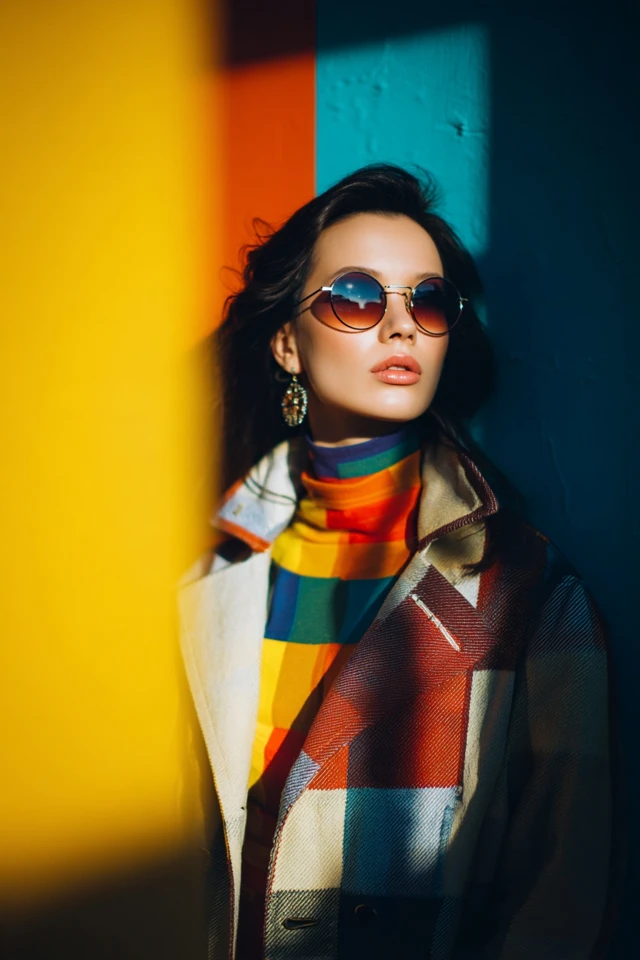
How to choose a winter coat for your body type
The coat is the largest shape in your outfit for months, so it sets the proportion. Check the shoulder seam first: it should sit where your shoulder ends. A coat that pulls across the back is a fit problem, not a you problem. Size up and tailor the waist if needed.
- Hourglass: a belted wrap or a coat with a nipped waist. Straight boxy coats hide your waist.
- Pear: a coat that ends at mid-thigh or below, with a structured shoulder, a collar or a bold scarf. Avoid coats that stop right at the widest part of your hips.
- Apple: a long, single-breasted or open coat in a fabric with some drape. A vertical line of buttons or an open front elongates the torso.
- Rectangle: a double-breasted, belted or flared coat adds curves. Cinch it at the waist.
- Inverted triangle: softer shoulders (raglan or dropped) and an A-line or flared hem. Skip heavy shoulder padding and wide fur collars.
Through the lens of evidence-based design, I'd look at texture before color here. A brushed wool and a smooth wool in the same camel do not read as the same coat, because the surface changes how light reaches the eye, and a heavy, fuzzy texture adds visual volume wherever it sits.
Winter outfits for rectangle and straight body shapes
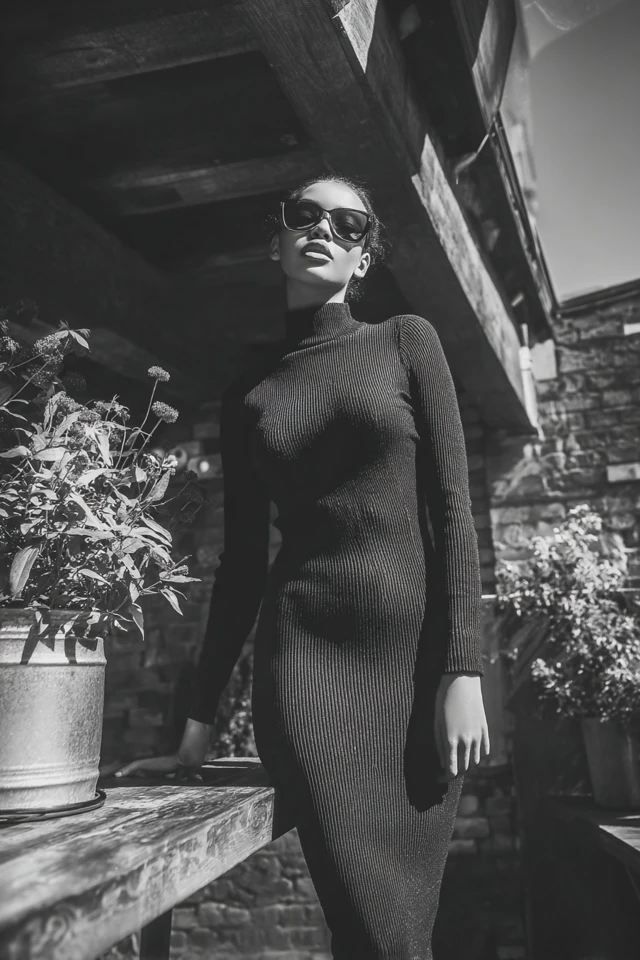
If you're searching for winter outfits for a rectangle body shape, the goal is to build a waist and a little curve. A belted coat over a fitted turtleneck does it in one step. High-waisted wool trousers with a tucked knit make the waist visible, and a pleated or A-line skirt adds hip volume.
Chunky knits can help or hurt. A thick cable sweater over a slim bottom adds dimension. Chunky on top and chunky on the bottom flattens the shape again, so keep one half lean.
Pants, skirts and boots by shape
- Hourglass: high-waisted trousers or a midi skirt that hugs the waist and flares slightly.
- Pear: straight or bootcut pants in a darker color, with a lighter or textured top to draw the eye up.
- Apple: a mid-to-high rise with a soft waistband and a straight or wide leg. Show off your legs with a knee-length skirt and tall boots.
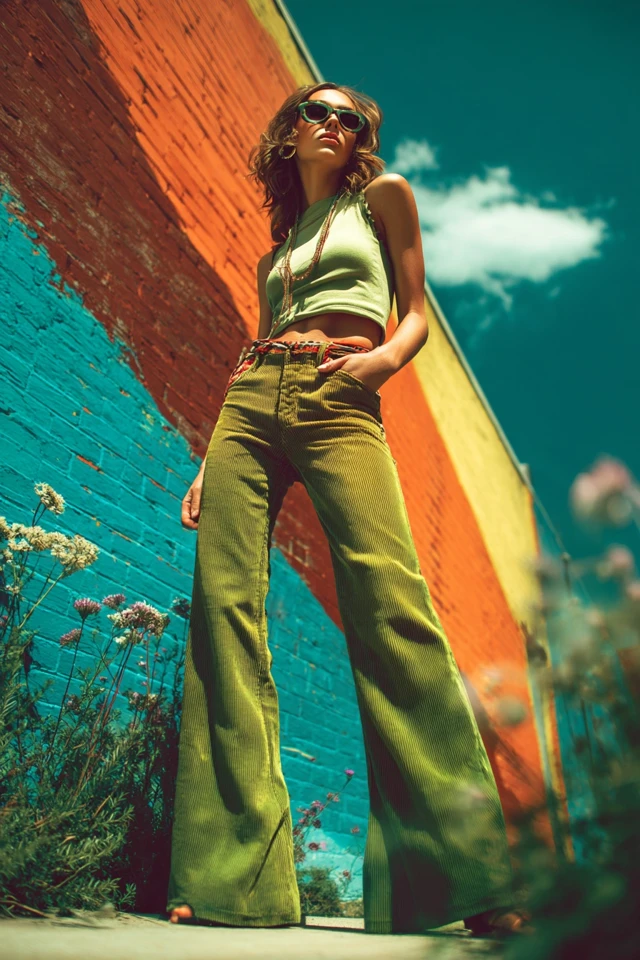
- Rectangle: pleats, corduroy flares or a tweed A-line skirt for added curve.
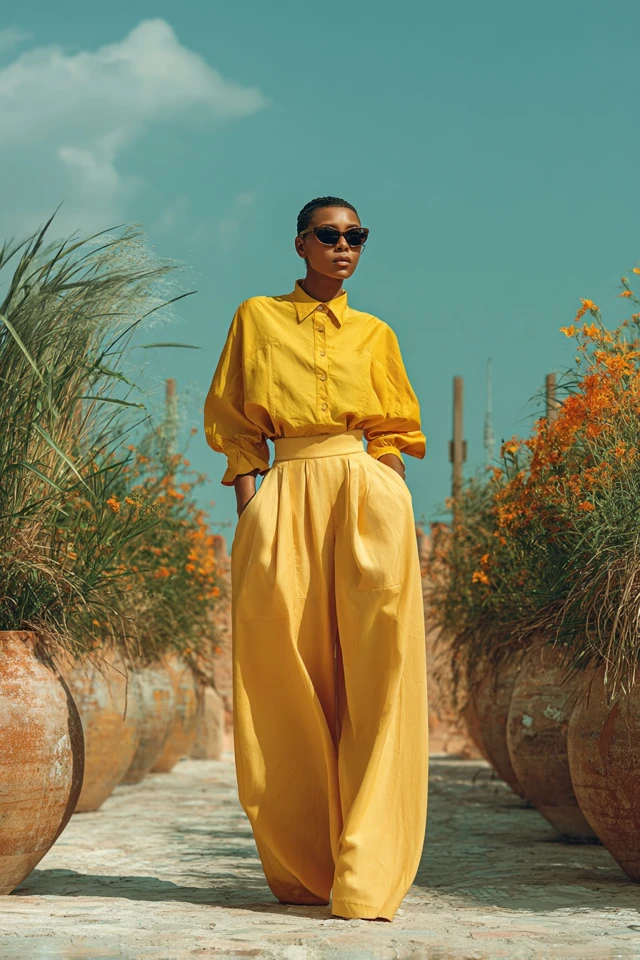
- Inverted triangle: wide-leg pants, flared corduroy and fuller skirts to match shoulder width.

What is the 3 layer rule for winter?
The layering rule most outdoor guides use has three jobs: a base layer, a middle layer and an outer shell. The National Park Service says "the most basic rule in dressing for winter is layering as it helps with 3 important outcomes: 1) Keeping moisture away from the skin 2) Creating insulation to help keep the body core warm 3) Protecting against the "elements" - wind, snow, rain, etc."
In outfit terms, that looks like this:
- Base: a thin, close-fitting layer. The University of Alaska Fairbanks notes that the most common materials for base layers are polypropylene, polyester or merino wool, and that cotton holds moisture against the skin.
- Middle: a sweater, fleece or cardigan for insulation.
- Outer: your coat, which should block wind and wet.
Keeping the base layer thin matters for shape too. A slim merino turtleneck adds warmth with almost no bulk, so your silhouette stays intact under the coat. If you'll be walking fast or climbing stairs, Texas A&M's Howdy Health advises a moisture-wicking layer closest to your skin.
Sweaters and turtlenecks: where to add volume
Think of layers as adjustable proportion. As an architect trained in evidence-based design, I'd treat the neckline as the first thing the eye reads, so it's the best place to make a choice.
- Pear and hourglass shapes: a cowl neck, boat neck or chunky scarf near the face.
- Apple shapes: a V-neck or open cardigan that makes a long vertical line.
- Inverted triangle: a fitted, simple neckline, with the interest saved for the lower half.
- Rectangle: a tucked-in knit with a belt over it.
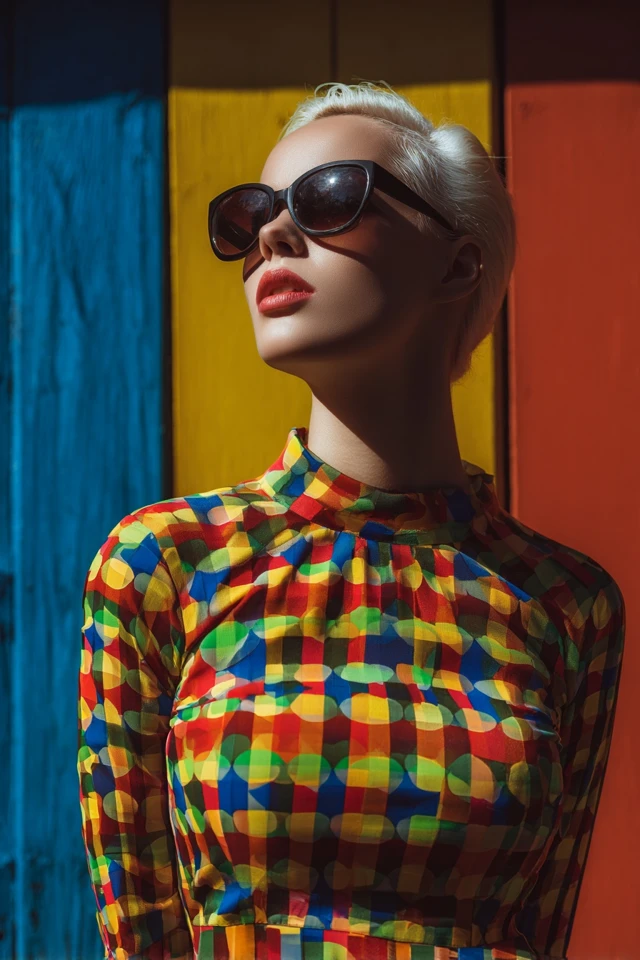
Fabrics and colors that flatter
Tweed, wool, velvet and corduroy each hold shape differently. Stiff fabrics like tweed and heavy wool add structure, which helps rectangle and inverted triangle shapes build curves. Softer, drapey knits and crepe follow the body, which suits apple and hourglass shapes.
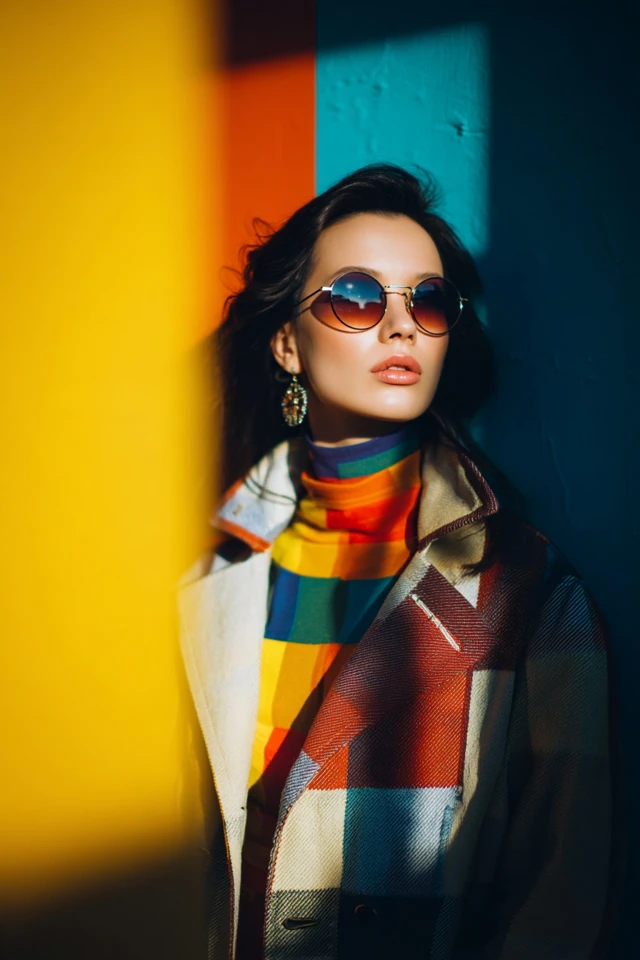
For color, the old trick still works: darker shades recede and brighter or lighter ones advance. Navy, forest green and burgundy on the area you want to play down, with mustard, cream or a vintage rust on the area you want to highlight. Note that the same sweater can read differently next to your skin than on the hanger, so try it in daylight.
Small details that keep you warm
Warm accessories don't have to ruin an outfit. The University of Alaska Fairbanks suggests that mittens are warmer than gloves, and a retro-style pair in a bold color looks right with a camel coat. For a cold commute, avoid cotton next to skin, because it absorbs moisture and can leave you cold.
For more retro and winter looks, see glamorous winter pieces and retro earth tones. If you're shopping thrift, retro gorpcore has practical outerwear ideas.
Frequently asked questions
What is the hardest body type to dress?
There isn't one. Any shape is harder to dress when clothes are cut for a different silhouette. Focus on fit at the shoulders and waist, and tailor the rest.
What is the 3 layer rule for winter?
Use a base layer to move moisture off the skin, a middle layer for insulation, and an outer layer against wind, snow and rain.
What is the 3-3-3 rule for outfits?
It usually means building an outfit from three tops, three bottoms and three pairs of shoes that all mix together. It's a capsule idea, so adapt the numbers to your climate.
Can I wear a puffer coat if I have a pear or apple shape?
Yes. Choose a longer cut with a cinched or tapered waist, and avoid large horizontal baffles at your widest point.
Filed under Outfit Ideas