Sculpted Claw Split Geometry Nails
- Words by
- Julio Arco
- Published
- Reading
- 5 min
The shapes people search for most are almond, coffin, stiletto, squoval and oval. The more unusual ones are edge, flare, arrowhead, lipstick and the sculpted claw with a split color design. Pick by what your hands do all day first, then by what looks good on your fingers.
Below are the shapes by name, what each one looks like, who it suits and what it asks of you in upkeep.
Which classic nail shapes are the easiest to wear?
Square, round, oval and squoval are the everyday shapes. They sit close to the natural nail outline, so they are the least likely to snag or break.
- Square has a straight free edge and sharp corners. It shows off color blocking and French tips cleanly, but the corners catch on sweaters.
- Round follows the fingertip. It is the sturdiest shape and works well for short nails.
- Oval is a softer, narrower round. It tends to make fingers read longer.
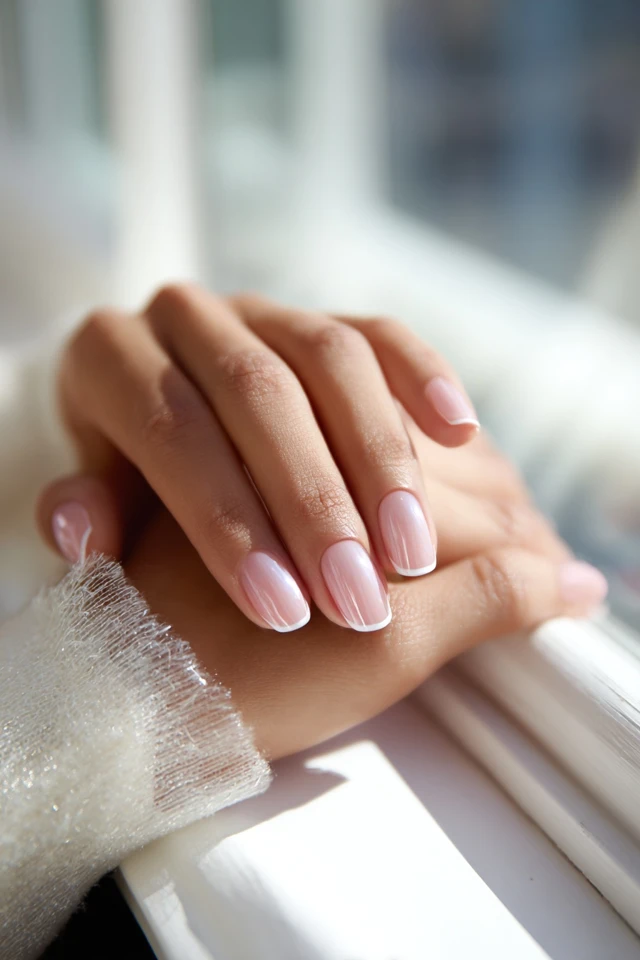
- Squoval is a square with softened corners. If you want one low-maintenance shape, this is the usual pick.
If someone asks me for the classiest nail shape, I point to oval or squoval in a sheer or neutral color. As an architect trained in evidence-based design, I'd say the eye reads a clean, continuous outline as calm, and these shapes give exactly that.
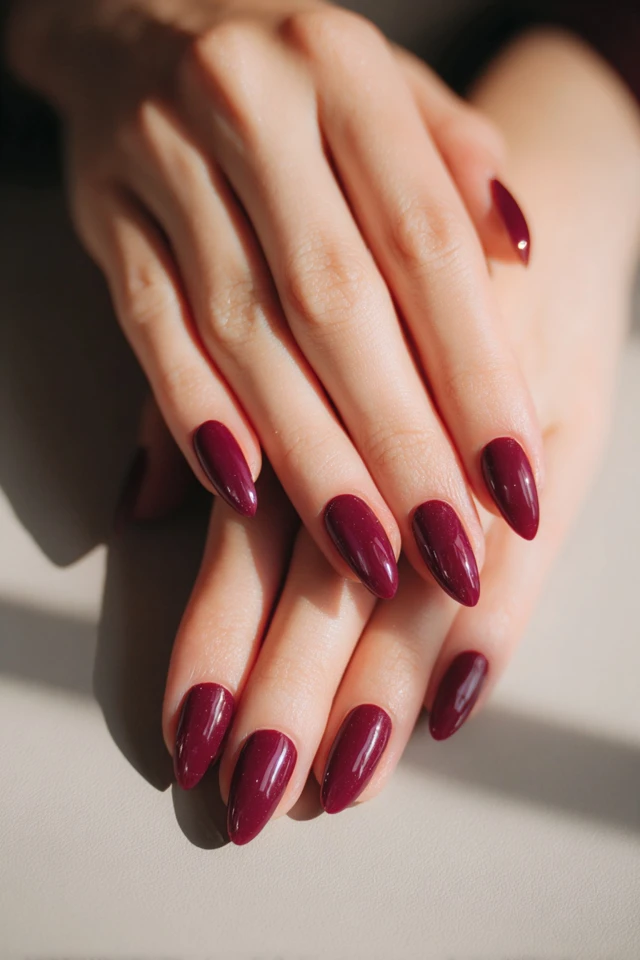
What are almond, stiletto and coffin nail shapes?
These are the dramatic length shapes. They need some free edge to work, so they usually mean extensions.
Almond
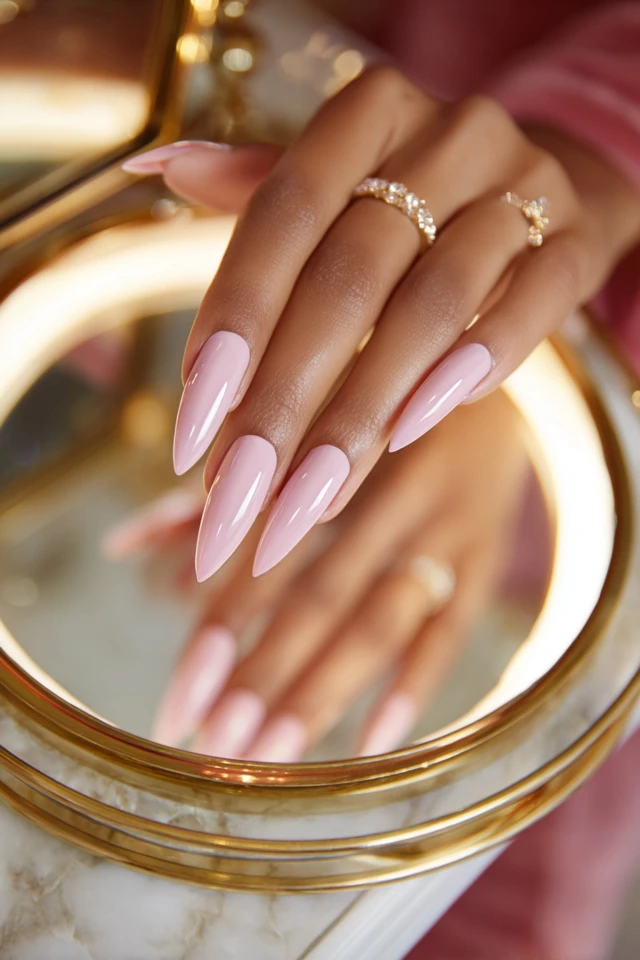
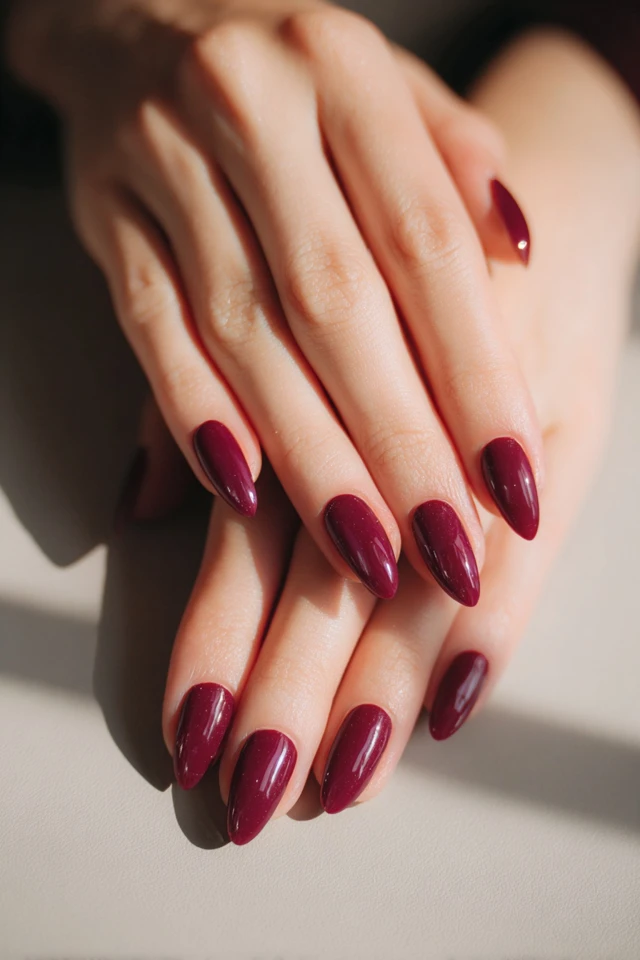
Almond nails taper from the sides to a softly rounded tip. Many people find it the most attractive nail shape because it lengthens the finger without looking severe. It is a good starting point if you want something beyond classic but not extreme.
Stiletto
Stiletto is almond taken to a point. It is sharper and more fragile, since the tip is thin. Keep it a moderate length if you type or lift things a lot.
Coffin and ballerina
Coffin nail shapes taper and then end in a flat, squared tip. Ballerina is the same idea with a slightly more tapered look. The flat tip gives you a wide canvas for split colors and geometric lines, which makes coffin a favorite for designs.
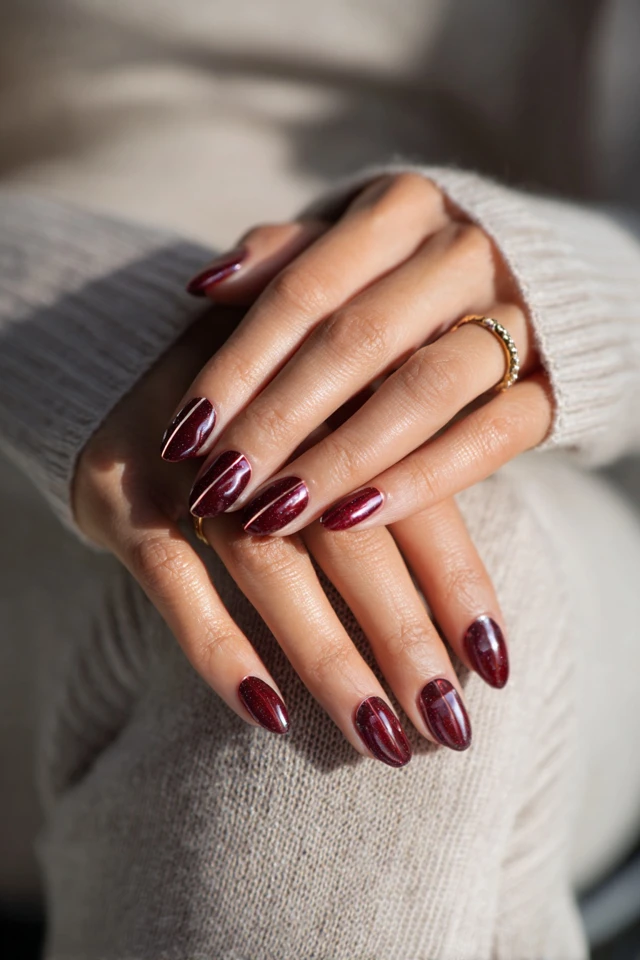
Which unusual nail shapes are worth knowing?
Unusual nail shapes are mostly variations on a point or a flare. They photograph well and ask for confidence in daily wear.
- Edge: a sharp, angular tip with straight sides, like a tilted blade.
- Arrowhead: a pointed tip with a slight angle on each side, close to a stiletto with more structure.
- Flare: narrow at the nail bed, widening toward the tip, like a bell. It is dramatic and needs careful length.
- Lipstick: an almond or square tip cut at a slanted angle, like a lipstick bullet.
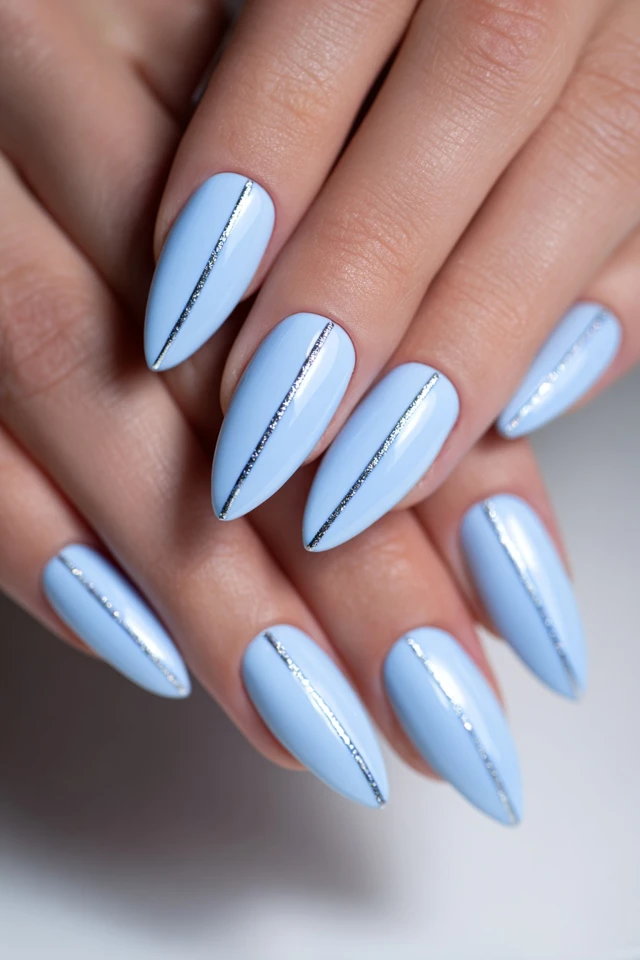
- Claw: a curved, pointed tip. Sculpted versions often add a split design with two contrasting colors or textures divided along a clean line.
Through the lens of evidence-based design, I'd treat the split line as the main event on a claw shape. A sharp tip draws the eye along the nail, and a clear color division gives it a place to travel. Texture changes the reading too: a matte half next to a glossy half looks like two different colors even if the pigment is the same.
For more examples, see artful claw split silhouettes, refined arrow split nails and flare geometry nails.
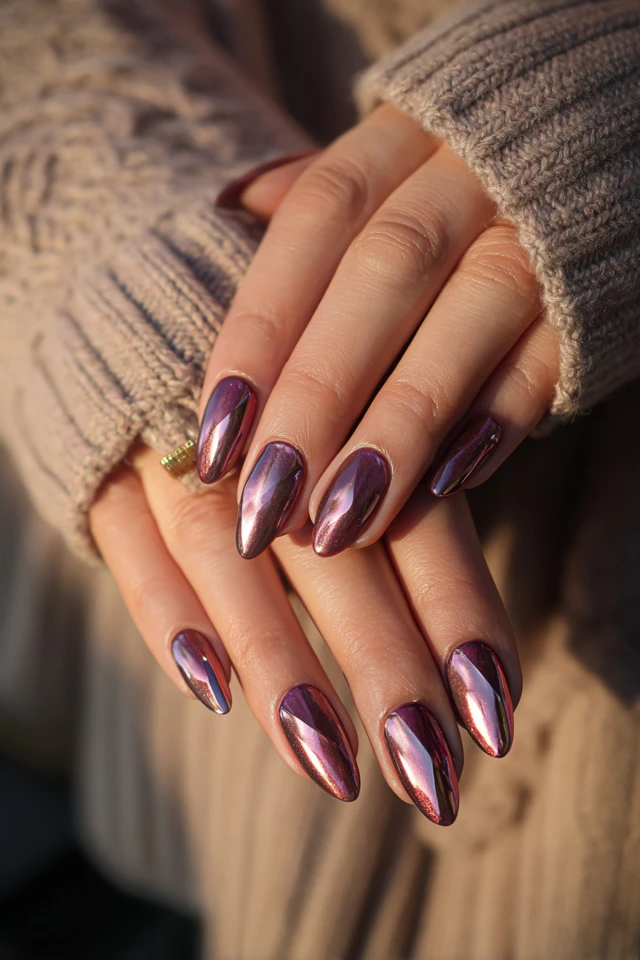
What are the best unique nail shapes for short nails?
Short nails can still be shaped. Rounded square, short oval and a short lipstick cut all read as intentional and are hard to break.
A few guidelines help:
- Keep the sides straight and parallel to elongate the finger.
- Choose a tip that follows the shape of your cuticle line, so the nail looks balanced.
- Use vertical color splits or a thin negative-space stripe to add length visually.
Round geometry designs are a good reference here, such as luxe round geometry nails.
How do you choose a nail shape?
Start with your lifestyle. If you type, cook or do hands-on work, stay with squoval, round or short almond. Longer coffin, stiletto and claw shapes are better for occasions or for people who are comfortable adjusting how they pick things up.
Then look at your hands. A narrow nail bed often looks balanced with square or squoval. A wide one tends to look slimmer with almond or oval. Short fingers usually look longer when the tip is tapered and the nail extends a little beyond the fingertip. These are tendencies, not rules, so try a shape on one hand or with press-ons before committing.
Finally, consider the color design. Flat-tip shapes like coffin and square suit split blocks and stripes. Pointed shapes suit one strong color or a clean split. For finish ideas, look at matte sculpted nails or glitter sculpted nails.
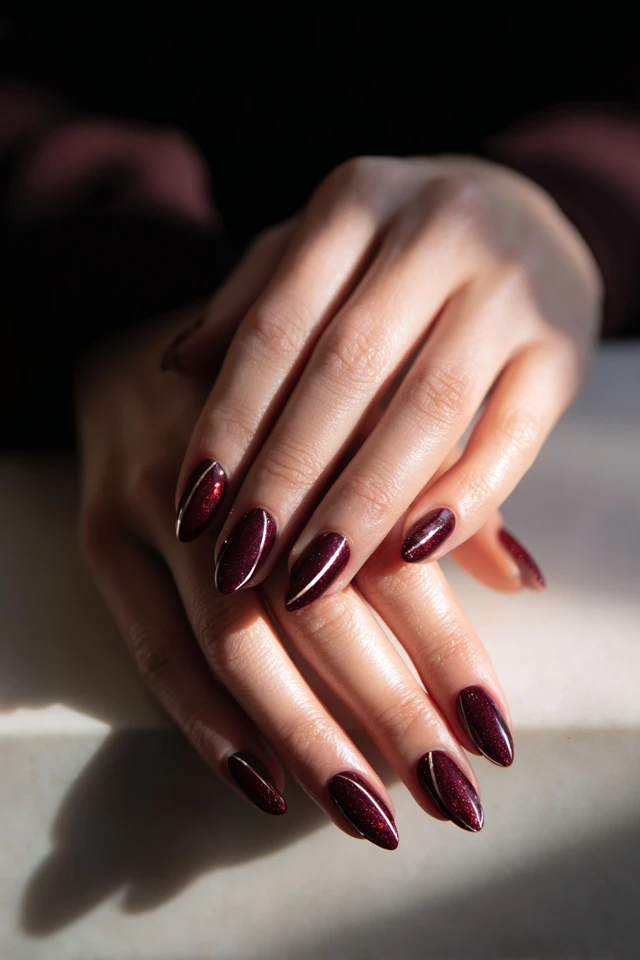
What should you know about acrylic and upkeep?
Unique nail shapes in acrylic are common because acrylic holds a sharp tip and a long free edge. It comes with trade-offs. The American Academy of Dermatology notes that to get acrylic nails to stick, the natural nail surface is filed until it feels rough, which thins your natural nails and makes them weaker. The same page says that if you wear artificial nails for more than a few weeks, you need touch-ups every 2 to 3 weeks to fill the gaps as your nails grow.
Removal matters as much as application. Dermatologist Shari Lipner, MD, PhD, says that after removing the color, you should "wait one month before getting another one of these manicures." If you notice cracking, peeling or anything unusual on your nails, check with a dermatologist.
Frequently asked questions
What is the most attractive nail shape?
It depends on your hands, but almond is the most commonly named favorite because it lengthens the finger and looks soft. Oval and squoval are close behind for a more natural look.
What are some unusual nail shapes?
Edge, flare, arrowhead, lipstick and claw are the main ones. Most are variations on a pointed or angled tip and work best with some extra length.
What is the classiest nail shape?
Oval and squoval, usually in a neutral or sheer color, are the most common answers. Their clean, soft outlines suit almost any outfit or setting.
Can you wear unique nail shapes on short nails?
Yes. Short rounded square, short oval and a small slanted lipstick cut all work without extensions and are less likely to break.
Filed under Nail Design