
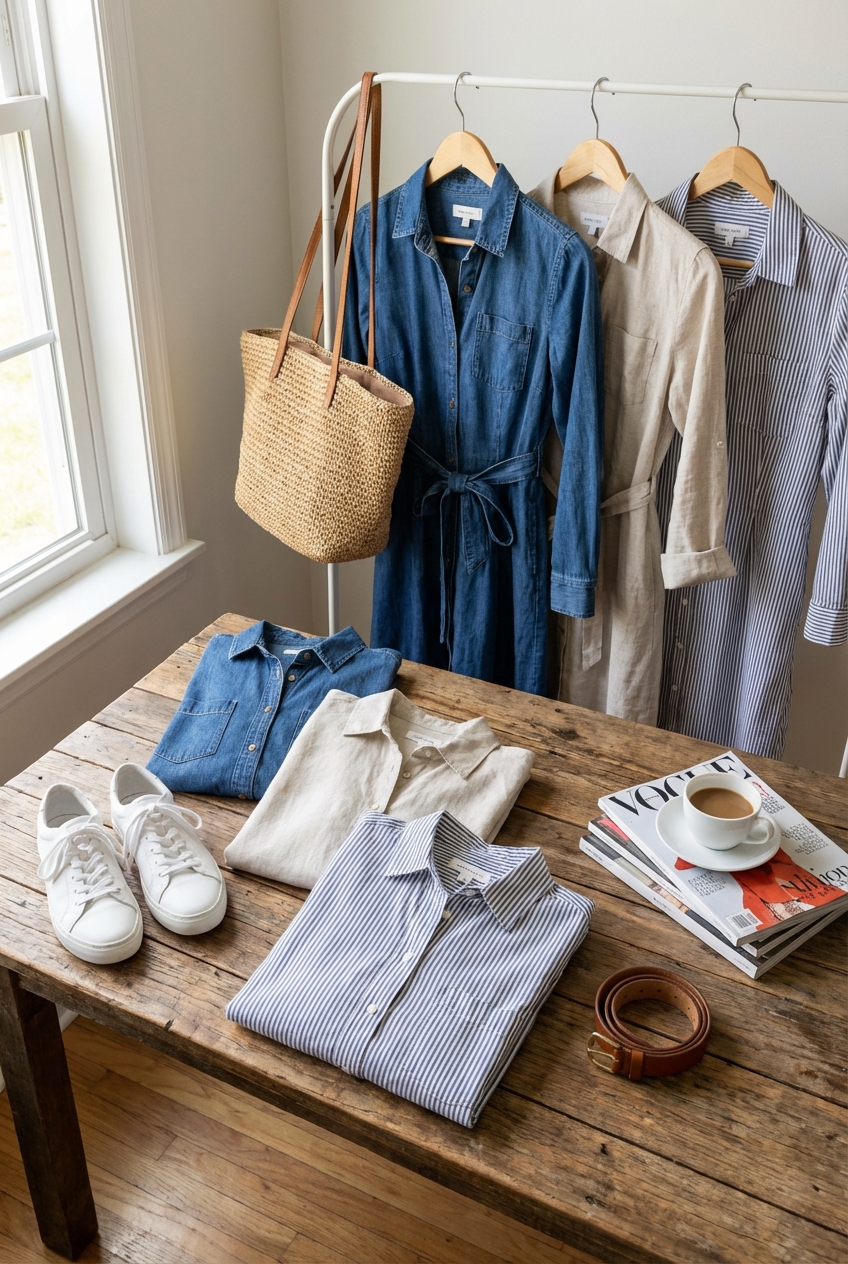
Shirt Dresses Combining Comfort And Style In One Piece
The shirt dress is the unsung hero of a well-edited wardrobe. It is one of the few garments that truly bridges the gap between structured tailoring and effortless comfort. I recall a specific client fitting a few years ago where we were struggling to build a capsule wardrobe for a press tour. She needed to look polished for breakfast meetings but comfortable enough to sit in a car for hours between events.
We tried tailored suits, which wrinkled immediately, and jersey dresses, which felt too casual. Then we landed on a crisp, heavyweight cotton poplin shirt dress. It changed everything. It offered the authority of a collar with the ease of a flowing skirt. It is the sartorial equivalent of a blank canvas, ready to be dressed up or down depending on the accessories you choose.
Whatever your personal style, there is a version of this classic piece that will work for you. From oversized boyfriend fits to belted A-line silhouettes, the options are endless. If you are looking for visual inspiration on how to style these looks, be sure to check out the Picture Gallery at the end of the blog post.
The Foundation: Choosing the Right Fabric and Weight
The difference between a shirt dress that looks expensive and one that looks sloppy usually comes down to fabric. In high-end fashion, we obsess over “hand feel” and weight. A flimsy cotton will cling to the body and wrinkle the moment you sit down.
For a structured, professional look, look for high-twist cotton poplin. This fabric has a crisp finish that holds the shape of the collar and cuffs. It stands away from the body slightly, which is flattering and breathable. If you prefer something with more movement, Tencel or cupro are excellent choices. They have a suede-like finish and drape beautifully over curves without clinging.
For summer or resort wear, linen is the standard. However, 100% linen can be difficult to maintain. I always recommend a linen-viscose blend to my clients. You get the texture and breathability of linen, but the viscose adds weight and significantly reduces the wrinkling that plagues pure linen garments.
Designer’s Note: The “Scrunch” Test
When shopping, grab a handful of the fabric and squeeze it tight for ten seconds. If it stays crushed when you let go, put it back. You will spend your entire day looking disheveled. If it springs back or the wrinkles are soft and rolling, it is a winner.
Mastering the Silhouette and Fit
The fit of a shirt dress is deceptively simple. Because it is often cut loosely, many women make the mistake of buying a size too big, thinking it adds to the comfort. This often leads to a silhouette that swallows your frame.
The most critical measurement is the shoulder seam. The seam must sit exactly at the edge of your shoulder bone. If it drops down the arm, the dress looks ill-fitting rather than intentionally oversized. If it pulls up toward the neck, the armhole will restrict your movement.
Sleeve length also plays a major role in the overall polish of the look. A full-length sleeve can sometimes feel heavy. Rolling the cuffs to the elbow or pushing them up creates a “stylist’s touch.” It exposes the forearms, which breaks up the block of fabric and makes the look feel lighter and more intentional.
Common Mistakes + Fixes
- Mistake: Relying on the flimsy fabric belt loops that come attached to the dress. They are rarely placed at your actual natural waist.
- Fix: Snip those thread loops off immediately. Place your belt at your true waist (usually the smallest part of your torso), which is often higher than where the loops are sewn.
The Art of Cinching: Belt Logic
A shirt dress without a belt is a tunic; with a belt, it becomes a gown. The accessory you choose to cinch your waist defines the vibe of the outfit.
For a corporate setting, a structured leather belt is non-negotiable. I recommend a width between 1.5 to 2 inches. This scale is substantial enough to look like a deliberate accessory but not so wide that it acts like a corset. Match the leather tone to your shoes for a cohesive, seamless vertical line.
For a relaxed weekend look, swap the leather for a rope belt or a soft sash. If the dress comes with a matching fabric belt, don’t just tie a standard bow. Instead, fold the belt in half lengthways to stiffen it, tie a flat knot, and let the ends hang long. This looks cleaner and less fussy than a bulky bow at the belly button.
What I’d do in a real project:
- If a client has a shorter torso, I avoid wide belts entirely. They eat up too much vertical space.
- Instead, I use a skinny 0.5-inch belt or a chain belt resting slightly lower on the hips to elongate the upper body.
Hemlines and Proportions
The length of your shirt dress dictates the footwear you should choose. It is all about balance. A mini shirt dress carries a lot of youthfulness and pairs best with flats, loafers, or knee-high boots to balance the exposed leg.
A midi length—hitting mid-calf—is the most versatile but also the trickiest. If the hem hits the widest part of your calf, it can make your legs look shorter. The ideal hemline should hit about two inches above the ankle bone, where the leg begins to taper again.
Maxi shirt dresses bring drama. When wearing a floor-length button-down, unbutton the bottom buttons up to the knee. This creates movement when you walk and prevents the dress from looking like a heavy blanket.
Shoe Pairing Cheat Sheet:
- Above Knee: Loafers, flat slides, or tall riding boots.
- Midi Length: Pointed-toe pumps, heeled mules, or strappy sandals. Avoid ankle straps if you have shorter legs, as they cut off the line.
- Maxi Length: Wedges, platform sneakers, or flat leather sandals.
Layering Strategies for All Seasons
One of the reasons I push shirt dresses so heavily is their layering potential. They are true four-season garments if you know how to manipulate the layers.
In the colder months, a thin, fitted turtleneck worn underneath a cotton shirt dress is chic and practical. It adds warmth without bulk. You can also layer a cropped sweater vest over the top. The key here is the crop; the sweater must end at the waistline to maintain your shape.
For a more advanced fashion move, wear the shirt dress strictly as a duster. Unbutton it completely and wear it over a tank top and straight-leg jeans. It acts like a lightweight trench coat. This adds verticality to your frame and creates a wonderful “swish” factor when you move.
Designer’s Note: preventing cling
When wearing a shirt dress over tights in winter, static is your enemy. A slip is mandatory. If you don’t have one, a quick mist of hairspray on the inside of the skirt or rubbing a dryer sheet over your tights can save the day.
Dealing with the “Gaping” Issue
The most common complaint I hear about button-down styles is the dreaded gap at the bust. This happens when the buttons strain across the chest, creating a peekaboo effect that is unprofessional and uncomfortable.
If you are between sizes, always size up to fit your bust and tailor the waist in. It is much easier to take in a waist than to magically create more fabric at the chest.
Alternatively, you can have a tailor add invisible snap buttons between the existing buttons at the bust line. This is a standard alteration I do for almost all my celebrity clients. It secures the placket completely flat so you never have to worry about moving a certain way.
DIY Quick Fix:
If you are in a pinch and don’t have time for a tailor, use double-sided fashion tape between the buttons. It holds the fabric flush against your skin or bra, effectively sealing the gap for the day.
Finish & Styling Checklist
Before you walk out the door, run through this mental checklist to ensure your look is polished and proportional.
- Collar Check: Is the collar popped or flat? If you are wearing your hair up, pop the collar for a dramatic frame. If hair is down, keep it flat.
- Sleeve Roll: Are the cuffs rolled symmetrically? Exposing the wrist bone is a universal trick to looking leaner.
- Waist Definition: Did you replace the fabric string with a real belt? If using the fabric belt, is the knot neat and flat?
- Button Placement: Are you showing too much skin? generally, unbuttoning the top two buttons creates a flattering V-neck. Three buttons is for evening.
- Hemline Integrity: Is the hem pressed? A shirt dress relies on sharp lines; a wrinkled hem ruins the architectural effect.
- Hardware Match: If your dress has gold buttons, try to coordinate your jewelry and belt buckle to match that metal tone.
FAQs
Can petite women wear maxi shirt dresses?
Absolutely. The key is volume control. Avoid stiff fabrics that stick out; opt for rayon or silk that falls close to the body. Ensure the fit is narrow through the shoulders and arms, and use a belt to clearly define the waist. A vertical stripe pattern also works wonders for elongation.
How do I stop the collar from collapsing?
This is usually a sign of a lack of interfacing in the collar. When ironing, use spray starch on the collar stand (the band of fabric the collar attaches to) and the collar itself. This gives it the rigidity it needs to stand up.
Is a shirt dress appropriate for a formal wedding?
It depends on the material. Cotton poplin is too casual for black tie. However, a floor-length silk, satin, or taffeta shirt dress is incredibly elegant for formal events. Think of the classic Carolina Herrera aesthetic—crisp white shirt top with a ballgown skirt. A silk shirt dress mimics this look in one piece.
What do I do if the dress is see-through?
White shirt dresses are notorious for this. Invest in a nude (skin-tone match, not beige) slip dress or high-waisted biker shorts and a nude bra. White undergarments will actually show up more under white fabric than skin-tone ones will.
Conclusion
The shirt dress is far more than a basic staple; it is a solution to the “I have nothing to wear” dilemma. It respects your need for comfort while upholding a standard of elegance that is often lost in modern dressing.
By focusing on the quality of the fabric, tailoring the fit to your specific proportions, and switching up your accessories, you can make a single dress work for a boardroom presentation, a weekend brunch, or an evening cocktail.
Confidence comes from knowing your clothes are working for you, not against you. A well-fitted shirt dress provides that structure, allowing you to move through your day with ease and style.
Picture Gallery


