Short Choppy Haircut Makeover
- Words by
- Julio Arco
- Published
- Reading
- 4 min
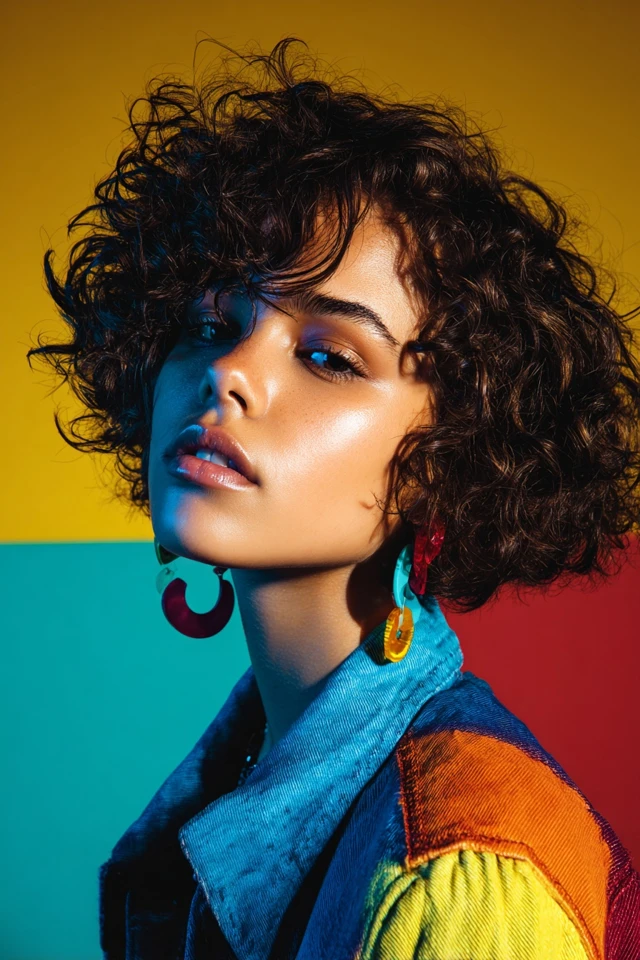
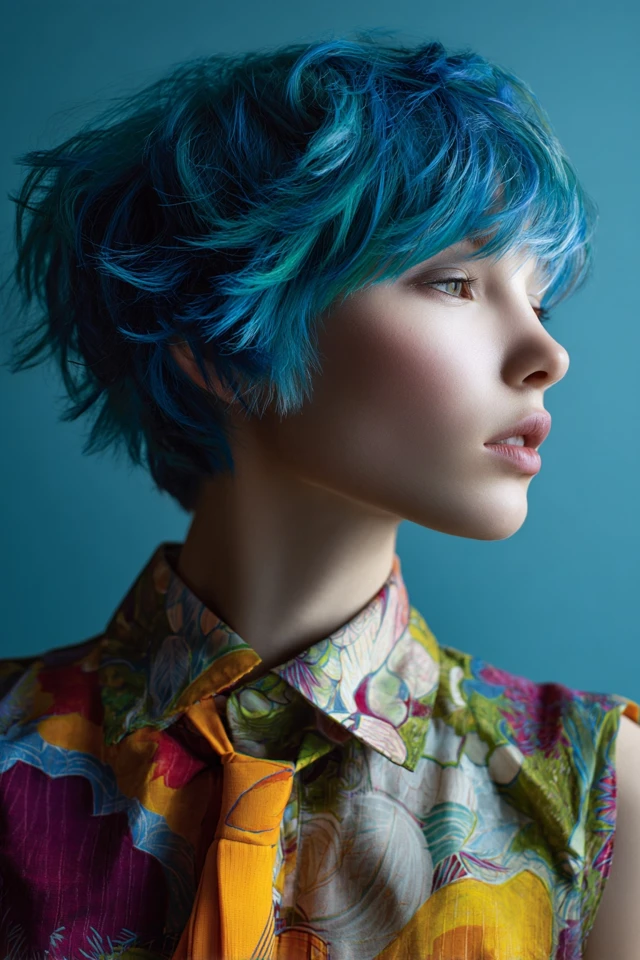
Short textured layered haircuts combine two things: layers, which change the length of your hair in steps, and texture, which changes how the ends and surface of those layers look. Pick the cut by your hair type first (fine, thick, straight or curly), then decide how much movement and how much fringe you want.
If you want a quick pick: a choppy cropped cut with short layers suits most straight and wavy hair, a textured bob suits thick hair, and a soft shag suits curls.
What is the difference between a textured and a layered haircut?
Layering is about length. Your stylist cuts shorter sections over longer ones, which adds shape, lift and volume. Texturizing is about the edge of the hair: point cutting, razor work or slicing makes the ends feathery and uneven instead of blunt.
The two overlap constantly. A layered cut with blunt ends looks smooth and tidy. The same layers with chopped, broken-up ends look messy and lively. When you book, name both: how much length change you want, and how piecey you want the finish.
Through the lens of evidence-based design, I'd treat texture as the thing the eye notices first. Broken-up ends scatter light, so the hair reads as more dimensional than a single smooth edge does.

Choppy layers for short hair
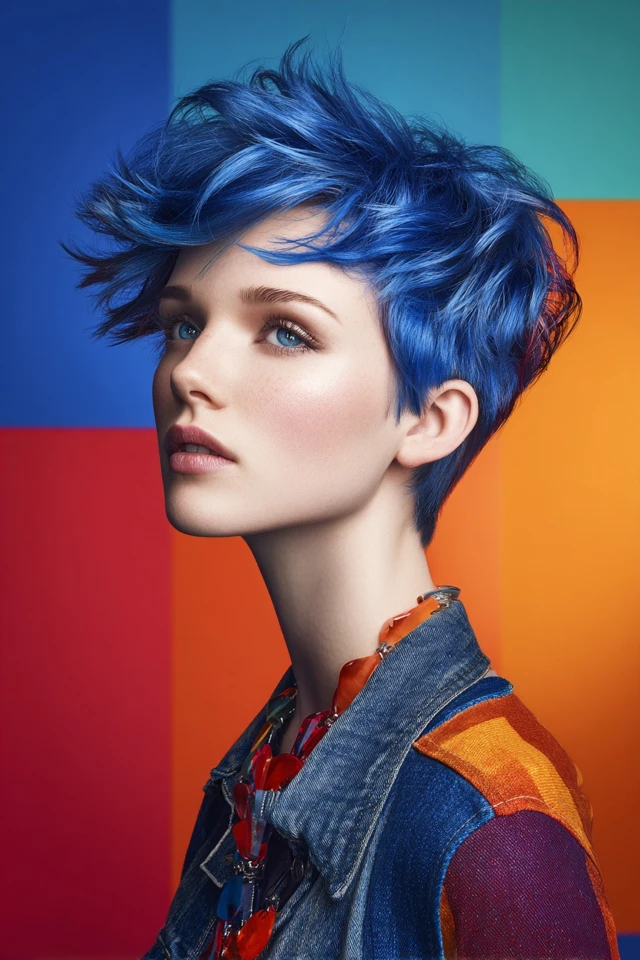
Choppy layers are short, visibly separate sections, usually cut with a point-cutting or slicing motion. They work well on cropped cuts and pixies because they give flat hair some lift at the crown.
- Fine hair: keep the layers shorter at the top and the perimeter fairly dense, so the ends do not look wispy.
- Straight hair: choppy layers show up clearly, which is the point. A little paste or cream defines them.
- Wavy hair: the layers blend with your natural bend and need almost no styling.
For more on this look, see short piecey layers and sliced ends.
Textured bob for thick hair
Thick hair tends to puff out at a bob length. Internal layers, cut beneath the surface, remove bulk without leaving visible steps. Chopped ends then keep the bottom edge from looking heavy.
An angled or slightly shorter back also helps the shape sit closer to the head. If your hair is thick and straight, ask for the weight to be removed from the mid-lengths rather than just thinned at the ends. The short angled cut is a good reference.
Short textured layered haircuts with fringe
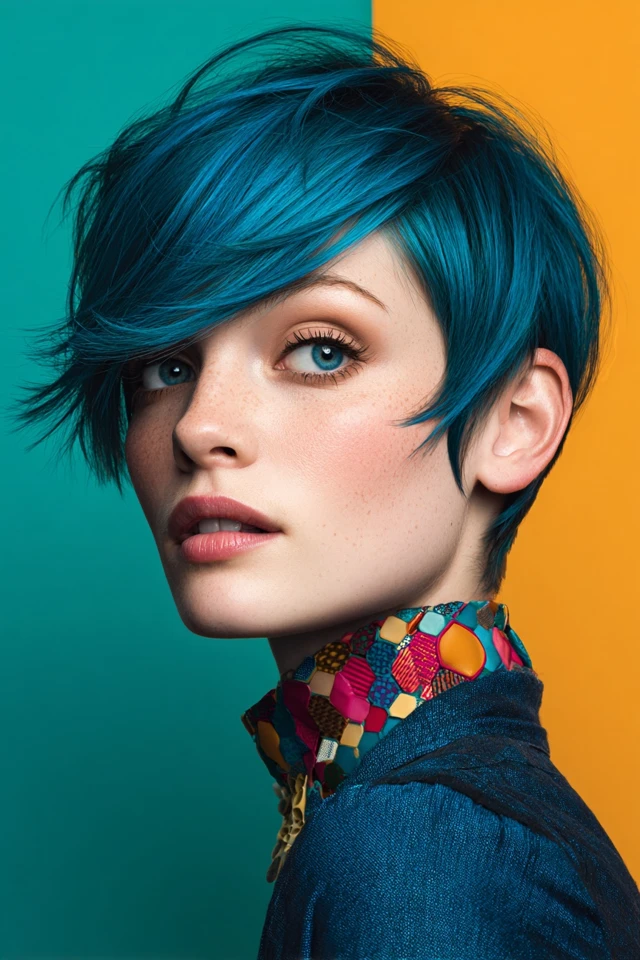
A fringe changes how the whole cut reads, because it sits right at the center of the face. Wispy, see-through bangs are softer and need less upkeep. Blunt or heavy bangs feel more graphic and need trimming more often.
Side-swept fringe blends into the layers around the face and is the easiest to grow out. Fringe on very curly or cowlicked hair is worth discussing with your stylist before cutting. More examples are in short layered fringe haircuts.
Which cut suits your hair type?
Fine hair
Go for a shorter length with soft layers at the crown. Too many layers can make fine ends look thin.
Curly hair
A short shag or rounded cut with layers keeps curls from stacking into a triangle. Ask for curls to be cut dry or checked dry, since they spring up when they dry.
Straight hair
Straight hair shows every line, so point cutting or a razor finish adds the movement it lacks. See a short razor cut for the effect.
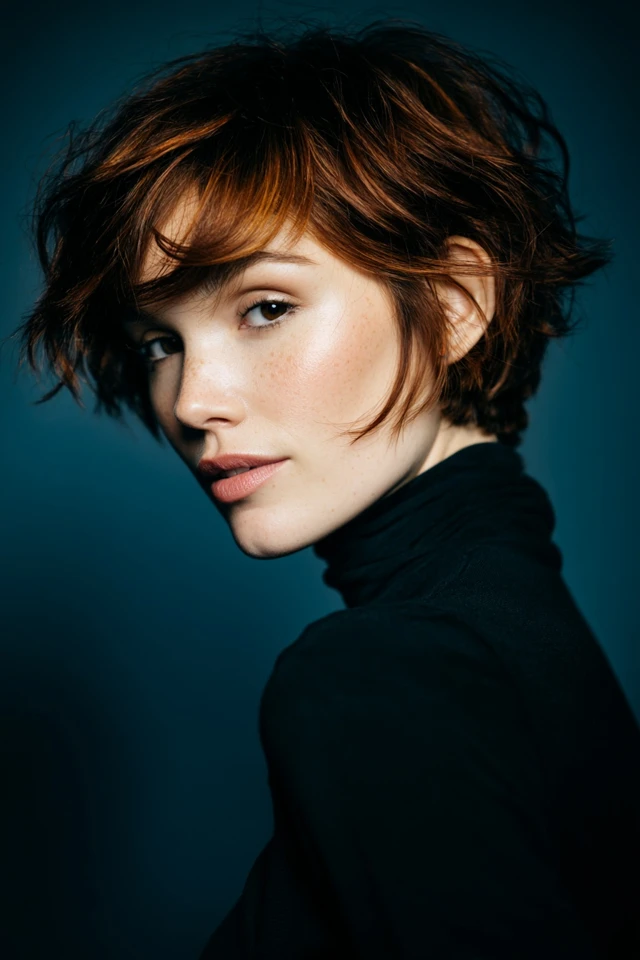
Low maintenance short layered haircuts
Layers that follow your natural growth pattern need the least styling. If you air-dry, ask for a cut designed for that, and look at the short wash-and-go haircut.
- Expect trims about every 4-6 weeks to keep the edges clean on very short cuts. Bobs can stretch longer.
- Use a light cream or paste on damp hair for definition.
- Detangle wet hair with a wide-tooth comb, since the American Academy of Dermatology notes hair is delicate when wet.
- If you use a flat iron, the AAD advises dry hair, low or medium heat, and no more often than every other day.
A leave-in conditioner can also help. Board-certified dermatologist Zoe D. Draelos, MD, FAAD, says in the AAD's leave-in conditioner tips: "You should see less frizz. Your hair should be easier to brush or comb, so you'll have less breakage."
How to style it day to day
Start with damp hair, work a small amount of product through the ends, and rough-dry with your fingers. Twist or push the front sections where you want direction. Add a bit more product only to the pieces you want to stand out.
For a smoother finish, a quick blowout does the job. See the short blowout upgrade. Going a little longer? Medium choppy layers follow the same logic.
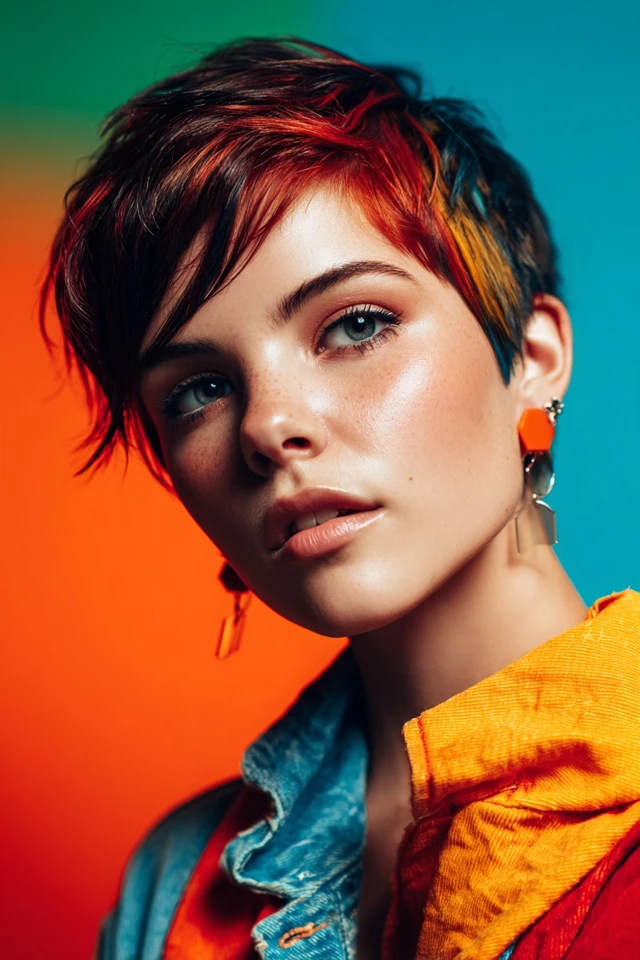
Hair and clothing read together. As an architect trained in evidence-based design, I'd keep the outfit simpler when the cut has a lot of texture, so the two do not compete.
Frequently asked questions
What's the difference between a textured haircut and a layered haircut?
Layers change the length of the hair in sections to add shape and volume. Texturizing changes the ends, using point cutting or razor work to make them feathery instead of blunt. Many cuts use both.
What is a textured haircut for female short hair?
It is a short cut where the ends and surface are broken up so the hair looks lively and separated, instead of smooth and blunt. Pixies, cropped cuts and short bobs can all be textured.
What are some trendy short, layered haircuts?
Popular choices include choppy pixies, textured bobs, short shags and layered cuts with wispy or side-swept fringe. Your hair type should guide the choice more than the trend.
Do short textured layers work on fine hair?
Yes, if the layers are kept soft and mostly at the crown. Too many layers at the ends can make fine hair look thin, so ask your stylist to keep the perimeter dense.
Filed under Haircuts