Short Textured Layered Haircuts: Styles and How to Choose
- Words by
- Julio Arco
- Published
- Reading
- 4 min
Short textured layered haircuts get their softness from two separate tools: layers change the shape and length of the cut, while texture changes how the ends and surface of the hair look. Combine them and you get the feathery, easy movement this post is about.
Below you will find how the two techniques differ, which version suits your hair type, and how to keep the cut easy to style.
What is the difference between a textured and a layered haircut?
Layers are about length. Your stylist cuts sections of hair at different lengths so the hair stacks, which removes weight and adds shape. Texture is about the finish: point cutting, razoring or slicing the ends so they look broken up and wispy instead of blunt.
You can have layers with blunt ends (a smooth, polished look) or texture with very few layers (a bob with airy ends). Feathered cuts use both. If you want to see the ends-only side of this, sliced ends on a short cut is a good example.
Through the lens of evidence-based design, I'd think of it as surface and silhouette. Layers set the silhouette, and texture decides how light and shadow break up the surface, which is why a textured cut reads softer even at the same length.
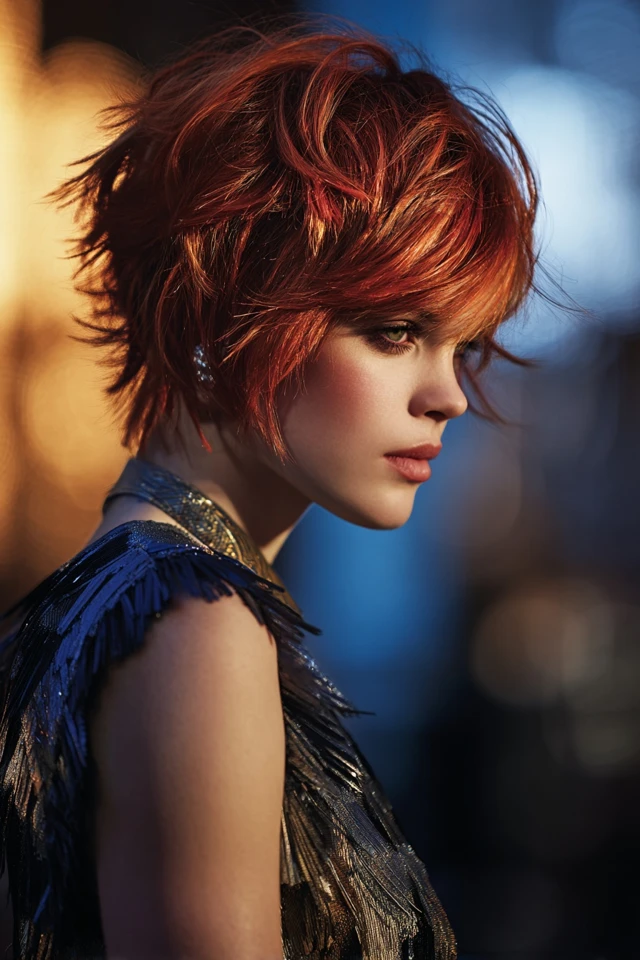
Which short textured cut suits your hair type?
Fine or straight hair
Fine, straight hair benefits from shorter, lightly stacked layers around the crown, since they create lift without needing much product. Keep the ends only slightly textured. Too much slicing on thin hair can make the perimeter look sparse.
Thick hair
A textured bob for thick hair works well because internal layers remove bulk and stop the shape from puffing out at the sides. Ask for the weight to be taken out from the inside rather than just thinning the ends.
Wavy or curly hair
Short layers let curls and waves stack into a rounder shape. Cutting dry or checking the shape while the hair is dry helps, because curls spring up once they dry. A shaggy, choppy layers style for short hair is a natural fit here.
Fringe options
Wispy, see-through bangs keep the softness at the front. If you like the idea, look at a short layered fringe and discuss how much forehead you want covered.
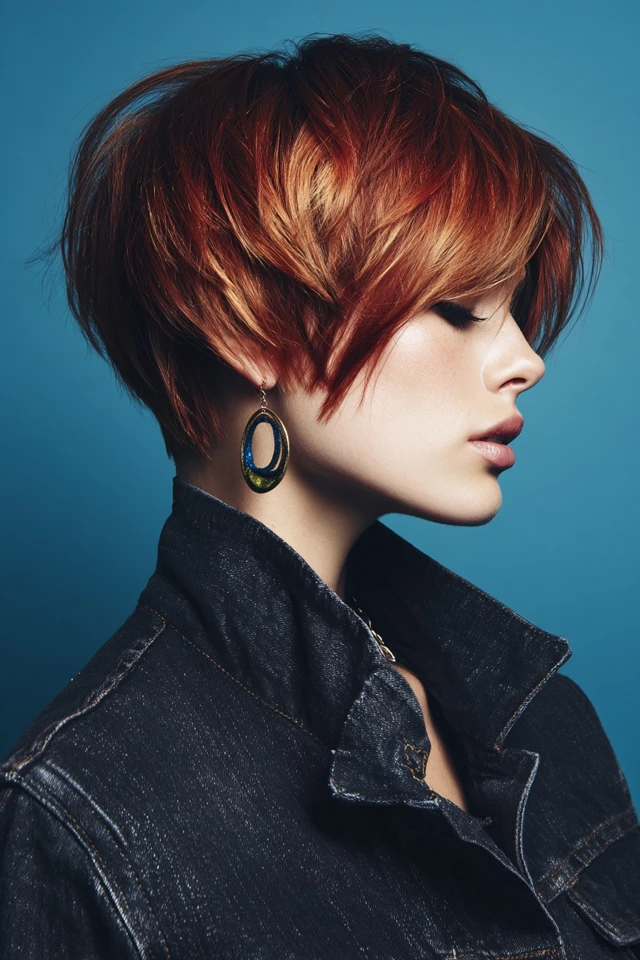
Short textured styles worth bringing to your appointment
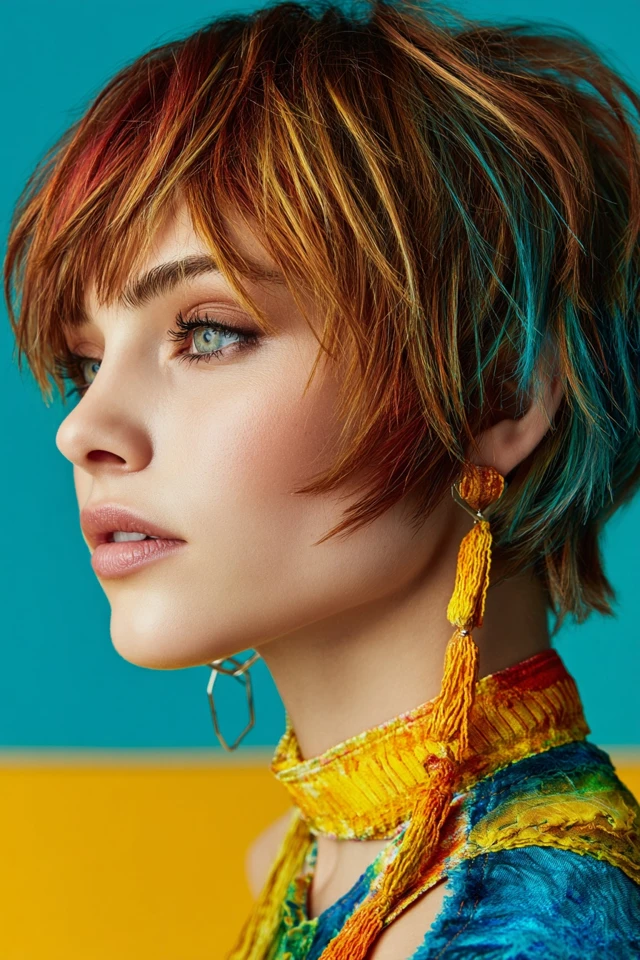
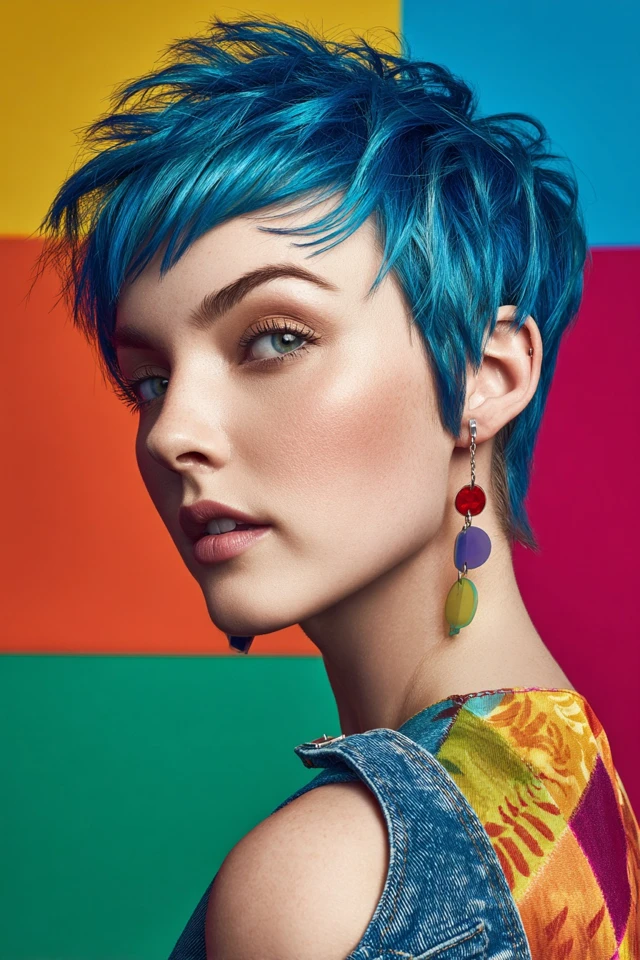
- Textured pixie: short sides, longer top, ends cut to look piecey.
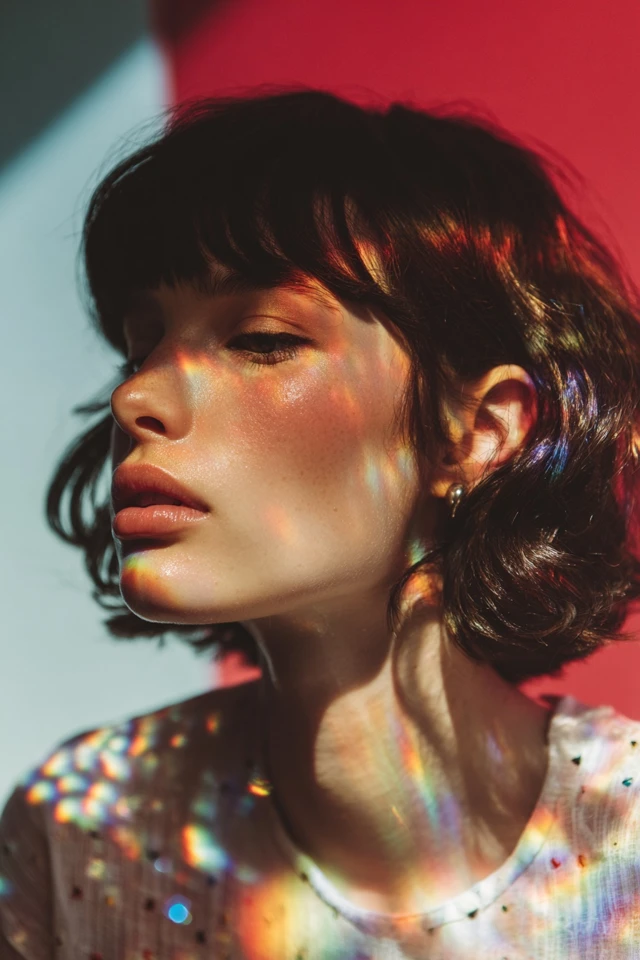
- Choppy bob: chin length or shorter with uneven, razored ends.
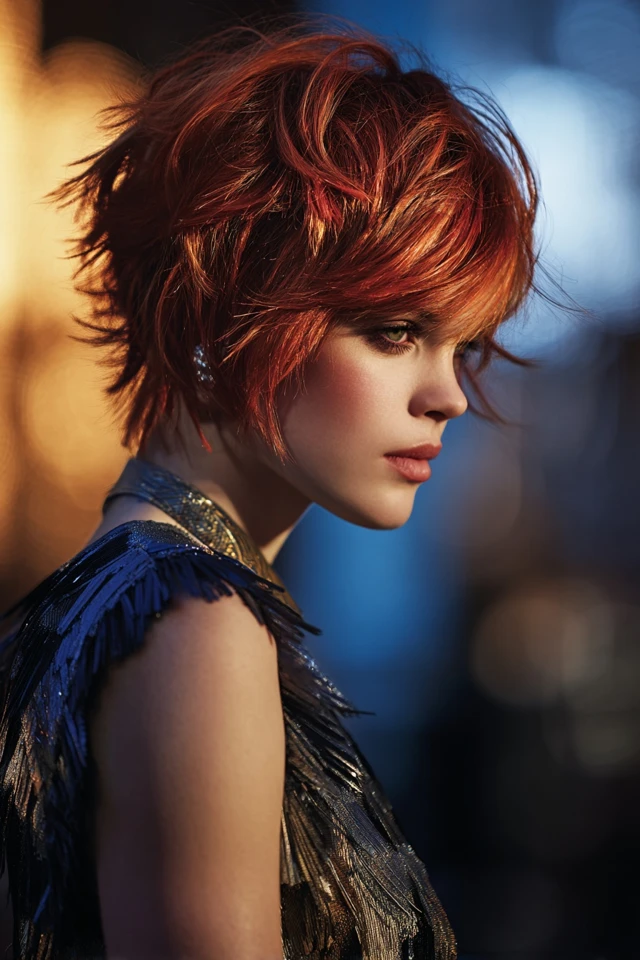
- Short shag: layers throughout, with volume at the crown.
- Feathered crop: soft, tapered layers that move when you do. See also piecey layers.
- Neck-length layered cut: a bit more length at the nape. Compare it with the sleeker neck-hugging version.
Take two or three photos of hair close to your own texture and density. A cut that looks airy on thick hair will behave differently on fine hair, so photos with a similar match are more useful than the most dramatic picture.
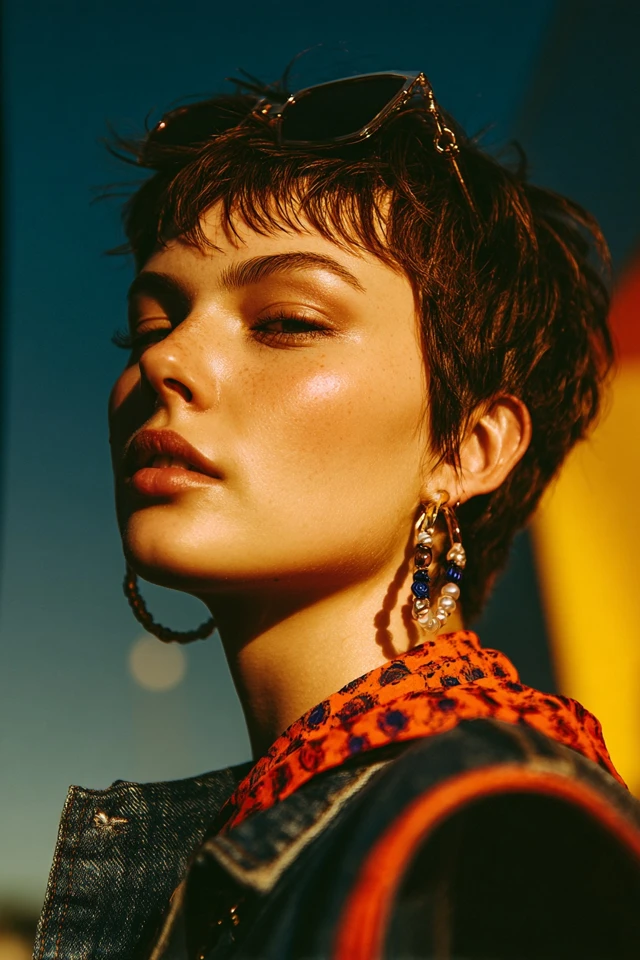
How to pick a color that suits a soft cut
Color changes how texture reads. Soft, close tones such as honey, caramel or a muted brown highlight let the layers show. Strong contrast between highlights and base can make the cut look busier, which some people want and others don't.
As an architect trained in evidence-based design, I'd choose color after the cut: texture changes how a shade looks in light, so a tone that seemed flat on blunt hair can look dimensional once the ends are broken up. A softer palette in your clothes keeps the focus on the movement of the hair.
How to style low maintenance short layered haircuts
These cuts are forgiving because the shape does most of the work. A few habits keep them that way:
- Use a lightweight texture spray or a small amount of paste, worked through dry ends with your fingertips.
- Air-dry when you can. A routine like a short wash-and-go suits this well.
- If you use a flat iron, the American Academy of Dermatology says flat irons should be used on dry hair on a low or medium heat setting, no more often than every other day.
- Detangle gently. The AAD notes that hair is delicate when it's wet, so a wide-tooth comb is better than a brush.
Dermatologist Zoe D. Draelos, MD, FAAD, says of leave-in conditioner: "You should see less frizz. Your hair should be easier to brush or comb, so you'll have less breakage." That can help if your short layers frizz at the ends. For any scalp or hair health concern, check with a dermatologist.
Plan on a trim every several weeks, since short layers lose their shape faster than long hair. If you want a more polished day, a short blowout smooths the same cut.
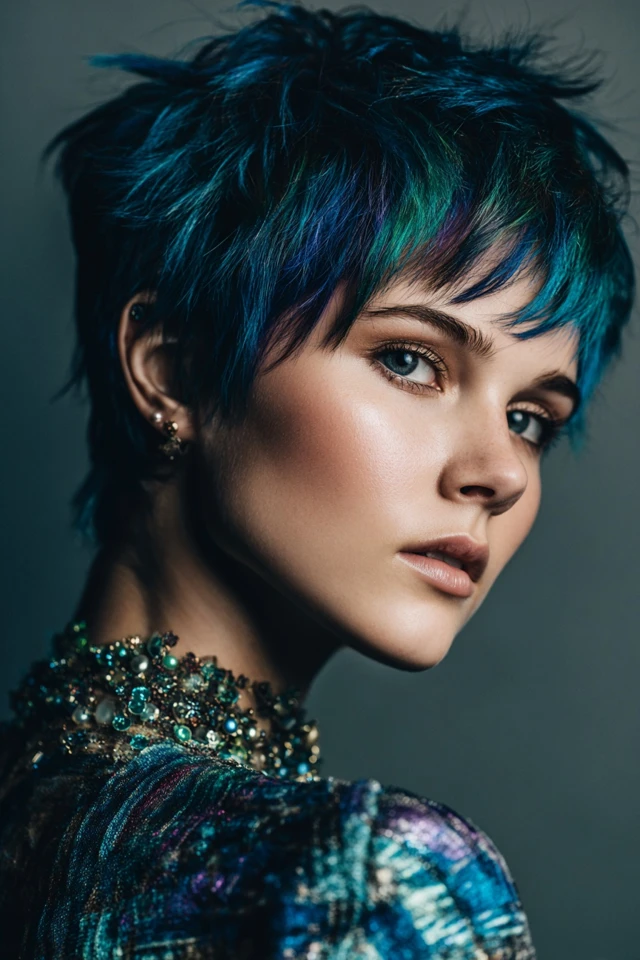
Going longer later
If you are growing the cut out, layers make the transition easier. Check out a collarbone-skimming length as a next stop, or the shoulder-length feathered cut.
Frequently asked questions
What's the difference between a textured haircut and a layered haircut?
Layers are cut at different lengths to build shape and remove weight. Texture is a finishing technique, such as point cutting or razoring, that breaks up the ends so they look softer and less blunt.
What is a textured haircut for female short hair?
It is a short cut, such as a pixie or crop, where the ends and top are cut to look piecey and lightly broken up. It usually needs only a bit of texture product to show off the movement.
What are some trendy short, layered haircuts?
Textured pixies, choppy bobs, short shags and feathered crops are popular layered options. Choose based on your hair density and how much styling you want to do.
Do short textured layered haircuts work on thin hair?
Yes, with restraint. Light layers at the crown add lift, but heavy slicing at the ends can make fine hair look thin, so ask your stylist to keep the perimeter fairly full.
Filed under Haircuts