Short Cropped Pixie Cuts: Ideas, Fit and Styling
- Words by
- Julio Arco
- Published
- Reading
- 4 min
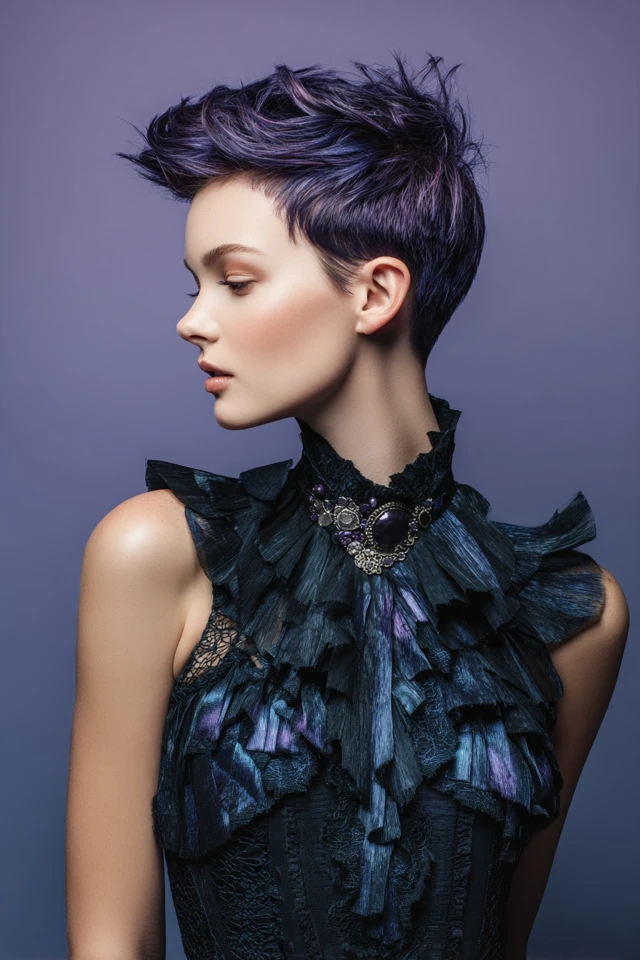
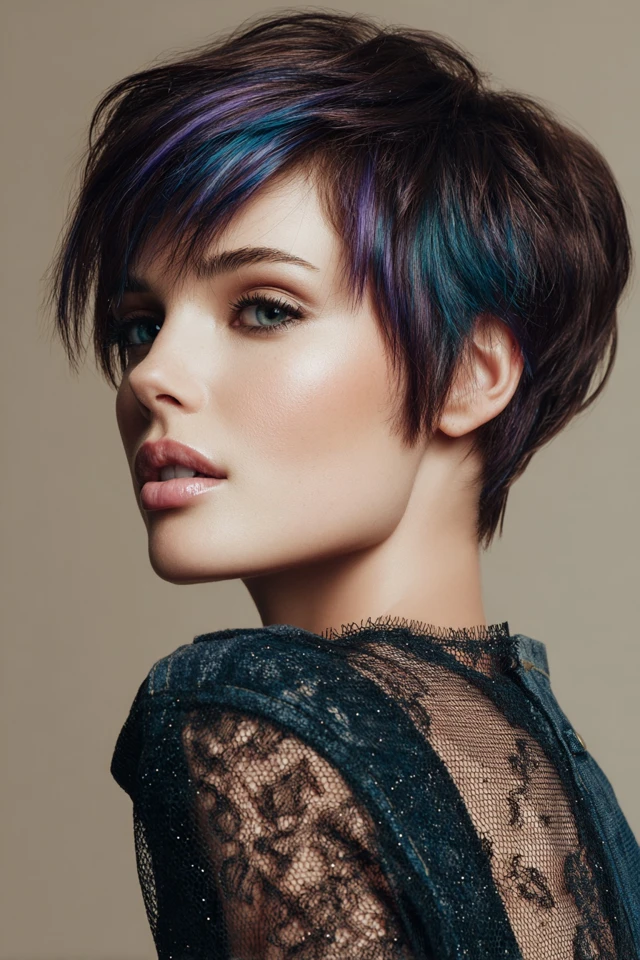
Short cropped pixie cuts keep the sides and back close and leave a little more length on top. That length is where the personality lives: a soft, rounded top gives bounce, a choppy top gives texture. Pick the top length for your hair type and the sides for how much upkeep you want.
Below: how a pixie differs from other short hair, who it suits, which versions work for fine, thick or older hair, and how to style one at home.
What makes a pixie different from other short hair?
A pixie is shorter than a bob and usually tapers at the nape and around the ears. A bob has one length that frames the jaw. A pixie has several, which is why it shows off bone structure and texture so clearly.
If you want something between the two, look at a micro short cut for the shortest end, or a neck-hugging sleek cut if you want a little more length at the back.
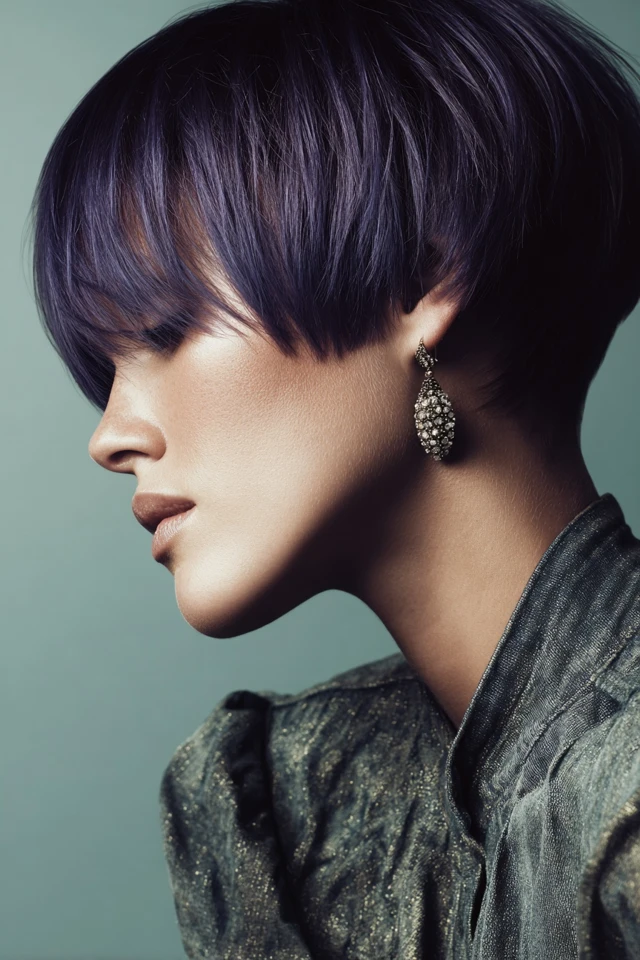
Which pixie styles are there?
Classic and sleek
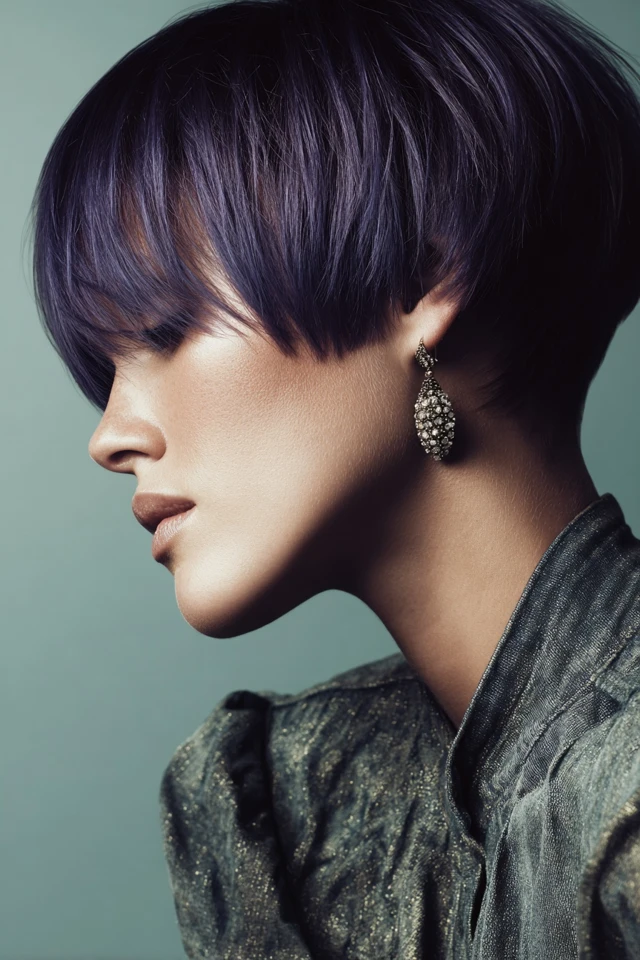
Smooth, tapered sides with a side-swept top. It reads polished and works with fine, straight hair because it needs little volume to look finished.
Textured and choppy
Cut with piecey layers on top, then finished with a bit of paste or cream. Choppy ends make hair look fuller, so this is a good pick if your hair is fine or thin. See short piecey layers and razor cuts for how those finishes look.
Pixie with bangs
A longer fringe softens the forehead and balances a strong jaw. Shorter, blunt bangs are a bolder frame. A layered fringe grows out more gently than a blunt one.
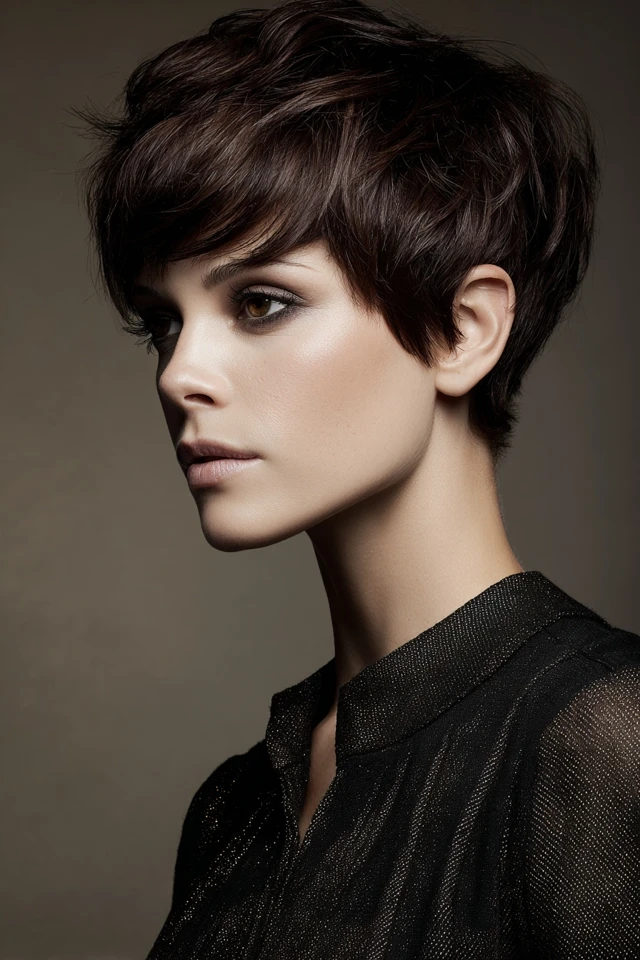
Which hair types and face shapes suit a pixie?
Most hair types can carry a pixie if the cut is adapted to them.
- Short cropped pixie cuts for fine hair: keep the top slightly longer and textured, so it lifts instead of lying flat.
- Pixie cuts for thick coarse hair: ask for the sides and nape to be thinned or tapered so weight doesn't push the shape outward.
- Curly hair: a rounded shape with curls left intact works well, and it's easier to dry than longer curls.
On face shape: oval and heart shapes take almost any pixie. With a round face, extra height at the crown lengthens the look. With a square jaw, a soft, wispy fringe and some length around the ears reduce the angles. These are visual balance guidelines, not rules, and a good stylist will adjust them to your face.
Do pixie cuts suit older women?
Age doesn't decide whether a pixie works. Fit and finish do. Short cropped pixie cuts for older women look best with soft texture on top rather than a stiff, sprayed shape, because softness reads as movement. Through the lens of evidence-based design, I'd treat the top of the cut as the first thing the eye reads, so that's where the shape and shine matter most.
If your hair has thinned, a slightly longer, layered top creates the impression of density. If you want it very short, ask to see the cut from the front, side and back before you commit, so the nape line is no surprise.
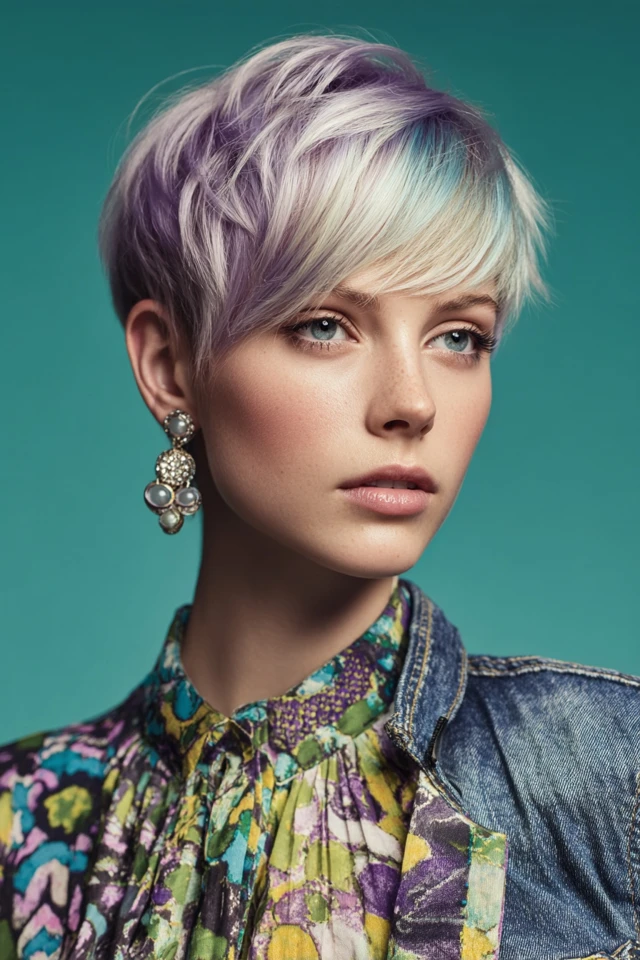
How do you style a pixie cut?
Most pixies need five minutes. Towel-dry, add a small amount of lightweight mousse at the roots for lift, and blow-dry the top up and slightly forward. A small round brush, about an inch or so across, gives a rounded finish at the ends and a little bounce. Finish with a pea-sized amount of paste or cream, worked through with your fingertips.
Heat is where hair gets damaged. The American Academy of Dermatology says flat irons should be used on dry hair on a low or medium heat setting, no more often than every other day. When hair is wet, use a wide-tooth comb instead of a brush to detangle, since wet hair is delicate.
For a rounder, fuller look without a blow-dry, the short blowout approach and the wash-and-go routine are both worth a look.
Are short cropped pixie cuts low maintenance?
Daily styling is quick, but trims are not optional. Plan on a visit about every 4-6 weeks to keep the nape and sides tidy. Low maintenance short cropped pixie cuts are usually the ones with a soft, natural texture, where regrowth looks relaxed rather than shapeless.
A leave-in conditioner can help with frizz. Dermatologist Zoe D. Draelos, MD, FAAD, says: "You should see less frizz. Your hair should be easier to brush or comb, so you'll have less breakage."
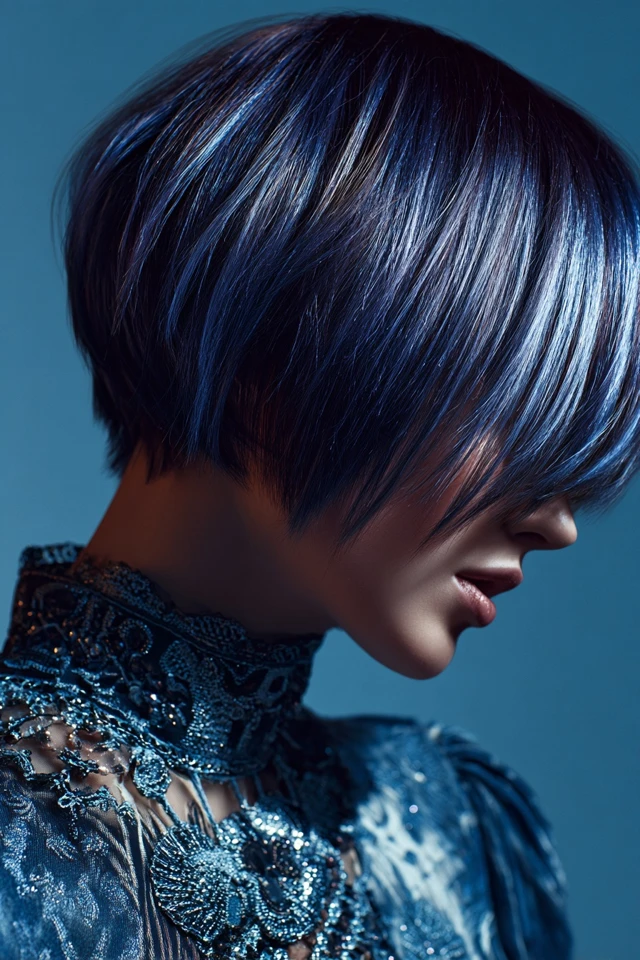
How do you grow out a pixie?
Keep trimming the nape and around the ears every 8 weeks or so while the top grows. That stops the back from looking heavy while the length catches up. A collarbone-length cut is the far end of that journey, and a fringe or side part helps in the awkward middle stage.
Frequently asked questions
Do pixie cuts make you look older or younger?
Neither, by default. Soft texture and a shape that suits your face tend to look fresh at any age, while a stiff, over-styled finish can look dated.
What is a choppy pixie cut for over 60?
It is a pixie with short, uneven layers on top that create texture and the look of more volume. It suits fine or thinning hair, and it needs only a little cream or paste to style.
How often should you trim a pixie cut?
Most people book a trim about every 4-6 weeks to keep the neckline and sides crisp. You can stretch it if you prefer a softer, grown-in look.
Filed under Haircuts