Flats, Loafers and Heels: How to Choose Your Pair
- Words by
- Julio Arco
- Published
- Reading
- 5 min
For most days, a simple ballet flat is the easiest of the three: soft, quiet and light. Choose a loafer when you want a bit more structure, and a low heel when you want height without the strain. All three work in a neutral color, in leather, with a fit that leaves your toes room.
Below: how each style looks, which materials to pick, how to check comfort, and what to wear with them.
Ballet flats, loafers and heels: what each one does
Ballet flats have a thin sole, a rounded or softly pointed toe and a low-cut front. They read as light and feminine, and they disappear under a dress or cropped trousers.
Loafers have a thicker sole, a stitched front and often a firmer heel counter. They look more tailored, so they suit straight trousers, denim and skirts that need a little weight at the hem.
Slingbacks, Mary Janes and mules sit between the two. A strap or an open back changes the shape of the foot, and a small heel makes the leg look longer.

What are flats with heels called?
There is no single name. Shoes with a short, slim heel on a flat-style upper are usually called kitten heels. If the heel is about an inch or less, shops often label them low heel flats. A slingback with that heel is the most common version.
A small heel can be easier on the foot than a perfectly flat sole. Harvard Health says the most comfortable shoes for women are low-heeled but not necessarily flat, and no higher than three-quarters of an inch.

How do you choose comfortable flats for women?
Start with fit, then look at the sole. Harvard Health advises leaving at least a quarter- to a half inch between your longest toe and the end of the shoe. Atrium Health Wake Forest Baptist describes sensible shoes as ones that fit the heel snugly, give plenty of room for the toes, and have a firm sole and arch support.
Paper-thin ballet flats often miss that last part. Podiatrist Gina Hild, DPM, says "Footwear that offers cushioning plus heel and arch support can help you relieve and manage symptoms". If you have foot pain, check with your podiatrist before you buy.
- Try shoes on later in the day, when feet are at their largest.
- Walk on a hard floor, not only carpet.
- Check that the heel does not slip with each step.
- Look for a padded insole or room to add your own.

Which materials and toe shapes work best?
Leather flats for ladies are the safest buy. Leather softens with wear, breathes better than most synthetics and takes a polish. Suede looks richer and softer but marks easily with rain. Canvas is light and good for warm weather. Satin and velvet are for dressy evenings and not for daily walking.
Through the lens of evidence-based design, I'd pay attention to the toe shape because it changes proportion. Pointed toe flats for women extend the line of the leg and look sharper with tailored pieces. A round toe looks softer and more relaxed, and it usually gives your toes more space. Square toes feel modern and suit loafers well.
Ballet flats and loafers: how to style each
Everyday and casual
Black or tan leather ballet flats go with straight jeans, a white tee and a cardigan. For more weight, switch to a loafer and keep the hem of your jeans cropped so the shoe shows.
Office
Pointed flats in black, navy or beige suit tailored trousers and a blouse. A loafer with a slim sole works with a blazer and ankle-length pants.

Dresses and skirts
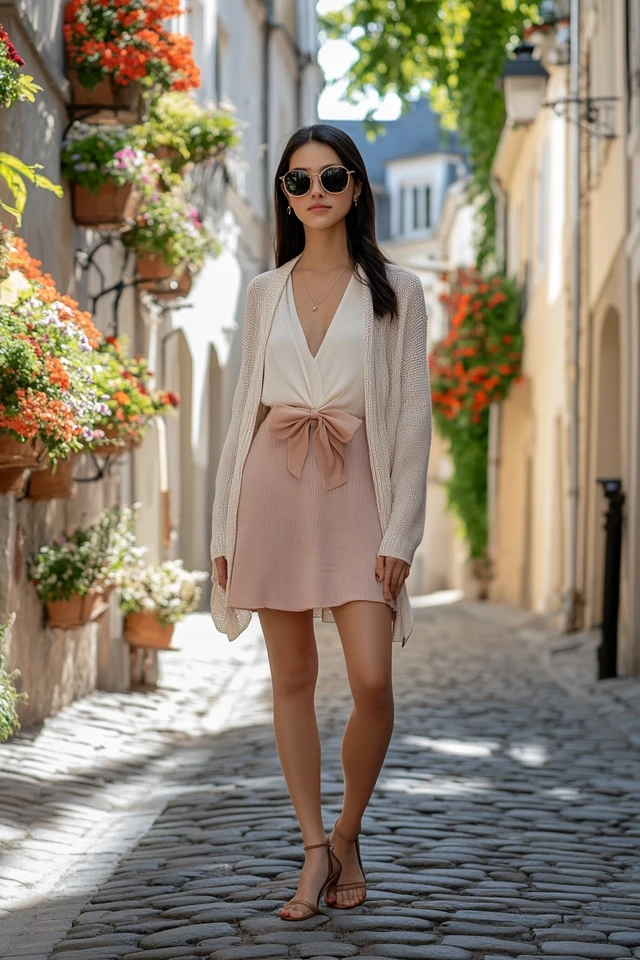
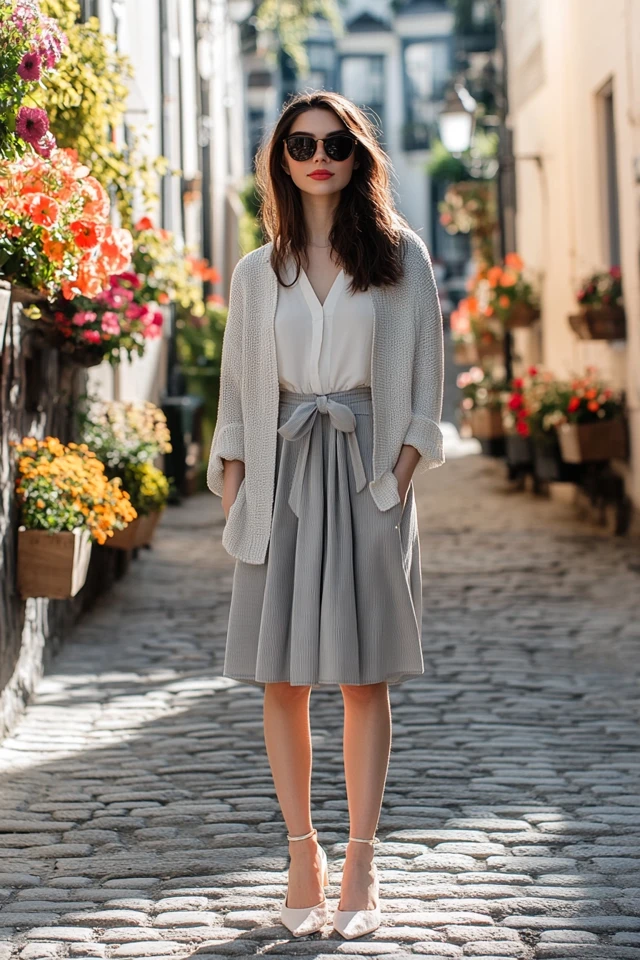
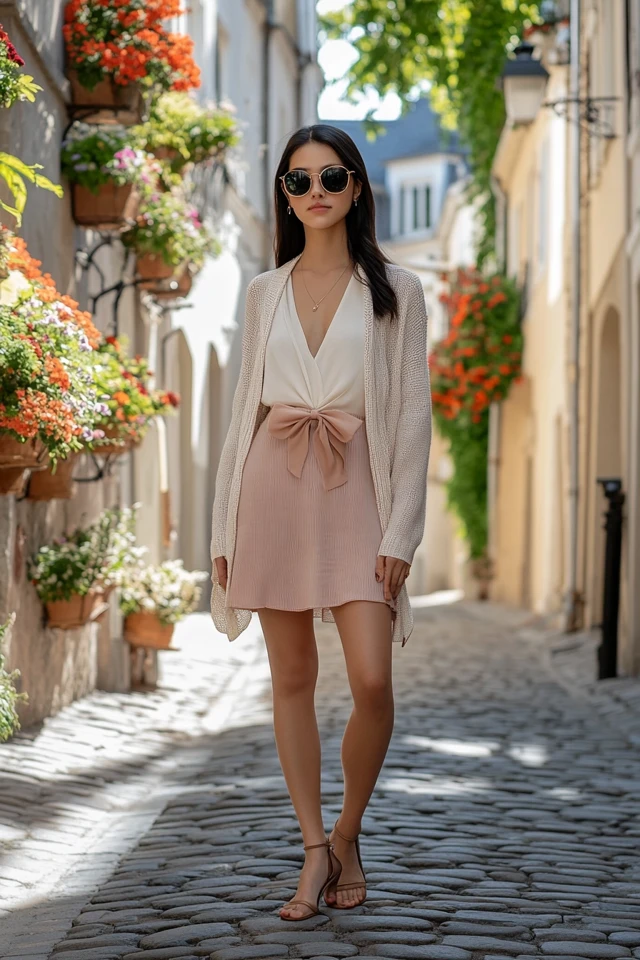
Ballet flats balance a midi skirt without adding bulk. See simple midi skirts for feminine looks for shapes that pair well. For cooler days, try them with a cardigan as in these cardigan and flats outfits.
Travel and long days
Pick a pair with a firmer sole and a little cushioning. More ideas are in comfortable flats for on-the-go style and on-the-go days.

Are ballet flats and loafers still in style?
Both are classic shapes that keep returning, so they are hard to call out of style. Trends shift in details such as toe shape, sole thickness and color, but a plain leather flat or loafer in black, brown or cream keeps working with whatever else you own. If you want the current look without committing, change the small things: a squarer toe, a thicker loafer sole or a slingback strap.

How long do flats last, and how do you care for them?
Thin soles wear out fast. Gina Hild, DPM, says "Shoes typically only last about six months or so depending on the activity level of the individual." If you wear one pair daily, expect to replace it sooner.
- Rotate pairs so each can dry and keep its shape.
- Wipe leather with a damp cloth and condition it now and then.
- Brush suede and use a protective spray before wet weather.
- Store them with tissue or shoe trees in a cool, dry place.
Height matters for your feet too. Atrium Health Wake Forest Baptist notes that high heels and tight shoes put pressure on the ball of the foot and the nerve, and the higher the heel, the greater the pressure. For a capsule closet, one neutral flat, one loafer and one low heel cover most outfits. See this capsule wardrobe guide for how they fit in.
Frequently asked questions
Are loafers still trendy?
Loafers are a long-running classic, so they rarely disappear. Chunkier soles and squarer toes look current, while a plain leather pair stays wearable either way.
What are flats with heels called?
Most are called kitten heels, or low heel flats when the heel is about an inch or less. A slingback with a small heel is a common example.
Are ballet flats out of style?
Ballet flats stay in rotation because the shape is simple and goes with many outfits. Choosing a neutral color and a slightly pointed or squared toe keeps them looking fresh.
Can ballet flats be comfortable for all-day wear?
They can if the fit is right and the shoe has a padded insole and some arch support. If you have foot pain, check with your podiatrist.
Filed under Wardrobe Basics