
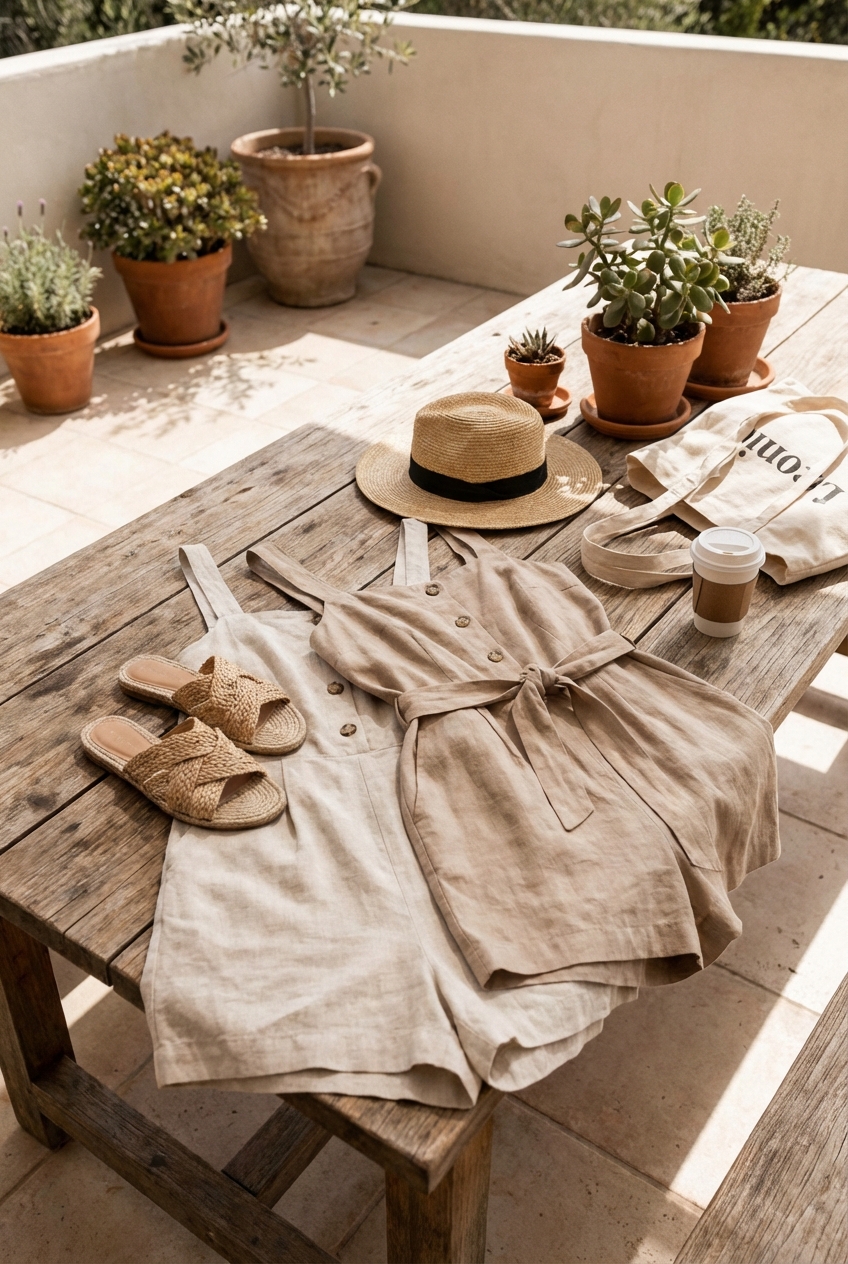
Simple Rompers For Easy Styling
There is a specific kind of freedom that comes with a well-tailored romper. In my years styling clients for vacation wardrobes and summer editorials, I have found that the romper is often the most underestimated piece in a closet. It solves the eternal struggle of matching a top to a bottom while offering more mobility than a mini dress.
However, many women avoid them because of a bad past experience with fit or fabric. I remember a specific fitting with a client who was convinced she was “too tall” for rompers because she had only ever tried fast-fashion brands that skimp on torso length. Once we moved her into a piece with a proper drop-waist and high-quality linen, her entire perspective shifted.
The key to mastering this look is not just buying a playsuit and hoping for the best; it is about understanding proportion, fabric weight, and the art of accessorizing. For a comprehensive look at how these elements come together, make sure to view the curated Picture Gallery at the end of the blog post.
1. Establishing the Correct Fit and Proportions
The difference between a romper looking chic versus childish lies entirely in the fit. The most critical measurement in a romper is not the waist or the bust; it is the torso length. This is the distance from the high point of your shoulder to the crotch seam.
If the torso measurement of the garment is shorter than your actual body, the romper will pull, ride up, and create an unflattering silhouette. When shopping, I always advise clients to size up if they are between sizes. It is much easier for a tailor to take in a waist than it is to fabricate length that does not exist.
You want the fabric to skim the body, not cling to it. There should be a slight blouson effect above the waistband. This extra fabric allows you to sit, reach, and move without the garment cutting into you.
Designer’s Note: The “Sit Test”
In the fitting room, do not just stand in front of the mirror. Sit down on a bench or chair. If the neckline pulls down significantly or the inseam cuts comfortably high, the torso is too short. A luxury fit maintains its shape whether you are standing or seated.
Common Fit Mistakes + Fixes
- Mistake: The inseam is too short, causing the inner thigh fabric to bunch up while walking.
- Fix: Look for an inseam of at least 3 to 4 inches. If you have athletic thighs, a 5-inch inseam with a wider leg opening provides a much cleaner drape.
- Mistake: The waist hits at the wrong spot, distorting your natural proportions.
- Fix: If you have a long torso, avoid elastic waistbands that sit at the natural waist; opt for a drawstring that allows you to adjust where the garment sits.
2. Fabric Selection for High-End Appeal
The material of your romper dictates where it can be worn. For a high-end aesthetic, natural fibers are almost always superior to synthetics. Synthetics like cheap polyester tend to trap heat and do not drape well, leading to a “boxy” look.
Linen is the gold standard for summer rompers. It breathes, it has a beautiful natural texture, and it ages well. However, you must look for medium-weight linen (around 150-170 GSM). If it is too thin, it will be sheer in sunlight; too thick, and it will feel like upholstery.
Silk and high-quality Cupro are excellent options for evening styling. These fabrics mimic the fluidity of a slip dress but offer the security of shorts. When choosing silk, look for a sand-washed finish, which reduces the shine and makes the piece feel more modern and less like lingerie.
What I’d Do in a Real Project: Fabric Assessment
- The Scrunch Test: Squeeze a handful of the fabric and let go. If it stays crumpled in a hard ball, it will look messy within five minutes of wearing it. If it bounces back slightly (like a linen-blend or Tencel), it is a winner.
- Opacity Check: Hold the romper up to a window or bright light. If you can see the outline of your hand clearly through a “solid” fabric, it requires a lining. I generally avoid unlined white rompers unless the fabric is denim or heavy canvas.
- Weight Distribution: The fabric needs enough weight to hang straight down. Lightweight jersey often clings to the stomach and rear. Structured cotton poplin or twill provides a much more flattering architectural shape.
3. The Art of Layering and The “Third Piece”
A romper on its own is a base; adding a third piece is what makes it an outfit. The “Third Piece Rule” in fashion suggests that every look needs three key elements (top, bottom, and a layer/accessory) to feel complete. Since a romper combines the top and bottom, you have to work harder with layers to add visual interest.
For a daytime look, an oversized denim jacket is a classic choice. However, pay attention to the jacket length. A jacket that hits exactly at the waist of the romper can make you look boxy. Aim for an oversized fit that falls below the hip, or a cropped jacket that hits just above the waistline.
For evening, a structured blazer transforms a romper into dinner-appropriate attire. The blazer should be long—ideally ending at the same length as the romper shorts or slightly longer. This creates a tuxedo-dress effect from the back but maintains the casual ease of shorts from the front.
Styling Formulas That Work
- The “Off-Duty Model”: Black silk romper + Oversized beige trench coat + White sneakers. The trench coat adds volume and movement, contrasting with the sleek romper.
- The “Summer Friday”: Linen utility romper + Lightweight cashmere cardigan draped over shoulders + Leather slides. The texture mix of linen and cashmere screams luxury.
- The “Date Night”: Strapless structured romper + Leather moto jacket + Strappy heels. The toughness of the leather balances the skin exposure of the romper.
4. Footwear Strategy and Leg Elongation
Because rompers cut off at the upper thigh, footwear plays a massive role in how your legs are perceived. The goal is usually to elongate the leg line, especially if the romper has a shorter inseam.
Heavy, chunky shoes can visually weigh you down when wearing shorts. If you are petite, avoid ankle straps with rompers. The strap cuts the visual line of the leg, making you appear shorter. Instead, opt for slides or mules that show the top of the foot.
For a casual look, a clean white leather sneaker is timeless. However, ensure the sneaker is low-profile. High-tops can be tricky with rompers unless you have very long legs, as they shorten the distance between the shoe and the hemline.
Heel Height Guidelines
When dressing up a romper, the heel height changes the vibe instantly.
- Flat Sandals: Perfect for beach to lunch. Look for leather or suede, not rubber flip-flops, to keep it elevated.
- Kitten Heels (1.5 – 2 inches): Ideally suited for work events or luncheons. They provide lift without feeling aggressive.
- Block Heels: The best practical choice for outdoor events. They balance the visual weight of a romper with wider leg openings.
- Stilettos: Use with caution. Ultra-high heels with very short rompers can veer away from “chic” quickly. If wearing stilettos, choose a romper with sleeves or a higher neckline to balance the exposure.
5. Accessories and Hardware Coordination
One of the easiest ways to upgrade a simple romper is to replace the sash it came with. Most rompers come with a matching fabric tie belt. While functional, these often look cheap and tend to loosen throughout the day.
Swap the fabric sash for a quality leather belt. A cognac leather belt on a white linen romper instantly adds structure and polish. It signals that you styled the outfit rather than just putting it on.
Jewelry selection depends on the neckline. For a V-neck wrap romper, layered gold chains fill the space beautifully. For a strapless or halter style, skip the necklace and focus on statement earrings to draw the eye up to your face.
Bag Selection
The scale of your handbag matters. A giant tote bag can overwhelm a delicate silk romper.
- Crossbody Bags: Ideal for defined-waist rompers. Ensure the bag hits at your hip, not your waist, to avoid adding bulk to your midsection.
- Clutches: The best option for loose, shift-style rompers. Since the garment has no waist definition, carrying a clutch keeps the silhouette clean and uninterrupted.
- Structured Top-Handles: Great for utilitarian or safari-style rompers. The structure of the bag complements the pockets and collars of the garment.
6. Practicality and Navigation
We must address the elephant in the room: using the restroom. It is the single biggest deterrent for women wearing rompers. However, you can mitigate the annoyance with smart shopping choices.
Look for rompers with stretchy necklines or side zippers rather than back zippers. A romper you can pull down without unzipping a hard-to-reach back closure is a game changer. Wrap-style fronts are often the easiest to navigate.
Also, consider the “rise” regarding comfort. The rise is the distance from the crotch seam to the waistband. In high-end design, we look for a slightly dropped crotch in casual rompers. This prevents the fabric from riding up when you walk and provides more room for movement.
Common Mistakes + Fixes: The Fit Issues
- Mistake: Visible panty lines (VPL) or bunching underwear.
- Fix: Rompers require seamless, laser-cut underwear. Because the fabric hangs from the shoulders, it often rests directly against the glutes. Boyshorts are often better than briefs under loose rompers as they provide coverage if a gust of wind catches the hem.
- Mistake: Bra straps showing in a racerback or halter style.
- Fix: Invest in a high-quality convertible bra or adhesive silicone covers. Visible bra straps instantly downgrade the look of a sleek romper.
Finish & Styling Checklist
Before you walk out the door, run through this mental checklist. It is what I use on set to ensure a look is camera-ready and functional.
The “Simple Rompers” Final Polish:
- Check the Hem: Bend over in front of a mirror. Does the back hem stay appropriate? If not, you need seamless shorts underneath or a longer layer on top.
- Swap the Belt: Have you replaced the flimsy fabric tie with a structured leather belt?
- Steam the Fabric: Wrinkles on a romper look worse than on a dress because of the complex construction. A quick steam is mandatory.
- Balance the Skin: If your legs are bare, consider a sleeve or a jacket. If your arms are bare, ensure the shorts aren’t micro-length.
- Hardware Match: Does the metal on your belt buckle match your jewelry and bag hardware? Mixed metals can work, but matching them looks more cohesive.
- The Sit Test: Sit down one last time. Is the waistband cutting in? Adjust the drawstring now, not later.
FAQs
How do I stop my romper from riding up when I walk?
This is usually caused by a torso measurement that is too short or an inseam that is too short for your thigh circumference. To fix this without buying a new item, you can have a tailor lower the crotch seam slightly if there is seam allowance, but usually, you need to size up. For styling, wearing a longer cardigan or duster can hide the movement in the back.
Can I wear a romper to a wedding?
Yes, but the fabric is the deciding factor. It must be silk, crepe, or high-end chiffon. Cotton or linen is too casual for most weddings. Look for a jumpsuit style (long legs) or a romper that mimics a cocktail dress with a skirt overlay. Always pair it with formal heels and a clutch.
What is the best romper style for a curvy figure?
A wrap-style romper is universally flattering. It creates a V-neckline which elongates the neck, and the tie-waist allows you to define your narrowest point. Avoid straight-cut “shift” rompers, as they can hide your shape and make you look boxy.
Are rompers appropriate for women over 40?
Absolutely. Style has no age limit; it only has fit requirements. Look for “safari” styles with collars and longer inseams (5 to 7 inches). These offer sophistication and structure. Pair them with a block heel sandal and a great pair of sunglasses for a chic, ageless look.
Conclusion
The romper is a powerhouse of the modern wardrobe. It offers the polish of a dress with the practicality of separates. By focusing on the crucial elements of fit—specifically torso length and inseam—and choosing natural, breathable fabrics, you can elevate this piece from basic to luxury.
Remember that styling is about balance. Use layers, footwear, and hardware to direct the eye and create the silhouette you want. Whether you are running errands in a linen utility suit or attending a dinner in a silk wrap piece, the confidence comes from knowing the fit is secure and the details are intentional.
Picture Gallery


