Sheath and Pencil Dresses: Differences and How to Wear
- Words by
- Julio Arco
- Published
- Reading
- 4 min
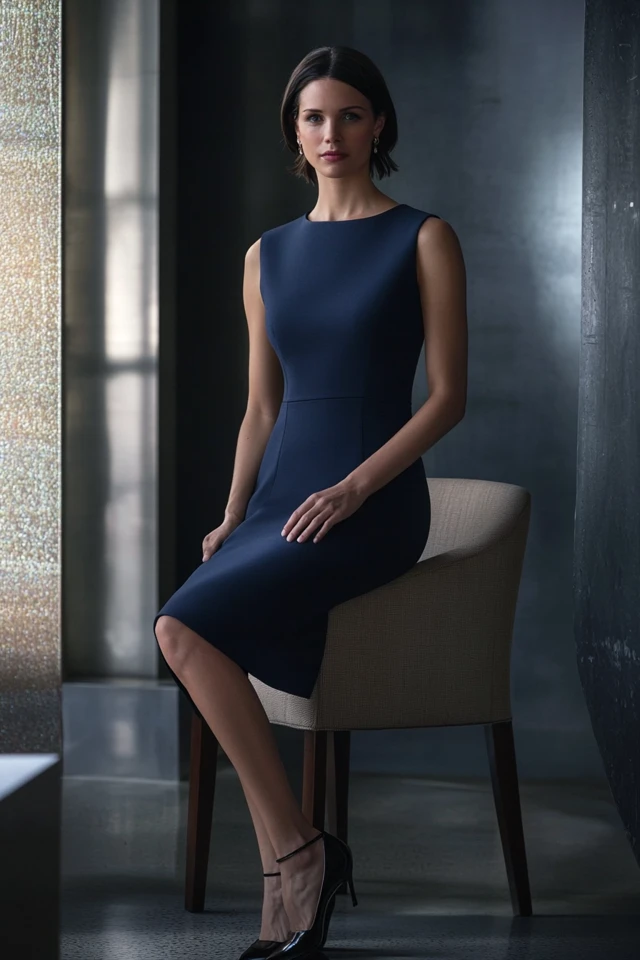
A sheath dress follows the body in a straight line from shoulder to hem and skims the waist instead of pinching it. A pencil dress is the closer, narrower cousin: it tapers toward the hem and usually fits more snugly through the hips and thighs. Both are clean, tailored and easy to dress up.
Below: how the two differ, which cut suits which frame, and how to style them for the office, a wedding or a dinner.
What is the difference between a sheath and a pencil dress?
The difference between sheath and pencil dress comes down to the shape below the waist. A sheath hangs fairly straight and often has darts for shaping, so it follows your curves without gripping them. A pencil dress narrows toward the knee or calf, which gives a more fitted, column-like line and less room to stride.
In practice, shops use the terms loosely, and many dresses sit between the two. Check the product photo from the side: if the skirt tapers noticeably at the hem, it behaves like a pencil dress. If it falls straight, it is a sheath.
Sheath dresses are often sleeveless, with hemlines from just above the knee to midi. Pencil dresses tend to land at or below the knee.
What body type looks good in a sheath dress?
Most body types can wear one, because the straight line does not depend on a particular shape. What changes is the detail you choose. If a dress pulls across the hips or bust, that is a fit problem, not a you problem, and a different size or a tailor's adjustment fixes it.
Petite frames
A hem at or just above the knee keeps the leg line long. Solid colors or small prints stay in proportion with a smaller frame.
Curvy figures
Look for fabric with some stretch, or darts that shape the dress at the bust and waist. A pencil dress with belt detailing helps mark the waist without extra volume.
Athletic builds
Ruching, a peplum or an embellished neckline adds softness at the waist and shoulders. A slight flare below the hip also helps.
Plus sizes
Structured fabrics such as crepe or ponte knit hold their shape and look smooth. V-necklines and empire seams lengthen the torso and balance the proportions.

Through the lens of evidence-based design, I'd look at the neckline first, because the eye reads it before anything else. A V or scoop draws attention upward and leaves the straight line of the skirt to do the rest.

Midi sheath and pencil dresses
Midi sheath and pencil dresses sit between the knee and mid-calf, which makes them the easiest length to move from office to dinner. Mid-calf can cut the leg visually, so pair it with a heel or a pointed flat if you want length. A narrow pencil skirt at this length limits your step, so check that you can walk and sit comfortably before buying.

Pencil dresses for work
Pencil dresses for work succeed when the fabric is opaque and holds its shape through a day of sitting. Crepe, ponte knit and a heavier silk blend are reliable choices.
- Choose navy, charcoal, black or a soft neutral as your base.
- Add a tailored blazer and classic pumps.
- Keep jewelry small and carry a structured tote.
For more office ideas, see these tailored sheath dresses for business.
Belted and structured styles
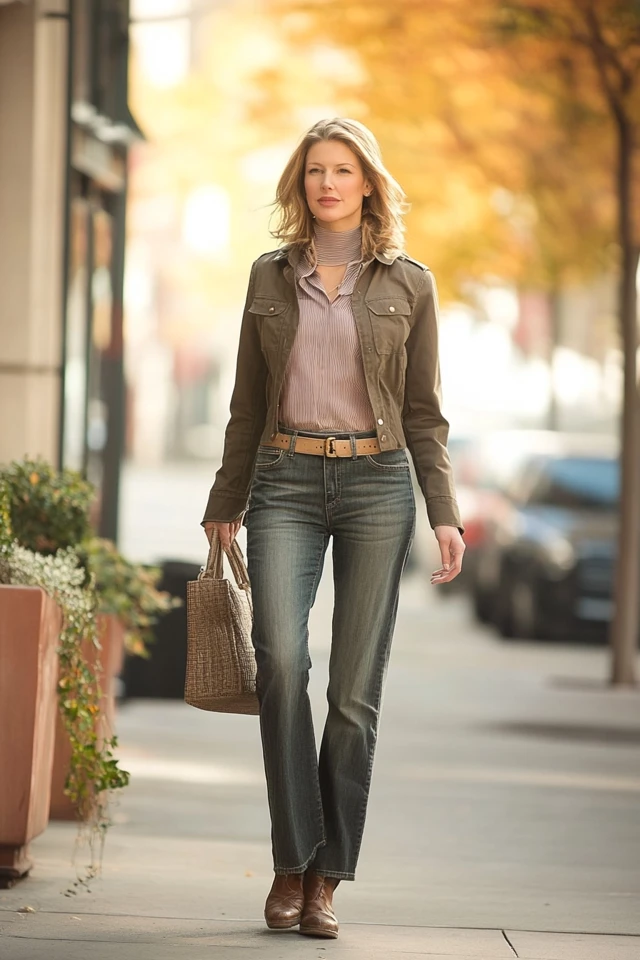
A belt turns a straight sheath into a defined waist in seconds. Keep it narrow to medium width and match it to the dress or your shoes. A pencil dress with belt details works best in a fabric with body, since soft jersey wrinkles under the buckle.
Sheath and pencil dresses for a wedding guest
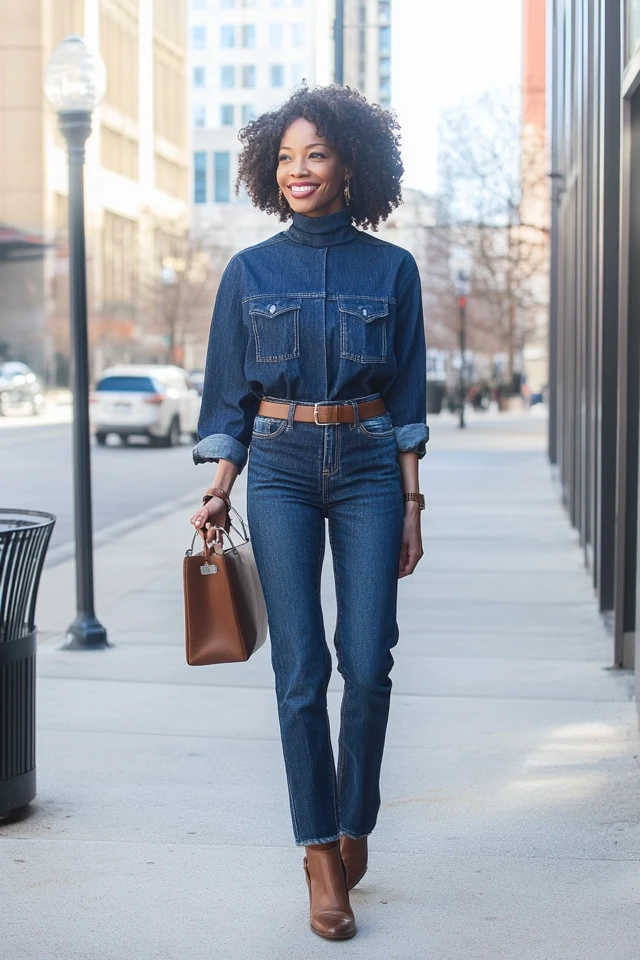
For sheath and pencil dresses wedding guest outfits, soft pastels, florals and deeper jewel tones all work. Pair them with nude or metallic heels and delicate jewelry. Check the invitation for dress code, and avoid white or ivory.
Texture adds interest without changing the silhouette. Lace, jacquard and a light crepe each catch light differently, so the same color can look quieter or richer depending on the weave.

Other occasions
- Cocktail: a bold color such as red or emerald, with statement earrings and a metallic clutch.
- Weekend brunch: a lightweight cotton or linen sheath with flat sandals or sneakers.
- Evening: satin or velvet with pointed-toe heels.
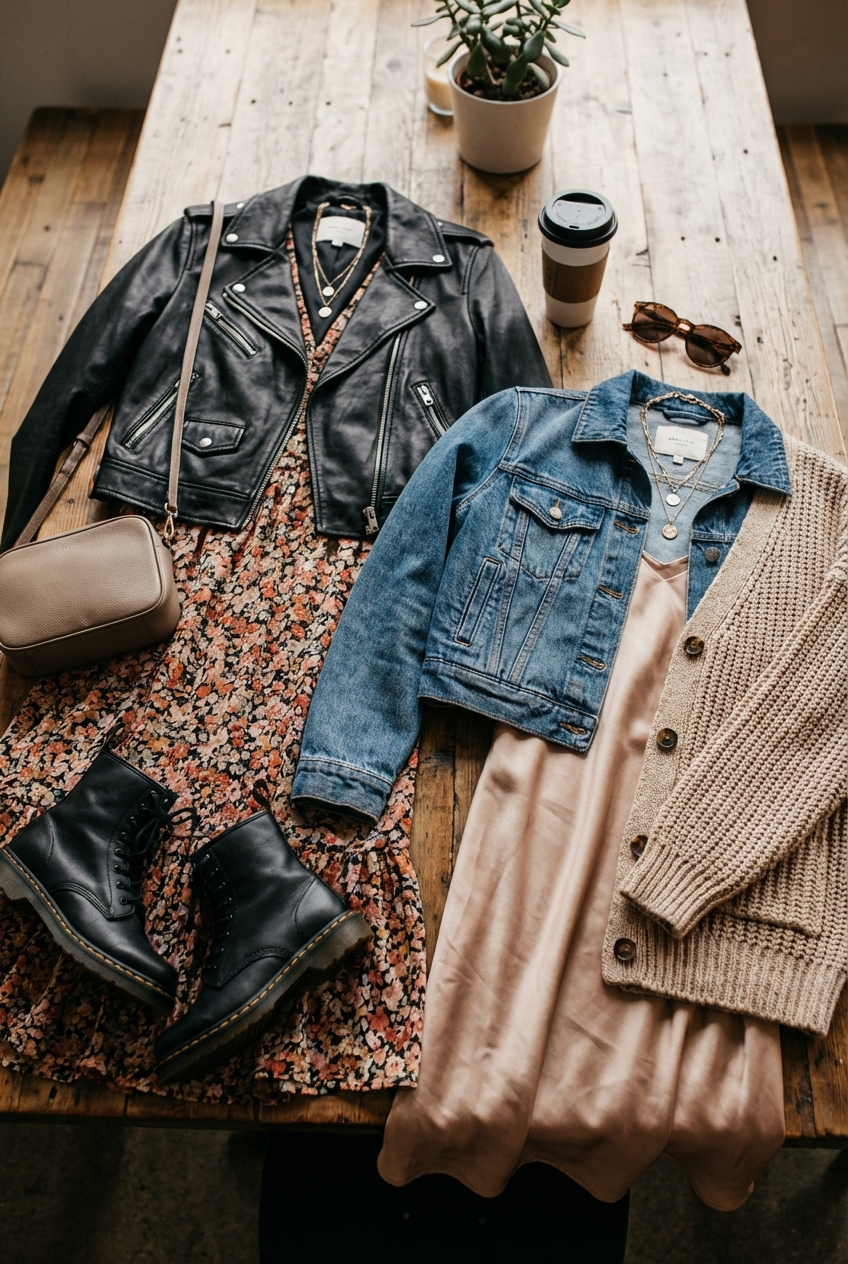
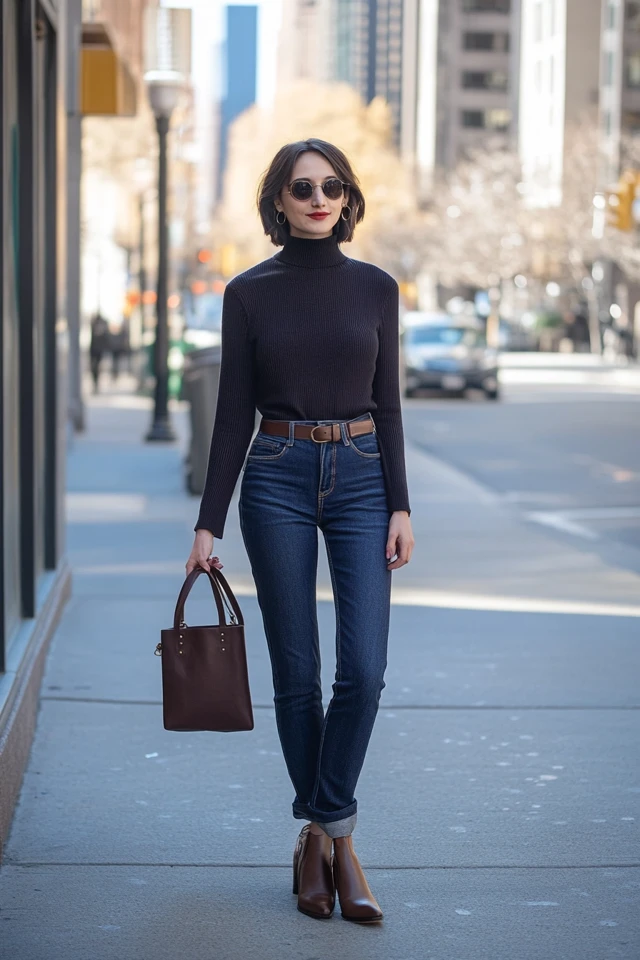
- Cooler weather: tights, ankle boots and a tailored coat, or a turtleneck under a sleeveless sheath.

If you like a more modern cut, try the asymmetrical dresses, or see the broader guide to sheath dress styling. Satin tops pair well with skirts in the same family: see satin blouses for evening.
Buying and caring for a sheath or pencil dress
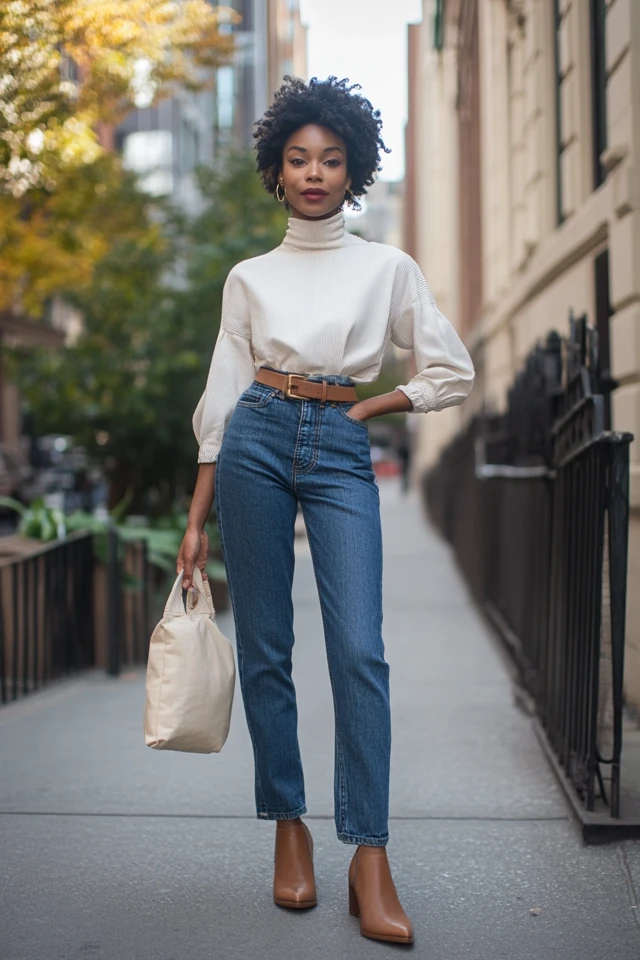
- Choose crepe, ponte knit or silk for structure that lasts.
- Have the waist and hem adjusted by a tailor if needed. A good fit matters more than the label.
- Hand wash delicate fabrics or use a gentle cycle, and check the care tag first.
- Store it on a padded hanger to avoid stretching at the shoulders.
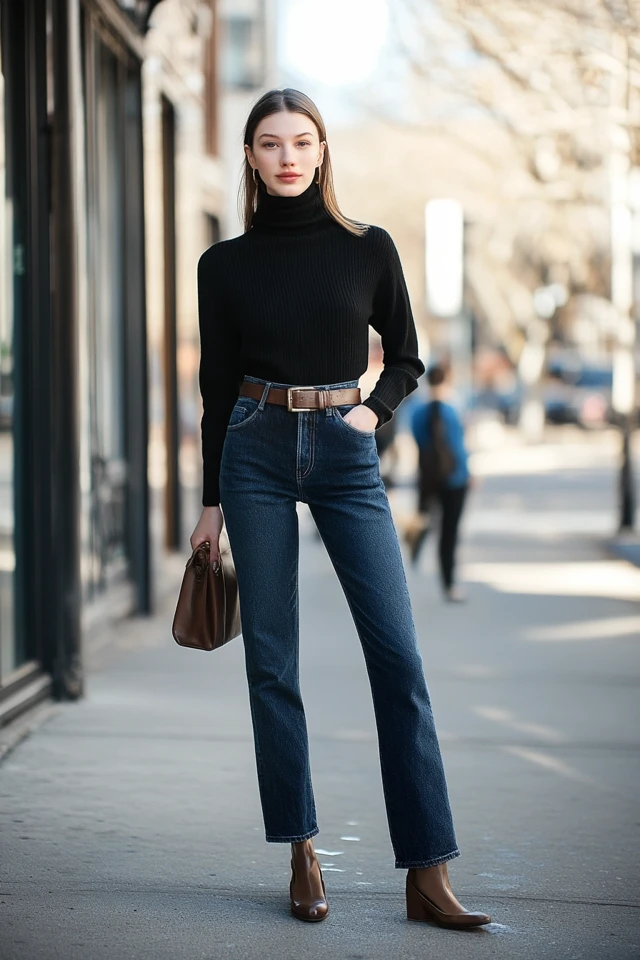
Finish the look with slingback heels for a clean line from hem to shoe.

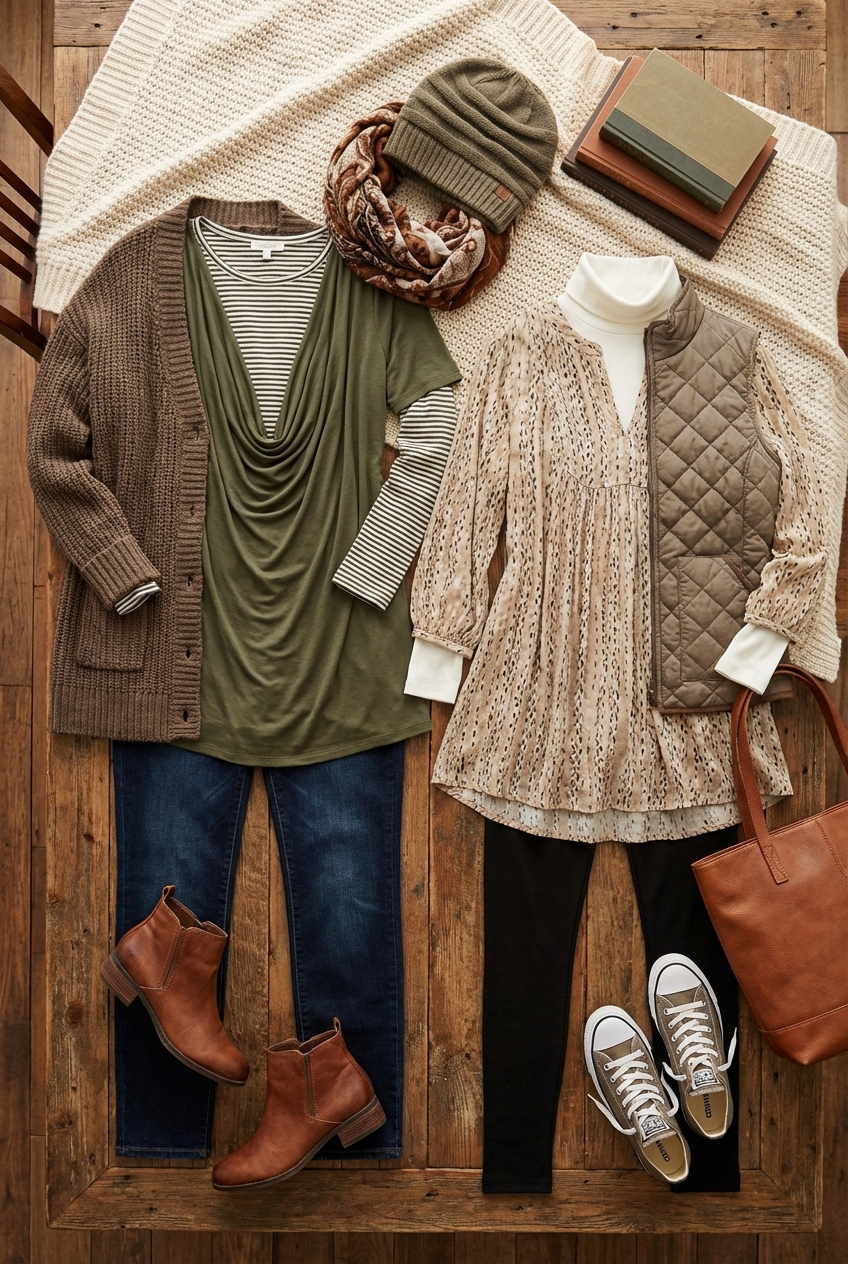
Layering with a blazer, cardigan or shawl lets one dress work across seasons.

Frequently asked questions
Do pencil dresses exist?
Yes. A pencil dress is a fitted dress that narrows toward the hem, like a pencil skirt in dress form. Many stores group it with sheath dresses, so check the side view for taper.
Are sheath dresses in style?
Sheath dresses are a long-standing classic, so they rarely disappear. Details such as texture, midi length and asymmetrical necklines change from season to season.
Can a sheath dress be worn casually?
Yes. A cotton or jersey sheath with flat sandals or clean sneakers reads relaxed.
What shoes go with a sheath dress?
Pointed-toe pumps, strappy sandals and ankle boots all work. Pick by occasion and hem length.
Filed under Style & Fit