
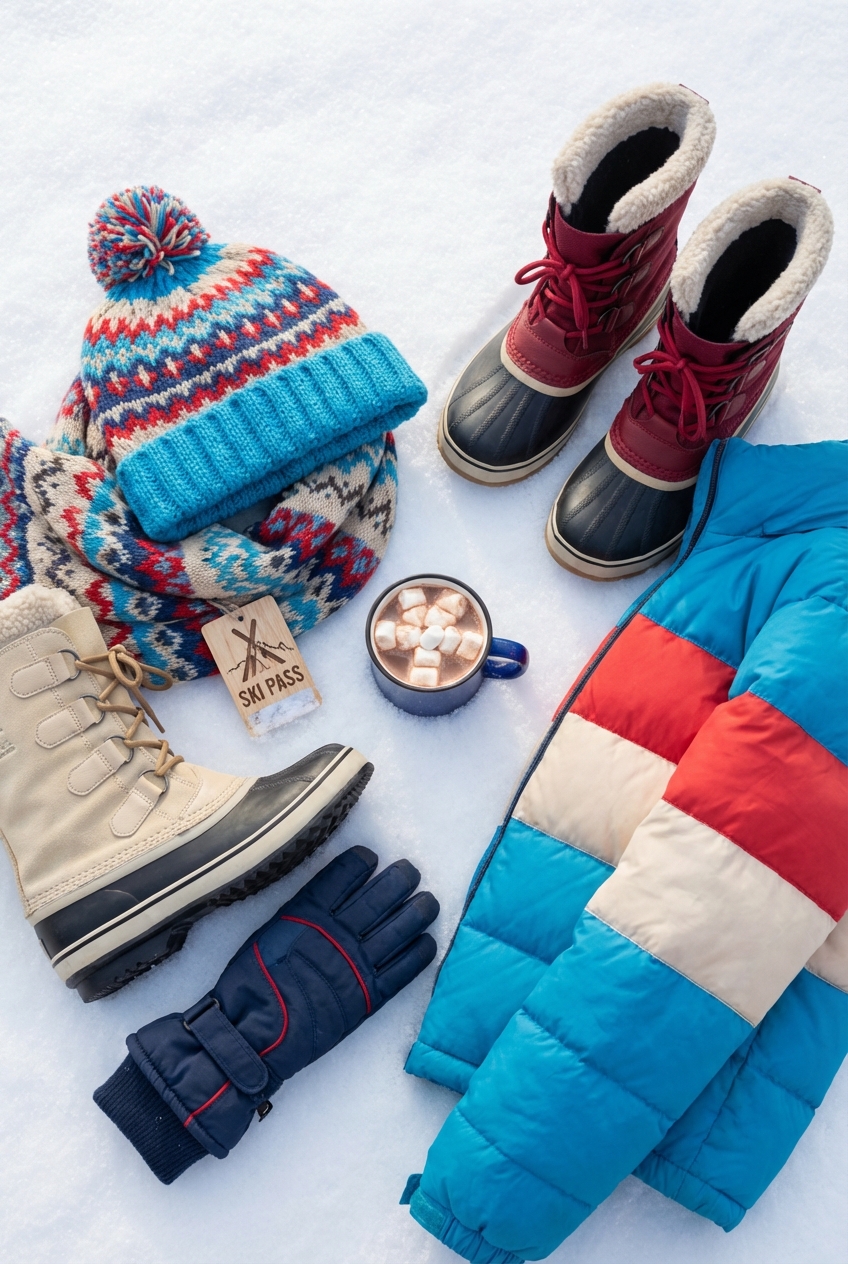
Snow Day Styles Fashionable Outfits For Playing In The Snow
There is a specific kind of silence that falls over the world when it snows. It is an invitation to step outside, breathe the crisp air, and rediscover a sense of play that we often lose in our adult lives. However, nothing ruins that magical moment faster than the physical discomfort of being cold, wet, or unable to move because you are buried under indiscriminate layers of bulk.
As someone who approaches style with the same rigor as architectural design, I believe functional warmth and high-end aesthetics are not mutually exclusive. The challenge is navigating the physics of insulation while maintaining a flattering silhouette. We often assume that to be warm, we must look shapeless, but that is a fundamental misunderstanding of modern textiles and proportion.
This guide is dedicated to the art of the snow day outfit. We will cover the technical requirements of fabrics, how to layer without adding visual weight, and how to select pieces that transition from a snowball fight to a fireside cocoa without missing a beat. If you are looking for specific visual inspiration, make sure to check out the curated Picture Gallery at the end of the blog post.
The Foundation: Architectural Base Layers
In design, a structure is only as good as its foundation. In snow fashion, your base layer dictates your comfort level for the entire day. The most common mistake I see clients make is reaching for cotton thermals. Cotton absorbs moisture and holds it against the skin, which rapidly lowers body temperature.
For a high-end approach, you must invest in Merino wool or high-tech synthetics. Merino wool is naturally antimicrobial and temperature-regulating. It wicks moisture away from the skin, keeping you dry even if you work up a sweat trudging through drifts.
When selecting a base layer, pay attention to the fabric weight, usually measured in grams per square meter (GSM).
- 150-175 GSM: Ultralight. Good for high-output activities like cross-country skiing, but potentially too thin for standing around.
- 200-250 GSM: The “Goldilocks” zone. This weight offers substantial warmth without adding bulk under tailored pants or sweaters.
- 250+ GSM: Heavyweight. This is essentially a sweater. Only use this if you plan to be stationary in sub-zero temperatures.
Designer’s Note:
A common issue is “bunching” at the joints. Ensure your base layer fits like a second skin. If there is excess fabric at the knees or elbows, it will create uncomfortable friction points once you add your outer layers. Look for flat-lock seams, which lay flat against the skin and prevent chafing.
The Mid-Layer: Managing Volume and Texture
The mid-layer is your insulation tier. Its primary job is to trap body heat. From a styling perspective, this is where you can introduce texture and color. However, this is also where the “marshmallow effect” usually begins. To avoid this, we need to look at material density rather than thickness.
Cashmere is a superior choice here. It provides roughly eight times the insulation of regular sheep’s wool relative to its weight. A 2-ply cashmere sweater offers incredible warmth while remaining thin enough to slip under a fitted coat.
Alternatively, performance fleece has come a long way. High-pile fleece (often called “sherpa”) traps significant amounts of air, which is the key to insulation. If you choose fleece, look for a “grid fleece” interior. The grid pattern reduces weight and increases breathability while maintaining warmth.
Common Mistakes + Fixes:
- Mistake: Wearing a bulky cable-knit sweater as a mid-layer under a puffer jacket.
- Fix: This restricts arm movement and makes you look wider than you are. Save the cable knits for après-ski when the coat comes off. For active snow play, choose a thinner, denser knit or a vest.
- Mistake: Ignoring neck protection.
- Fix: Choose a turtleneck or mock-neck mid-layer. It eliminates the need for a scarf that might unravel during play and seals the chimney effect, preventing heat from escaping upwards.
The Outer Shell: Evaluating Fill Power and Length
Your outer layer interacts with the elements. It needs to be windproof and water-resistant. When selecting a coat for snow play, we look at “fill power” regarding down insulation. Fill power measures the loft of the down; higher numbers mean higher quality down that traps more air with less weight.
For a fashionable yet functional snow day look, aim for a fill power between 600 and 800. This range provides significant warmth without the extreme puffiness of expedition-grade gear. If you prefer a synthetic alternative (which stays warm even if wet), look for branded insulations like PrimaLoft Gold or Silver.
Pro-Level Rules of Thumb for Coat Length:
- The Hip Rule: If you are active (building snowmen, sledding), a hip-length jacket allows for leg movement.
- The Coverage Rule: If you are supervising or walking, a mid-thigh to knee-length coat is superior as it covers the largest muscle groups (glutes and quads), retaining massive amounts of heat.
- The Belt Rule: To maintain a feminine silhouette in a puffer, always opt for a belted style or one with internal drawstring cinching at the waist.
What I’d do in a real project:
I would source a coat with a waterproof rating of at least 10,000mm. This means the fabric can withstand 10,000 millimeters of water pressure before leaking. Snow is wet; water resistance is non-negotiable. I also look for wrist gaiters—those stretchy inner cuffs with thumbholes. They prevent snow from creeping up your sleeves, which is a tiny detail that makes a massive difference in comfort.
Lower Body Logistics: Fit and Fabric Denier
Pants are notoriously difficult to style for snow. You want to avoid the “Michelin Man” leg, but you cannot wear standard denim. Denim freezes, becomes stiff, and offers zero insulation.
For a sleek look, fleece-lined softshell pants are the industry standard for stylish winter wear. They offer a smooth, matte finish on the outside that repels water, with a bonded fleece interior for warmth. They fit closer to the body than traditional ski pants, mimicking the silhouette of a trouser or legging.
If you are dealing with deep snow, you need actual snow pants. Pay attention to the “denier” of the outer fabric. Denier measures the thickness of the fiber.
- Lower Denier (20-40D): Softer, lighter, feels more like fashion fabric. Good for light play.
- Higher Denier (70D+): Tough, stiff, durable. Necessary if you are kneeling on ice or sledding on rough terrain.
Real-World Lesson:
I once styled a client for a winter trip who insisted on wearing regular leggings under snow pants. She overheated immediately and had no way to regulate. Instead, I recommend a dedicated thermal legging worn alone (if the weather permits and they are wind-block) or a shell pant over a base layer with side vents. Vents allow you to dump heat quickly without undressing.
Footwear Engineering: Traction and Insulation
Footwear is where fashion often fails function. For snow play, a standard leather boot is dangerous and cold. You need specific engineering. We look for three things: insulation weight, sole composition, and shaft height.
Insulation Weight:
Winter boots are rated by the grams of insulation used.
- 200g: Suitable for cool fall days or short trips outside.
- 400g: The standard for active winter days. Warm enough for playing in the snow but not so heavy they drag your feet down.
- 600g+: For sedentary activities like ice fishing or standing at a parade.
Sole Composition:
Look for “lug soles” made of soft rubber compounds. Hard plastic soles freeze and become slippery on ice. Softer rubber grips the ground. Brands like Vibram make specific “Arctic Grip” soles designed for wet ice.
Designer’s Note on Sizing:
Always buy winter boots a half-size larger than your street shoe. You need a layer of warm air between your sock and the boot wall to keep your feet warm. If the boot is tight, it cuts off circulation and eliminates that air pocket, leading to cold toes regardless of the boot’s rating.
Accessories: The Hardware of the Outfit
Accessories are the finishing touches that tie the look together, but in snow, they are vital survival tools. The “hardware” includes gloves, hats, and socks.
Gloves vs. Mittens:
Mittens are warmer than gloves because your fingers share a heat pocket. For playing in the snow, leather or nylon mittens with a waterproof membrane (like Gore-Tex) are ideal. Wool gloves soak up water and become useless quickly. Look for mittens with “leashes”—wrist straps that let you take them off without dropping them in the snow.
Hats:
You lose significant heat through your head. A beanie should be composed of at least 50% wool or cashmere. Acrylic hats may look cute, but they trap sweat without breathing, leading to a cold, damp head. A pom-pom adds verticality and playfulness, balancing the visual weight of a heavy coat.
Socks:
One pair of high-quality Merino wool socks is superior to two pairs of cotton socks. Layering socks often causes bunching and tightness. Look for “cushioned” soles for comfort and warmth retention.
Finish & Styling Checklist
Before you head out into the drifts, run through this final styling and functional checklist to ensure your look works.
- Check Your Proportions: If your coat is puffy, keep your pants slim or fitted. If your pants are wide-leg snow trousers, ensure your top is more fitted or belted.
- The Sit Test: Squat down. Does your coat ride up? Do your pants expose your lower back? Snow will find these gaps.
- Color Coordination: Monochromatic looks (all cream, all black, or all navy) elongate the body and look expensive. If you want color, choose one statement piece (like a bright beanie or red gloves) against a neutral base.
- Waterproof Check: Did you spray your suede or leather elements with a water-repellent spray 24 hours ago?
- Layering Order: Base layer (tight) > Mid-layer (looser) > Outer shell (weatherproof).
- Skin Protection: Snow reflects up to 80% of UV rays. Wear sunscreen and sunglasses.
FAQs
Can I wear jeans in the snow if I have long underwear on?
I strongly advise against it. Even with long underwear, denim absorbs water from the outside. Once wet, it becomes heavy, freezes stiff, and saps body heat. If you love the look of denim, look for “technical denim” designed for skiing, which has water-resistant properties, or stick to snow pants.
How do I wash my technical snow gear?
Never use standard laundry detergent or fabric softener on waterproof gear (like Gore-Tex or DWR-treated fabrics). Detergents strip the water-repellent coating. Use a specialized tech wash. Wash on a gentle cycle and tumble dry on low heat; the heat actually reactivates the water-repellency.
My feet always get cold, even in expensive boots. Why?
This is usually a sock or sweat issue. If your feet sweat in cotton socks, the wet cotton makes you cold. Switch to wool. Also, check your lacing. If your boots are laced too tightly across the instep, you are restricting blood flow to your toes.
Is real fur warmer than faux fur for hood trim?
Technically, real coyote or fox fur disrupts wind turbulence better than most synthetics, creating a pocket of still, warm air in front of the face. However, high-quality modern faux furs have become incredibly effective at this task. The primary function of the hood trim is to catch snow flakes before they hit your eyes and to cut the wind.
Conclusion
Dressing for a snow day does not require sacrificing your personal style. It simply requires a shift in perspective—viewing your clothing as a system of layers designed to work together. By prioritizing materials like Merino wool and down, understanding the importance of fit and airflow, and balancing the volume of your silhouette, you can create a look that is as chic as it is capable.
The goal is to feel confident and protected so you can focus on the experience. Whether you are building a fortress or simply taking a walk in the hushed quiet of a winter morning, the right outfit makes the cold an adventure rather than an ordeal.
Picture Gallery


