
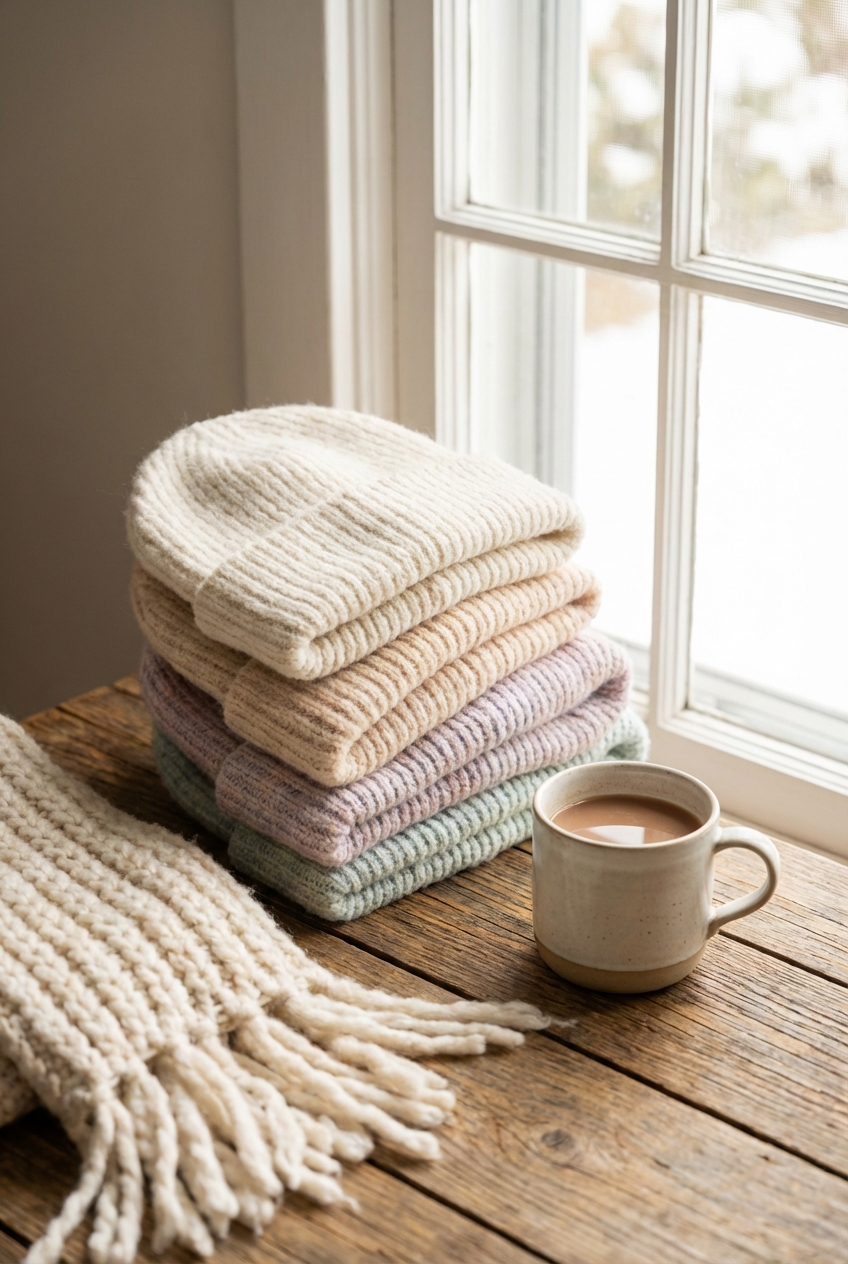
Soft Beanies For Cozy Winter Accessories
Introduction
There is a distinct shift in the air when winter truly settles in. It is that moment when your structured wool coat is no longer enough, and you find yourself craving textures that soften the harshness of the cold. As a fashion stylist, I often see clients treat winter accessories as afterthoughts, grabbing whatever is nearest to the door. However, a soft beanie is arguably the most critical component of a winter wardrobe because it frames your face and dictates the vibe of your entire outfit.
When chosen correctly, a beanie does more than keep you warm; it acts as the finishing touch that ties a look together. It can soften a severe jawline, add height to a round face, or inject a necessary pop of color into a monochrome ensemble. The difference between looking effortless and looking unkempt often comes down to the gauge of the knit and the quality of the fiber.
I have curated a guide to help you select the perfect piece, focusing on fiber quality, fit mechanics, and styling ratios. If you are looking for visual inspiration, please note that the Picture Gallery is at the end of the blog post.
Understanding Fiber Composition and Quality
The first rule of high-end styling is that fabric dictates form. You cannot achieve a luxurious drape or a comfortable fit if the material fighting against you. In the world of beanies, natural fibers are almost always superior to synthetics for both warmth and aesthetic appeal.
When I am sourcing accessories for a shoot or a client, I look at the label before I even look at the price tag. Your skin is more sensitive on your forehead than almost anywhere else, meaning itchiness is a dealbreaker. Cashmere is the gold standard here. It provides insulation without bulk, making it perfect for sleek, city-appropriate looks.
However, do not discount alpaca or merino wool. Merino has active properties that wick moisture away, which is crucial if you are moving between cold streets and overheated subway cars. Alpaca is hypoallergenic and often softer than sheep’s wool, though it can have a “halo” or fuzzy texture that adds volume.
Designer’s Note: The “Touch Test”
When you are shopping, press the beanie against the inside of your wrist or your neck. These areas are sensitive indicators of how the fiber will feel on your forehead after four hours of wear. If there is even a hint of scratchiness, put it back. No amount of styling will make an itchy hat look good because you will constantly be adjusting it.
The Mechanics of Fit and Proportion
Fit is not one-size-fits-all, specifically when it comes to headwear. The scale of the beanie must relate to the scale of your features and the volume of your hair. A common mistake I see is wearing a beanie that is too tight, creating a “swimming cap” effect that is rarely flattering.
For a balanced look, you generally want a beanie that provides a bit of breathing room at the crown. This is often referred to as “loft.” If you have a smaller face, avoid massive, chunky cable knits that overwhelm your features. Opt for a finer gauge rib knit that hugs the head without squeezing.
Conversely, if you have voluminous curly hair or a stronger jawline, a chunky weight yarn provides necessary balance. The visual weight of the hat stands up to the visual weight of your hair. You need to ensure the cuff of the beanie is substantial—usually about two to three inches—to ground the look.
Common Mistakes + Fixes
Mistake: Pulling the beanie down over the eyebrows.
Fix: The ideal placement is just along the hairline or slightly back. You want to show at least the bottom third of your forehead to keep your face open and bright.
Mistake: Leaving a “reservoir tip” at the top.
Fix: While a slouchy look is stylish, an empty pocket of fabric sticking straight up looks accidental. Pull the beanie down, then fold or scrunch the excess fabric at the back of your head for an intentional drape.
Styling Ratios: High-Low Juxtaposition
The most chic way to wear a soft beanie is by utilizing the theory of juxtaposition. This means pairing the casual, cozy nature of the beanie with something structured or tailored. This creates tension in the outfit that reads as high fashion rather than “I just rolled out of bed.”
In my professional projects, I love pairing a slouchy cashmere beanie with a sharp, double-breasted blazer or a structured trench coat. The clean lines of the coat contrast beautifully with the soft, organic shape of the hat. This works particularly well if the colors are tonal but the textures are different.
For a weekend look, try pairing a ribbed beanie with a silk midi skirt and a chunky sweater. The mix of the utilitarian hat with the delicate silk skirt is unexpected and visually interesting. It bridges the gap between functional winter wear and feminine elegance.
What I’d Do in a Real Project
- The Commuter Look: I would style a camel wool coat with a grey cashmere beanie. I would ensure the beanie is a fine gauge knit to keep the silhouette sleek.
- The Weekend Stroll: I would choose a chunky cream cable-knit beanie with a pom-pom. I would pair this with a puffer jacket and leggings to play with volume.
- The Evening Transition: I would select a black, fitted beanie in a silk-cashmere blend. I would pair this with a leather jacket and dark denim for an edgy, monochromatic vibe.
Color Theory for Winter Accessories
Winter wardrobes can easily devolve into endless seas of black and grey. While neutrals are a safe investment, a beanie is the lowest-risk way to introduce color theory into your rotation. Because it is an accessory, it does not have to match your outfit perfectly; it just needs to coordinate.
If you have a cool skin tone, look for beanies in jewel tones like emerald green, sapphire blue, or a cool-toned charcoal. These colors will brighten your complexion and prevent you from looking washed out during the darker months.
For warm skin tones, earth tones are incredibly flattering. Think rust orange, mustard yellow, or a warm oatmeal beige. These colors harmonize with warm undertones and add a richness to the look.
Coordinate, Don’t Match
Avoid the “gift set” look where your beanie, scarf, and gloves are all the exact same shade and fabric. It looks dated. Instead, aim for a cohesive palette. If your coat is navy, try a burgundy beanie. If your coat is camel, a cream or forest green beanie looks sophisticated.
Handling “Hat Hair” and Static
One of the biggest barriers to wearing beanies is the fear of hat hair. As a stylist, I have to manage this on set constantly. The friction between dry winter hair and wool fibers creates static electricity, leading to flyaways and flattened roots.
The material of the beanie plays a huge role here. Synthetic fibers like acrylic are the worst offenders for static. Natural fibers conduct less static electricity. For clients with very delicate or textured hair, I always recommend beanies lined with silk or satin. This protects the hair cuticle and reduces friction.
To maintain volume, flip your hair into a loose part on the opposite side of where you normally wear it before putting on the hat. When you take the hat off and flip your hair back, you will retain some lift at the roots.
Pro Tip: The Dry Shampoo Trick
Spray a little dry shampoo at your roots before you put the beanie on, even if your hair is clean. The powder provides grit and texture that helps your hair bounce back when you remove the hat.
Care and Maintenance for Longevity
High-quality soft beanies are investments, and they require specific care to maintain their shape and hand-feel. The biggest enemy of wool and cashmere is heat and agitation. Never throw a luxury beanie in the washing machine, even on the delicate cycle, unless the label explicitly states it is superwash wool.
Hand washing is the only safe route. Use a basin of lukewarm water (never hot) and a dedicated wool detergent. traditional laundry detergent contains enzymes that can break down protein fibers like wool and cashmere, leading to holes over time.
Submerge the beanie and gently squeeze the suds through the fibers. Do not wring or twist the hat, as this will distort the shape permanently. Rinse with cool water until all soap is gone.
Drying and Storage
To dry, lay the beanie flat on a clean, white towel. Roll the towel up like a sleeping bag to press out excess water, then unroll and reshape the beanie on a drying rack. Never hang a wet beanie; the weight of the water will stretch it out vertically, ruining the fit.
Pilling is natural for soft fibers. It does not mean the quality is bad; it means the fibers are short and soft. Invest in a simple sweater comb or electric fabric shaver. A quick pass once a month keeps the beanie looking brand new.
Finish & Styling Checklist
Before you head out the door, run through this mental checklist to ensure your accessory is elevating your look rather than detracting from it.
- Check the Placement: Is the beanie sitting at your hairline or slightly back? Ensure you aren’t hiding your eyebrows completely.
- Adjust the Loft: Is there a weird empty pocket at the top? Pull it down or fold it back for a streamlined silhouette.
- Texture Check: Does the knit texture clash with your coat? Aim for contrast (smooth coat with chunky knit, or textured coat with smooth knit).
- Color Balance: Does the beanie color tie into another element of your outfit, like your shoes or bag?
- Hair Management: Have you pulled out a few face-framing pieces of hair? This softens the look and keeps it feminine.
FAQs
Can I wear a beanie with glasses?
Absolutely. The key is to avoid a beanie that is too tight. If the knit is tight, it presses the arms of your glasses into your temples, which causes headaches. Look for a slouchier fit or a loser rib knit that has plenty of stretch.
How do I stop my beanie from sliding up?
This usually happens because the beanie is too small or the elastic in the ribbing has worn out. It can also happen if you have very silky, clean hair. Securing the beanie with two bobby pins just behind the ears (hidden in the fold of the cuff) works wonders.
Is cashmere worth the price difference over wool?
In my professional opinion, yes. Cashmere is eight times warmer than sheep’s wool relative to its weight. This means you can wear a thinner, more elegant hat and still be warmer than you would be in a bulky wool hat. It is also significantly softer, which matters for an accessory that touches your face.
Can I wear a beanie indoors?
Fashion rules have relaxed, but context is key. In a casual coffee shop or creative office, a beanie is perfectly acceptable. In a formal meeting or a nice restaurant, it should be removed. If you plan to wear it all day, choose a lighter weight cotton-cashmere blend so you don’t overheat.
Conclusion
Embracing winter fashion is about finding joy in the layers. A soft beanie is a small accessory that makes a massive impact on your comfort and your style. By focusing on natural fibers like cashmere and alpaca, paying attention to the proportion of the knit relative to your face, and caring for the item properly, you turn a functional necessity into a signature style element.
Don’t be afraid to experiment with color or texture. Winter is long, and having a rotation of high-quality beanies ensures you feel polished even on the coldest, grayest days. Investing in quality now means you will have a reliable, stylish companion for winters to come.
Picture Gallery


