
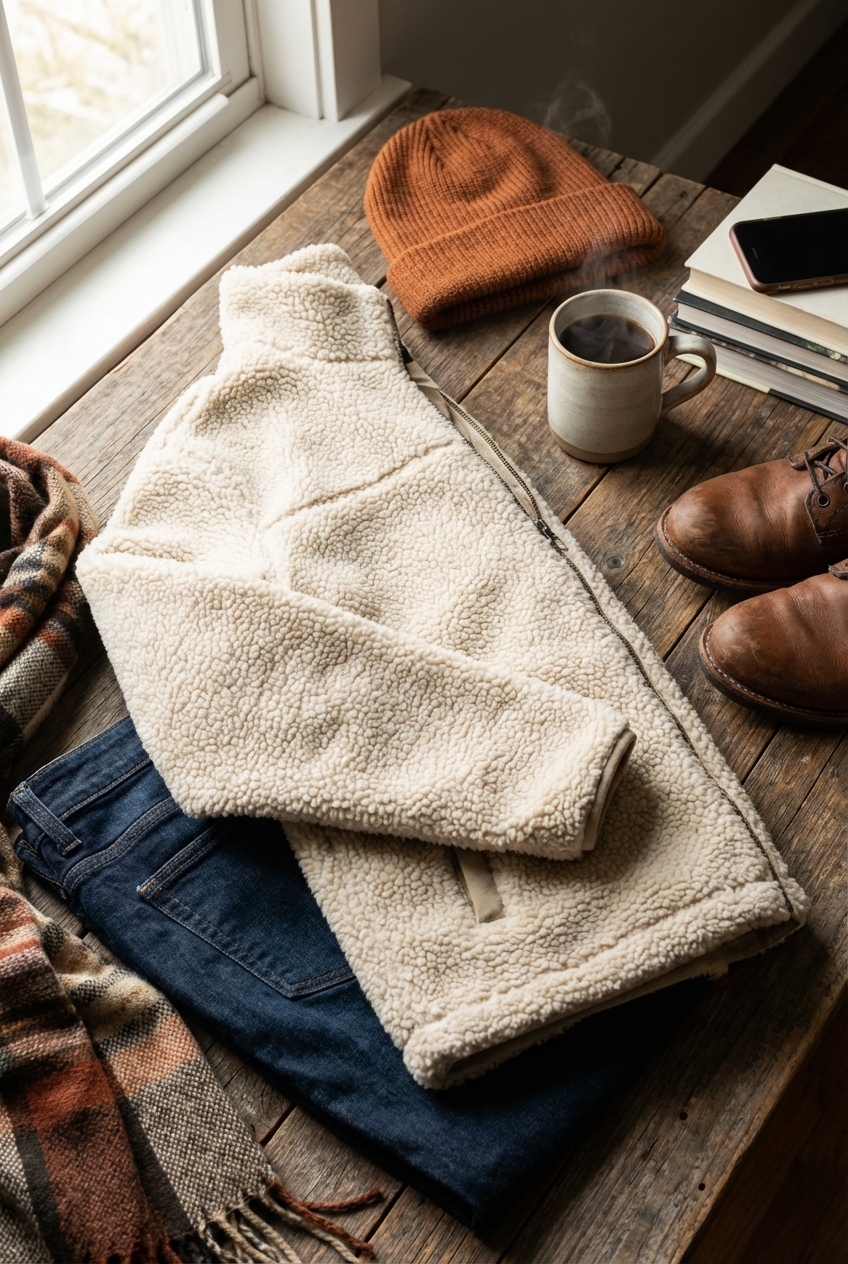
Soft Sherpa Jackets For Cozy Layers
There is a specific moment every autumn when the air shifts from crisp to biting, and the structured trench coat no longer offers enough solace. This is when the sherpa jacket becomes the most critical player in a curated wardrobe. For years, I resisted the trend, associating it too closely with unpolished loungewear, until I discovered the sheer architectural potential of high-pile textures.
The secret to wearing sherpa without looking like you just left a hiking trail lies entirely in the tension between textures. It is about pairing the cloud-like softness of the jacket with rigid denim, sleek leather, or fluid silk. When styled with intention, these pieces bridge the gap between supreme comfort and high-end editorial style.
In this guide, I am breaking down exactly how to select, style, and care for these pieces to ensure they look expensive and last for years. If you are looking for visual inspiration on how to combine these textures, you can check out the Picture Gallery at the end of the blog post.
1. Decoding Quality: Material Composition and Pile Density
Not all textured jackets are created equal, and the difference between a luxury investment and a fast-fashion mistake is often hidden in the fibers. In my experience styling editorial shoots, the camera instantly picks up the difference between cheap synthetic sheen and quality matte fibers. You need to look closely at the density of the pile.
When you separate the fibers with your fingers, you should not clearly see the mesh backing of the fabric. A high-quality sherpa or shearling (faux or real) will have a dense, tight weave that traps heat and maintains its structure. If the backing is visible, the jacket will likely mat quickly and fail to provide adequate warmth.
I always advise clients to check the label for natural fiber blends. While 100% polyester is common, look for blends that include wool or cotton. Even a 20% wool inclusion significantly changes the drape of the garment, making it heavier and less prone to that static cling that plagues cheaper synthetics.
Designer’s Note: The Lining Factor
One specific detail that often goes wrong is the interior lining. Many brands cut costs by leaving the interior unlined or using a rough mesh. This causes friction against your knitwear, leading to pilling on your expensive cashmere sweaters. Always choose a sherpa jacket with a silky cupra, viscose, or satin lining. This allows the jacket to glide over your layers rather than gripping them.
2. The Silhouette Rule: Balancing Volume
The inherent nature of sherpa is bulky, which means managing the silhouette is the most important styling challenge. A common mistake is leaning into the “oversized” trend too heavily, resulting in a shape that overwhelms the frame. The goal is to look cozy, not consumed.
I use a specific rule of thumb for volume: if the jacket adds bulk to the top half, the bottom half must be streamlined. This doesn’t necessarily mean skinny jeans, which can feel dated, but rather a tailored straight leg or a fitted midi skirt. The contrast in volume creates a deliberate, styled appearance.
Pay close attention to where the shoulder seam hits. On a thick jacket, a drop shoulder can sometimes widen the frame unflatteringly. For a sharper look, seek out set-in sleeves that sit precisely at your natural shoulder point. This provides structure to an otherwise soft garment.
Common Mistakes + Fixes
- Mistake: Wearing a chunky cable knit sweater under a thick sherpa jacket.
- Fix: This creates “sausage arms” and restricts movement. Switch to thermal merino wool base layers or fine-gauge cashmere. These provide equal warmth without the bulk.
- Mistake: Choosing a jacket that hits at the widest part of the hip.
- Fix: Opt for a cropped cut that hits at the high hip bone (iliac crest) or a longer coat that falls to the mid-thigh. Avoiding the direct hip line elongates the leg.
3. Elevated Layering Techniques
Layering is an art form, especially when dealing with high-pile fabrics. The key to looking polished is distinct separation between your layers. You never want your outfit to look like a singular blob of fabric. We achieve this through varying lengths and necklines.
I love utilizing a “column of color” underneath a textured jacket. For example, pairing black trousers with a black turtleneck creates a seamless vertical line. When you throw a cream or camel sherpa jacket over this, the eye is drawn to the texture, but the body looks long and lean.
Another technique involves cuff management. If you are wearing a long-sleeve layer underneath, ensure it either remains completely hidden or extends exactly 0.5 to 1 inch beyond the jacket cuff. This tiny detail signals that the outfit was considered, not just thrown on.
What I’d Do in a Real Project
For a client who needs a versatile weekend look, I would select a charcoal grey sherpa bomber jacket. I would pair this with a crisp white button-down shirt, leaving the collar popped and visible above the jacket neckline. The juxtaposition of the crisp cotton poplin against the fuzzy wool creates immediate visual interest. I would finish this with tailored wool trousers and a leather belt to define the waist.
4. Texture Pairing and Contrast
Sherpa is a “matte” texture that absorbs light. To make an outfit pop, you need to introduce materials that reflect light. This interplay is what separates a fashion-forward look from a pajama look. I almost exclusively style sherpa with leather, coated denim, or silk.
Leather is the ultimate partner for sherpa. The sleek, hard finish of leather pants or a leather skirt cuts through the fluffiness of the jacket. It adds an edge that balances the inherent sweetness of the teddy texture. If leather pants feel too bold, a coated skinny jean offers a similar effect.
Hardware also plays a massive role here. Look for jackets with substantial zippers or metal distinct buttons. Plastic toggles often cheapen the look. If you find a vintage piece with cheap buttons, swapping them out for heavy brass or tortoise buttons is a ten-dollar fix that adds hundreds of dollars in perceived value.
5. Navigating Lengths: Cropped vs. Longline
Choosing the right length depends heavily on your lifestyle and your existing wardrobe proportions. The cropped sherpa jacket is currently very popular and works exceptionally well with high-waisted trousers. It highlights the waist and prevents the figure from getting lost.
However, the longline “teddy coat” offers more drama and warmth. When fitting a longline coat, the vent placement is crucial. Ensure the back vent is functional and opens high enough to allow you to sit comfortably in a car or on the subway without the fabric pulling across your thighs.
For petite clients (under 5’4″), I advise caution with knee-length sherpa coats as they can shorten the visual line. A jacket that ends just below the seat is often the sweet spot. For taller clients, a floor-sweeping maxi length can be incredibly chic, provided the shoulders are fitted.
6. Maintenance: Keeping the Pile Plush
The tragedy of sherpa is that it can become matted and dingy quickly if mistreated. The elbows and seat are high-friction areas that tend to flatten out first. Maintenance is not just about cleaning; it is about grooming the fabric.
I recommend owning a specialized slicker brush (often used for sheepskin). Gently brushing high-friction areas once a week lifts the fibers and restores the fluff. This prevents that dreaded “old carpet” look that happens when the fibers twist together.
Never use heat on faux sherpa. The fibers are essentially plastic, and high heat from a dryer will melt the tips, causing a permanent rough texture. Always wash on cold and hang to dry. If the jacket is real shearling, it should only ever see a professional leather and fur specialist.
Finish & Styling Checklist
Before you head out the door, run through this mental checklist to ensure your look is polished and proportional.
- Check the Shoulders: Is the seam sitting right? If it’s drooping unintentionally, the jacket is too big.
- Verify the Hem: Does the jacket length work with your pants? Avoid hems that cut you off exactly at the widest point of your hips.
- Assess the Layers: Can you bend your arms comfortably? If the elbows feel tight, switch to a thinner base layer.
- Texture Check: Do you have at least one contrasting texture (leather, denim, silk) to break up the fuzz?
- Lint Patrol: Sherpa loves to grab lint and hair. give it a quick pass with a roller before leaving.
- Hardware Polish: Ensure zippers are running smooth and buttons are secure.
FAQs
Can I wear sherpa in the rain?
Generally, no. Whether synthetic or natural, the high pile traps water and becomes incredibly heavy and soggy. It also takes a long time to dry, which can lead to odors. Save these pieces for crisp, dry days.
Does faux sherpa shed on black clothing?
Lower quality versions often do. To test this in the store, rub a dark fabric against the jacket. If you see transfer, it will ruin your black cashmere. A lined jacket significantly reduces this issue on the inside.
How do I fix matted sherpa elbows?
Use a pet slicker brush or a stiff bristle clothing brush. Spritz the area lightly with water mixed with a tiny amount of hair conditioner, then gently brush in all directions to untangle the fibers. Let it air dry.
Is sherpa appropriate for the office?
It depends on the cut. A cropped, collarless sherpa jacket in a neutral tone like cream or black can function like a blazer. Pair it with a silk blouse and trousers. Avoid oversized, hooded versions which read too casual for corporate environments.
Conclusion
The sherpa jacket has evolved from a utilitarian warmth layer into a genuine fashion staple. By focusing on the quality of the pile, mastering the volume through smart layering, and pairing the soft texture with harder elements like leather, you can create looks that are sophisticated and comfortable.
Remember that fashion is tactile. The way a garment feels influences how you carry yourself. A soft, well-fitted sherpa jacket offers a sense of protection and luxury that few other garments can match. Treat it as an architectural element of your outfit rather than just a blanket, and you will find it becomes the most versatile piece in your cold-weather rotation.
Picture Gallery


