Sophisticated Holiday Ball Gowns with Luxurious Fabrics
- Words by
- Julio Arco
- Published
- Reading
- 4 min
For most opera houses, the safe answer is an elegant dress that reaches at least your knee: a floor-length gown for opening nights and galas, a polished cocktail dress or tailored separates for a regular evening performance. You will be seated for hours, so choose a fabric that feels good after the second intermission.
Dress codes vary by house and by night, so check the venue's website first. The rest of this guide covers what to wear to the opera in each case, and how fabric, color and fit change the look.
How to dress for opera night: traditional versus modern
Traditionally, opera meant black tie: long gowns, gloves, jewelry. Many houses today are more relaxed, and you will see everything from full evening wear to dark, smart separates in the same row. Premieres, galas and holiday performances lean formal. Weeknight and matinee shows lean toward cocktail.
If you are unsure, dress one notch above what you expect. A dressy outfit never looks out of place in a theater lobby, while jeans usually do.
Floor-length evening dresses for the opera
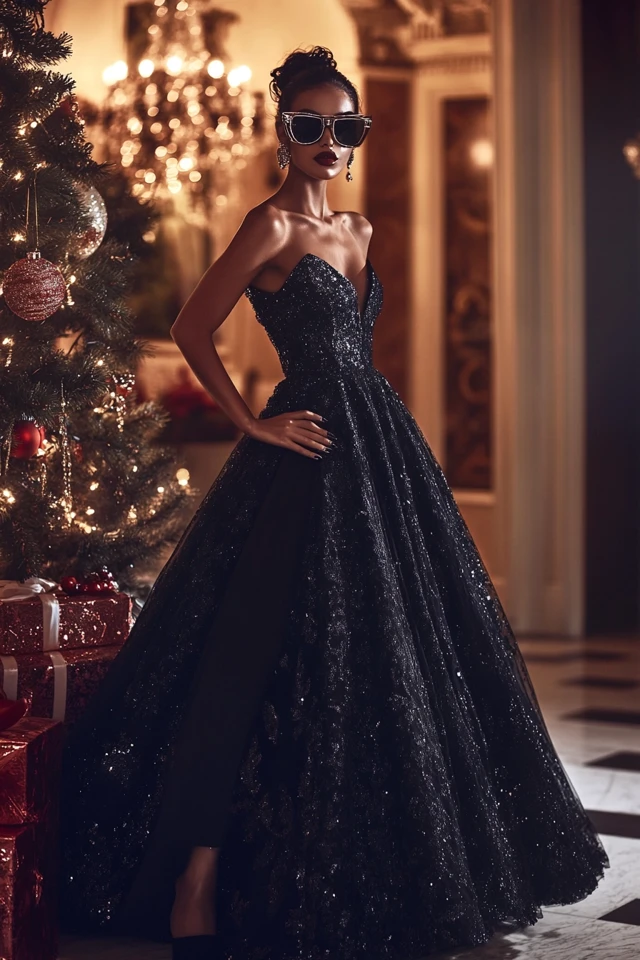
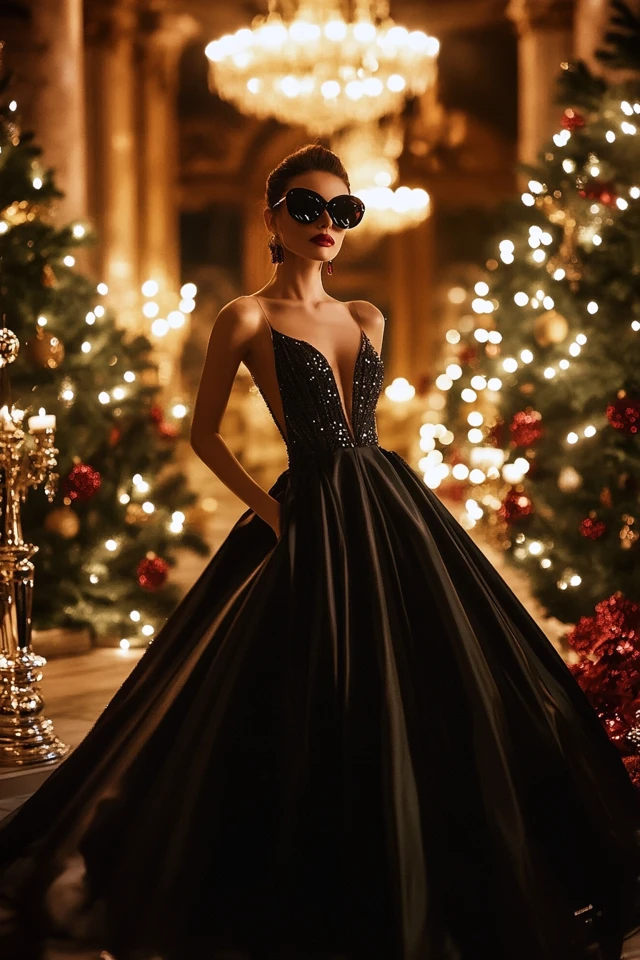
A gown is the clearest choice for a gala or opening night. Evening dresses for the opera work best when the skirt lets you sit comfortably and walk up stairs without gathering fabric in your hands. A-line and column shapes are the easiest. A very full ball skirt can crowd the seat beside you.
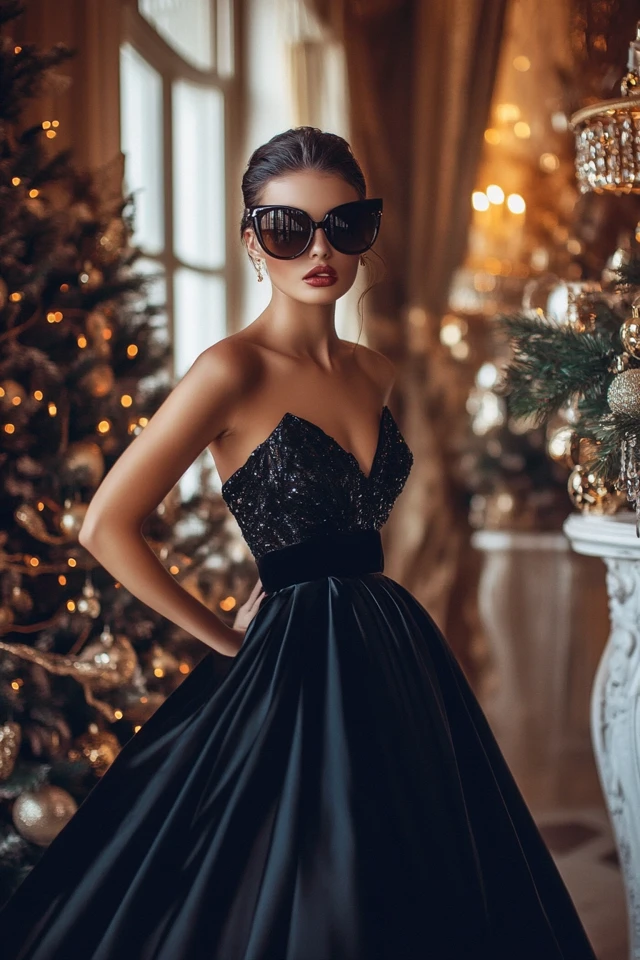
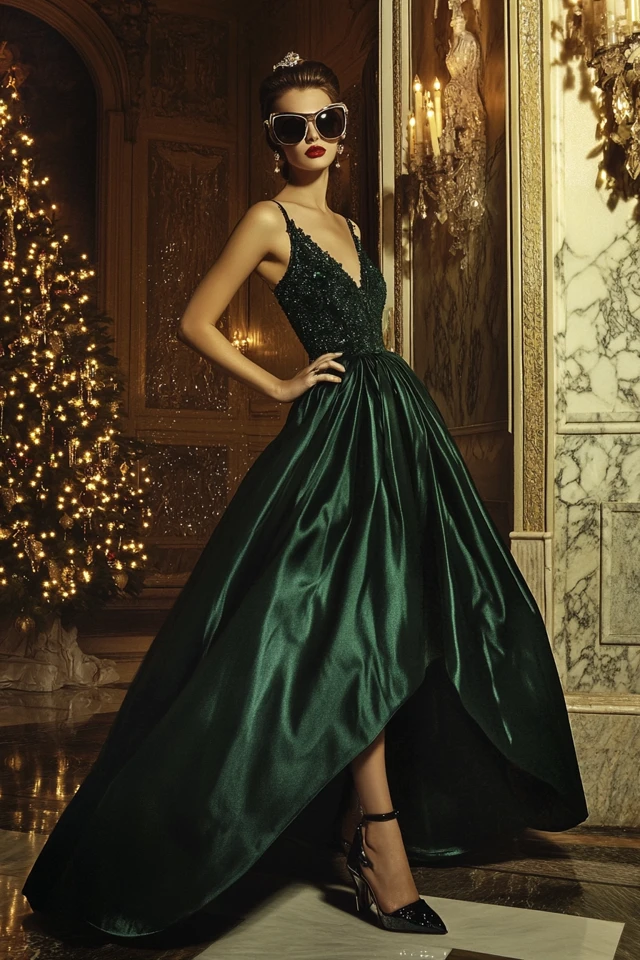
Fabric matters as much as shape. Velvet, satin, crepe and chiffon each read differently: velvet absorbs light and looks deep, satin reflects it and looks glossy, chiffon moves. Through the lens of evidence-based design, I'd choose the fabric first, because texture changes how a color reads. The same burgundy looks darker and calmer in velvet than in satin.
Fashion editor Kathryn Hennessy describes the Edwardian evening look this way: "Sumptuous fabrics such as silk satin, damask, and chiffon, usually in light, soft colours, were decorated with lace, rhinestones, and spangles, often highlighting a part of the body or the face". The idea of one decorated focal point still works: pick one detail, such as a neckline or beaded waist, and keep the rest quiet.
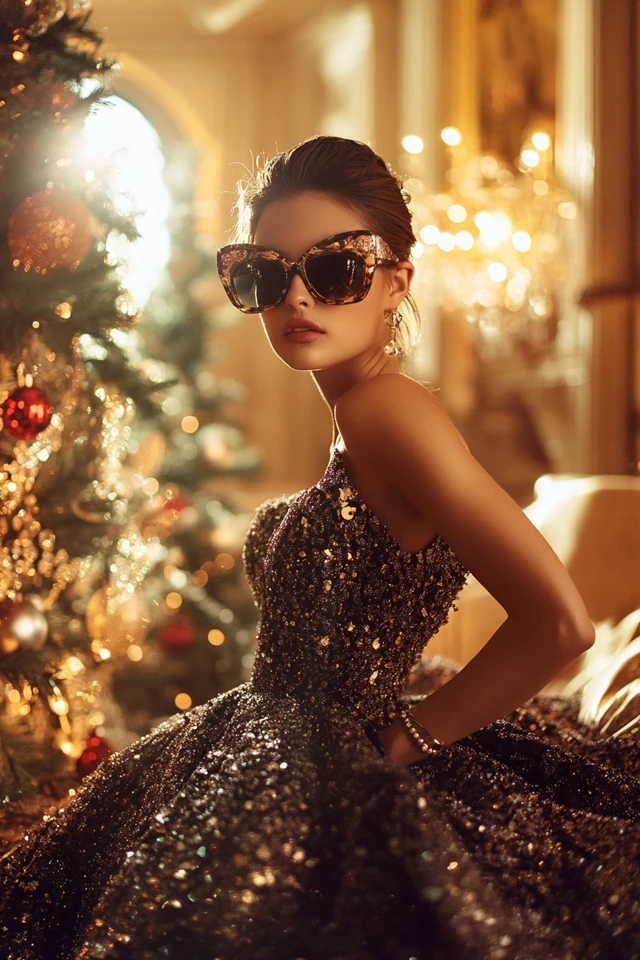
For more on fabric choices, see silk and satin for special occasions and mixing velvet and satin in evening gowns.
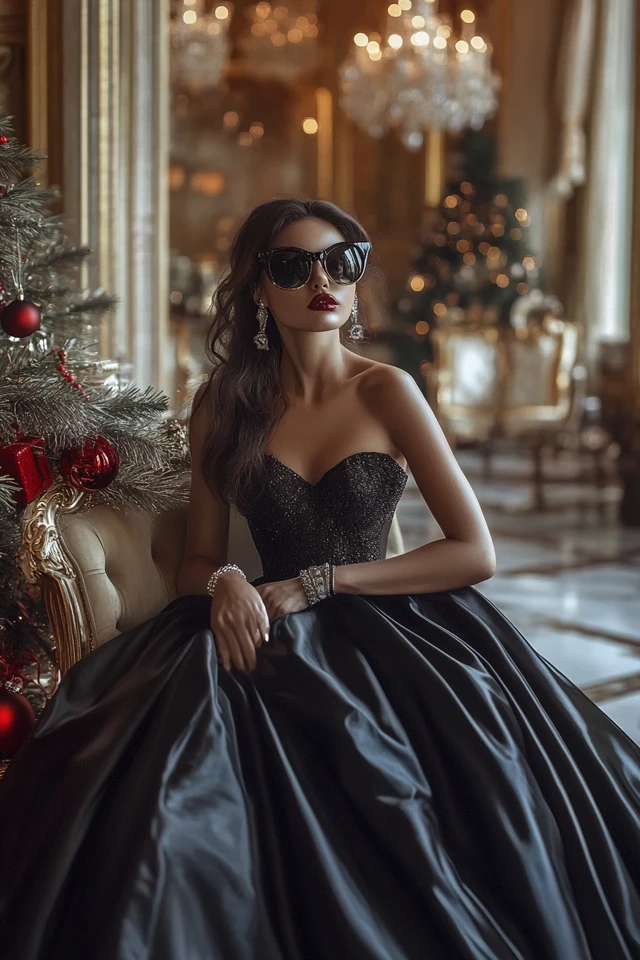
Cocktail dresses and separates
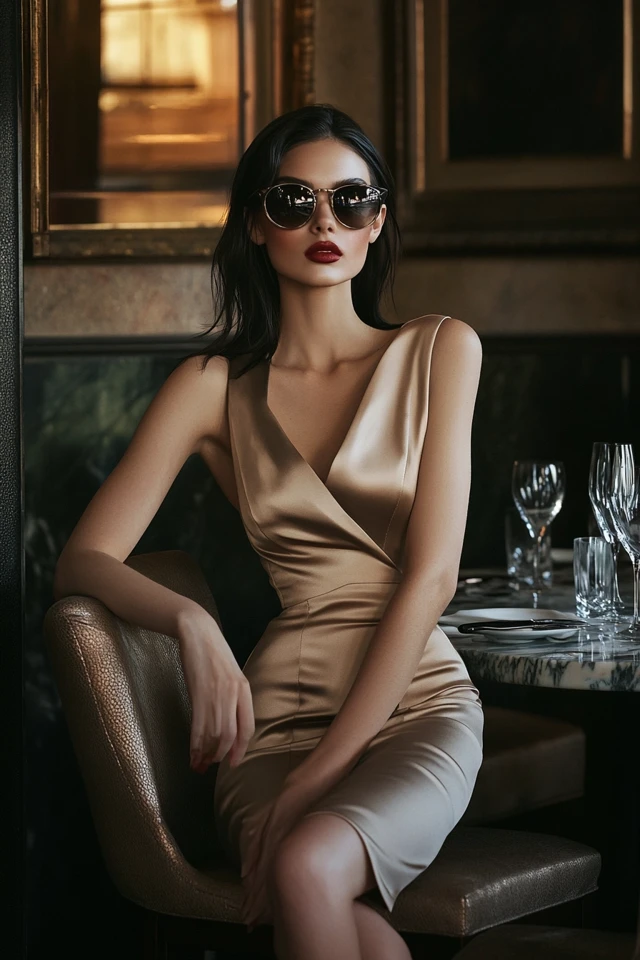
For an ordinary performance, a cocktail dress with a hem at or below the knee is enough. Look for a structured fabric that does not wrinkle after two hours in a seat: crepe, ponte, heavier satin or lined velvet.
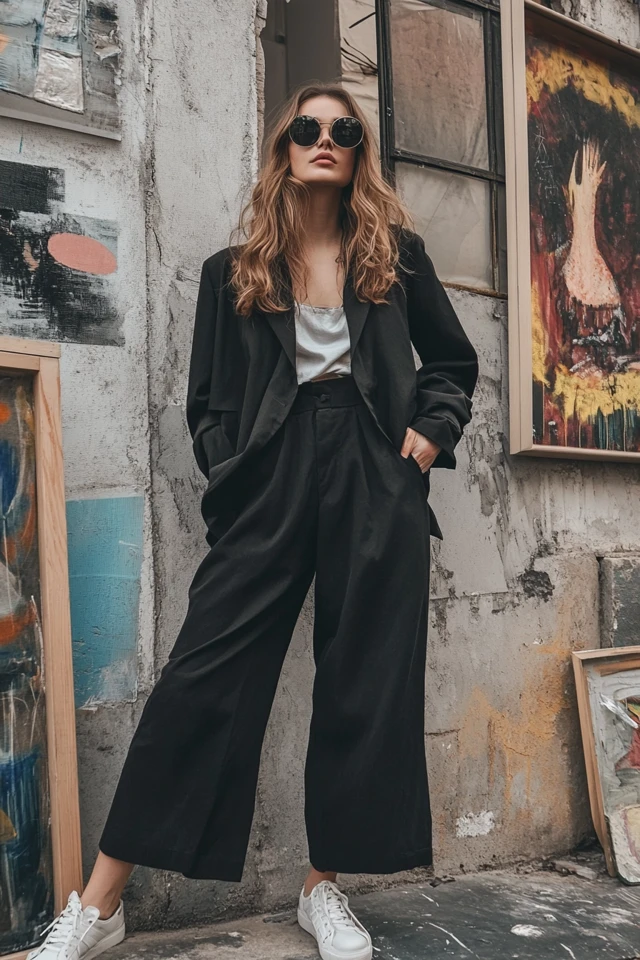
Separates also work. A silk blouse with a long satin skirt, or a tailored wide-leg jumpsuit in a dark color, reads as dressed up. If a jumpsuit appeals, these dressy jumpsuit ideas apply here too.
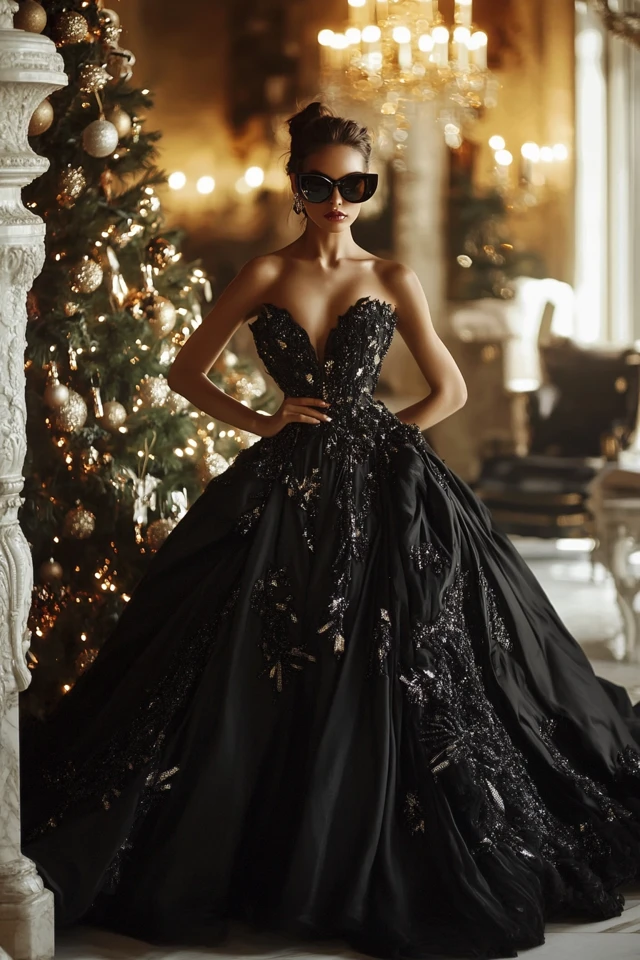
Is a black dress right for the opera?
An opera dress in black is the easiest answer. The Metropolitan Museum of Art notes that the little black dress was created by Coco Chanel in 1926 and became a staple of late afternoon and cocktail hours. It suits the opera for the same reason: it is formal without being fussy.
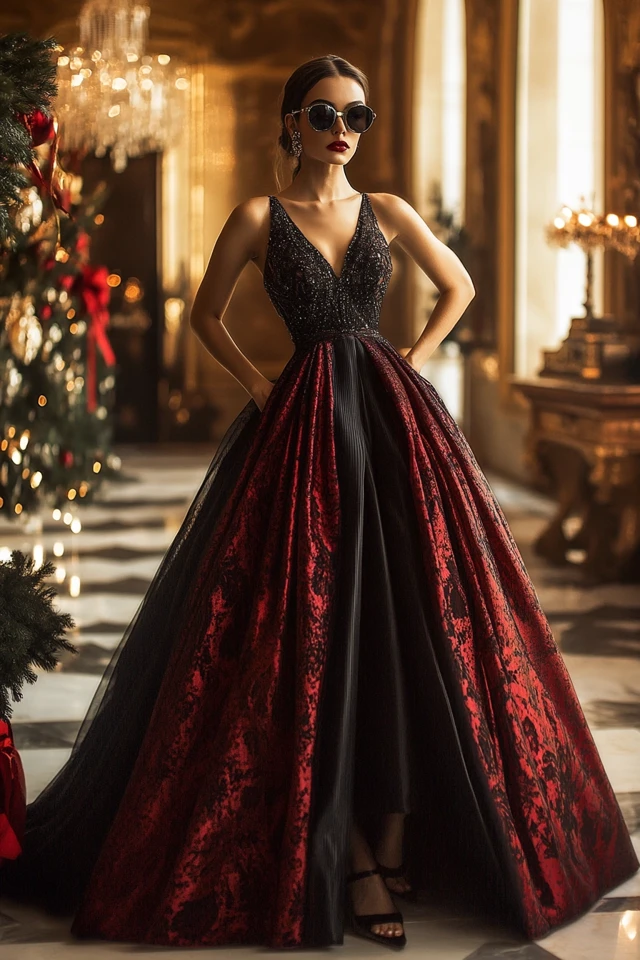
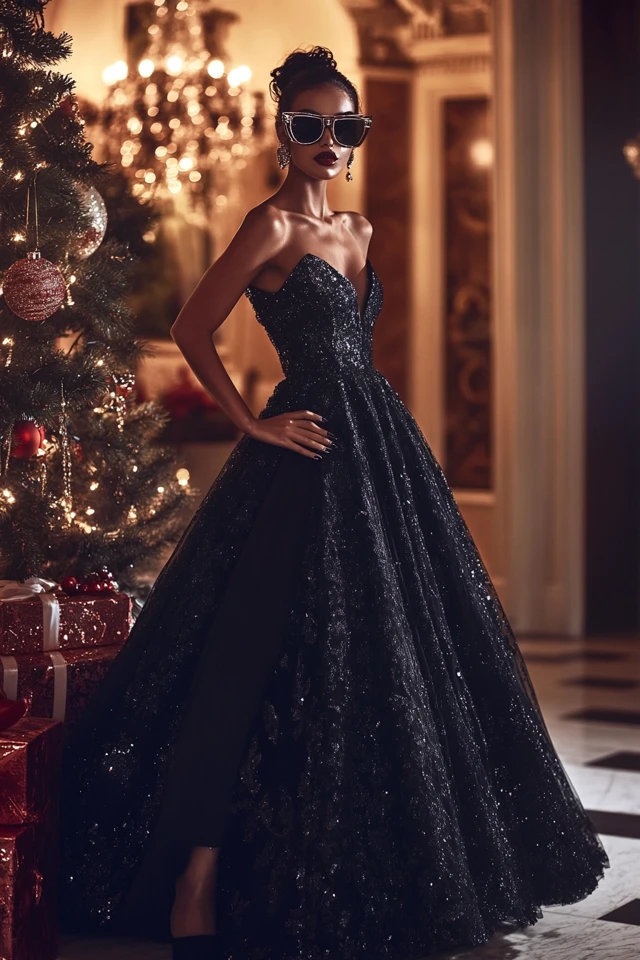
To keep black from looking flat, vary the textures. Black velvet with a satin clutch, or crepe with a beaded wrap, gives the eye something to read. Deep jewel tones such as emerald, sapphire and burgundy are equally at home in a dim auditorium.
Sleeves, fit and plus-size options
Opera night dresses with sleeves are practical, since theaters can be cool and the air conditioning is often strong. Long sheer sleeves, three-quarter sleeves and off-the-shoulder styles with a wrap all look formal. A sleeve that pulls across the upper arm is a fit problem, not a you problem, so size up and have the waist taken in if needed.
For an opera dress in plus sizes, look for a defined waist or empire seam, fabric with weight and a little stretch, and a lining that does not cling. Wrap shapes and A-lines are forgiving. Stay away from thin fabrics that show every seam.
Shoes, bags, wraps and jewelry
- Shoes: you will stand in lobbies and climb stairs, so choose a block or low heel, or an elegant flat.
- Bag: a small clutch or compact crossbody that fits under the seat.
- Wrap: a pashmina, velvet cape or tailored coat. Most venues have a coat check, so use it.
- Jewelry: one statement piece is enough. Avoid bracelets that clink during quiet passages.
Venue, city and season
A winter evening calls for velvet, heavier crepe and a proper coat. In summer, choose lined chiffon or lightweight satin. Big-city houses and opening nights tend to be dressier than regional theaters and matinees. When a holiday performance is on the calendar, treat it as formal, and see these holiday outfit ideas for more.
Frequently asked questions
What do ladies wear to the opera?
Most wear a floor-length gown for galas and opening nights, and a knee-length or longer cocktail dress or dressy separates for regular performances. Dark colors and rich fabrics are common.
What should a 50 year old woman wear to a concert?
Age matters less than the venue. A tailored dress or a silk top with a long skirt, comfortable shoes and a wrap suits most concert halls and opera houses.
What are some good options for evening dresses for the opera?
A-line or column gowns in velvet, crepe or satin, and structured cocktail dresses with sleeves, are dependable. Choose a fabric that stays smooth when you sit for hours.
Can I wear a short dress to the opera?
At a casual or matinee performance, a neat dress at the knee works. For an opening night or gala, a longer hem is the safer choice.
Filed under Uncategorized