
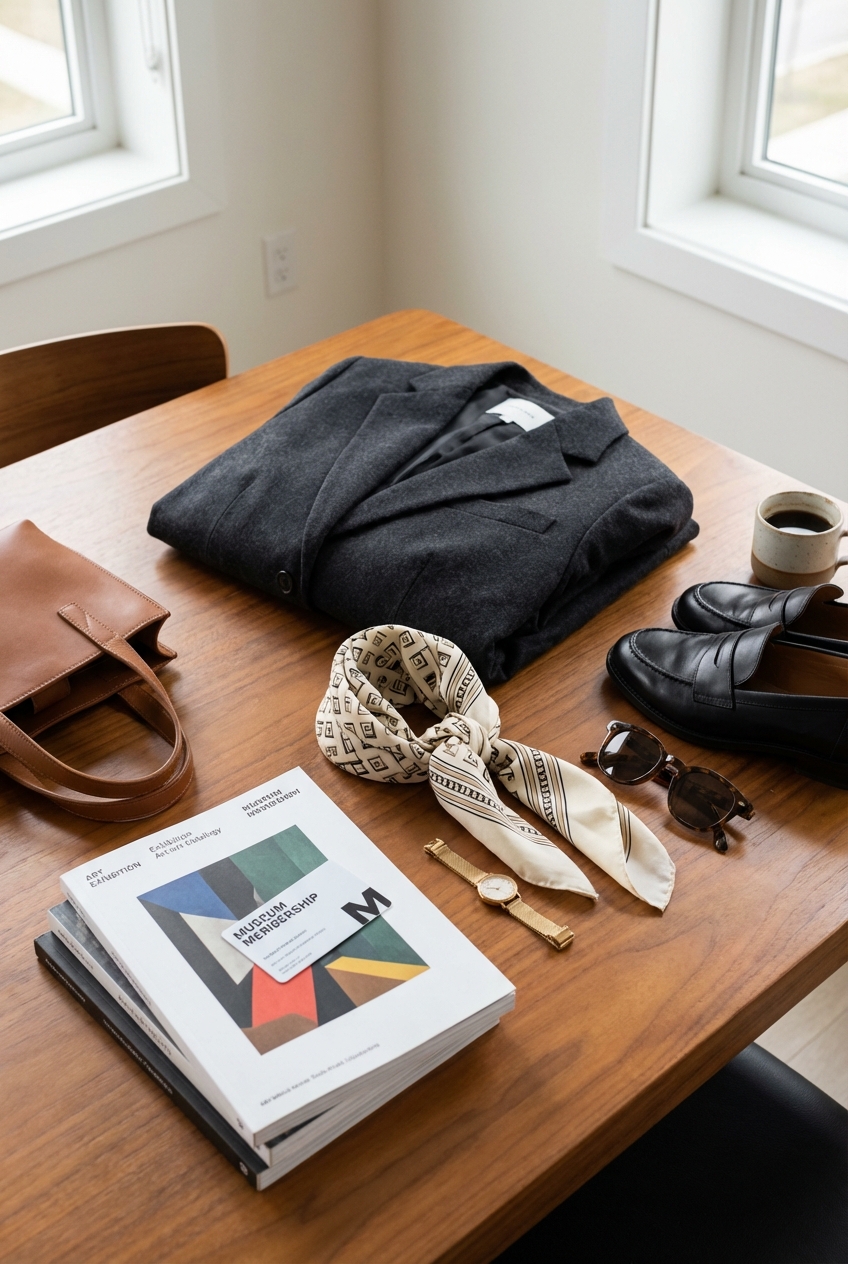
Sophisticated Museum Day Looks With Tailored Blazers
There is a distinct, almost tangible romance to spending a day at a museum. Whether you are wandering the vast, echoing halls of the Met or exploring a small contemporary gallery in Chelsea, the environment demands a certain level of sartorial respect. You want to look intellectual and polished, yet you must remain comfortable enough to stand on concrete floors for hours.
Over my years as a stylist, I have found that the tailored blazer is the ultimate weapon for these excursions. It provides structure to an outfit, elevates simple basics, and offers a necessary layer against the aggressive climate control found in most archives. I remember my first trip to the Louvre; I wore a flimsy cardigan and spent the entire time shivering rather than admiring the Dutch Masters.
That experience taught me the value of a high-quality, structured jacket. A blazer transitions seamlessly from the exhibit hall to an early dinner, acting as a frame for your personal style much like a frame serves a painting. For visual inspiration, I have curated a specific Picture Gallery at the end of this blog post.
1. Mastering the Oversized Silhouette
The oversized “boyfriend” or “dad” blazer is currently the dominant silhouette in high fashion, but it is easily the most difficult to style correctly. If you get the proportions wrong, you risk looking like you are wearing a costume rather than a curated outfit.
When selecting an oversized blazer for a museum day, pay strict attention to the shoulder seam. Even if the body is loose, the shoulder seam should not drop more than 1.5 inches past your natural shoulder line. Any further, and the garment loses its architectural integrity.
Balance is the key rule here. If you are wearing a voluminous blazer, keep the bottom half fitted or streamlined. A pair of straight-leg denim or tailored cigarette trousers works best. Avoid wide-leg palazzo pants with an oversized blazer unless you are over 5’9”, as this combination will visually shorten your frame.
Stylist’s Note: The Sleeve Hack
A common issue with oversized blazers is that the sleeves consume your hands. Use a rubber band or hair tie around your forearm, over the sleeve. Push the sleeve up to your elbow, allowing the fabric to fold over and hide the band. This exposes your wrists and forearms, which instantly makes the oversized look intentional rather than accidental.
2. The Curated Monochrome Ensemble
For a look that screams “art collector” rather than “tourist,” nothing beats a monochrome palette. This is a classic styling trick that elongates the body and looks expensive, regardless of the actual budget.
I recommend leaning into neutrals: camel, cream, navy, or charcoal. Pair a camel wool blazer with a silk camisole and trousers in the exact same shade. The lack of color breaks allows the eye to travel vertically without interruption.
Texture plays a massive role here. Since you aren’t mixing colors, you must mix materials to keep the outfit interesting. If your blazer is a matte wool, ensure your top has a sheen (like silk or satin) or your trousers have a weave (like corduroy or heavy cotton).
Common Mistakes + Fixes
- Mistake: Mismatched undertones. wearing a cool-toned beige blazer with warm-toned beige pants.
- Fix: Check your garments in natural daylight before leaving. If the undertones clash, break up the monochrome with a crisp white tee or a black belt to reset the palette.
3. Climate Control: Fabric Weights and Layering
Museums are notoriously cold. The temperature is kept low to preserve oil paints and textiles, which means your outfit needs to prioritize thermal regulation. This is where the material composition of your blazer becomes critical.
Avoid unlined linen blazers for indoor exhibits, even in summer. They wrinkle within twenty minutes of wear and offer zero insulation. Instead, opt for a “tropical weight” wool or a high-quality viscose blend. These fabrics drape beautifully and resist creasing.
If you are visiting in the cooler months, a velvet or heavy tweed blazer is a sophisticated choice. However, ensure the lining is natural (like rayon, cupro, or silk) rather than cheap polyester. You will be walking a lot, and polyester traps heat and sweat, making you clammy despite the cold air.
What I’d Do in a Real Project
- Base Layer: A fitted cashmere turtleneck or a high-neck bodysuit.
- Mid Layer: A vest or button-down shirt if the blazer is lightweight.
- Outer Layer: A mid-weight wool blazer, fully lined.
- Accessory: A silk scarf tied to the bag handle, ready to be worn if the AC is particularly aggressive.
4. The Belted Blazer for Shape
If you prefer a more defined silhouette, belting a blazer is a brilliant way to create an hourglass shape. This works exceptionally well with slightly longer cuts that hit below the hip.
The placement of the belt is non-negotiable. It must sit at your natural waist—the narrowest part of your torso—not your hips. This generally falls about two inches above the belly button.
Choose a belt that is between 1.5 and 2 inches wide. Skinny belts often get lost in the fabric of a blazer, while wide corset belts can look too aggressive for a daytime cultural activity. Leather or suede belts add a nice textural contrast to suit fabric.
Pro-Level Measurements
When belting a blazer, the hem of the jacket will rise slightly. Ensure the blazer is long enough to begin with. Ideally, the unbelted hem should hit at your knuckles when your arms are at your sides. When belted, it will rise to just below the hip, which is the perfect length.
5. Footwear Strategy: The Museum Mile
You cannot discuss a museum outfit without addressing footwear. You will likely walk three to five miles on unforgiving concrete or marble floors. Stilettos are a rookie mistake that will ruin your day within an hour.
However, you don’t need to resort to athletic running shoes. The best pairing for a tailored blazer is a loafer, a pointed flat, or a sleek boot with a low block heel.
If you choose a boot, ensure the heel height is under 2 inches. A block heel provides stability that a kitten heel does not. If you prefer flats, look for loafers with a cushioned insole. The juxtaposition of a masculine loafer with a sharp blazer is timelessly chic.
Stylist’s Note: The Sock Factor
If you are wearing loafers with cropped trousers, the exposed ankle skin is a key styling element. However, if you are prone to blisters, wear “invisible” socks. Ensure they are truly invisible; seeing the rim of a cotton sock ruins the clean line of a tailored look.
6. Bag Etiquette and Scale
Many major museums have strict bag policies. Large totes and backpacks are often required to be checked at the cloakroom to prevent accidental damage to the art. There is nothing less chic than having to empty your pockets because your bag was too big to enter the gallery.
Pair your blazer with a structured crossbody bag or a sleek shoulder bag. The strap should be adjustable so it can sit comfortably over the shoulder padding of your blazer without slipping.
Keep the scale small to medium. A bag that is roughly 9 inches by 6 inches fits a phone, cardholder, lipstick, and sunglasses without being bulky.
Common Mistakes + Fixes
- Mistake: Wearing a crossbody bag over a buttoned blazer. This pulls the fabric and ruins the line of the jacket.
- Fix: Wear the bag underneath the blazer (leaving the jacket open) for a very editorial look, or carry a top-handle bag in the crook of your arm.
Finish & Styling Checklist
Before you head out to the exhibit, run through this final checklist to ensure your look is cohesive and practical.
The Fit Check
- Shoulders: Seams sit flat or extend no more than 1.5 inches for oversized looks.
- Sleeves: Hit at the wrist bone, or are styled/rolled to the elbow.
- Closure: No pulling at the buttons (creating the dreaded “X” shape in the fabric).
The Comfort Test
- Reach: Can you cross your arms comfortably? (Art requires contemplation, often with crossed arms).
- Step: Can you take a full stride in your trousers/skirt?
- Warmth: Do you have a plan for the AC (scarf, layers)?
The Polish
- Lint Roll: Dark blazers attract dust instantly. Roll before leaving.
- Steam: Wrinkles on wool or linen look messy. A quick steam elevates the garment price point.
- Hardware: Match your jewelry metals to the buttons on your blazer for a seamless finish.
FAQs
Can I wear jeans with a blazer to a museum?
Absolutely. In fact, this is the uniform of the off-duty art world. To keep it sophisticated, opt for dark wash or rigid vintage-blue denim without distressing or rips. A straight-leg cut pairs best with blazers. Avoid skinny jeans, which can look dated, or overly baggy jeans that look sloppy.
What do I wear under a blazer if it’s hot outside but cold inside?
A silk camisole or a high-quality cotton t-shirt is your best bet. Silk regulates temperature surprisingly well. If you get too warm outside, you can drape the blazer over your shoulders. Inside, the silk acts as a barrier against the AC without adding bulk.
Is it okay to wear sneakers?
Yes, but choose the right pair. Avoid your gym runners. Opt for clean, minimalist leather sneakers (like Common Projects or Vejas) or retro-style trainers (like New Balance or Sambas) in neutral colors. Ensure they are spotless; scuffed sneakers will downgrade the elegance of your blazer.
How do I keep my blazer from looking like workwear?
It comes down to styling. Avoid matching suit trousers unless the suit is oversized or a bright color. Pair the blazer with contrasting textures like denim, leather, or a satin slip skirt. Push up the sleeves and leave the jacket unbuttoned to create a sense of ease.
Conclusion
Dressing for a museum day is an exercise in balance. You are navigating the line between the intellectual atmosphere of the gallery and the physical demands of being a spectator. A tailored blazer anchors this balance perfectly.
By focusing on the right fabrics, mastering the proportions of your silhouette, and choosing footwear that respects your feet, you can curate an outfit that rivals the art on the walls. Remember that fashion, at its core, is a form of functional art. Wear what makes you feel observant, curious, and confident.
Picture Gallery


