
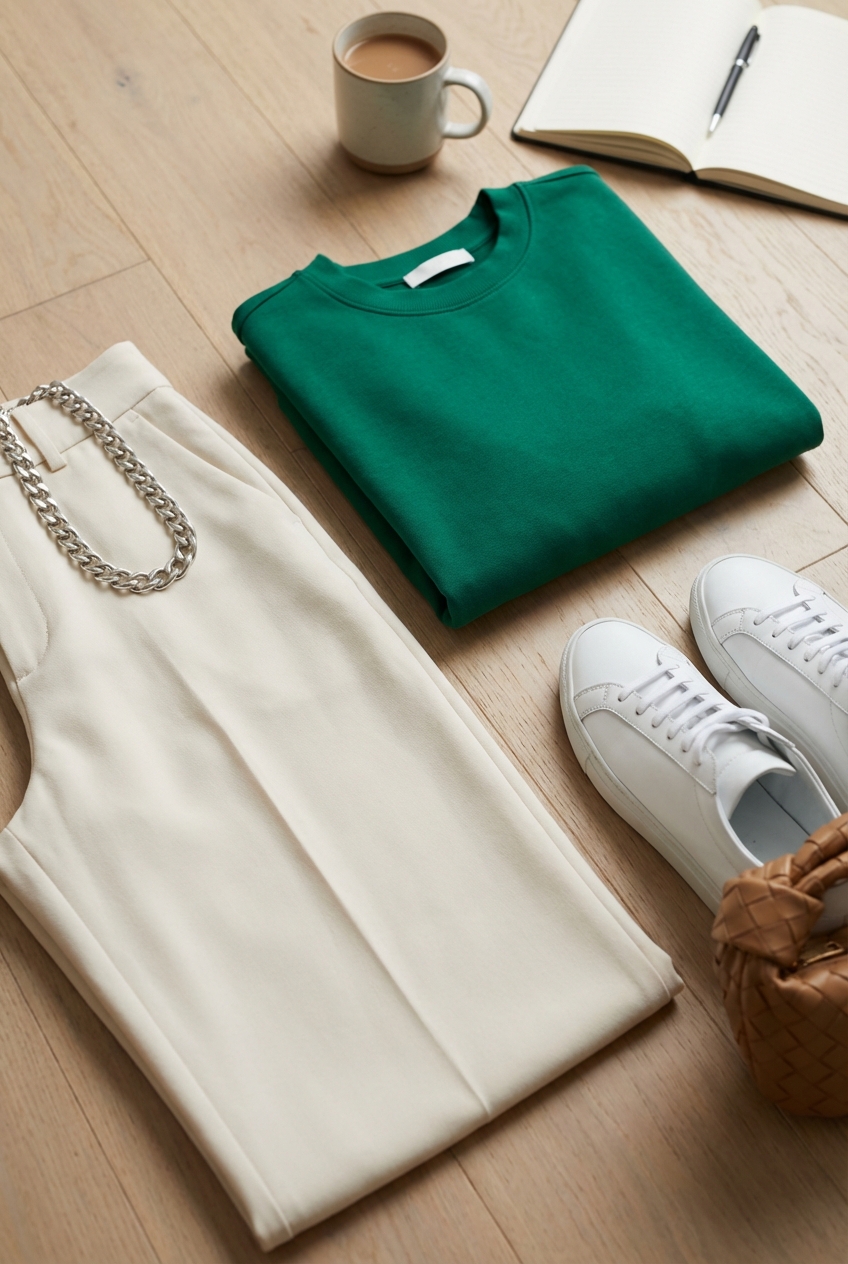
Structured Boxy Tops For Contemporary Fashion
There was a time when “flattering” was exclusively synonymous with “fitted.” In the high-end fashion world, we have moved well past the idea that clothing must tightly hug the body to be considered stylish or feminine. The rise of the structured boxy top represents a shift toward architectural silhouettes that prioritize shape, volume, and visual interest over mere body-con adherence.
I remember a specific client consultation a few years ago with a woman who was terrified of volume. She was convinced that anything not cinched at the waist would make her look wider, but we experimented with a heavyweight, cropped poplin shirt cut in a square silhouette. The moment she paired it with high-waisted, slim trousers, her posture changed; she looked modern, sharp, and incredibly comfortable.
Mastering this look isn’t about hiding your figure; it is about playing with proportions to create a deliberate aesthetic statement. Don’t forget to scroll to the bottom of this page for the Picture Gallery full of styling inspiration.
The Architecture of the Silhouette
Understanding the “boxy” cut requires looking at clothing as geometry rather than just fabric. A true structured boxy top is designed with a square torso block, meaning the measurement at the chest is roughly the same as the measurement at the hem. This creates a straight line down from the armpit, bypassing the natural curve of the waist.
The key difference between “boxy” and “oversized” is intent and fit points. An oversized shirt is simply large everywhere, often with dropped shoulders that slide down the arm and a length that covers the hips. A structured boxy top, however, should still fit correctly at specific anchor points, usually the neck and the shoulder line.
When I am styling a shoot, I look for tops where the fabric stands away from the body. This creates negative space between the garment and the skin, which actually highlights the wearer’s fragility and frame. The structure of the garment does the work, creating a strong visual line that commands attention without requiring fuss.
Designer’s Note: The Shoulder Seam Rule
The most common mistake I see with boxy tops is the shoulder seam drooping halfway down the bicep unintentionally. Unless it is a specific drop-shoulder design, ensure the shoulder seam sits right at the acromion bone (the bony point of your shoulder). This anchors the square shape and prevents you from looking like you are wearing a hand-me-down.
Fabric Selection and Weight
You cannot achieve a structured look with a flimsy fabric. If a material is too lightweight, it will drape and cling to the body, collapsing the boxy silhouette we are trying to achieve. To get that crisp, architectural look, you need fabrics with a high GSM (grams per square meter) or a tight weave.
Cotton poplin is the gold standard for button-downs in this category. It has a crisp hand feel and holds a crease, allowing the boxy shape to remain suspended away from the torso. For knitwear, look for milano stitches or heavy gauge cottons rather than loose cashmeres that tend to puddle.
Leather and neoprene are more advanced options that provide the ultimate structure. A boxy leather tee, for example, is essentially a piece of wearable sculpture. It will not move much when you walk, which creates a very intentional, high-fashion vibe.
Fabric Checklist for Structure:
Heavyweight Linen: Look for “upholstery weight” or thick weaves that don’t sheer out.
Cotton Twill: The diagonal weave adds stiffness and durability.
Scuba or Neoprene: Synthetic blends designed specifically to hold shape.
Raw Denim: Excellent for boxy jackets or heavy shirts that act as outerwear.
Proportions and The Rule of Thirds
In fashion styling, the “Rule of Thirds” is just as important as it is in photography or landscape design. The human eye finds a 1/3 to 2/3 ratio most pleasing. When wearing a boxy top, you generally want the top to occupy the top 1/3 of your visual height, while your trousers or skirt occupy the bottom 2/3.
This is why cropped boxy tops are so successful. A top that ends at the high hip bone (iliac crest) naturally creates this ratio when paired with high-waisted bottoms. If your boxy top is longer, hitting at the low hip, you risk cutting your body in half (a 1:1 ratio), which can make legs look shorter.
If you have a longer boxy top, you don’t always need to hem it. You can manipulate the proportion using a “French Tuck” (tucking just the front center) to visually raise the waistline while maintaining the loose, boxy volume at the sides and back. This compromise offers the best of both worlds: waist definition and structural comfort.
Common Mistakes + Fixes:
Mistake: Wearing a long boxy tunic with wide-leg pants.
Correction: This creates a rectangle block that swallows the figure. Switch to a slim cigarette pant or leggings to reintroduce the shape of your legs, or crop the top to the waist to wear with the wide pants.
The Neckline and Sleeve Balance
Because a boxy top adds volume to the torso, you need to offset that volume by revealing skin elsewhere. This helps to reduce the “visual weight” of the outfit. The neckline and sleeves are your primary tools for this calibration.
A crew neck on a boxy top can sometimes feel restrictive, especially for those with a larger bust. It creates a solid block of fabric from neck to hem. A V-neck or a scoop neck breaks up this expanse, creating a vertical line that elongates the neck and balances the width of the shirt.
Sleeves are equally critical. If the body of the shirt is wide, a slim sleeve creates a flattering contrast. Conversely, if the sleeves are also wide (like a kimono sleeve), the top needs to be cropped shorter to avoid overwhelming the frame. I often advise clients to roll the sleeves of a boxy shirt twice. Exposing the wrists—the thinnest part of the arm—immediately slims the entire silhouette.
What I’d do in a real project:
If I am dressing a client in a boxy blazer or structured top that feels too heavy, I push the sleeves up to the elbows. It creates active styling lines and reduces the overall fabric load. If the sleeves won’t stay, I use a hidden rubber band or sleeve garter to hold them in place.
Styling for Different Environments
The versatility of a boxy top lies in its ability to transition between casual and formal settings based on material and styling. It is a chameleon piece that works as hard for a corporate wardrobe as it does for a weekend brunch.
For a professional environment, look for boxy tops in silk gazar or wool crepe. These fabrics signal luxury and formality. Pair a boxy wool top with a pencil skirt. The volume of the top contrasts beautifully with the sleekness of the skirt, creating an inverted triangle silhouette that is powerful and authoritative.
For casual wear, the structured cotton tee is a staple. Unlike a standard t-shirt, a boxy heavyweight tee doesn’t cling to the midsection. Pair this with straight-leg denim and loafers. The look is effortless but polished because the t-shirt holds its own shape.
Practical Constraints: The Jacket Problem
One realistic constraint with boxy tops is layering outerwear. It can be difficult to fit a wide, structured sleeve under a fitted blazer. For fall and winter, I recommend pairing boxy tops with capes, ponchos, or oversized trench coats that have ample room in the armholes. Do not try to stuff a structured boxy shirt into a slim leather jacket; you will ruin the silhouette and be uncomfortable.
Care and Maintenance of Structure
Maintaining the architectural integrity of these garments is just as important as buying the right ones. The “box” shape relies on the fibers staying stiff and aligned. Improper washing can turn a sharp, square top into a limp, shapeless rag.
Avoid the dryer at all costs for your high-quality structured cottons and linens. Heat tumbles break down fibers and cause shrinkage that can warp the square cut. Always wash on cold and hang dry or lay flat. When hanging, ensure the shoulders are supported so the weight of the wet fabric doesn’t stretch out the neck.
Ironing or steaming is non-negotiable for this look. The aesthetic relies on crisp lines. A wrinkled boxy top just looks messy, whereas a wrinkled fitted top might pass as “lived-in.” Use starch when ironing your poplin shirts to reinforce that stiffness that keeps the fabric standing away from the body.
Finish & Styling Checklist
Before you walk out the door, run through this quick stylist check to ensure your proportions are on point.
- Check the Hem: Does the top hit near your hip bone? If it is lower, have you tucked the front or paired it with slim bottoms?
- Define the Wrist: Are your wrists visible? If the sleeves are long and wide, consider cuffing them to show some skin.
- Shoulder Alignment: Is the shoulder seam sitting at the corner of your shoulder (unless it is an intentional drop-shoulder)?
- Fabric Inspection: Is the fabric holding its shape? If it is clinging or static-y, use an anti-static spray or reconsider the undergarments.
- Shoe Balance: If the top is very heavy/boxy, avoid overly dainty shoes. Anchor the look with a loafer, boot, or block heel.
- Accessories: Ensure cross-body bag straps aren’t crushing the structure of the shoulder. A shoulder bag or clutch is often better for boxy silhouettes.
FAQs
Can I wear boxy tops if I have a large bust?
Absolutely. The key is fabric drape and neckline. Avoid stiff, high-necked boxy tops that fall straight from the bust, as this creates a “tent” effect. Choose a V-neck style in a fabric that has weight but slight movement (like a heavy rayon or silk crepe) so it hints at the body underneath without clinging.
Are boxy tops suitable for petite women?
Yes, but scale is everything. A boxy top for a petite frame should be cropped to the true waist or high hip. If the top is too long, it dwarfs the legs. Look for “petite” sizing specifically to ensure the armholes aren’t too deep and the shoulders aren’t too wide.
How do I stop a boxy top from blowing open?
If the top is wide and cropped, wind can be an issue. I recommend wearing a fitted camisole underneath in a matching color (monochromatic) or a nude tone. This allows you to move freely without worrying about exposure.
Can I wear a belt over a boxy top?
Generally, no. Belting a structured boxy top creates bunching fabric that ruins the clean lines of the design. If you want waist definition, tuck the top in or choose a different silhouette. The only exception is an oversized blazer which can sometimes be belted on the outside for a specific editorial look.
Conclusion
Embracing the structured boxy top is a sign of fashion maturity. It demonstrates that you understand the power of silhouette and are confident enough to take up space without needing to display every contour of your body. This style is modern, comfortable, and incredibly chic when executed with the right fabrics and proportions.
Remember that the success of this look lies in the contrast. Balance volume with slimness, heaviness with skin exposure, and structure with movement. By paying attention to where the hem hits and the quality of the fabric, you can build a wardrobe of architectural pieces that feel timeless yet contemporary.
Fashion is architecture: it is a matter of proportions. The boxy top is your building block for a stronger, more dynamic personal style. Start with a crisp white poplin shirt or a heavy striped tee, and watch how it transforms your existing collection of denim and trousers.
Picture Gallery


