
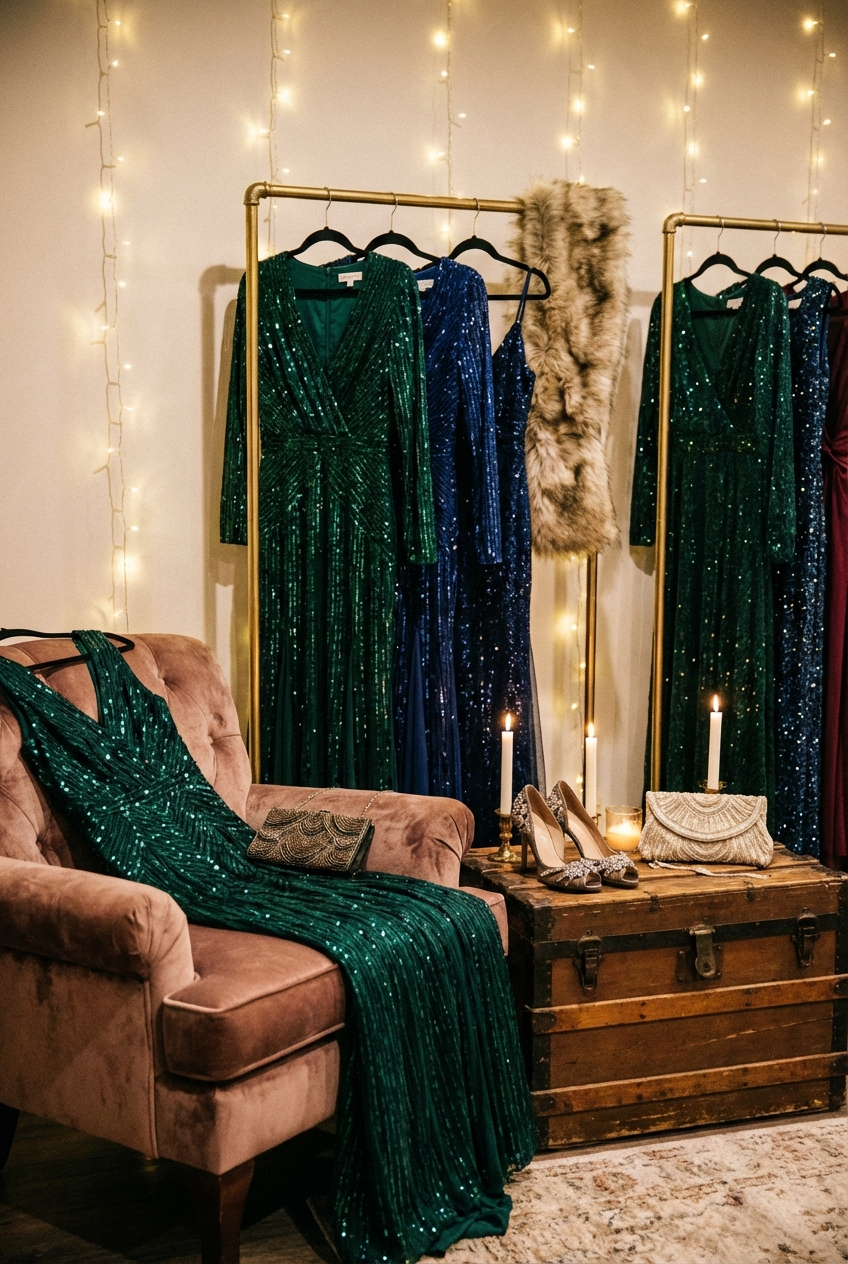
Stunning Evening Dresses For Winter Balls
There is a distinct shift in the air when invitation season turns from autumn cocktails to winter balls. The stakes feel higher, the venues grander, and the dress codes more rigorous. As a stylist, I find this season exhilarating because it demands a balance of high-drama aesthetics and thermal practicality.
I remember styling a client for a charity gala in December a few years ago. She was dead set on a slip dress she had seen on a summer runway, ignoring the reality of a drafty historic ballroom and the freezing walk from the valet. We compromised on a heavy silk velvet gown with long sleeves, and she spent the night comfortable and confident while others shivered in chiffon. If you are looking for visual inspiration to help identify your perfect silhouette, be sure to check the Picture Gallery at the end of this blog post.
Winter balls require a different approach to fabric, cut, and color than any other event on the calendar. You need materials that hold their shape under heavier layers and colors that stand up to warm, artificial chandelier lighting. This guide will walk you through exactly how to select a gown that commands the room without sacrificing comfort.
The Architecture of Winter Fabrics
The most critical decision you will make for a winter ball is the fabric choice. Unlike summer weddings where breathability is key, winter events require weight and opacity. Flimsy fabrics like unlined chiffon or lightweight crepe often look static-clinging and insubstantial against the heavy decor of winter venues.
I always steer clients toward velvet for winter formals. It is the gold standard because the pile of the fabric absorbs light, creating a deep, rich color that looks expensive in photography. It also provides a surprising amount of warmth.
Brocade and jacquard are excellent alternatives if you prefer a structured look. These fabrics have a stiffness that supports architectural shapes, meaning you can wear a voluminous skirt without needing uncomfortable layers of tulle underneath. They also resist wrinkling better than satin.
Heavier silk satins (look for “duchess satin” specifically) work well if they are fully lined. This fabric reflects light beautifully, which adds a glow to your complexion during evening events. However, ensure the weight is substantial enough to hide the outline of your undergarments.
Stylist’s Note: The Weight Test
When shopping, perform the “weight test” on the gown. Hold the dress up by the shoulder straps or sleeves. If the skirt falls instantly straight down with a heavy, fluid motion, it will drape beautifully on your body. If it flutters or feels paper-thin, put it back; it will not hold up to the gravity of a formal winter event.
Mastering the Silhouette and Sleeve
Winter is the only time of year where a long sleeve on a formal gown feels entirely appropriate and incredibly chic. A fitted long sleeve creates a seamless, elongated line from shoulder to wrist. This silhouette draws the eye up to your face and provides practical coverage.
If a full sleeve feels too modest, consider the “cold shoulder” or an off-the-shoulder cut with long sleeves. This highlights the décolletage—often the most flattering part of the body—while still offering the elegance of a covered arm. It balances skin exposure with seasonal appropriateness.
Cape dresses have become a staple in my styling kit for winter balls. A built-in cape adds immense drama and movement as you walk. It also eliminates the need for a separate shawl, which often ends up slipping off or looking messy in photos.
Common Mistakes + Fixes
Mistake: Choosing a floor-length hem that is too long for winter slush.
Fix: Hem the dress to graze the top of your shoe rather than sweeping the floor. In summer, we sweep the floor; in winter, we avoid wet, gray hemlines. Ask your tailor for a “shoe-skimming” break, usually 0.5 to 1 inch off the ground.
Color Theory for Artificial Light
Winter balls almost rarely happen in natural light. You will be illuminated by dim ambient lighting, candlelight, or harsh ballroom chandeliers. This lighting environment changes how colors appear on your skin.
Jewel tones are the safest and most striking bet. Emerald green, deep sapphire, ruby red, and amethyst purple read as vibrant and luxurious in low light. They also provide a high contrast against most skin tones, which prevents you from looking washed out.
Black is always acceptable, but it can disappear in a dimly lit room. If you choose a black gown, ensure it has texture—like velvet, sequins, or beading—to catch the light. A flat black matte jersey dress will look like a void in photos.
Metallic tones like liquid gold, pewter, and bronze are fantastic for winter galas. They act as a neutral but reflect the festive atmosphere. Be wary of light pastels or nudes, which can often look too “springtime” and may clash with the typically darker, richer decor of winter venues.
Navigating the Dress Code Strictness
Winter balls often carry the strictest dress codes of the year: Black Tie or White Tie. Understanding the nuances here is vital to avoid feeling underdressed.
For Black Tie, a floor-length gown is standard. You can technically get away with a very dressy cocktail dress, but I rarely recommend it for a ball. The scale of the room usually swallows up short dresses. You want a gown that touches the floor or the top of your foot.
White Tie is the most formal dress code in existence and requires a ballgown. This means a full skirt, not a column dress. If the invitation says White Tie, your dress needs volume. Gloves are also traditional for White Tie; they should be opera length (reaching past the elbow) and kept on until dinner is served.
What I’d Do in a Real Project
If I were styling you for a strict White Tie event:
1. Select a gown with a crinoline: We need skirt width to match the tails the men are wearing.
2. Add opera gloves: White or ivory kidskin gloves are the classic choice.
3. Up the jewelry: This is the time for statement necklaces or tiaras. Small pendants get lost.
Outerwear and Arrival Logistics
The most overlooked aspect of winter formalwear is the arrival. You cannot wear a puffer coat or a denim jacket over a ballgown. It ruins the first impression and crushes the structure of your dress.
Invest in an opera coat or a high-quality faux fur stole. An opera coat is cut wider at the hem to accommodate a full skirt and usually hits at the mid-calf or ankle. This keeps your entire look cohesive from the car to the coat check.
If a dedicated evening coat isn’t in the budget, a large faux fur wrap is the best alternative. It sits high on the shoulders and protects your chest and back from drafts. Pin it with a brooch to keep it secure so you aren’t fidgeting with it while holding a clutch and a champagne glass.
Stylist’s Note: The Shoe Swap
Do not wear your satin heels from your house to the venue if there is snow or rain. Wear a pair of clean, sleek leather boots for the transit. Check them at the coat check and slip into your heels in the powder room. Salt stains will ruin satin shoes instantly.
Undergarments and Structural Engineering
Winter gowns are heavy. A heavy velvet or beaded dress can weigh five to ten pounds. Standard strapless bras often cannot support this weight, and the dress will drag the undergarments down with it.
For heavy winter gowns, I rely on long-line bustiers or corsets. These rest on your hips and waist, distributing the weight of the dress across your torso rather than hanging it all from your shoulders or chest. This prevents the constant “hiking up” motion throughout the night.
Static is a major issue in winter due to dry air and heating systems. Tights rubbing against satin skirts create an unflattering cling.
To combat this, I sew small dress weights into the hem of lighter skirts to force them to hang straight. Alternatively, wearing a slip made of a natural fiber (like cotton or silk) between your tights and the dress can neutralize the static charge.
Common Mistakes + Fixes
Mistake: Wearing standard nylons that have a reinforced toe with open-toe sandals.
Fix: If you must wear tights for warmth, wear closed-toe pumps. If you want to wear open-toe sandals, you must go bare-legged or use ultra-sheer, toeless hose (though bare is preferred for modern styling).
Finish & Styling Checklist
Before you head out the door, run through this final styling check. These are the small details that separate a polished look from a chaotic one.
Hemline Check: Put on your exact shoes. Stand on a hard floor (not carpet). Have someone check that the hem is not folding under your heel.
Static Guard: Spray the inside of your dress and your legs/tights generously. Pack a travel-size bottle in your clutch.
Tape Check: If wearing a low neck or back, use double-sided fashion tape. Warm the tape between your palms before applying so the adhesive sticks better in the cold.
Emergency Kit: Pack safety pins, a few bobby pins, and a blister stick.
Jewelry Snag Test: Rub your bracelet or ring against a hidden part of your dress. If it snags the fabric, swap the jewelry. You don’t want to pull threads all night.
Glove Etiquette: If wearing gloves, ensure the ring you want to wear fits over the glove, or wear it underneath. Do not try to stretch a tight ring over fabric.
FAQs
Can I wear a short dress to a winter ball?
Generally, no. A “ball” implies a level of formality that dictates floor-length hemlines. A short dress, even a beaded one, usually reads as “cocktail” or “party” attire. If you must wear short, it should be a high-low cut with a significant train to add formality.
What shoes should I wear if it’s snowing?
Wear waterproof boots to the venue. No exceptions. Changing your shoes in the lobby or coat check area is a common practice at winter galas. Your evening shoes should be pristine and dry for the ballroom floor.
Are bare shoulders okay in winter?
Yes, absolutely. Once you are inside the venue, the heating will be cranked up. You might actually be grateful for the airflow. Just ensure you have a substantial wrap, cape, or coat for the transition periods near doors or drafty windows.
How do I handle a train on a crowded dance floor?
If your dress has a train, a “bustle” or a wrist loop is non-negotiable. A tailor can add a small loop to the underside of the train that you slip over your wrist. This keeps the fabric off the floor while you dance, preventing others from stepping on and ripping your gown.
Conclusion
Dressing for a winter ball is an opportunity to embrace a level of glamour that daily life rarely permits. It is about balancing the fantasy of the event with the reality of the season. By choosing the right fabrics like velvet or jacquard, you ensure you look appropriate for the setting.
Remember that confidence comes from comfort. If you aren’t worried about tripping on your hem, shivering from the cold, or adjusting a slipping bodice, you can focus on the music and the conversation. The right dress doesn’t just look stunning; it allows you to be the most stunning version of yourself.
Focus on rich colors, structural integrity, and smart layering. When you nail these elements, you won’t just attend the ball; you will own the room. Enjoy the season and the sparkle that comes with it.
Picture Gallery


