
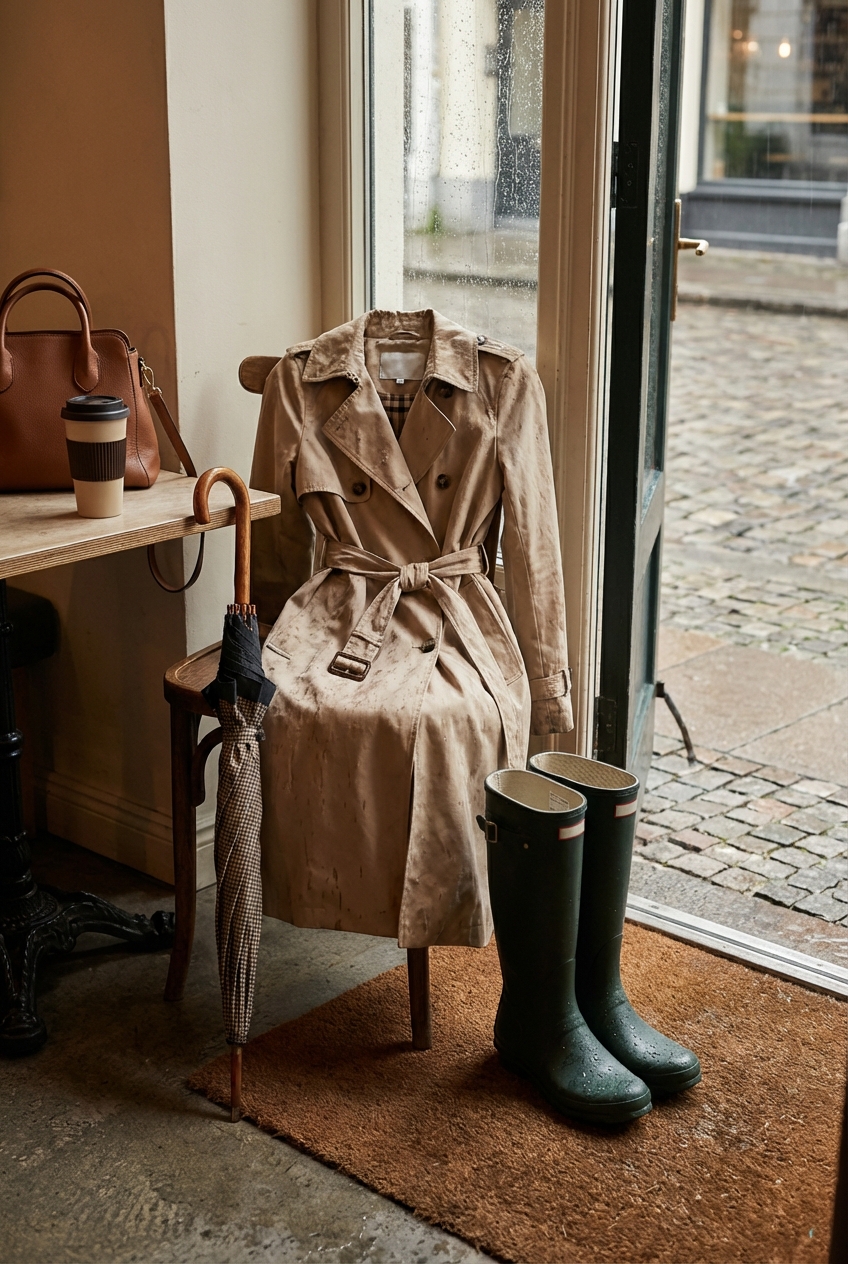
Stylish Trench Coats With Belts For Rainy Weather Elegance
There are very few garments in a woman’s wardrobe that work as hard as a belted trench coat. I remember styling a client for a high-stakes business trip to London in November. She had packed immaculate suits and silk blouses, but she had completely neglected her outerwear. We rushed to find a trench that didn’t just cover her outfit but actually elevated it, proving that the right coat is not just a shield against the rain—it is the outfit.
The magic of the trench lies in its structure and, most importantly, the belt. That simple strip of fabric transforms a boxy, utilitarian raincoat into a silhouette-defining piece of elegance. Whether you are running errands in leggings or heading to a black-tie event, the belted trench pulls everything together with a deliberate, polished tension. It creates a waist where there might not be one and adds an air of mystery that few other coats can replicate.
However, selecting the right one is not as simple as grabbing the first beige coat you see. There are nuances in lapel width, fabric weight, and buckle hardware that distinguish a high-end investment from a fast-fashion mistake. In this guide, I will walk you through exactly how to choose, fit, and style a belted trench for rainy days. Be sure to check out our curated Picture Gallery at the end of this blog post for visual inspiration on how to style these looks.
The Architecture of a Trench: Fabrics That Function
When we talk about “rainy weather elegance,” the fabric is the non-negotiable starting point. As a stylist, I see too many women purchase trench coats made of flimsy polyester blends that trap heat and look limp the moment they get wet. A true trench must have structure.
The gold standard remains cotton gabardine. Invented by Thomas Burberry in the late 19th century, this tightly woven fabric is breathable yet water-resistant. The weave is so dense that rain beads off the surface rather than soaking through. If you are investing in a coat to last a decade, look for 100% cotton or a high-count cotton blend with a water-repellent coating.
For a more modern or evening-appropriate look, you might consider treated silk blends or technical nylons that mimic the matte finish of cotton. Avoid shiny, plastic-looking vinyl unless you are going for a very specific avant-garde aesthetic. It rarely breathes, and you will arrive at your destination feeling clammy.
Stylist’s Note on Fabric Weight:
A common issue I see is clients buying a trench that is too lightweight. A “drapey” trench sounds romantic, but in a rainstorm, it clings to your legs. You need a mid-weight fabric (roughly 10-14 oz) that hangs straight down, regardless of the wind.
Mastering the Belt: It’s Not Just a Closure
The belt is the centerpiece of this look. On a high-quality trench, the belt should be substantial. It needs to be stiff enough to hold its shape when tied, rather than looking like a limp ribbon.
Hardware matters immensely here. Look for leather-wrapped buckles or heavy resin tortoise finishes. Cheap, hollow metal hardware rattles and cheapens the entire look. The D-rings often found on trench belts were originally designed for carrying military equipment (like grenades), but today they serve a vital purpose: they act as a stopper to keep the belt from slipping out of the loop.
Common Mistakes + Fixes:
- Mistake: Using the buckle strictly as intended.
- The Fix: While buckling is tidy, it can look a bit rigid. For that “fashion editor” look, pull the belt tight and knot it. A square knot lies flat and looks intentional.
- Mistake: Letting the belt hang loose when the coat is open.
- The Fix: Never let the belt drag on the floor. If wearing the coat open, tie the belt in a neat knot at the center of your back. This gathers the excess fabric and creates a beautiful A-line shape from the back view.
Proportions and Fit: The Rules of Thumb
Fit is where luxury lives. You can buy a vintage coat, but if the shoulders fit perfectly, it will look like a million dollars. The shoulder seam should sit exactly at the edge of your natural shoulder bone. If it extends past this, the coat will swallow you; if it’s too high, you will look restricted.
Sleeve length is equally critical. In my fittings, I measure the sleeve to hit exactly at the thumb knuckle when your arms are straight down. This ensures that when you bend your arm to check your watch or hold an umbrella, your wrist remains covered. If you plan to wear blazers underneath, you need that extra half-inch of length to prevent the suit cuff from poking out.
What I’d do in a real fitting:
- Shoulder Test: I always have the client hug themselves. If the fabric pulls tight across the back shoulder blades, go up a size. You need room for a cashmere sweater.
- Length Logic: For maximum versatility, aim for a hemline that hits 2 to 3 inches below the knee. This length covers most midi skirts and looks proportional with trousers. A trench that ends mid-thigh often cuts the body in half and offers less rain protection.
Color Theory: Beyond the Classic Beige
While the honey-colored trench is iconic, it is not universally flattering. Beige can sometimes wash out cooler skin tones or look muddy against certain hair colors. Do not feel obligated to buy the “classic” if it doesn’t make your skin glow.
Stone and Grey:
For cool undertones, “stone” is a much better neutral. It leans towards a pale grey-white and looks crisp and modern. A charcoal or slate grey trench is also incredibly chic and hides urban grime (splashes from puddles/taxis) much better than light tan.
Navy and Black:
A deep midnight navy is often more versatile than black. It pairs beautifully with denim and black trousers alike. However, if you choose black, pay close attention to the fabric quality. Cheap black cotton can fade quickly at the seams. Look for a blend that promises color retention.
Statement Hues:
If you live in a climate where it rains constantly (like Seattle or London), a colored trench can be a mood lifter. A deep olive green acts as a neutral, while a burnt orange or burgundy can make a powerful statement. If you choose a bold color, keep the buttons and hardware minimal to avoid looking like a costume.
The “Storm Flap” and Functional Details
Genuine trench coats come with features designed for war trenches that are surprisingly useful for modern rain. The “gun flap” or “storm flap” is the extra piece of fabric on one or both shoulders. Its original purpose was to cushion the recoil of a rifle and prevent water from running down the shoulder into the gun.
Today, this flap provides an extra layer of protection for your chest against driving rain. When buttoned properly, it ensures that water runs off the coat rather than soaking into the buttonholes of the main closure.
Look for a “throat latch.” This is a small strap usually hidden under the collar. On particularly windy, rainy days, you can flip the collar up and use this latch to secure it around your neck, eliminating the need for a scarf. It is a detail often skipped by mass-market brands, but it is essential for true weather elegance.
Stylist’s Note on Vents:
Check the back vent (the slit at the bottom rear of the coat). It should have a button or a small tab to keep it closed. In high winds, a vent without a closure allows the coat to blow open, exposing your legs to the rain.
Styling For Different Occasions
The belted trench is a chameleon. The way you style it changes its entire language.
The Corporate Power Look:
Wear the trench over a sheath dress or suit. Buckle the belt properly for a sharp, regimented finish. Wear leather knee-high boots that disappear under the hem of the coat. This creates a seamless, watertight line that looks incredibly professional.
The Weekend “Off-Duty” Look:
Layer a grey hoodie under the trench, letting the hood spill out over the collar. Push the sleeves up to your elbows (use a rubber band hidden in the fold to keep them up) to expose your forearms. Knot the belt loosely. Pair with clean white sneakers or ankle rain boots.
Evening Elegance:
Drape the trench over your shoulders like a cape (often called “shrobing”) if you are just moving from car to venue. Or, wear it as a dress: button it all the way up, cinch the belt tightly, pop the collar, and add statement earrings. With sheer tights and pointed-toe heels, the coat becomes the main event.
Finish & Styling Checklist
Before you head out into the rain, run through this quick stylist’s checklist to ensure your look is polished and practical.
- Check the Shoulders: Can you move your arms comfortably? If you feel restricted, you won’t reach for this coat when you’re in a hurry.
- Inspect the Hem: Does your skirt hang out awkwardly below the coat? Ideally, the coat should cover the skirt, or the skirt should be significantly longer (maxi length). A skirt poking out 2 inches looks accidental.
- Secure the Belt: If wearing it open, have you tied the back knot? If closed, is the knot or buckle sitting at your natural waist, not your hips?
- Collar Check: Pop the collar at the back neck but smooth it down at the front. This frames the face beautifully.
- Sleeve Length: Are your sleeves too long? If they cover your knuckles, have them tailored. It’s a small alteration that makes a huge difference in looking groomed.
- Lint check: Dark trenches attract lint. Keep a travel-size lint roller in your pocket.
FAQs
Q: Can I wash my trench coat in the washing machine?
A: Generally, no. Structured trench coats, especially those with canvas interfacing in the collars and lapels, should be dry cleaned. Washing them can ruin the water-repellent coating and cause the fabric to bubble. Always check the care label, but err on the side of dry cleaning to maintain crispness.
Q: How do I stop the belt from slipping out of the loops when I take the coat off?
A: This is a common annoyance. You can ask a tailor to add small “tacks” or stitches to hold the belt in the back loops, though this limits your ability to remove it. Alternatively, simply tie a loose overhand knot at the very end of the belt tail on each side after threading it through the loops; this acts as a stopper.
Q: Is a double-breasted trench better than single-breasted?
A: A double-breasted coat (two columns of buttons) is the classic style and offers more warmth because the fabric overlaps significantly over the chest. However, if you have a large bust or a petite frame, the extra bulk can be overwhelming. In those cases, a single-breasted trench offers a cleaner, more vertical line that is very slimming.
Q: Can I wear a trench coat in the winter?
A: A standard cotton trench is not warm enough for freezing temperatures. However, many high-end brands offer detachable wool or down liners. If you size up slightly to accommodate a heavy sweater or a liner, you can stretch the wearability into early winter.
Conclusion
A stylish trench coat with a belt is more than just rain gear; it is a sartorial safety net. It promises that no matter what you are wearing underneath—gym clothes, pajamas, or an evening gown—you present a polished, cohesive front to the world. By focusing on the architecture of the fabric, the precision of the fit, and the art of the belt knot, you elevate a rainy day necessity into a signature style moment.
Invest in the best quality you can afford, pay attention to the shoulder fit, and don’t be afraid to abuse the belt to create that coveted hourglass shape. When the clouds turn grey, your trench will ensure you remain the brightest thing on the street.
Picture Gallery


