
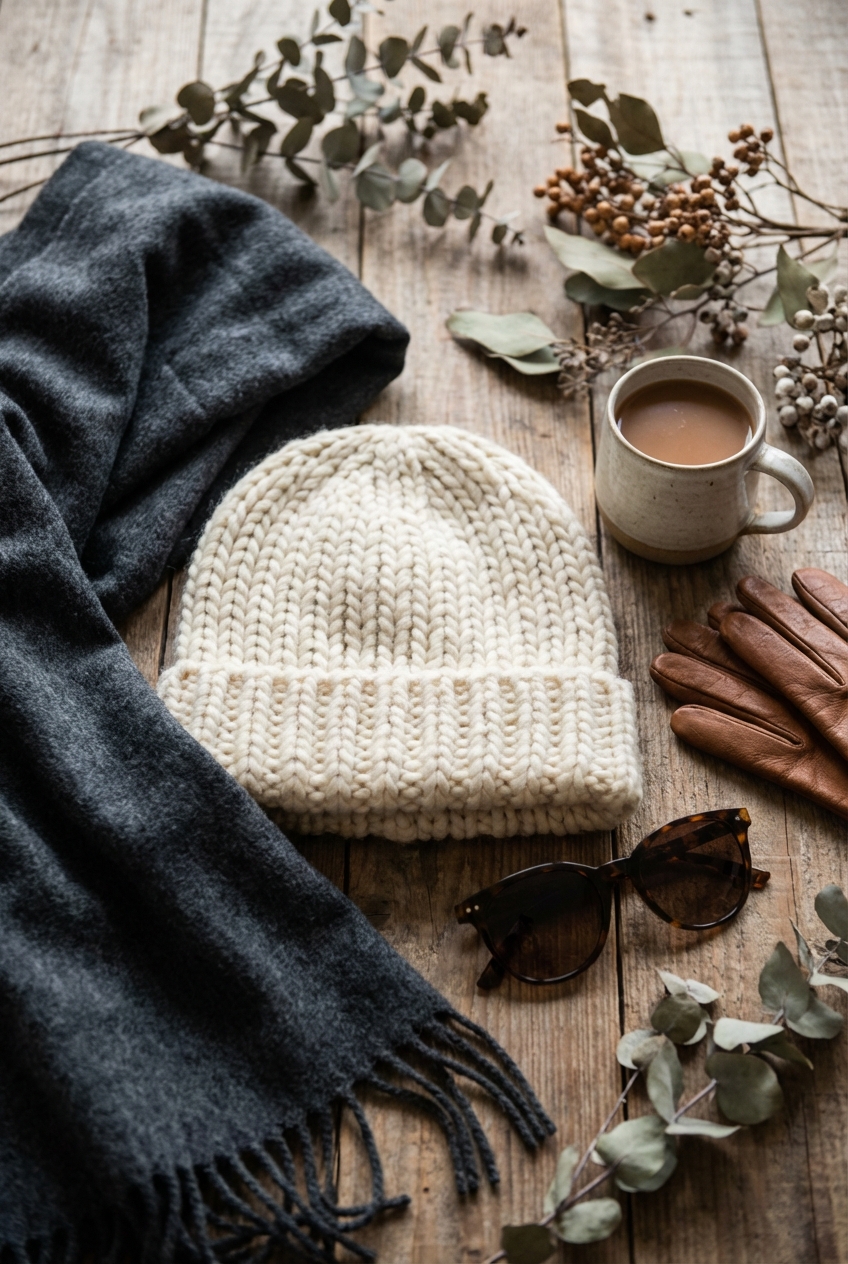
Stylish Wool Hats For Cold Winter Elegance
Introduction
There is a distinct moment when winter transitions from a festive novelty to a harsh reality, usually around mid-January. This is when your wardrobe must work its hardest, balancing thermal necessity with the desire to remain polished. As a fashion stylist who has curated winter wardrobes for clients from Aspen to New York City, I believe the wool hat is the ultimate anchor for cold-weather elegance.
A great wool hat does more than trap heat; it completely recalibrates your silhouette. It adds height, frames the face, and signals intentionality in your dressing. Whether it is a structured felt fedora or a soft, boiled wool bucket hat, this accessory transforms a generic coat-and-boots combination into a cohesive look.
However, selecting the right piece requires navigating material quality, face shape proportions, and maintenance. If you are looking for visual inspiration on how to style these pieces, make sure to check out our curated Picture Gallery at the end of the blog post.
The Material Hierarchy: Why Fiber Matters
In the world of high-end fashion, the integrity of the fiber is non-negotiable. When we talk about “wool,” we are often using a catch-all term for various animal fibers, but they behave very differently. For a hat to look elegant and last for years, you must check the interior tag before purchasing.
Merino Wool
This is the gold standard for everyday luxury. Merino fibers are incredibly fine, which means they do not itch against the forehead. A structured Merino felt hat offers a matte finish that absorbs light beautifully, making it look expensive and rich in photography and real life.
Boiled Wool
This material is created by shrinking knitted wool in hot water. The result is a dense, tight fabric that is nearly waterproof and very warm. It has a nubby, textured appearance that adds depth to smoother fabrics like silk scarves or cashmere coats.
Designer’s Note on Materiality:
One issue I frequently see is clients buying “wool blend” hats that are actually 60% acrylic. Synthetic blends do not breathe. This leads to the dreaded “hat hair” caused by sweat and humidity trapping against the scalp. Always aim for at least 90% natural fiber content for breathability and thermal regulation.
Mastering the Fit: Measurements and Sizing
A hat that does not fit correctly will never look stylish because you will constantly be adjusting it. In my studio, we treat hat sizing with the same precision as tailoring a blazer. “One size fits most” is rarely the truth in luxury fashion.
To get your measurement, place a soft tape measure about one-eighth of an inch above your ear and across the mid-forehead. This is where the hat band naturally sits.
Standard Sizing Breakdown:
- Small: 54 cm – 55 cm (21.1 – 21.5 inches)
- Medium: 56 cm – 57 cm (21.9 – 22.4 inches)
- Large: 58 cm – 59 cm (22.8 – 23.2 inches)
If you fall between sizes, always size up. It is much easier to add a hat filler or a foam strip behind the sweatband than it is to stretch a hat that cuts off your circulation.
The Two-Finger Rule:
When wearing the hat, you should be able to slide one or two fingers flat between your forehead and the hat band. If you cannot do this, the hat is too tight and will leave a red mark on your skin after thirty minutes.
The Architecture of Brim Width and Face Shape
Understanding scale is just as important in fashion as it is in interior design. The hat is the roof of your outfit, and its proportions must balance the structure of your face. Wearing a brim that is too wide can swallow you up, while a brim that is too narrow can make your face look wider than it is.
For Round Faces
You want to create length and vertical lines. Avoid round crowns or soft, floppy brims that mimic the curve of your face.
- Look for: High, indented crowns (like a fedora) and medium brims.
- Style Tip: Wear the hat slightly tilted back to expose the forehead, adding vertical height.
For Square Faces
The goal is to soften the jawline. Angular hats will look too harsh.
- Look for: Rounded crowns (like a cloche or a bowler) and floppy, soft brims.
- Style Tip: A slight asymmetry works wonders here. A brim that dips on one side breaks up the boxiness of the face.
For Oval Faces
You have the most versatility, but you must respect the “shoulder rule.”
- The Golden Rule: Never wear a hat with a brim that extends beyond the width of your shoulders. It creates a “mushroom” effect that ruins your body proportions.
Structuring the Look: The Fedora and Rancher
The rigid wool hat—typically a Fedora or a Rancher style—is the powerhouse of a winter wardrobe. These hats are molded from stiffened wool felt and hold a permanent shape. They are best suited for tailored coats, trench coats, and heeled boots.
The Monochromatic Approach
For a high-end look, match your hat exactly to your coat. A camel hat with a camel coat creates an uninterrupted vertical line that is incredibly slimming and chic. It looks intentional and curated.
Mixing Textures
If you aren’t matching colors, match the “weight” of the outfit. A stiff wool hat requires a substantial outfit. It pairs well with leather, heavy denim, or shearling. It does not pair well with thin activewear or lightweight cardigans.
Common Mistakes + Fixes:
- Mistake: Wearing a stiff brim hat too low over the eyebrows. This looks menacing and hides your eyes.
- Fix: The brim should sit about one inch above your brows. If it slides down, the hat is too big or the crown is too deep for your head shape. Use hat sizing tape to lift it.
Soft Elegance: The Beret and The Bucket
Not every winter day calls for the drama of a wide brim. Soft wool accessories like the beret and the structured wool bucket hat offer a more approachable, Parisian-inspired elegance. These are easier to travel with as they can often be packed flat.
The Modern Wool Bucket
This is not the flimsy cotton bucket hat of the summer. A winter version is made of thick felt or boiled wool. It should have a steep, downward-sloping brim.
- Styling: This looks excellent with oversized puffer coats and chunky Chelsea boots. It balances volume with volume.
The Wool Beret
The beret is timeless, but it is often worn incorrectly. It should never sit on top of your head like a pancake.
- What I’d do in a real project: I place the band about an inch back from the hairline. Then, I pull the excess fabric to one side, creating a sharp angle. Secure it with a bobby pin that matches your hair color if it feels slippery.
Care, Maintenance, and Storage
A quality wool hat is an investment piece that can last a decade, but it is fragile. Wool felt is susceptible to crushing and moisture damage. Proper maintenance is what separates a pristine accessory from a battered one.
Handling the Hat
Never pick up a fedora or structured hat by the “pinch” (the dent in the crown). Over time, the oils from your fingers will weaken the felt and cause it to crack. Always pick up the hat by the brim.
Water and Snow
Wool is naturally water-resistant, but it is not waterproof. If you get caught in a heavy downpour, do not use a hair dryer or radiator. Artificial heat will shrink the fibers.
- The Protocol: Shake off excess water gently. Stuff the crown with colorless tissue paper or a clean hand towel to hold the shape. Let it air dry on a flat surface away from direct sunlight.
Reshaping with Steam
If your hat brim gets bent or the crown gets crushed, you do not need to throw it away. A handheld garment steamer is a stylist’s best friend.
- How to fix: Hold the steamer about six inches away from the felt until it becomes pliable and warm. Use your hands to gently mold the brim back to flat or the crown back to shape. Hold it in place until the wool cools down. As it cools, it re-sets the memory of the fiber.
Finish & Styling Checklist
Before you head out the door, run through this quick mental checklist to ensure your look is polished and proportional.
- Check the clearance: Is the hat sitting one inch above your eyebrows?
- Check the shoulders: Is the brim narrower than your shoulder width?
- Check the hair: If you have long hair, is it tucked behind your ears or styled low? High ponytails create a weird bump under the brim.
- Check the palette: Does the hat coordinate with your shoes or your bag? This “bookending” technique pulls the outfit together.
- Check the lint: Wool felt is a magnet for dust. Give it a quick pass with a lint roller before leaving.
- Check the security: If it’s windy, do you have hat tape or a tighter fit to prevent it from blowing away?
FAQs
Can I wear a wool hat inside?
Etiquette rules have relaxed significantly. In a casual dining setting, a coffee shop, or an art gallery, a woman’s fashion hat is considered part of the outfit and can remain on. However, in a formal dining setting, inside a theater, or in a place of worship, it is generally polite to remove wide-brimmed styles to avoid obstructing views.
How do I pack a structured wool hat?
Ideally, you wear it on the plane. If you must pack it, stuff the crown tightly with socks and underwear to maintain its shape. Place it upside down in your suitcase (crown down) and pack clothes around the crown to create a protective nest. The brim should lay flat against the clothes.
My wool hat itches my forehead. What can I do?
This is common with lower-quality wools. You can purchase adhesive hat liners made of foam or cotton. These stick to the inner sweatband, providing a barrier between the wool and your skin while also making the fit slightly more snug.
Are light-colored wool hats hard to keep clean?
Yes, cream and beige hats show dirt easily, especially makeup transfer on the inner rim. To prevent this, stick a piece of disposable hat tape or medical tape on the inside forehead band and replace it every few wears. For exterior spots, a gum eraser (available at art supply stores) can gently rub away surface dirt.
Conclusion
Embracing wool hats in winter is about more than staying warm; it is about refusing to let the weather dictate your style standards. A well-chosen hat acts as a finishing punctuation mark to your outfit, proving that practical layers can still be luxurious.
Whether you opt for the architectural drama of a wide-brimmed fedora or the soft texture of a boiled wool bucket hat, the key lies in the fit and the fabrication. By investing in natural fibers and respecting the proportions of your face, you elevate your winter aesthetic from functional to exceptional.
Picture Gallery


