
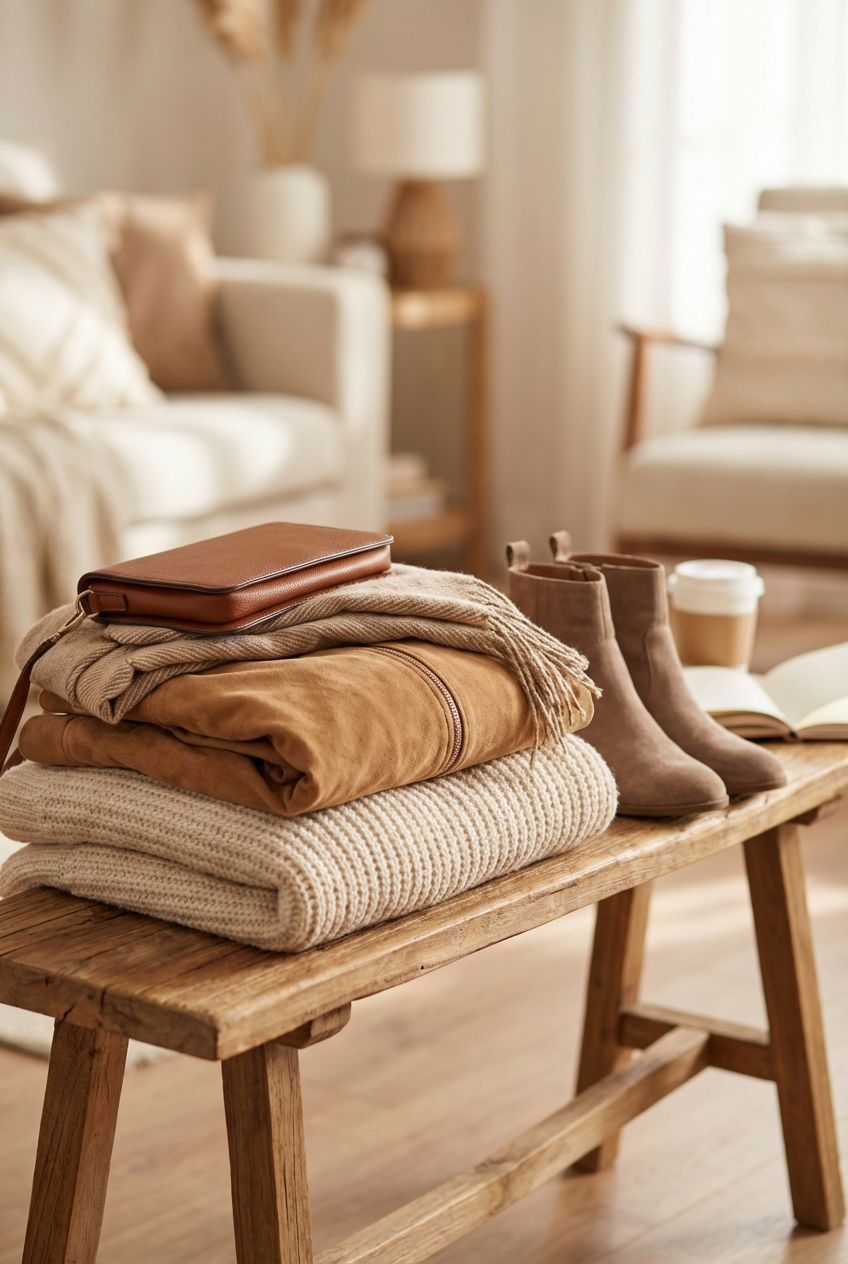
Suede Styles Incorporating Soft Textures Into Your Wardrobe
There is a distinct shift in the air when we move from crisp cottons to heavier, more tactile fabrics. Suede has long been my secret weapon for elevating a client’s wardrobe without relying on loud prints or aggressive logos. It offers a richness and depth that leather simply cannot match, absorbing light rather than reflecting it.
I remember my first investment piece, a vintage caramel fringe jacket I found in Paris. It wasn’t just a garment; it was a sensory experience that softened every outfit I paired it with. That jacket taught me that texture is just as important as color when curating a high-end look.
Suede can be intimidating due to maintenance fears, but with the right knowledge, it becomes a durable lifestyle staple. If you are looking for visual inspiration, check out the comprehensive Picture Gallery at the end of this blog post.
Understanding the Material: Quality and Texture
Before buying, you must understand what you are touching. Not all suede is created equal, and the difference in quality dramatically affects how the garment hangs on your body.
High-end suede is typically made from the underside of the skin, primarily lamb, goat, or calf. This is what gives it that signature “nap,” the tiny fibers that change color when you brush your hand across them.
Designer’s Note: The “Hand” Test
When shopping, close your eyes and run your palm across the fabric. Good suede should feel almost creamy, not rough or sandpaper-like. If the fibers feel stiff or shed instantly onto your hand, put it back. That stiffness will result in uncomfortable bunching at the elbows and knees.
Real vs. Faux: Making the Choice
There is a place for both real and vegan suede in a modern wardrobe. Real suede breathes better and molds to your body over time, developing a unique patina. It is an investment for the long haul.
High-quality faux suede (microsuede) has come a long way. It is often stretchier, water-resistant, and machine washable. For tight-fitting pants or leggings, I often recommend high-end faux suede to clients because it retains its shape better than natural hide, which tends to bag out.
The Suede Jacket: A Year-Round Staple
The suede jacket is the most versatile entry point for this texture. It bridges the gap between a structured blazer and a casual denim jacket.
In my styling practice, I focus heavily on the “third piece rule.” Your top and pants are the base, but the jacket—the third piece—makes the outfit. A suede jacket softens the edge of a look, making it approachable yet expensive.
Choosing the Right Silhouette
The Moto Jacket: This is your weekend warrior. Look for heavy hardware (zippers and buckles) to contrast the soft nap of the suede.
Fit Check: The shoulder seam should sit exactly at the corner of your shoulder bone. If it droops, the jacket looks borrowed.
Length: It should hit right at the high hip bone. Any longer, and you lose the leg-lengthening effect.
The Suede Blazer: This is a massive trend for the upcoming season. It adds a 70s-inspired academic vibe to office wear.
Fit Check: Ensure you can cross your arms comfortably. Suede has less “give” than wool.
Sleeve Length: The sleeve should end at your wrist bone, allowing half an inch of your shirt cuff to peek through.
Common Mistakes + Fixes
Mistake: Buying a jacket that fits perfectly over a T-shirt but is too tight for a sweater.
Fix: Always bring a medium-weight knit to your fitting. Suede jackets are layering pieces; you need that extra half-inch of room in the armholes.
Bottoms Up: Styling Suede Skirts and Pants
Wearing suede on your lower half requires distinct attention to fit and lining. This is where construction quality becomes non-negotiable.
Suede is a heavy fabric. If it is not tailored correctly, it adds visual bulk. The goal is to find pieces that skim the body rather than cling to it.
The Skirt Strategy
A suede mini skirt combined with black tights is a classic fall uniform. However, the midi skirt is the current hallmark of high-end fashion.
Pro-Tip on Lining: Never buy a suede skirt that isn’t lined. Without a silky lining (usually acetate or viscose), the suede will stick to your tights or bare legs, causing it to ride up as you walk. The lining also prevents the seat of the skirt from stretching out when you sit.
What I’d Do in a Real Project:
If I am styling a client in a camel suede midi skirt, I pair it with a fitted turtleneck in a similar tone (monochromatic) or a crisp white poplin shirt. The crispness of the cotton shirt contrasts beautifully with the fuzzy texture of the skirt.
Suede Pants: The Fit Constraints
Real suede pants are tricky because knees tend to bag out after a few hours of wear.
The Fix: Look for pants with a seam at the knee. This construction detail adds structure and prevents the fabric from warping.
The Alternative: If you want a skinny fit, opt for a stretch-bonded suede or high-quality vegan leather. If you want real suede, go for a wide-leg trouser cut where the drape is loose and forgiving.
Accessories: The Textural Accent
If a full jacket feels too bold, accessories are the safest way to introduce this texture. They add warmth to an outfit without requiring a major fitting session.
Boots and Shoes
Suede boots absorb light, making the color appear richer than leather. A black suede boot is deeper and darker than a black leather boot.
The Ankle Boot: Look for a shaft height that hits one inch above your ankle bone. This allows you to wear them with cropped jeans without showing skin in winter.
The Knee-High: Slouchy suede boots are incredibly chic over skinny jeans or under midi skirts. The “slouch” adds a relaxed, bohemian elegance that stiff leather cannot achieve.
Bags and Belts
A suede handbag is the ultimate luxury, but it comes with a warning: crocking. This is the transfer of dye from the bag to your clothes (or vice versa).
Designer’s Note: Dye Transfer
Be very careful wearing a new dark suede bag against light-colored jeans or a white coat. Conversely, be careful wearing dark raw denim with a light beige suede bag. I always spray my clients’ bags with a fixative protectant before they ever leave the closet.
Color Theory: Beyond Camel and Tan
While tan and cognac are the industry standards, colored suede is where high-fashion styling really shines. Because of the texture, colors appear softer and more muted.
Jewel Tones
Deep emerald green, burgundy, and navy suede are stunning. These colors act as neutrals in a fall/winter wardrobe.
Styling Tip: A burgundy suede jacket pairs perfectly with charcoal grey trousers or light wash denim.
The Benefit: Darker colors hide minor stains and water marks much better than the traditional light tans.
The Monochromatic Look
One of the most expensive-looking styling tricks is the textural monochrome.
Wear a beige knit sweater.
Pair with a tan suede skirt.
Finish with nude leather boots.
The colors are all in the same family, but the mix of knit, suede, and leather creates depth. It prevents the outfit from looking flat.
Care and Maintenance: The Non-Negotiables
You cannot own suede without owning a maintenance kit. This is the number one reason pieces get ruined. It isn’t the rain; it’s the neglect.
Unlike leather, you cannot just wipe suede clean. It requires a specific protocol.
The Essential Tool Kit
1. The Waterproof Spray:
You must spray your items before you wear them. Use a high-quality spray specifically designed for suede/nubuck. Spray from 6 to 8 inches away in a well-ventilated area. Do two light coats rather than one heavy soaking coat.
2. The Suede Brush:
Get a brush with both brass bristles (for deep cleaning) and nylon bristles (for grooming). Brushing the nap keeps it fluffy and removes surface dust that makes the color look dull.
3. The Eraser:
A suede eraser (which looks like a gummy block) is vital for dry stains. You rub it vigorously over the spot, then brush away the crumbs.
Storage Rules
Never store suede in plastic garment bags. The leather needs to breathe. Plastic traps humidity, which can lead to mold or mildew. Use cotton dust bags or old pillowcases.
Keep suede out of direct sunlight in your closet. The UV rays will fade the dye unevenly, leaving you with a “sun-bleached” shoulder that ruins the piece.
Finish & Styling Checklist
Here is the mental checklist I run through when styling a client in suede to ensure the look is polished and practical.
What I’d Do in a Real Project:
Check the Weather: Is there a greater than 30% chance of rain? If yes, swap the suede shoes for leather. It isn’t worth the stress.
Texture Balance: Am I wearing too much fuzz? If I have a suede skirt and a mohair sweater, there is too much texture. I need to break it up with silk, cotton, or smooth leather.
The Sit Test: If wearing a suede skirt or pants, sit down for 60 seconds. Does it dig in? Does it ride up dangerously high? Adjust the size accordingly.
Color Guard: Check for dye transfer risks. Rub a white cloth on the inside hem of a new dark suede garment to see if the color bleeds.
The Groom: Give the item a quick brush before leaving the house. Matted suede looks dirty, even if it is clean.
FAQs
Can I wear suede in the rain?
Technically, yes, if it is treated with a high-quality water repellent. However, heavy downpours can saturate the leather and alter its shape. If you get caught in the rain, let the item dry naturally away from heat, then brush the nap vigorously to restore the texture.
Does suede stretch?
Yes, real suede stretches, particularly horizontally. It will mold to your body warmth. Always buy a snug fit for jackets and shoes, as they will loosen up by about half a size.
Can I steam suede to remove wrinkles?
You must be very careful. Do not apply the steamer head directly to the fabric. Hover the steamer at least 6 inches away and use the steam to relax the fibers, then smooth it with your hand. Direct heat can cook the leather and cause it to harden.
How do I clean an oil stain off suede?
This is the hardest stain to remove. Cover the spot with cornstarch or baby powder and let it sit overnight to absorb the oil. Brush it off the next morning. Repeat if necessary. Do not use water on an oil stain.
Conclusion
Incorporating suede into your wardrobe is a declaration of style confidence. It shows you appreciate nuance, texture, and quality. Whether it is a pair of chocolate brown boots that anchor a floral dress, or a structured jacket that elevates your favorite jeans, suede adds a layer of sophistication that is hard to replicate.
Start with one key piece. Invest in the maintenance tools. Pay attention to the fit. When you care for suede correctly, it rewards you by getting better, softer, and more personal with every wear.
Picture Gallery


