
The Art Of Mixing And Matching In A Capsule Wardrobe
There is a pervasive myth in the fashion world that a capsule wardrobe equates to a boring wardrobe. Many people assume that limiting your closet to thirty or forty pieces means you are destined to wear the exact same outfit on repeat, stripping away the joy of self-expression. As a stylist, I see the opposite effect: restrictions actually breed creativity.
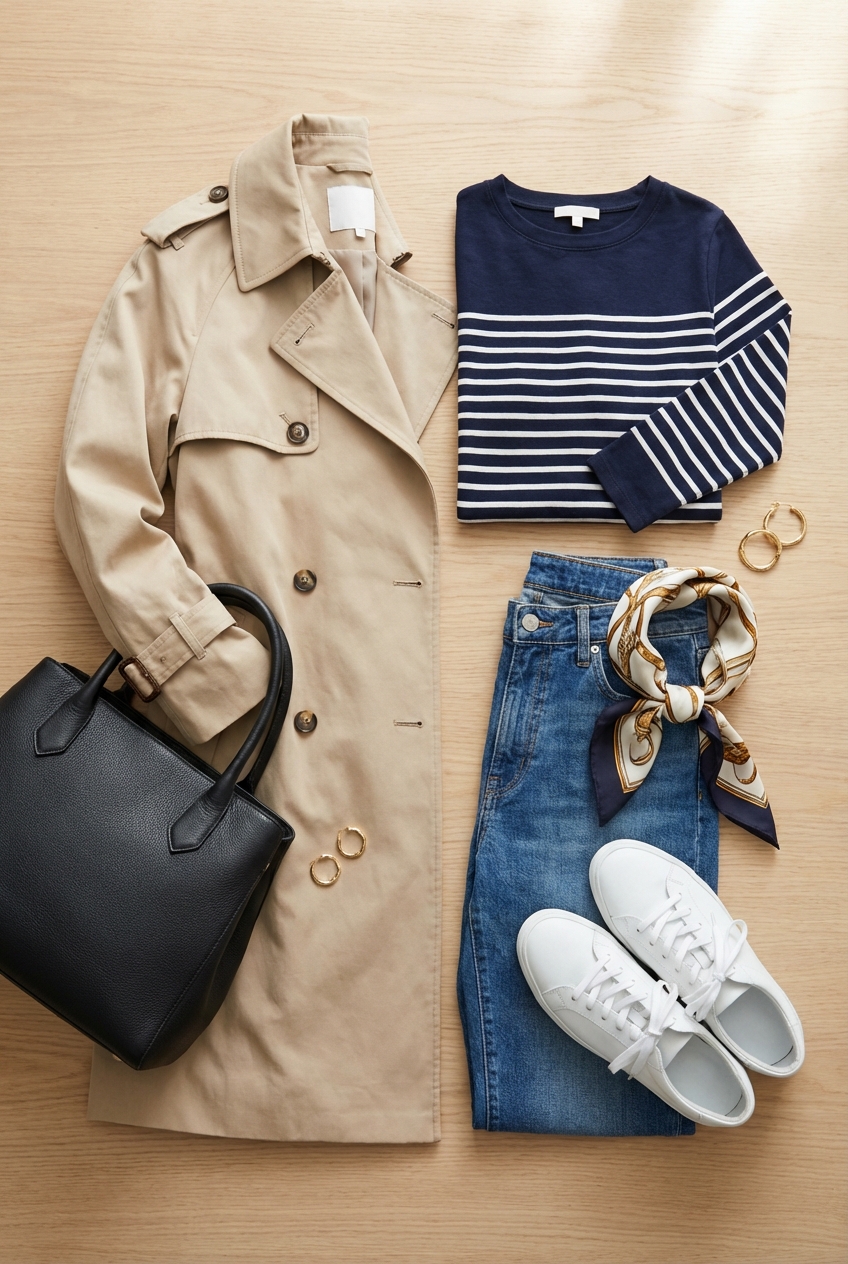
When you remove the clutter of ill-fitting trends and impulse buys, you are left with a curated selection of high-performing assets. The true skill lies not in how much you own, but in how effectively you can manipulate those pieces to create fresh silhouettes. For visual inspiration on how these combinations come together, make sure you scroll to the Picture Gallery at the end of the blog post.
My journey with capsule styling began years ago when I realized my clients were paralyzed by choice. They had walk-in closets bursting with designer labels, yet they reached for the same pair of jeans every morning. The art of mixing and matching is about understanding the architectural relationship between your clothes. It is about balancing visual weight, texture, and proportion to make a limited number of items feel infinite.
Establishing The Foundation: The 60-30-10 Rule
In high-end interior design, we use the 60-30-10 rule to balance color in a room. I apply this exact same methodology to building a cohesive wardrobe. If your colors do not converse well with one another, mixing and matching becomes a daily struggle.
60% Base Neutrals
This is the canvas of your wardrobe. These pieces should be high-investment items like coats, trousers, and blazers. Avoid stark black if you have a softer complexion; charcoal, navy, and camel are often more versatile. These items must all work together seamlessly.
Wool trousers in charcoal.
Cashmere knits in oatmeal or camel.
Denim in a uniform, dark wash (no distressing).
30% Supporting Colors
These are tonal variations or subdued hues that add depth without overwhelming the eye. They bridge the gap between your neutrals and your accents.
Dusty blue button-downs.
Olive green utility jackets.
Burgundy leather accessories.
10% Accents
This is where your personality shines. These pieces are smaller or can be layered underneath neutrals.
A silk scarf in a bold geometric print.
A statement shoe in a metallic finish or bright red.
A structured bag in an unexpected texture like croc-embossed leather.
Designer’s Note:
The biggest mistake I see is a closet with 50% accents. If half your wardrobe consists of “statement pieces,” you have nothing to anchor them. You end up with a closet full of loud soloists and no choir. Aim for boring basics to be the majority; they allow the special pieces to actually look special.
Mastering Texture: The Secret To Depth
When you limit your color palette, texture becomes your primary tool for visual interest. A monochromatic outfit in all cotton looks flat and utilitarian. That same outfit in wool, silk, and leather looks expensive and intentional.
Tactile Contrast
The goal is to place opposing textures next to each other. This creates friction that catches the light differently and adds dimension.
Knits + Satin: Pair a chunky, heavy-gauge cable knit sweater with a liquid silk slip skirt. The weight of the wool grounds the lightness of the silk.
Leather + Cotton: A crisp white cotton poplin shirt looks infinitely more chic when half-tucked into leather trousers rather than standard denim.
Denim + Velvet: For evening, a velvet blazer elevates a pair of vintage-wash jeans instantly.
Common Mistakes + Fixes
Mistake: Wearing a full suit of jersey or polyester blends. This often looks cheap because the fabric absorbs light flatly.
Fix: Break up the matching set. Wear the jersey top with rigid denim, and the jersey skirt with a structured blazer.
What I’d do in a real project: I always ensure a client has at least three distinct fabric weights in their capsule: a heavy wool (coating), a medium weave (denim/cotton), and a light fluid fabric (silk/viscose).
Proportion Play: The Rule of Thirds
Mixing and matching isn’t just about color; it is about silhouette. If you cut your body in half visually (a 1:1 ratio), you tend to look boxy. High-end styling relies on the “Rule of Thirds.”
The 1/3 to 2/3 Ratio
You want your outfit to divide your body into uneven sections. This elongates the frame and looks more dynamic.
Short Top, Long Bottom: A cropped knit or a tucked-in blouse (1/3) paired with high-waisted wide-leg trousers (2/3). This creates a leg-lengthening effect.
Long Top, Short Bottom: An oversized tunic or blazer (2/3) worn over slim leggings or a short skirt (1/3).
Volume Balance
If you are wearing volume on top, keep the bottom streamlined, and vice versa.
Wide + Slim: An oversized boyfriend blazer pairs best with a slim cigarette pant or straight-leg denim.
Slim + Wide: A fitted turtleneck bodysuit is the perfect partner for a voluminous A-line skirt or palazzo pants.
Specific Measurements for Hemlines
Trousers: For a capsule wardrobe, hem your wide-leg trousers to hover exactly 0.5 inches off the floor when wearing your most common heel height. If you drag the hem, it looks messy; if it’s too high, it truncates the leg.
Midi Skirts: Ideally, the hem should hit the slimmest part of your calf, usually about 2 to 3 inches below the thickest part of the muscle.
The Layering Logic: The Third Piece Rule
The “Third Piece Rule” is an industry standard for making an outfit feel “finished.” A top and a bottom are clothes; a top, bottom, and a third piece are an outfit.
Identifying the Third Piece
In warmer months, this is the hardest challenge for clients. It doesn’t always have to be a jacket.
Outerwear: Blazers, trench coats, leather jackets, cardigans.
Accessories as the Third Piece: A large structured belt, a neck scarf, or a statement necklace can count as the third element.
Vesting: Tailored vests worn open over t-shirts are an excellent way to add structure without heat.
Functional Layering
Layering allows you to wear summer pieces in winter, effectively doubling your wardrobe’s lifespan.
Turtlenecks under Dresses: Take your sleeveless summer midi dress and layer a thin merino wool turtleneck underneath. Add opaque tights and knee-high boots.
Shirts under Sweaters: Let the collar and cuffs of a button-down poke out from a crew-neck sweater. It adds white space and polish to a cozy look.
Designer’s Note:
Watch out for bulk. If you plan to layer a blazer over a sweater, you need to buy the blazer with enough room in the shoulders and arms. I typically advise clients to size up in outerwear for this specific reason. A tight coat creates awkward bunching and restricted movement.
Shoes and Accessories: The Stylistic Anchors
In a capsule wardrobe, accessories are not afterthoughts; they are the genre-definers. The same base outfit—a white tee and jeans—can be four different looks depending on the accessories.
The Shoe Strategy
You need three distinct categories of footwear to handle all mixing scenarios.
1. The Extender: A nude or skin-tone pump/flat. This extends the leg line and disappears, letting the clothes take center stage.
2. The Grounder: A heavy boot or loafer (usually black or dark brown). This adds visual weight and toughness to feminine pieces like floral dresses.
3. The Elevator: A strappy sandal or metallic heel. This creates negative space on the foot, making heavy winter fabrics feel lighter for evening transitions.
The Power of Belts
Belts are essential for changing the silhouette of your capsule pieces.
The Waist Belt: Use a 1.5-inch to 2-inch belt to cinch an oversized blazer or a loose dress. This converts a shapeless garment into an hourglass silhouette.
The Hip Belt: A slightly wider belt worn on the hips of trousers adds a masculine, relaxed vibe.
Jewelry Tone
Stick to one metal family (gold or silver) for 80% of your capsule. This ensures you can blindly grab any necklace and it will match your watch and handbag hardware. Mixing metals is advanced and fun, but for a functional capsule, consistency is key to speed.
Transitioning Day to Night
The ultimate test of a capsule wardrobe is versatility. You should be able to go from a client meeting to a dinner date without a full change.
The Swap Method
Keep the “column” of your outfit (the top and bottom) the same, and swap the peripherals.
Day Look: Black slip dress + oversized denim jacket + white sneakers + leather tote.
Night Look: Black slip dress + oversized blazer + strappy heels + clutch bag.
Fabric Sheen
Fabrics that have a slight sheen (silk, satin, fine wool) transition better than matte cottons. A matte cotton t-shirt will always look casual, whereas a silk camisole works under a suit for work and alone for dinner.
Finish & Styling Checklist
Before you walk out the door, run through this mental checklist to ensure your mix-and-match look is cohesive. This is exactly what I do before sending a model onto a set or a client to an event.
The “What I’d Do” Checklist:
Check the focal point: Is there one clear hero piece (e.g., printed pants)? If yes, is everything else quiet?
Verify the proportions: Am I cutting my body in half (50/50)? If so, can I tuck the top or add a belt to hit the 1/3 mark?
Assess the texture: Do I have at least two different textures present? (e.g., Denim + Wool).
The Third Piece: Am I wearing just a top and pants? What can I add (scarf, blazer, belt) to finish the look?
Shoe Gap: Check the gap between the hem of the pants and the shoe. Is it intentional? (Either showing the ankle bone clearly or covering the boot shaft entirely—no awkward slivers of skin).
Hardware harmony: Does the metal on my bag clash aggressively with my belt buckle?
* Comfort test: Can I sit down without the waistband cutting in? Can I raise my arms in the blazer? If not, the piece doesn’t belong in a functional daily capsule.
FAQs
How many items should be in a mix-and-match capsule?
There is no magic number, but most functional seasonal capsules hover between 30 and 40 items. This includes shoes and coats but usually excludes workout gear, pajamas, and underwear. The goal is that every single bottom matches at least three tops.
What if I love prints? Can they work in a capsule?
Absolutely, but be strategic. Treat animal print (leopard, snake) as a neutral—it surprisingly matches with almost anything. For other prints like florals or stripes, ensure the background color of the print matches your base neutral palette (e.g., a floral pattern on a navy background fits a navy-based capsule).
How do I prevent my clothes from wearing out quickly if I wear them so often?
Rotate your pieces. Even in a capsule, try not to wear the same pair of trousers two days in a row; let the fibers recover. Invest in a fabric shaver (for knits) and a steamer (for woven fabrics). Washing clothes less frequently and using the gentle cycle extends their life significantly.
Can I mix black and navy?
Yes, this is a very chic, high-fashion combination. The trick is intentionality. The materials must be distinct. A navy cashmere sweater looks stunning against black leather pants. It looks accidental if the fabrics are too similar (like navy cotton trousers and a faded black cotton shirt).
Conclusion
Building a capsule wardrobe is not about deprivation; it is about refining your personal style down to its most potent elements. When you master the art of mixing and matching, you realize that you do not need more clothes to have more outfits. You simply need a better understanding of balance, texture, and proportion.
By strictly adhering to a color palette, investing in varied textures, and understanding the geometry of your silhouette, you can create months of outfits from a singular rack of clothes. Start small. Audit your current rotation, remove the outliers that don’t play well with others, and begin building the bridges between your favorite pieces. The most stylish women in the room are rarely the ones with the most clothes—they are the ones who know exactly how to use what they have.
Picture Gallery


