
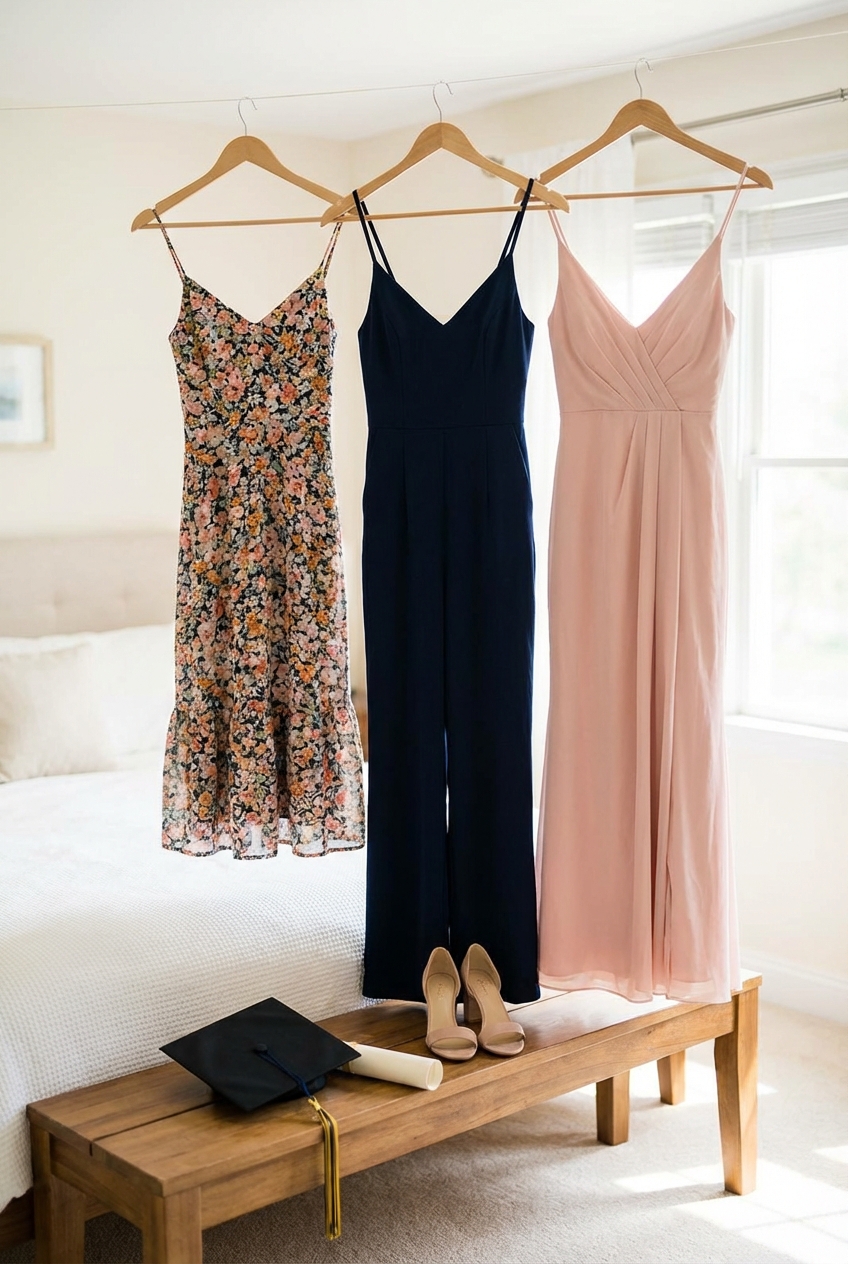
The Best Dresses For Graduation Ceremonies
Introduction
Graduation day is one of those rare life moments where high stakes emotion meets a very specific sartorial challenge. You want to look timeless in photos that will sit on your parents’ mantelpiece for decades, but you also have to navigate the logistical nightmare of a bulky, polyester academic gown. I remember styling my first high-profile client for her commencement; we focused entirely on the dress and forgot how the robe would interact with the neckline. It was a learning curve that changed how I approach event styling forever.
The goal is to find a piece that stands on its own at the celebratory lunch but plays a supporting role during the actual ceremony. You need breathable fabrics that won’t wilt under the midday sun, a silhouette that doesn’t bunch up when you sit for three hours, and a hemline that creates a clean visual line. It is a balancing act between personal style and ceremonial respect.
I have broken down the exact formula I use when consulting for graduation attire, from fabric weights to heel heights. For those who want to skip the reading and jump straight to visual inspiration, please scroll down to find our curated Picture Gallery at the end of the blog post.
1. Decoding the Venue and Climate
Before we even look at a silhouette, we must address the environment. In my experience, the biggest mistake graduates make is dressing for the season rather than the specific venue. A university stadium in June creates a microclimate that is significantly hotter than the surrounding area.
If your ceremony is outdoors on a football field or quad, you are dealing with direct sunlight and humidity. In this scenario, I always steer clients away from synthetic linings. A polyester dress under a polyester gown is a recipe for overheating. You need natural fibers that allow for airflow.
Indoor arenas offer climate control, but they often blast the air conditioning. If you are prone to getting cold, a sleeveless dress might leave you shivering once the adrenaline wears off. For indoor events, I recommend a dress with a structured sleeve or bringing a high-quality pashmina that can be tucked away easily.
Designer’s Note: The “Sweat Test”
One lesson I learned the hard way involved a grey silk dress. It looked stunning in the fitting room, but after twenty minutes in the heat, perspiration marks were visible. If you anticipate heat, avoid light greys or solid jewel tones in satin finishes. Prints and textured fabrics are much more forgiving.
2. The Architecture of the Neckline
The interaction between your dress neckline and the graduation gown is critical. Most academic robes feature a deep V-neck that reveals the upper chest. If you wear a high-neck dress or a collared shirt dress, it often creates a cluttered visual effect that looks messy in close-up photos.
I almost always recommend a scoop neck, square neck, or a modest V-neck for graduation. These shapes tend to mirror the opening of the gown, creating a harmonious layered look. A sweetheart neckline can also work beautifully, provided it sits high enough to be visible.
Strapless dresses are a risky choice for the ceremony. Because the gown is heavy, it can pull and shift as you move. A dress with straps or sleeves provides an anchor, ensuring you aren’t adjusting your bodice while walking across the stage.
Common Mistakes + Fixes
- Mistake: Wearing a halter neck with a bulky gown collar.
- Fix: Choose a neckline that lies flat against the clavicle to avoid bulk at the nape of the neck.
- Mistake: Collared dresses that fight with the hood.
- Fix: If you love the preppy look, ensure the collar is crisp and small, or opt for a dress with a faux-collar detail that doesn’t add height.
3. Selecting the Right Fabric and Structure
When selecting a dress for a long ceremony, the “wrinkle factor” is your enemy. You will likely be sitting on a folding chair or a stadium bleacher for two to four hours before you stand up to walk. Linen, while breathable, will look like an accordion by the time you reach the podium.
My go-to fabrics for graduation are high-twist crepe, structural cotton blends, and textured jacquards. These materials have enough weight to hang correctly but possess a natural resistance to creasing. A mid-weight crepe is particularly excellent because it offers a matte finish that photographs beautifully with flash.
Avoid thin jersey materials. While comfortable, they often lack the structure needed for a formal event and can cling due to static electricity generated by the gown. You want a fabric that skims the body rather than hugs it tightly.
What I’d do in a real project:
- I would conduct a “scrunch test” in the store. Squeeze the fabric in your fist for ten seconds. If the wrinkles stay, put it back.
- I would prioritize a dress with a lining. A lining acts as a buffer between your body and the outer fabric, smoothing out lines and preventing sweat transfer.
4. Length Logic: Midi vs. Mini vs. Maxi
The hemline is the most debated topic in graduation styling. From a professional standpoint, the midi dress is the gold standard for this occasion. A midi length usually hits mid-calf, which looks elegant underneath the robe without dragging on the floor.
If you prefer a shorter dress, the rule of thumb is that the dress should not be shorter than the fingertips when arms are at your sides. Visually, a dress that is significantly shorter than the gown can make it look like you are wearing nothing underneath when the gown is zipped. Aim for a hem that hits just above the knee for a youthful yet polished look.
Maxi dresses can be problematic. Academic gowns typically hit mid-calf or ankle. If your dress is longer than your gown, it creates a strange tiered effect that breaks the visual line. Furthermore, maxi dresses are a tripping hazard when navigating stairs to the stage.
Designer’s Note: The Staircase Factor
When I fit a client, I make them walk up and down a flight of stairs in the dress and heels. If they have to lift the skirt to move safely, the dress is too long or too full for graduation. You will have a diploma in one hand and a handshake to offer with the other; your hands will not be free to manage your skirt.
5. Color Theory and Photography
White is the traditional choice for graduation dresses in the United States. It reflects light, looks fresh in summer, and stands out against the dark tones of most academic robes. However, “white” is a spectrum. If you have cool undertones, opt for a true, stark white. If you have warm undertones, an ivory or cream will make your skin glow rather than look sallow.
If you want to wear color, consider the color of your robe. You want a color that complements the school colors, not one that clashes. For example, if your gown is purple, a yellow dress might look too “Easter egg.” A soft lilac or a deep navy would be more sophisticated.
Avoid black if your gown is black. While black is chic, wearing a black dress under a black gown can make you look like a floating head in photos. If you must wear dark colors, choose a deep navy or forest green to add subtle dimension.
Expert Tip: The Flash Test
Take a photo of the dress with the flash on before buying. Some fabrics become sheer under intense light. You want to ensure your undergarments remain invisible even under the bright lights of the stage.
6. Footwear Strategy: Function Meets Fashion
Shoes are arguably as important as the dress. You will be standing for long periods and walking across surfaces that might include grass, turf, or slick gymnasium floors. Stilettos are a definitive “no” for outdoor ceremonies; they will sink into the grass, ruining your heels and your gait.
A block heel or a wedge is the professional recommendation. They provide the height you want for posture but distribute weight evenly, preventing the sinking effect. A nude shoe is a classic choice as it elongates the leg, which is helpful if your gown cuts you off at the calf.
Keep the heel height manageable. If you aren’t used to wearing heels, graduation day is not the time to debut a 4-inch pair. Stick to a 2.5 to 3-inch heel. This height gives you a beautiful lift but maintains stability.
Common Mistakes + Fixes
- Mistake: Brand new shoes that haven’t been broken in.
- Fix: Wear your graduation shoes around the house for at least three hours total in the week leading up to the event. Scuff the bottoms with sandpaper if they feel slippery.
- Mistake: Ankle straps that cut the leg line.
- Fix: If you are petite, choose a mule or a pump without an ankle strap to create an unbroken line from toe to hem.
Finish & Styling Checklist
Once you have the dress, the final polish comes down to preparation. Here is the checklist I use for my clients on the morning of the ceremony:
- Steam everything: Steam your dress and, more importantly, steam the gown. Fold lines on a polyester gown look incredibly sloppy in photos.
- The pocket problem: Most dresses don’t have pockets, and you likely won’t carry a purse. Wear bike shorts with a side pocket underneath your dress to hold your phone and car key, or find a dress with integrated pockets.
- Safety pins: Bring three safety pins. Use them to secure the academic hood to your dress shoulders so it doesn’t slide backward and choke you.
- Bobby pins: The graduation cap (mortarboard) is notoriously difficult to keep on. secure it with bobby pins that match your hair color, or sew a headband into the cap for stability.
- Blister block: Apply anti-friction stick to your heels and toes before putting on your shoes.
FAQs
Can I wear a jumpsuit instead of a dress?
Absolutely. A tailored jumpsuit is a chic, modern alternative to a dress. Focus on a wide-leg silhouette in a structured crepe fabric. Ensure the bodice is fitted so it doesn’t bunch up under the gown. A jumpsuit often solves the “pocket” issue as well.
What jewelry should I wear?
Keep it simple near the face. Large statement earrings can get tangled in the tassels of your cap. I recommend classic studs or small huggies. A delicate pendant necklace works well, but avoid long chains that might interfere with the neckline of the gown.
How do I stop my dress from riding up?
Static cling is usually the culprit here. Spray the inside of your gown and the outside of your dress with an anti-static spray. In a pinch, running a dryer sheet over your tights or legs can also neutralize the charge.
Conclusion
Graduation marks a significant transition in your life, and your attire should reflect the pride and joy of the occasion. By prioritizing fabric quality, understanding the venue constraints, and choosing a silhouette that complements the academic regalia, you ensure that you are comfortable and confident.
The best dress is one that you don’t have to think about once you put it on. It allows you to focus on the speeches, the camaraderie, and the moment your name is called. Choose something that feels like the best version of yourself.
Picture Gallery


