Best Fabrics for a Capsule Wardrobe That Lasts
- Words by
- Julio Arco
- Published
- Reading
- 5 min
The best fabrics for a capsule wardrobe are cotton, wool, linen, denim and leather as the workhorses, with silk and Tencel for softer pieces. They keep their shape through repeated washing and wearing, and each one works across several outfits.
A small wardrobe wears out faster than a big one, because every piece is worn more often. So fabric matters more than the cut or the trend. Below is what each material does well, what to watch for, and how to read a label before you buy.
Why fabric matters more in a small wardrobe
When you own fewer clothes, each item goes through more wash cycles. A fabric that pills, stretches out or fades will show it within a season. A good one gets softer or simply stays put.
Longer wear also keeps clothes out of the waste stream. The EPA reports that the recycling rate for all textiles was 14.7 percent in 2018, so most discarded clothing is not recovered. Buying pieces that last is the simplest way to stay out of that number.
Which fabrics last longest?
Cotton
Cotton is breathable, easy to wash and available in every weight, from thin poplin to heavy twill. That makes it the most flexible base for tees, button-down shirts and simple dresses. Look for a tight weave and a fabric that feels dense rather than papery.
Wool
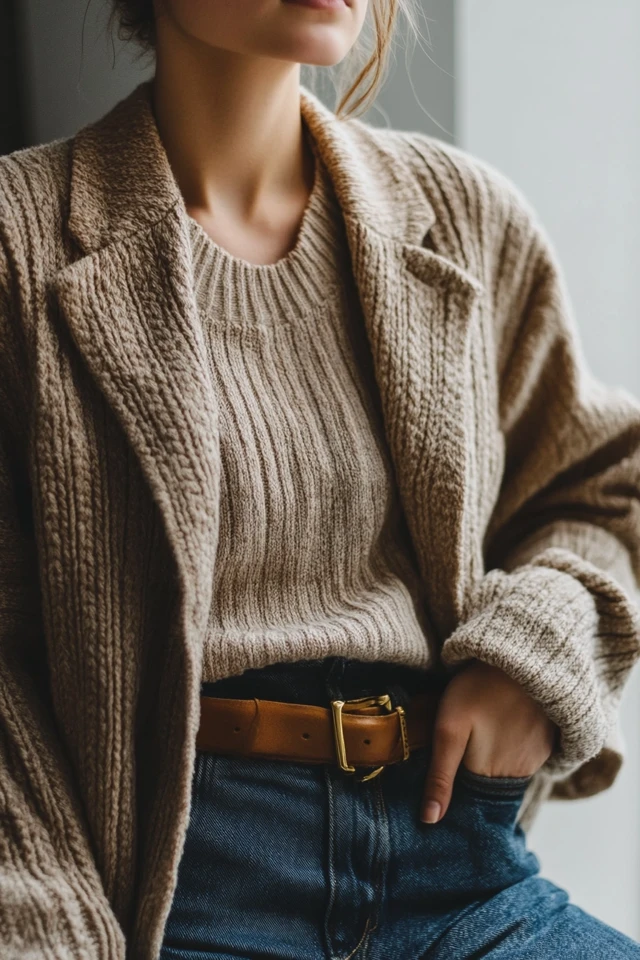
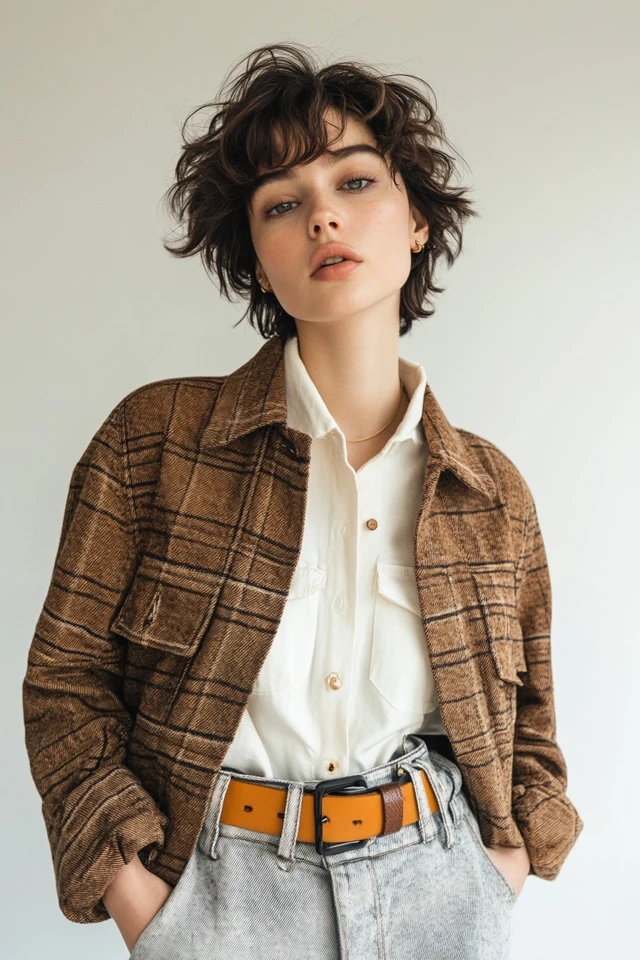
Wool insulates without feeling stuffy, and it tends to shed odors, so you can air it out between wears instead of washing it every time. Fine merino suits sweaters and base layers. A heavier weave suits coats and tailored trousers. If the fabric feels scratchy at the neck, try a finer, softer yarn before you give up on wool entirely.
You can find more sweater ideas in the best sweaters for a cozy capsule wardrobe.
Linen
Linen is airy and dries quickly, which is why it suits hot weather. It wrinkles, and that is part of how it looks. A slightly rumpled linen shirt reads relaxed, while a pressed one reads sharper. You choose the mood.
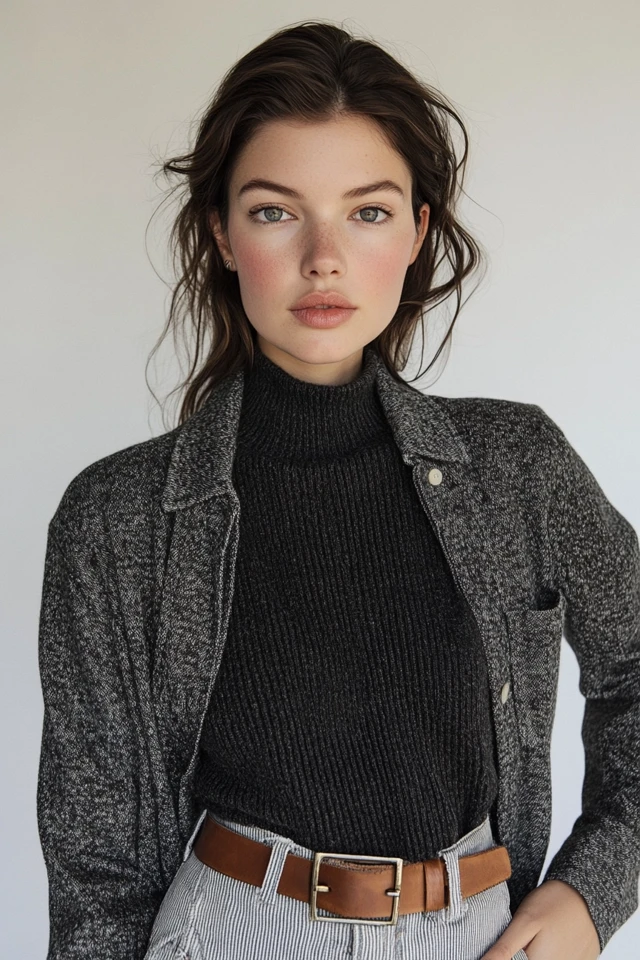
It also softens with washing, so an older linen piece often feels better than a new one. Wide-leg trousers, shirts and summer dresses are the pieces that make the most of it.
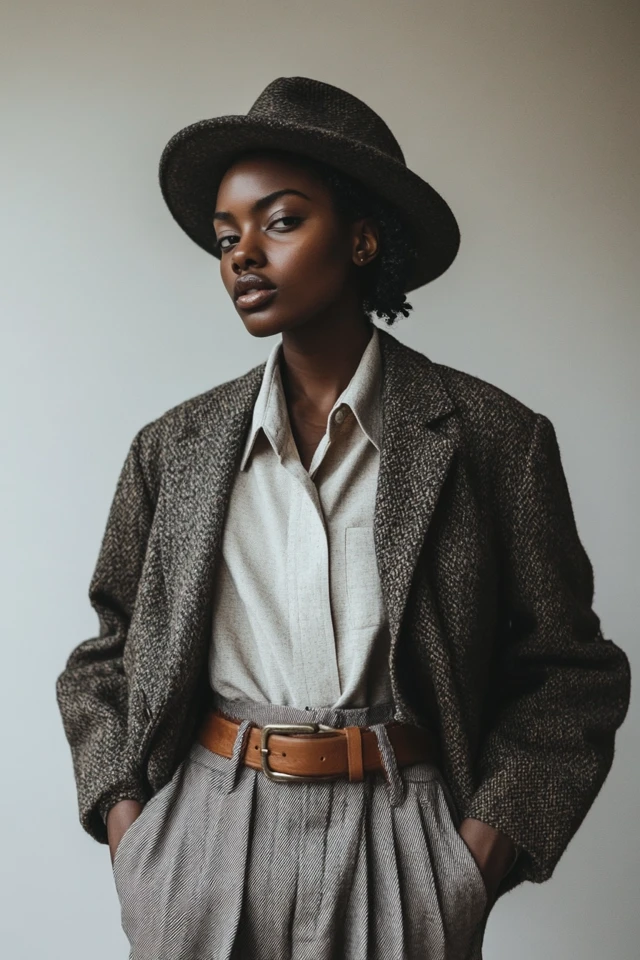
Through the lens of evidence-based design, I'd pay attention to the surface first. Linen's visible slub catches light unevenly, so a neutral shade looks livelier than the same shade in a smooth fabric.
Denim
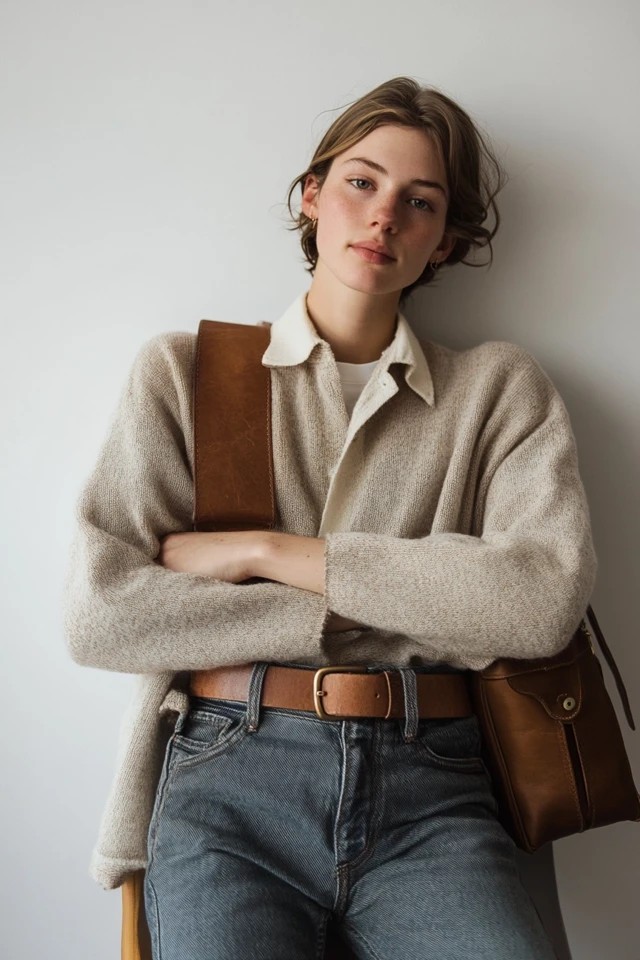
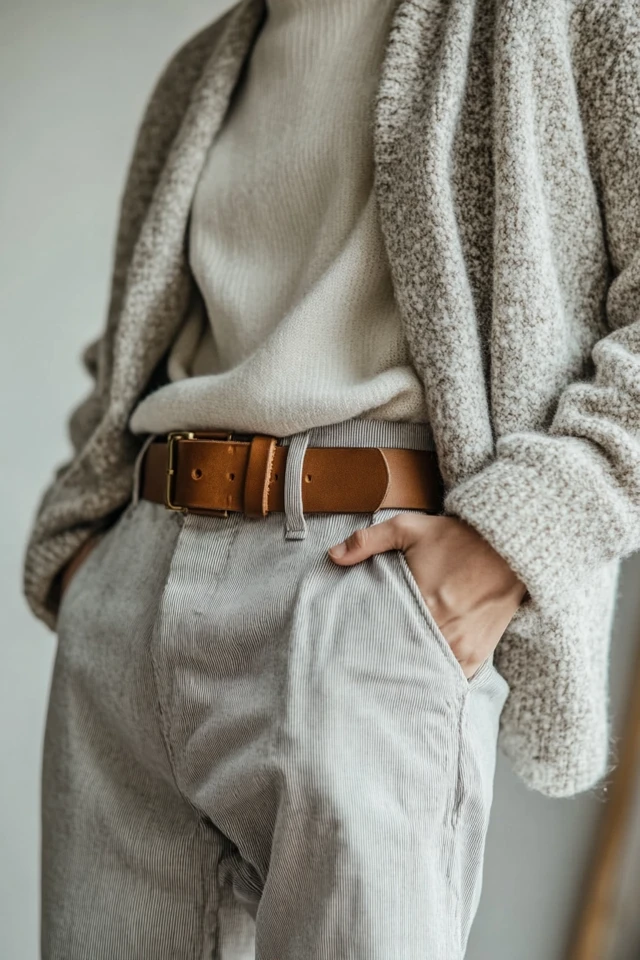
Denim is a dense twill that takes heavy wear. Dark, even washes look the most polished and move easily from casual to smart-casual. Check the seams and the pocket stitching, since those fail before the fabric does. A little stretch adds comfort, but too much loses shape at the knees.
Silk and Tencel
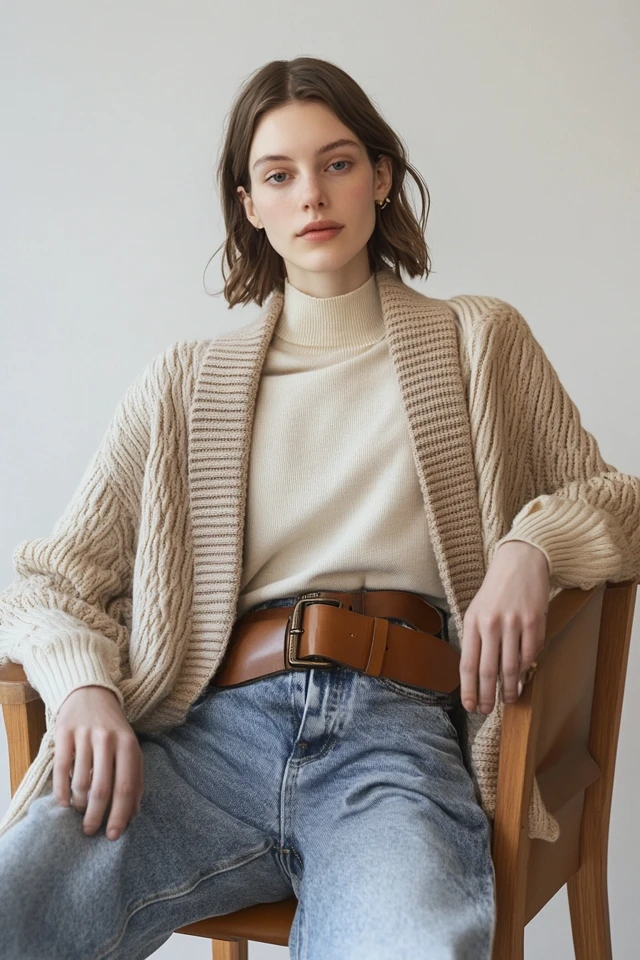
Silk drapes well and feels smooth against the skin, which makes it good for a blouse or slip skirt. It needs gentler care, so follow the label and wash by hand or on a delicate cycle if it allows.
Tencel (lyocell) is made from wood pulp and feels similar, with a soft, fluid drape and easier care. It is a useful stand-in when you want that drape on a smaller budget. Blends with a little cotton add some strength.
Leather and faux leather
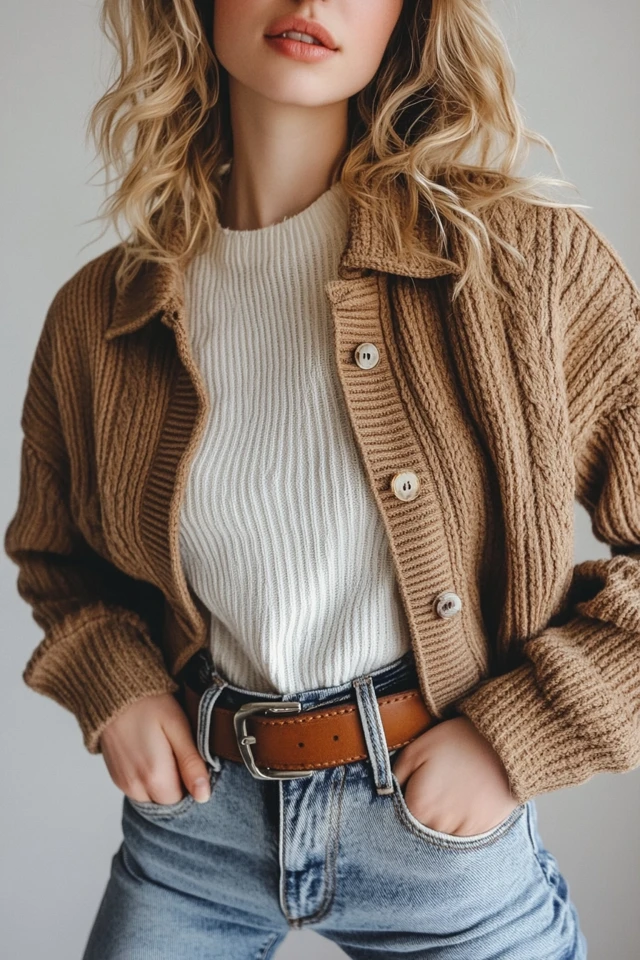
Real leather ages, usually developing a softer look with wear, and a good jacket or belt can last for years. Faux leather costs less and needs no animal materials, but quality varies a lot. Bend it and look at the edges: if the coating cracks or flakes easily, skip it.
Which fabrics work for shoes?
Shoes follow the same logic. For a shoe capsule wardrobe, leather and suede cover most of the year, and canvas covers casual pairs. Leather loafers, ankle boots and clean sneakers are among the best shoes for a capsule wardrobe because they take repeat wear and can be resoled or cleaned.
For capsule wardrobe summer shoes, look at breathable materials such as woven leather, canvas or cork-soled sandals. Fit counts as much as material. Harvard Health advises leaving at least a quarter- to a half inch of space between your longest toe and the end of the shoe. If you want comfort-first picks, see the most comfortable shoes for a capsule wardrobe.
Care extends the life of any pair. Melanie Mannarino of Almost Zero Waste suggests: "Take good care of your shoes. Hand-wash sneakers, store shoes in cubbies or boxes and give them a break by alternating wear."
How to read a label before you buy
- Check the fiber content first. A mostly natural fiber with a small amount of elastane or polyester is usually a good compromise between breathability and shape retention.
- Hold the fabric up to the light. Thin, see-through spots mean it will wear through early.
- Pull gently on a seam. If you see gaps, the stitching is weak.
- Read the care instructions and ask whether you will actually follow them. A dry-clean-only piece you never take to the cleaner is not a good fit.
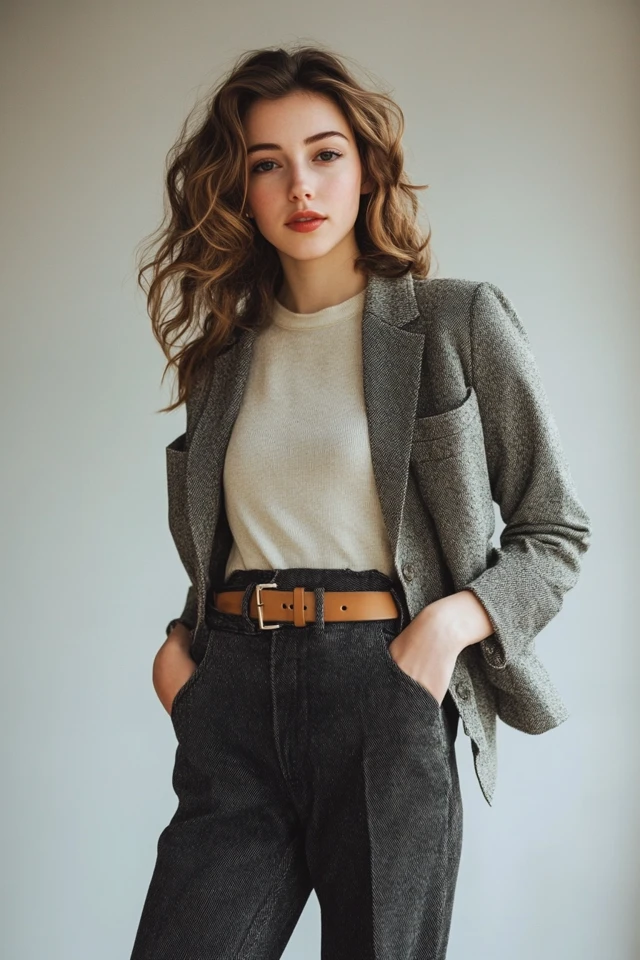
Spend more on what you wear weekly, such as jeans, a coat and shoes, and less on occasional pieces. For more on that approach, read investing in quality over quantity, and for a wider climate range see the best fabrics for an all-weather capsule wardrobe.
As an architect trained in evidence-based design, I'd also choose fabrics by how they feel when you move, because a material that irritates or clings tends to stay in the closet no matter how well it is made.
Frequently asked questions
How do I tell if a fabric is good quality?
Look at the weave and weight. A tight, even weave that feels substantial and recovers when you crumple it is a good sign, and visible thin patches are a warning.
Are synthetic fabrics bad for a capsule wardrobe?
No. A small share of polyester, nylon or elastane can add wrinkle resistance and shape retention. Just keep the main fiber natural for pieces worn against the skin.
What is the best fabric for a travel capsule?
Jersey, Tencel and wool blends travel well because they resist creasing and pack small. Our guide to a vacation capsule has more packing ideas.
How do I care for delicate fabrics like silk and wool?
Follow the care label. Many pieces can be hand-washed or run on a gentle cycle, then dried flat or on a rack to keep their shape.
Filed under Capsule Wardrobe