
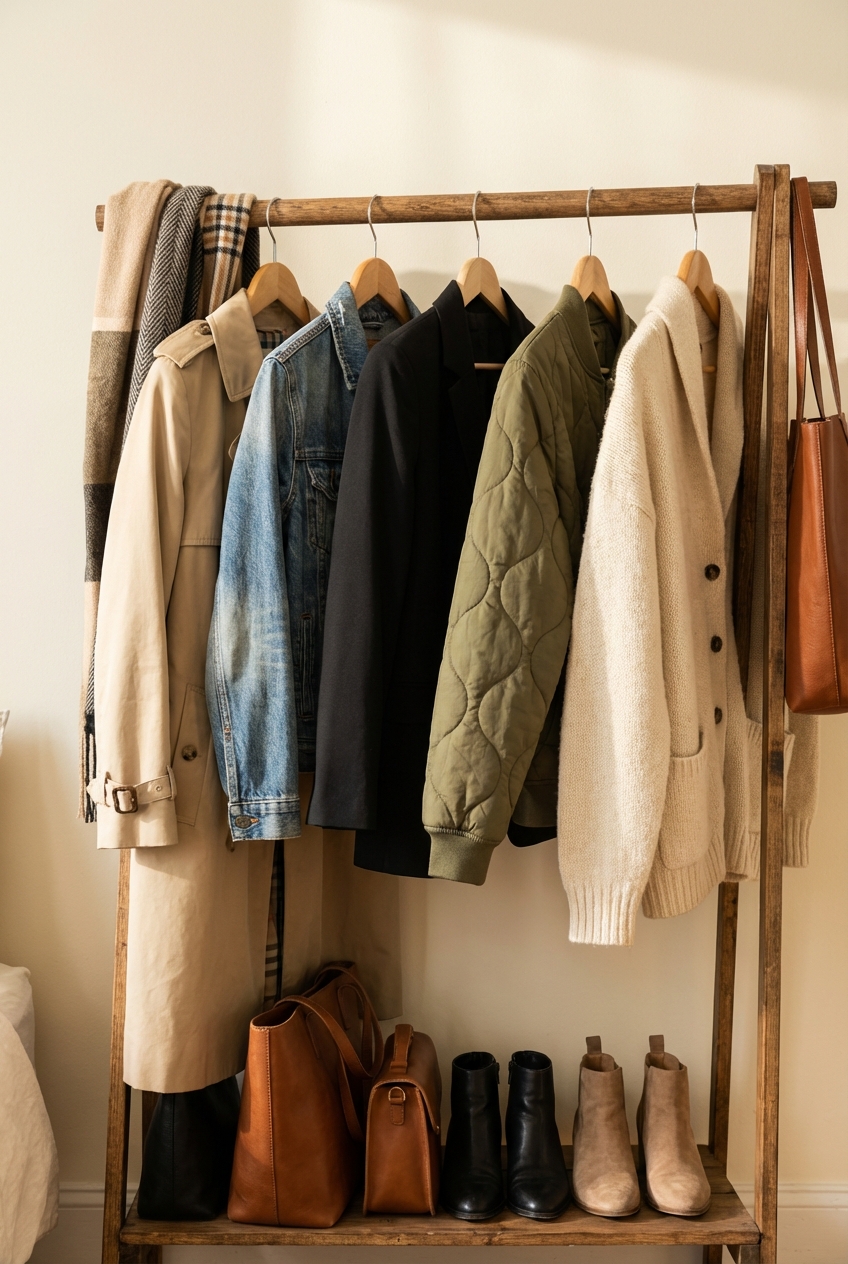
The Best Jackets For A Year Round Capsule Wardrobe
Building a capsule wardrobe is often misunderstood as simply owning fewer clothes, but as a stylist, I view it differently. It is about owning the right clothes that offer maximum versatility and longevity without sacrificing style. Nowhere is this more important than in your outerwear selection, which serves as the finishing layer to every outfit you create.
I remember a specific client consultation where we audited a closet full of beautiful, trendy tops and trousers, yet she felt she had “nothing to wear.” The missing link was a cohesive collection of “third pieces”—jackets that pull a look together, provide structure, and transition an outfit from day to night or season to season. Without the right outerwear, even the most expensive outfit can look unfinished or seasonally inappropriate.
In this guide, I will break down the essential jackets required for a functional, high-end capsule wardrobe. We will look at fabric composition, fit points, and styling versatility to ensure you invest in pieces that last for decades, not just seasons. If you are looking for visual inspiration on how to style these pieces, you can find our curated Picture Gallery at the end of the blog post.
1. The Classic Trench Coat
The trench coat is the undisputed anchor of a transitional wardrobe. It is the bridge between the heavy wools of winter and the light linens of summer. When selecting a trench for a capsule collection, I always steer clients toward a classic beige, camel, or stone color palette. These shades reflect light and pair effortlessly with both all-black ensembles and vibrant spring prints.
Fabric and Weight
In luxury fashion, the gold standard for trench coats is cotton gabardine. This tightly woven fabric was invented to be water-resistant and breathable, making it ideal for unpredictable weather. Avoid 100% polyester versions that trap heat and lack the crisp drape of cotton. A proper weight allows the coat to swing when you walk but stays structured when belted.
Designer’s Note: The Length Rule
A common error I see is choosing a trench that is too short. For maximum versatility, the hem should hit anywhere from just below the knee to mid-calf. A trench that stops at the mid-thigh cuts the visual line of the leg and often looks dated. A longer length provides better rain protection and looks infinitely more elegant over midi dresses.
Fit Details to Watch
Pay close attention to the shoulders. The seam should sit perfectly at the edge of your shoulder bone. If you plan to layer chunky knitwear underneath, you may need to size up, but ensure the silhouette doesn’t overwhelm your frame. The belt should sit at your natural waist, not your hips, to create an hourglass shape.
2. The Tailored Wool Blazer
No item works harder in a wardrobe than a well-tailored wool blazer. It is the ultimate power piece, instantly elevating jeans and a t-shirt or complementing a silk slip dress. For a year-round capsule, I recommend a mid-weight wool or wool-blend fabric that breathes well in warmer months but provides insulation when the temperature drops.
Choosing the Right Silhouette
Currently, we see a divide between the “oversized boyfriend” fit and the nipped-in “hourglass” fit. For a capsule that needs to last ten years, I recommend a slightly relaxed, straight cut. It should be roomy enough to wear over a cashmere sweater but structured enough to wear under a heavier winter coat.
Common Mistakes + Fixes
- Mistake: Buying a blazer with synthetic lining.
- Fix: Check the care label. Look for linings made of Cupro, Viscose, or Silk. Polyester linings do not breathe and will make you sweat, ruining the longevity of the garment.
- Mistake: Sleeves that cover the hands.
- Fix: Tailoring is non-negotiable here. Sleeves should hit at the wrist bone, allowing a quarter-inch of your shirt cuff or jewelry to peek through.
Color and Pattern
While black is standard, a navy or charcoal grey blazer often reads softer and more luxurious in daylight. If you prefer patterns, a subtle Prince of Wales check or a herringbone weave adds texture without clashing with other prints in your wardrobe.
3. The Leather Moto Jacket
The leather moto jacket adds necessary edge and texture to a capsule wardrobe. It prevents a closet of basics from feeling too safe or boring. Whether you choose real leather or a high-quality vegan alternative, the key is the grain and the hardware. This piece is meant to look lived-in and becomes a second skin over time.
Leather Quality and Grain
If you are investing in genuine leather, look for full-grain or top-grain leather. Lambskin is incredibly soft and requires little breaking in, making it perfect for a fashion-forward drape. Cowhide is heavier and more durable, offering a stiffer, more protective structure. Avoid “bonded” leather, which is made of scraps glued together and will peel over time.
Hardware Harmony
The metal hardware (zippers, snaps, buckles) dictates the versatility of the jacket. Silver hardware is traditional and leans more casual or “rock and roll.” Gold hardware feels dressier and warmer. I advise clients to match the jacket hardware to the jewelry metal they wear most frequently. This creates a seamless, intentional look.
What I’d Do in a Real Wardrobe
When fitting a client for a leather jacket, I make them zip it all the way up. It should feel snug—almost tight. High-quality leather stretches and molds to the body. If it is roomy in the store, it will be shapeless within a year. Buy it snug and let it evolve with you.
4. The Denim Jacket
A denim jacket is the ultimate casual neutral. It grounds feminine floral dresses and breaks up monochrome tailored looks. However, not all denim jackets are created equal. The wash and the rigidity of the denim determine whether the jacket looks polished or sloppy.
The Perfect Wash
For a year-round capsule, a medium-to-dark vintage wash is the most flexible. Extremely light acid washes can feel too summer-specific, while raw, dark indigo can sometimes transfer dye onto lighter fabrics. A classic medium blue with subtle fading looks intentionally styled and pairs well with black, white, and khaki trousers.
Rigidity vs. Stretch
In the world of high-end denim, rigid cotton (100% cotton) is king. It holds its shape, creates better “honeycombs” (creases) in the arms, and lasts forever. Jackets with high elastane (stretch) content tend to bag out at the elbows and don’t provide that architectural contrast we want when layering over soft fabrics like jersey or silk.
Pro Styling Tip: The Collar Pop
This seems minor, but it changes the silhouette. A denim jacket collar should generally be popped or half-popped to frame the face. This draws the eye up and adds a bit of attitude to the look. If the denim is too soft, the collar will lay flat and look lifeless.
5. The Utility Field Jacket
Also known as the army jacket or anorak, the utility jacket is the workhorse of a casual wardrobe. It typically comes in olive drab, sage, or khaki. This piece adds a masculine, utilitarian element that balances out lace, ruffles, or fitted skirts. It is also excellent for travel due to the multitude of pockets.
Fabrication and Function
Cotton canvas or heavy twill are the materials of choice here. They are durable, easy to spot-clean, and resist snagging. Many luxury versions now include a wax coating, similar to heritage British hunting jackets, which adds a layer of water resistance.
Defining the Waist
The danger with utility jackets is that they can look boxy and shapeless.
Designer’s Note: Look for styles with an internal drawstring at the waist. This allows you to cinch the jacket to define your silhouette even when wearing layers underneath. If your jacket lacks this, consider adding a leather belt over the top to create shape.
Transitional Layering
The field jacket is perfect for those “in-between” temperatures—50 to 60 degrees Fahrenheit. It is heavier than a denim jacket but lighter than a wool coat. It is also the ideal length (usually hitting the hip) to cover longer tunics or untucked shirts that might peek out from under a cropped moto jacket.
6. The Investment Wool Coat
When winter hits, your coat is your outfit. People will see your coat more than they see what is underneath it. Therefore, the long wool coat is arguably the most important investment in your capsule. Whether it is a camel coat, a black cocoon coat, or a navy wrap coat, the fabric composition is the priority.
Understanding Fiber Content
Always read the label. You are looking for at least 70-80% wool or cashmere.
- Cashmere: Softer, warmer, and lighter than wool, but more delicate and expensive.
- Melton Wool: Thick, dense, and felt-like. Extremely wind-resistant and durable.
- Nylon/Polyamide blends: A small percentage (up to 20%) can actually add strength to the wool, preventing pilling. However, avoid coats that are majority synthetic, as they will not keep you warm in freezing temperatures.
Silhouette and Sizing
For a capsule wardrobe, a single-breasted or wrap style is more versatile than a double-breasted coat, which can add bulk to the midsection. The coat should be long enough to cover your longest dress or skirt. Nothing ruins a look faster than a skirt hem dragging three inches below a coat hem.
Real-World Application: The Sit Test
When trying on a winter coat, sit down in a chair. Does the fabric pull tightly across the hips? Do the buttons look like they are about to pop? Winter coats endure stress when we drive or sit on public transit. Ensure you have enough ease in the hip area to sit comfortably without straining the fabric or seams.
Finish & Styling Checklist
Once you have secured these six core jackets, the magic lies in how you care for and style them. A capsule wardrobe relies on the condition of the clothes. If your limited items look worn or dirty, the entire effect is lost.
Maintenance Checklist
- Depilling: Buy a fabric shaver or a cashmere comb. Use it on your wool blazer and winter coat once a month to remove fuzz balls.
- Waterproofing: Spray your trench coat and utility jacket with a fabric protector once a season to maintain water resistance.
- Leather Care: Condition your moto jacket annually to prevent cracking, but avoid over-conditioning which can make the leather soggy.
- Storage: Never hang heavy wool coats on thin wire hangers. Use wide, structured wooden hangers to preserve the shoulder shape.
The “High-Low” Styling Formula
To maximize these jackets, constantly mix formality levels.
- Blazer + Hoodie: Wear your tailored blazer over a fine-gauge hoodie for a chic travel look.
- Trench + Sneakers: Pair the elegant trench with vintage denim and dad sneakers.
- Moto + Silk: Throw the tough leather jacket over a delicate slip dress.
- Utility + Heels: Combine the rugged field jacket with a pencil skirt and stilettos.
FAQs
Q: How much should I budget for a good leather jacket?
A: For genuine leather that will last a lifetime, expect to spend between $400 and $900. While this is an investment, the cost per wear over a decade makes it pennies a day. If budget is a constraint, look for high-quality vintage pieces rather than buying cheap “pleather” that will peel in six months.
Q: Can I wear a denim jacket to the office?
A: In creative or casual offices, yes. To elevate it, choose a dark, uniform wash without distressing or holes. Pair it with black trousers and loafers rather than other denim pieces to keep the look professional.
Q: What if I live in a very hot climate?
A: You can still adapt this capsule. Swap the heavy wool coat for a lightweight linen duster. Choose a blazer in an unlined cotton-linen blend. The categories remain the same (tailored, casual, edge), but the fabric weights change.
Q: How do I handle sleeves that are too long on a trench coat with buckles?
A: A skilled tailor can shorten sleeves from the shoulder rather than the cuff. This preserves the original wrist details and buckles. It is a more expensive alteration, but worth it for a seamless look.
Conclusion
Building the outerwear section of your capsule wardrobe is an exercise in patience and precision. These six jackets—the trench, the blazer, the moto, the denim, the utility, and the wool coat—cover every possible social scenario and weather condition you will face. By focusing on natural fibers, tailoring that respects your anatomy, and classic silhouettes, you are building a closet that serves you, rather than one that drains you.
Remember, the goal of a high-end capsule is not deprivation; it is curation. When you reach into your closet and pull out a jacket that fits perfectly, feels luxurious, and completes your outfit effortlessly, you have achieved the ultimate luxury: peace of mind in your personal style.
Picture Gallery


