Straight Leg Jeans Outfits: What to Wear With Them
- Words by
- Julio Arco
- Published
- Reading
- 5 min
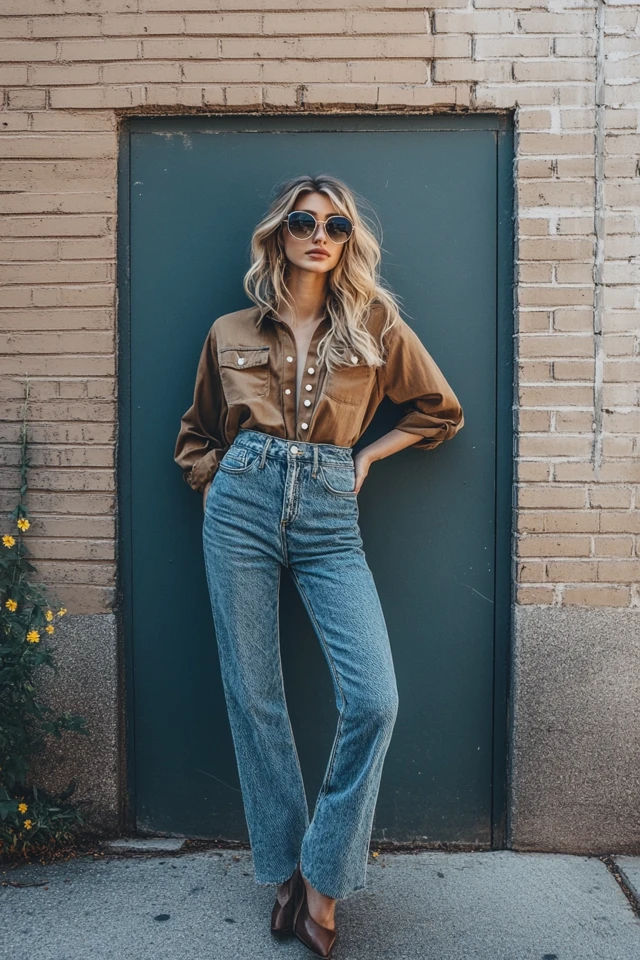
The simplest answer to what to wear with straight leg jeans: a top with some shape of its own, and a shoe that shows a little ankle or sits under the hem. A fitted knit, a crisp shirt or a tucked tee all work, because the leg is already a clean vertical line and needs little else.
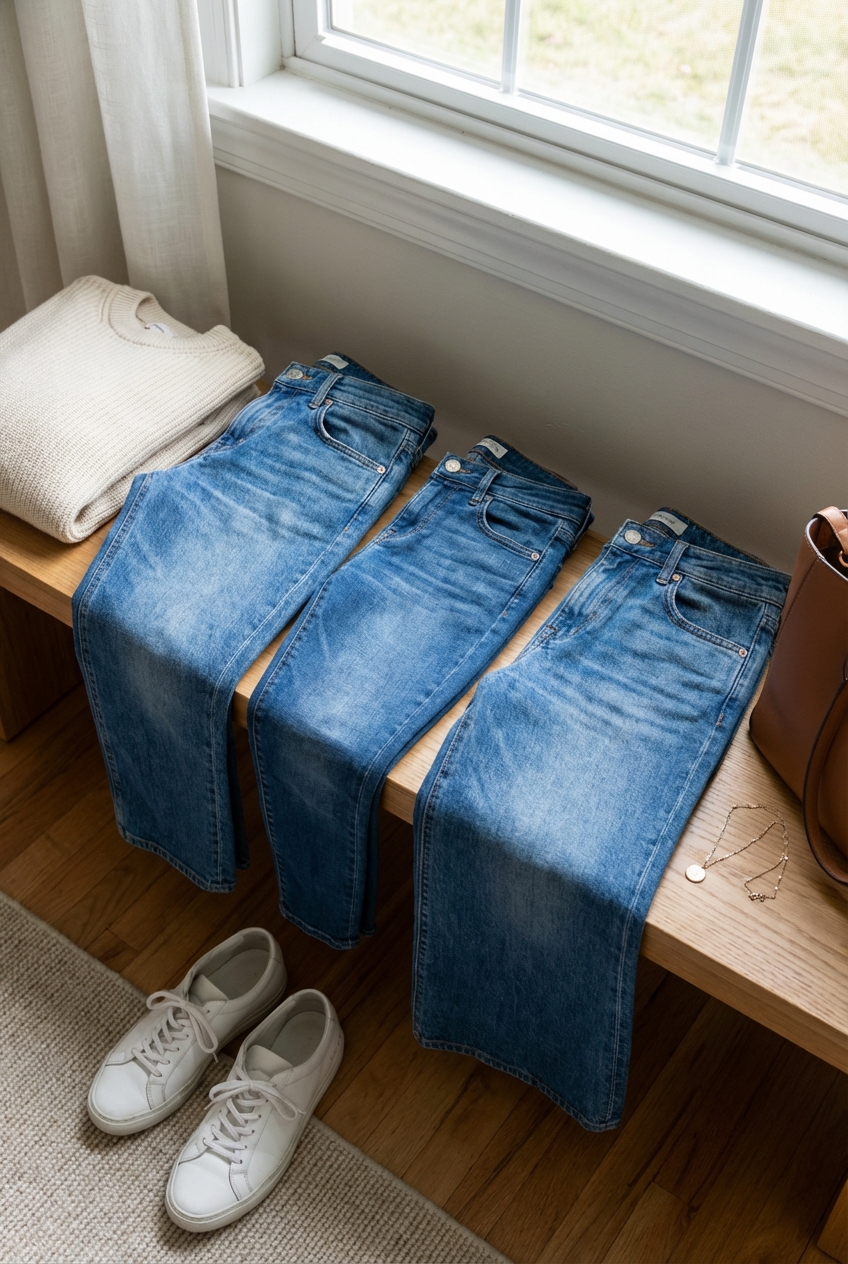
If you own only one pair of jeans in a capsule wardrobe, a high-rise straight leg in a medium-blue wash is a sensible pick. Below are the fit checks, then the tops, shoes and layers that make straight leg jeans outfits work through the year.
How should straight leg jeans fit?
The leg should fall from the hip to the hem without tapering at the knee. That straight column is what makes the cut look polished with a blazer and relaxed with a white tee.
Check three things before you buy:
- Rise: a high rise, roughly 11-12 inches, sits at the narrowest part of your torso and gives you a defined waist.
- Hem: it should land at or just above the ankle bone. Bunching on top of the shoe looks messy, and a hem that is too high shortens the leg.
- Wash: a clean mid-blue with little distressing goes from casual Friday to brunch. Heavy fading and rips date a pair faster.
If the waist gaps while the hips fit, that is a pattern issue, not a body issue. A tailor can usually take in the back waistband.
What tops go with straight leg jeans?
Because the leg is slim and even, you have room to play with the top. Balance is the only rule: if the top is voluminous, tuck or half-tuck it so the waist still shows.
Tops that work every time
- A plain white or cream tee, fully tucked.
- A fine-gauge knit or an oversized sweater with a French tuck (front only), which shows the waist button and softens the hips.
- A crisp button-down, tucked or worn open over a tee.
- A cropped top or short sweater that ends at the waistband, no tuck needed.
Through the lens of evidence-based design, I'd think about texture before color here. Denim is matte and slightly rough, so a silk camisole or smooth knit creates contrast that the eye reads as more polished than another cotton on cotton.
Which shoes to wear with straight leg jeans
The shoes to wear with straight leg jeans are the ones that suit your hem. Pick the shoe you wear most, then have the jeans hemmed to it so the leg hangs straight without collapsing.
- Loafers and ballet flats: show a bit of ankle and keep things neat.
- Slim ankle boots: slide under the hem without bulk.
- Pointed-toe heels: lengthen the line for dressier plans.
- Low-profile sneakers: the casual default.
How to style straight leg jeans with sneakers
Choose a slim, clean sneaker in white or a neutral and keep the hem at the ankle. Chunky soles can work, but then the hem should clear the shoe by a little more so the outline stays crisp. Add a tucked tee or a French-tucked sweater, and the outfit looks put together rather than gym-adjacent.
How to wear straight leg jeans with boots
With slim ankle boots, wear the jeans over the shaft or let the hem sit just above it. With taller boots, a straight leg can be tucked in if the denim is not too thick at the calf, or worn over them if the hem is long enough to cover the shaft. Block heels and a leather jacket give the combination an easy edge.
How to style straight leg jeans in winter
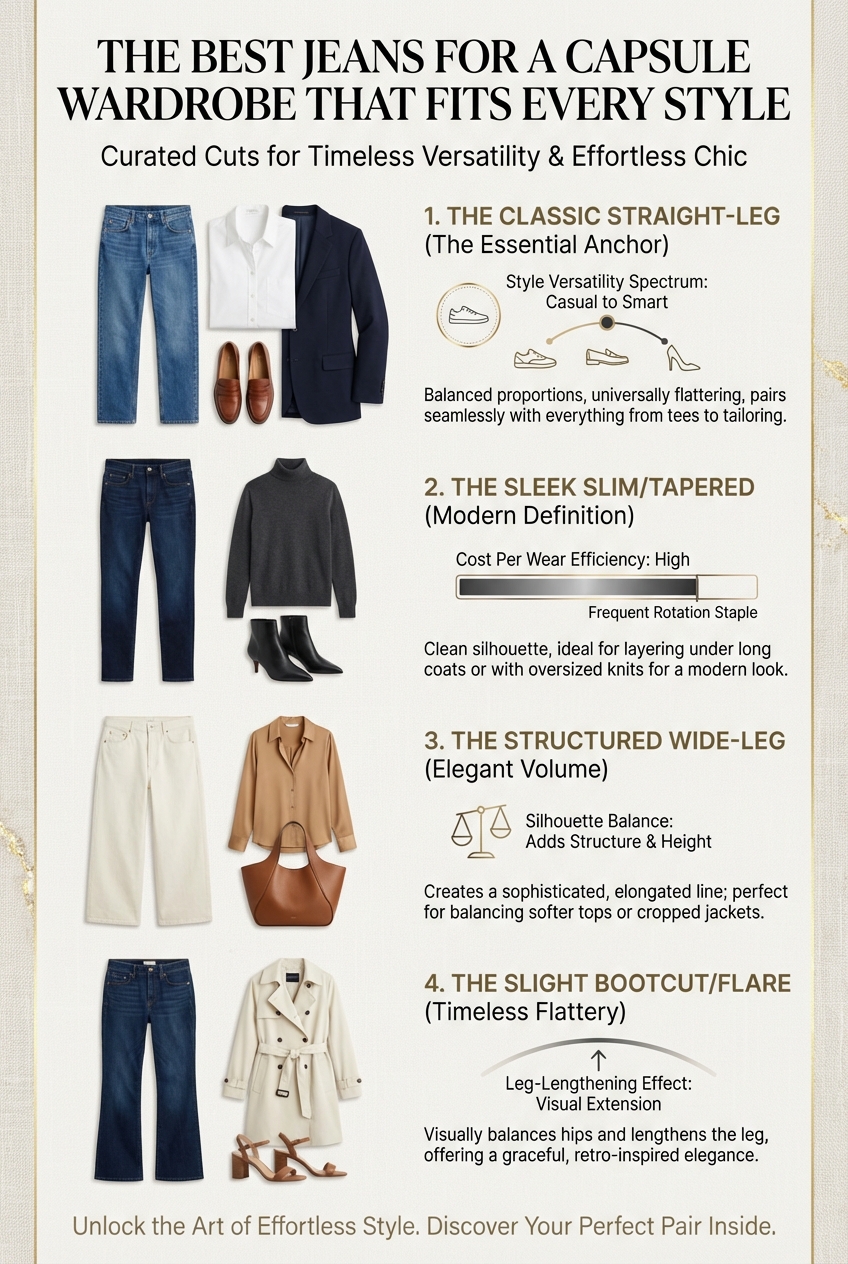
Winter is where straight leg jeans earn their keep, since the slim column fits under almost any coat. Pair a mid or dark wash with a camel coat, a navy overcoat or a leather jacket, and add a chunky knit on top.
A cream or ecru pair is worth considering too. Natural-toned denim looks soft next to grey cashmere and navy, and it lightens a dark-season outfit. Check the opacity in daylight and look for beige pocket linings, because white ones show through as pale rectangles.
For layering, keep the heaviest piece on top. A fitted base layer, a sweater, then a longer coat gives you warmth without widening your lower half. If you want more ideas, the seasonal capsule wardrobe guide covers the rest of the closet.
Straight leg jeans for spring and for the office
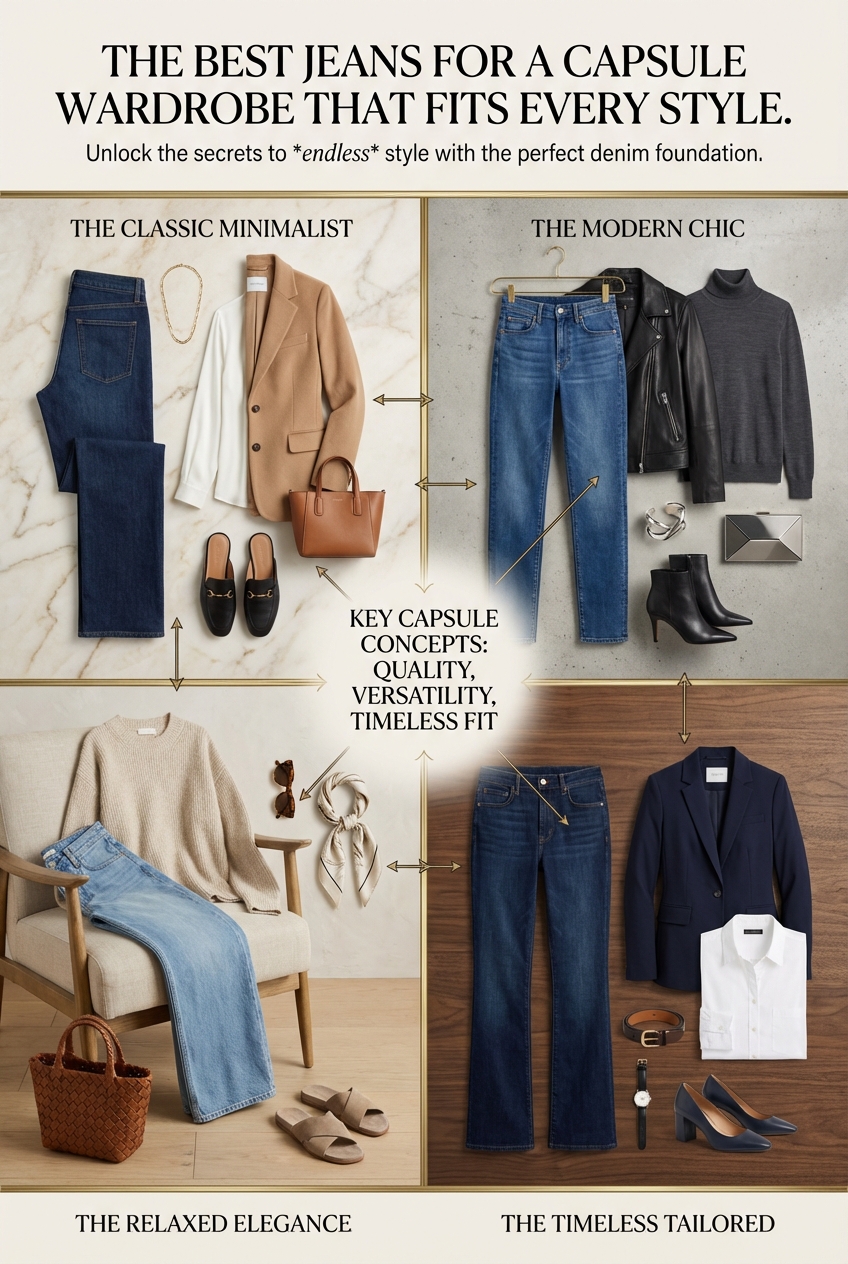
In spring, swap the heavy knit for a lighter shirt or tee and add a trench or a denim-weight jacket. Loafers or sneakers replace boots. Pale washes and cream tones feel fresh without looking summery.
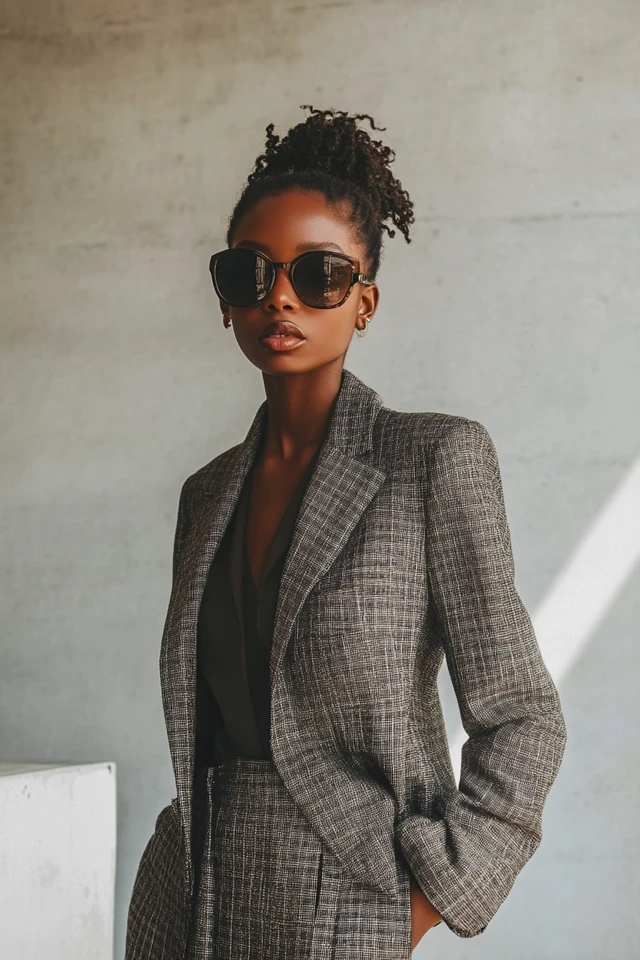
For a casual Friday, go with dark or mid-blue jeans without distressing, a tucked button-down or fine knit, a blazer and loafers. A belt finishes it: a 1-inch width reads dressier, and matching the buckle metal to the jean rivets looks deliberate. More ways to dress the same pair up are in these tips for dressing up jeans.
What about denim on denim?
Keep the two pieces clearly different: a light-wash jean with a darker jacket, or the reverse. Close but not matching shades tend to look like a mistake. A white or neutral top underneath breaks it up.
Straight leg or something else?
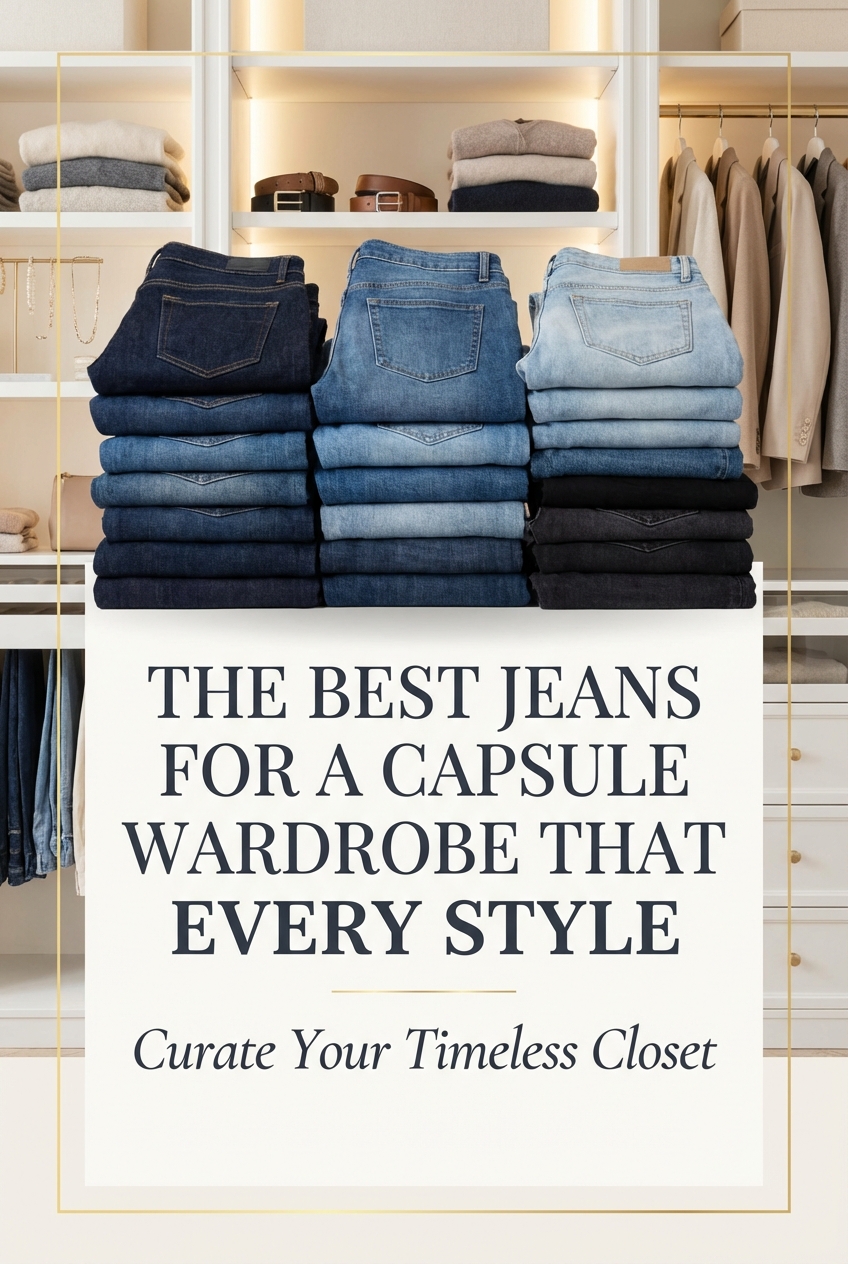
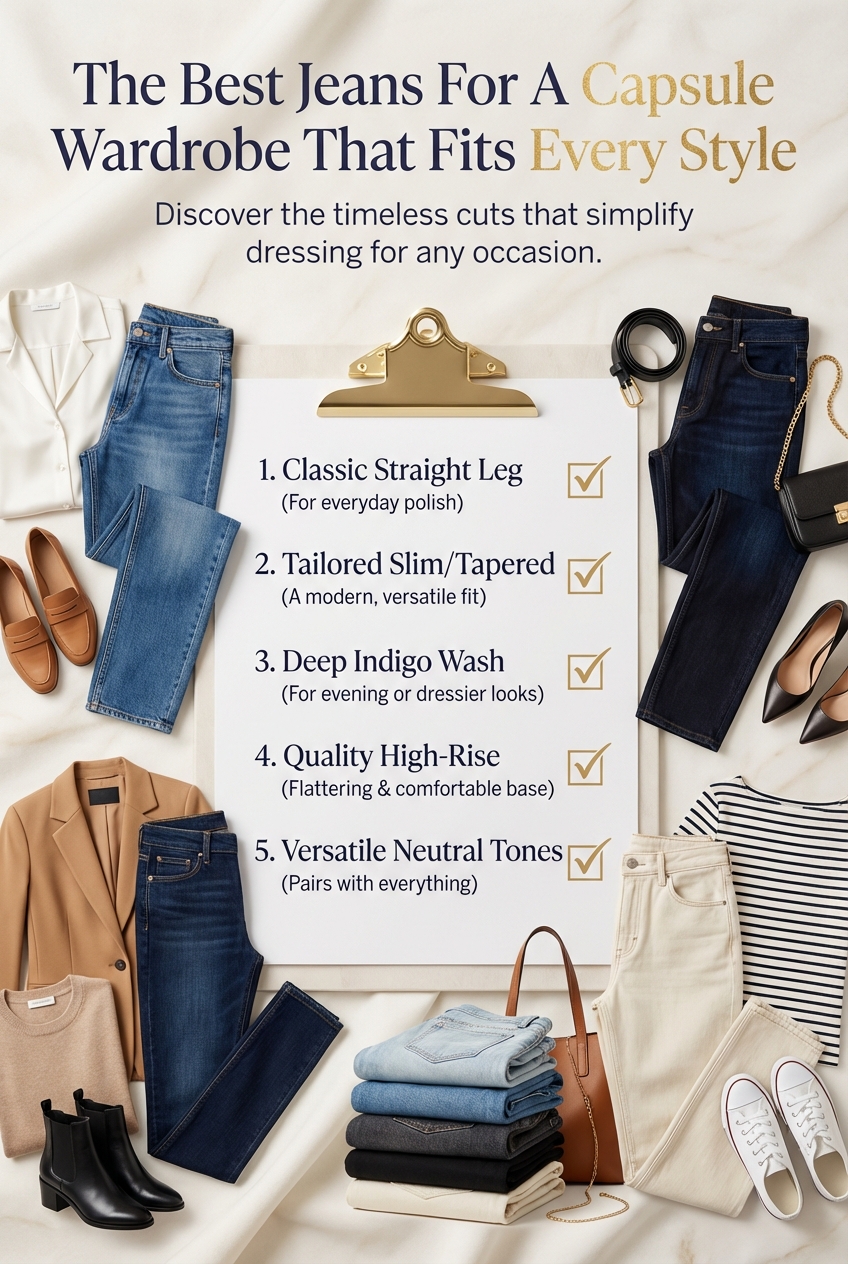
Straight leg is the most flexible cut, but a capsule can hold a second shape. A wide leg in a heavier, darker denim adds polish, and a micro-flare suits boots. If you are choosing for your proportions, the capsule guide for every body type helps, and this post on outfits for every mood shows how one pair changes with the top you choose.
Whatever you add, wash jeans as little as practical, inside out in cold water, and air dry them. It keeps the color and the fit longer.
Frequently asked questions
What type of top to wear with straight leg jeans?
Choose something with shape: a tucked tee, a fitted knit, a button-down or a cropped top. If the top is roomy, tuck it in part or all the way so your waist still shows.
What goes best with straight leg jeans?
Loafers, slim ankle boots or clean sneakers on the bottom, and a tucked tee, shirt or knit on top. A blazer or leather jacket completes the look.
What is the 3-3-3 rule in fashion?
It is a popular shorthand for building outfits from three tops, three bottoms and three pairs of shoes. It is a loose guide for a small wardrobe, not a fixed rule, and straight leg jeans can be one of the three bottoms.
Should straight leg jeans be tight or loose?
They should skim the hips and thighs and then fall straight, without tapering at the knee. A snug waist with an easy leg is the aim.
Filed under Capsule Wardrobe