
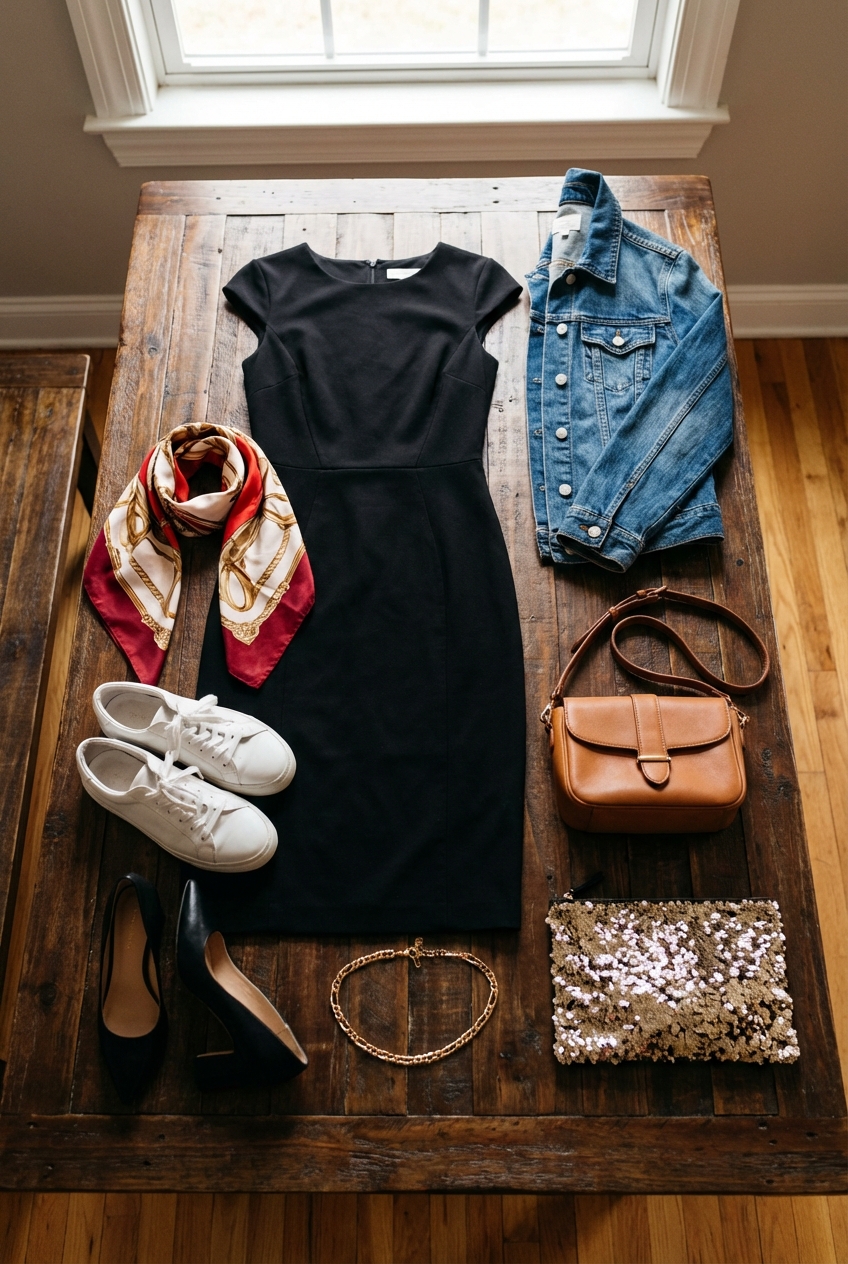
The Little Black Dress Versatile Styles And How To Wear Them
Every stylist remembers the first time they realized the true power of the Little Black Dress (LBD). For me, it was early in my career while assisting on a shoot that had gone terribly wrong; the wardrobe trunk was lost in transit, and we had exactly one black sheath dress and a suitcase full of accessories to style three different models for three distinct “looks.” By manipulating the hemline with pins, changing the jewelry from delicate gold to chunky resin, and swapping footwear, that single garment transformed from a boardroom power piece to a cocktail stunner and a casual weekend staple. It is the ultimate sartorial blank canvas.
The LBD is not just a safety net for when you “have nothing to wear”; it is a strategic tool in a curated wardrobe. Whether you are navigating a conservative corporate environment or heading to a gallery opening, the right black dress does the heavy lifting for you. However, versatility does not mean one-size-fits-all; the secret lies in selecting the correct silhouette, fabric weight, and architectural details that allow the dress to transcend seasons and occasions.
In this guide, I will break down how to select a dress that offers maximum return on investment and how to style it using professional techniques that go beyond basic accessorizing. If you are looking for visual inspiration on specific cuts and accessory pairings, be sure to check out the Picture Gallery at the end of the blog post.
1. The Architecture of Fit: Analyzing Proportions
The most common mistake I see clients make is prioritizing the size on the tag over the actual architecture of the dress. When investing in a staple piece like an LBD, the fit must be impeccable, or the versatility is lost. A dress that is ill-fitting cannot be easily layered or dressed up because the fabric pulls and bunches, distracting from the overall look.
The Hemline Rule
To maximize wearability, aim for a hemline that hits right at the knee or just slightly above it (about one to two inches). This “sweet spot” is universally appropriate; it is long enough for conservative offices or religious ceremonies but short enough to elongate the leg for evening events. Avoid midi lengths that cut across the widest part of the calf unless you plan to wear heels exclusively, as this can visually shorten the leg line.
The Armhole Rise
A detail often overlooked is the rise of the armhole. In high-end tailoring, the armhole is cut higher and smaller. This sounds counterintuitive for comfort, but a high armhole actually allows for greater range of motion without the entire dress lifting up when you raise your arm. If you plan to wear your LBD to events where you will be dancing or moving frequently, check the armhole fit.
Designer’s Note: The Sit Test
I never let a client buy a dress without sitting down in it first. A dress that looks sleek while standing may pull aggressively across the hips or ride up uncomfortably once seated. If the fabric creates “whiskers” (horizontal pull lines) across the lap when you sit, the dress is too tight or lacks the necessary structural ease. A tailor can nip in a waist, but they generally cannot add fabric to the hips.
2. Fabric Selection: Material Matters
The fabric you choose dictates the dress’s lifespan and its ability to transition from day to night. Not all black fabrics are created equal; some absorb light, making them look richer, while others reflect it, which can sometimes look inexpensive under harsh lighting.
- Wool Crepe: This is the gold standard for a structural, year-round LBD. It has a matte finish that photographs beautifully and breathes well. It holds its shape, meaning it won’t cling to undergarments.
- Ponte Knit: Ideal for travel and comfort. Ponte is a double-knit fabric that offers the stretch of a legging but the weight and coverage of a trouser. It resists wrinkling, making it perfect for long days.
- Silk or Satin: These fabrics signal “evening” or “summer.” While beautiful, a silk slip dress is harder to style for a corporate winter meeting. If you choose silk, opt for a sand-washed variety which has a duller sheen, increasing its daytime wearability.
- Synthetic Blends: Be wary of high-polyester counts without a lining. These generate static electricity, causing the dress to cling to your legs, which ruins the silhouette.
Common Mistakes + Fixes
Mistake: Buying a cotton jersey dress for work.
Fix: Cotton jersey fades quickly and loses shape after a few washes, looking too casual for professional settings. Swap it for a viscose-blend or a high-quality modal which retains dye better and drapes with more weight.
3. Selecting the Right Silhouette for Your Lifestyle
While body type is important, I prefer to style based on lifestyle functionality. How you move through your day determines the cut you need.
The Sheath
This is the workhorse of the corporate world. It is fitted with darts to follow the body’s curve but isn’t skin-tight.
Best for: Layering under blazers. Because there is no excess fabric at the waist or skirt, it sits smoothly under jackets and coats.
The A-Line or Fit-and-Flare
Fitted at the bodice and flaring out at the waist, this shape is forgiving and comfortable.
Best for: Active days. If you are a teacher, an event planner, or a mom on the go, the wider skirt allows for unrestricted movement. However, be careful with lengths; a short A-line can look juvenile.
The Wrap Dress
Created by Diane von Furstenberg, this style is adjustable and creates a natural V-neck.
Best for: Fluctuating sizes. Because you can tighten or loosen the tie, it is an excellent choice for travel or times when your weight might fluctuate slightly.
4. The Art of Layering: The “Third Piece” Rule
To make an LBD feel like a complete outfit rather than just a dress, you must apply the “Third Piece” rule. The dress is piece one; your shoes are piece two. The third piece is the jacket, cardigan, or structural layer that defines the vibe.
For the Office: Structure over Softness
Pair your LBD with a structured blazer in a contrasting texture, like tweed or a Prince of Wales check. Avoid soft, shapeless cardigans, which can make a black dress look frumpy. If you must wear knitwear, belt it over the dress to maintain a waistline.
For the Weekend: Playing with Proportions
Dress down a sheath dress by throwing an oversized denim jacket or a leather moto jacket over your shoulders. The contrast between the formal dress and the rugged outerwear creates a chic, intentional “high-low” look. Knot a white button-down shirt at the waist over a slip dress to convert it into a makeshift skirt.
5. Accessorizing: Scale and Texture
Black absorbs light, which can sometimes wash out the wearer or look heavy. Accessories act as the light source for your outfit.
Jewelry Selection
When wearing high necklines (like a boatneck or mock neck), skip the necklace and focus on statement earrings. This draws the eye up to the face. For V-necks or scoop necks, a delicate pendant adds femininity, while a chunky gold chain adds a modern edge.
The Shoe Equation
The shoe changes the genre of the dress entirely.
- Pointed-Toe Flats or Loafers: These ground the look and make it intellectual and practical.
- Nude Pumps: These extend the leg line, making them the best choice for knee-length dresses if you want to appear taller.
- Knee-High Boots: In colder months, wearing boots that disappear under the hem of the dress creates a seamless, sophisticated vertical line.
What I’d Do in a Real Project
If I am styling a client for a dinner date straight from work, I tell them to change the texture of their tights. Swap opaque 80-denier matte tights (office) for sheer, polka-dot, or back-seam patterned tights (evening). It is a small change that drastically shifts the mood of the outfit.
6. Seasonal Transitions and Care
A versatile LBD should work in at least three seasons. The key to this is understanding how to manipulate warmth without adding bulk.
Winterizing the LBD
Thermal layers are your secret weapon. Uniqlo and other brands make wafer-thin heat-tech tops that can be worn under a sleeveless sheath dress without creating lumps. Pair with opaque tights and a cashmere wrap.
Summer Styling
Natural fibers are critical here. If your dress is lined with polyester, you will overheat. For summer evenings, skip the necklace (which can stick to the skin) and opt for a stack of bangles. Swap leather handbags for raffia or woven clutches to lighten the visual weight of the black fabric.
Maintenance: Keeping Black Black
Nothing ruins a look faster than a faded, charcoal-grey dress that used to be black.
The Rules:
1. Dry clean only when necessary. Over-cleaning breaks down fibers.
2. If machine washing (for knits), use cold water and a detergent formulated for dark colors.
3. Always air dry. Heat from the dryer damages elastane (stretch) and accelerates fading.
4. Use a steamer rather than an iron. Ironing can crush the pile of the fabric, leaving shiny streaks that are impossible to remove.
Finish & Styling Checklist
Before you walk out the door, run through this quick professional checklist to ensure the look is polished.
- Check Transparency: Stand in front of a window or bright light. Can you see the silhouette of your legs through the skirt? If so, you need a slip.
- Lint Check: Black fabric is a magnet for dust and pet hair. Keep a travel-size lint roller in your bag.
- Undergarment Audit: Ensure your bra straps are not visible and that the texture of lace undergarments isn’t pressing through the smooth fabric of the dress. Seamless, nude-tone undergarments are best.
- The “One Piece” Removal: As Coco Chanel famously advised, before you leave the house, look in the mirror and take one thing off. If you have earrings, a necklace, a belt, and a bracelet, remove one to let the dress breathe.
FAQs
Can I wear a Little Black Dress to a wedding?
Yes, modern etiquette allows black at weddings, provided the cut is festive and not funereal. Avoid high-necked, long-sleeved, overly modest cuts that look like mourning attire. Opt for something with movement, lace details, or an open neckline, and accessorize with color or metallics.
How do I stop my dress from clinging to my tights?
This is caused by static electricity. You can buy anti-static spray, but in a pinch, run a wire hanger over the tights or apply a very small amount of hand lotion to your hands and run them over your tights before putting the dress on.
Is navy better than black for older skin tones?
Black can sometimes be harsh against aging skin. If you feel washed out, you don’t have to abandon the LBD. Instead, “break” the color near your face with a silk scarf, a statement pearl necklace, or a collar. This creates a buffer between the black fabric and your complexion.
What is the best heel height for a knee-length dress?
A 2.5 to 3-inch heel is generally the most flattering for knee-length cuts as it re-engages the calf muscle and elongates the leg. If you prefer flats, opt for a pointed toe rather than a round toe to visually extend the foot.
Conclusion
The Little Black Dress is much more than a garment; it is a reliable partner in your wardrobe that solves problems. When chosen carefully—with attention to fabric quality, hemline proportion, and fit—it becomes the most cost-effective item you own. By mastering the art of layering and understanding the impact of accessories, you can take a single high-quality sheath from a client meeting to a holiday party with ease.
Remember that the goal is not to own twenty black dresses, but to own the right one that makes you feel confident and appropriate in any room you enter. Invest in tailoring, care for the fabric, and don’t be afraid to experiment with new silhouettes.
Picture Gallery


