
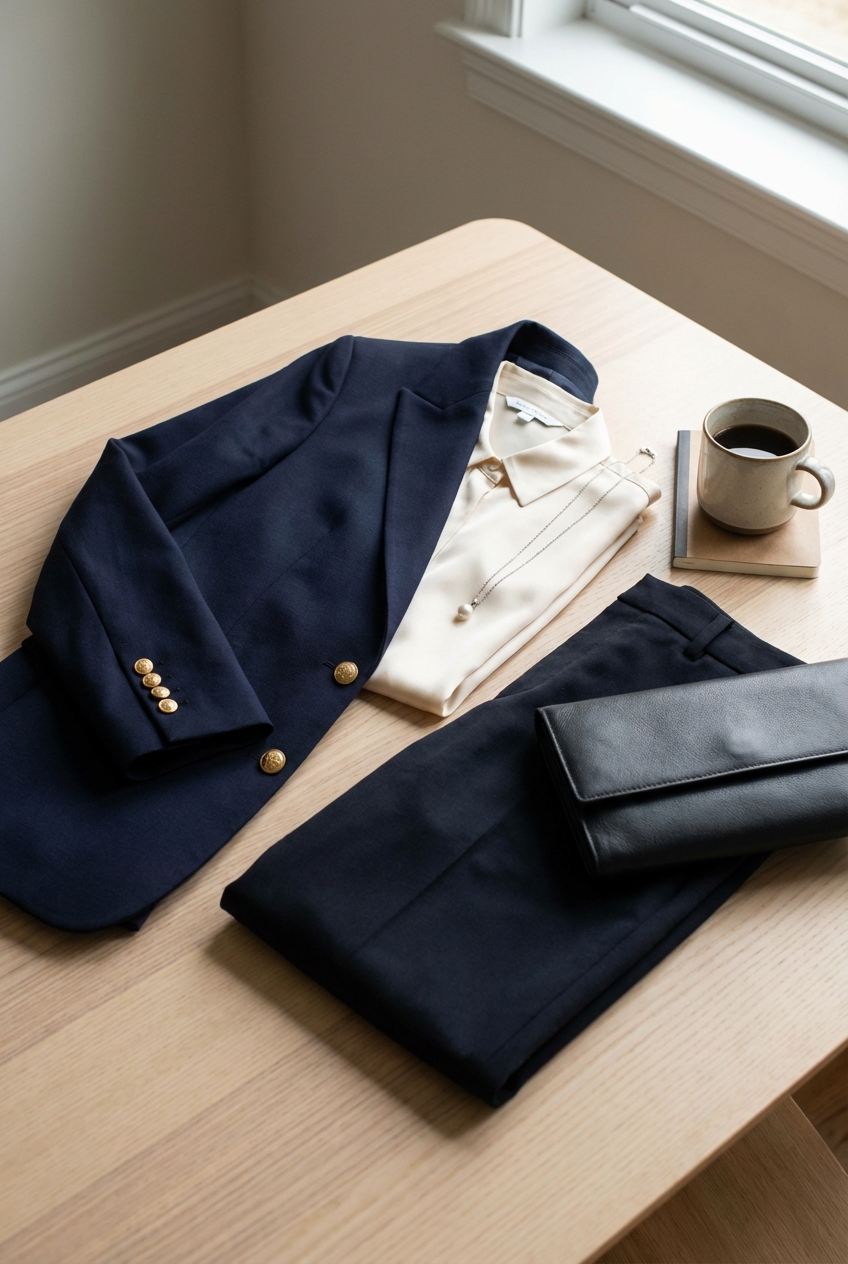
The Perfect Tailored Suit For Formal Occasions
I still remember the first time I invested in a high-end suit. I spent weeks saving up, walked into the boutique, bought the size that zipped up, and walked out thinking I looked like a CEO.
Looking back at photos, I realize I looked less like a boss and more like a child wearing her mother’s clothing. The sleeves were past my knuckles, the shoulders drooped, and the trousers pooled awkwardly around my ankles.
That experience taught me the golden rule of formalwear: the price tag doesn’t dictate the elegance; the fit does. A modest suit tailored to within an inch of its life will always outshine a designer piece that sits poorly on the frame. Be sure to verify that there is a full picture gallery waiting for you at the end of this article to inspire your final look.
1. The Foundation: Fabric Composition and Weight
Before you even look at the cut, you must assess the fabric. For formal occasions, the material dictates how the suit photographs and how it holds up after four hours of sitting.
Avoid synthetic blends like high-percentage polyester. These trap heat, create an unflattering shine under artificial lighting, and lack the necessary drape to look expensive. They also tend to hold onto odors, which is risky for high-stress events.
The Gold Standard: Look for “Super” wools, specifically Super 100s to Super 120s. This terminology refers to the fineness of the wool fiber. Super 100s are durable and great for frequent wear, while Super 120s offer a finer, silkier hand feel perfect for weddings or galas.
If you are attending a summer event, a wool-silk blend or a high-twist tropical wool is acceptable. These breathe well but resist the wrinkling common with linen. For black-tie events, velvet or silk crepe offer a level of texture that feels inherently festive and luxurious.
Designer’s Note: The Wrinkle Test
When shopping, scrunch a handful of the jacket sleeve tightly for ten seconds and then release. If the wrinkles stay sharp, put it back on the rack. You want a fabric that “bounces” back immediately, or you will look disheveled before the appetizers are served.
2. The Architecture of the Jacket
The jacket is the anchor of the suit. If the jacket is wrong, no amount of trouser tailoring can save the look. The most critical area, which is also the most expensive to alter, is the shoulder.
The shoulder seam should end exactly where your natural shoulder ends. If it extends past your arm, you will look broad and boxy. If it is too narrow, the sleeves will bunch up, and the lapels will pop away from your chest.
Check the “collar gap.” This is the space between the back of your neck and the jacket collar. There should be zero gap. The jacket should hug your neck; if there is a gap, the jacket is likely too big in the upper back or structured incorrectly for your posture.
Stylist’s Rules of Thumb
- Sleeve Length: The sleeve should hit exactly at your wrist bone. If you are wearing a button-down shirt underneath, 1/4 to 1/2 inch of the shirt cuff should be visible.
- Jacket Length: For a classic fit, the hem of the jacket should align with your knuckles when your arms are relaxed at your sides. Cropped jackets are trendy, but make sure they hit at the natural waist to avoid cutting your torso in half visually.
- Button Placement: The top button (on a two-button suit) should sit near your natural waistline. This draws the eye inward and creates an hourglass effect.
3. Trouser Fit and Silhouette
Trouser trends fluctuate wildly, but for formal occasions, we prioritize longevity over fads. Currently, a wide-leg trouser or a cigarette pant are the two most acceptable formal silhouettes.
The “Rise” is non-negotiable. For formal wear, a high rise or mid-rise is essential. It elongates the leg line and prevents any midriff exposure when you move or sit. Avoid low-rise cuts, as they tend to look more casual and can disrupt the proportions of the suit jacket.
Pay close attention to the pockets. If the side pockets are flaring open when you stand still, the trousers are too tight across the hips. This is a common issue that ruins the sleek vertical lines of a suit.
Understanding the “Break”
The “break” refers to how the pant leg rests on your shoe.
- No Break: The hem hovers just above the shoe. This is modern, clean, and ideal for slim cigarette pants. It requires a statement shoe.
- Half Break: The hem rests lightly on the shoe, creating a slight fold. This is the safest, most traditional choice for professional or formal settings.
- Full Break: A significant fold of fabric gathers at the shoe. Generally, avoid this for women’s tailoring unless you are wearing a very wide-leg palazzo style, as it can look sloppy.
4. The Art of Alterations
I cannot stress this enough: almost no one is a perfect sample size. Do not view alterations as an optional extra cost; view them as a mandatory part of the purchase price.
When budgeting for a suit, I recommend setting aside 15% to 20% of the total budget specifically for the tailor. It is better to buy a slightly cheaper suit and tailor it perfectly than to buy an expensive designer suit and wear it off the rack.
Always buy for your largest measurement. If your shoulders are a size 8 but your waist is a size 6, buy the size 8 jacket. A tailor can take in the waist easily, but letting out shoulders is nearly impossible and often destroys the garment’s structure.
Common Mistakes + Fixes
- Mistake: Focusing on the waist size first.
Fix: Fit the shoulders on the jacket and the hips on the trousers. Everything else is secondary and adjustable. - Mistake: Hemming trousers without the correct shoes.
Fix: Never go to a fitting barefoot or in socks. Bring the exact heel height you plan to wear. A difference of one inch changes the entire drape of the pant leg. - Mistake: Ignoring the sleeve pitch.
Fix: If the sleeve twists around your arm, ask your tailor to rotate the sleeve pitch. It’s a subtle adjustment that drastically improves comfort and visual flow.
5. Color, Pattern, and Occasion Appropriateness
For truly formal occasions like black-tie weddings, galas, or evening awards ceremonies, darker colors reign supreme. Black is timeless, but midnight blue is actually a stylist’s secret weapon. Under artificial light, midnight blue looks richer and darker than black.
White or cream suits (Le Smoking style) are incredibly chic for evening wear but require impeccable fit and fabric quality. Cheap white fabric is often transparent or yellows under lights. Ensure the lining is high quality and skin-tone appropriate.
Be cautious with patterns. A subtle pinstripe is generally reserved for business formal, not evening formal. If you want texture, opt for a jacquard weave or a tuxedo style with contrasting satin lapels rather than a printed pattern.
What I’d Do in a Real Project
If I were styling a client for a formal winter gala:
- The Suit: A midnight blue velvet tuxedo jacket with matching wool trousers.
- The Fit: Cigarette leg trousers with no break, showing off a crystal-embellished pump.
- The Detail: Satin peak lapels on the jacket to catch the light.
- The Underpinning: A silk camisole in the same shade as the suit. No buttons, just fluid texture.
6. The Underpinnings and Hardware
What you wear underneath the suit is just as important as the suit itself. For formal events, the goal is often to create a sleek column of color. A crisp white button-down can look too “office,” so consider alternatives.
Silk blouses with pussy-bow ties add softness to the angular lines of a suit. High-quality silk camisoles with lace trim offer a touch of femininity. For a daring, modern evening look, a bustier top can look incredibly sophisticated if the jacket is cut correctly.
Seamless undergarments are non-negotiable. Visible panty lines or a bra texture showing through a silk blouse will cheapen the entire aesthetic. Invest in laser-cut shapewear that smooths the silhouette without adding bulk.
Finish & Styling Checklist
Before you head out the door, run through this final checklist to ensure your tailored look is polished.
- Steam, Don’t Iron: Wool suits should be steamed to release wrinkles. Ironing can crush the fibers and create shiny spots on the fabric.
- The Lint Roller: Keep a travel-sized lint roller in your clutch. Dark suits are magnets for dust and hair.
- Tack Stitches: Check the back vent of the jacket and the pockets. Manufacturers often sew these shut with “x” shaped stitches to keep shape during shipping. Cut them open carefully.
- Jewelry Balance: If the suit has satin lapels or statement buttons, keep the necklace minimal. Focus on earrings or a cocktail ring.
- The Sit Test: Sit down in front of a mirror. Does the button pull dangerously? If so, unbutton the jacket when seated. This is standard menswear etiquette that applies to women’s tailoring as well.
Frequently Asked Questions
Can I mix and match the jacket and trousers for a formal event?
Generally, no. For formal occasions, a “suit” implies a matching set cut from the same bolt of fabric. Breaking the suit up (spezzato) makes it look like a sport coat and odd trousers, which reads as business casual, not formal.
How often should I dry clean my formal suit?
As rarely as possible. Dry cleaning chemicals strip the natural oils from wool, making it brittle over time. Spot clean stains and steam the suit to refresh it. Brush it down with a horsehair suit brush after wearing to remove dust.
Can I wear flats with a formal suit?
Absolutely. A pointed-toe flat in patent leather or satin is very elegant. Just ensure your trousers are hemmed specifically for the flat shoe so they don’t drag on the floor.
Is it okay to wear a watch with a formal suit?
Yes, but keep it dressy. A leather strap or a delicate metal bracelet watch is preferred over a bulky sports watch or fitness tracker.
Conclusion
A perfectly tailored suit is armor. It changes the way you stand, the way you walk, and the way you enter a room. While the process of finding the right fabric, nailing the fit, and enduring the alterations process takes time, the result is a garment that serves you for years.
Remember that formalwear is not about disguising your body; it is about highlighting your best features through proportion and balance. When the shoulders align and the hem hits just right, you aren’t just wearing a suit—you are owning the room.
Take your time, budget for the tailor, and prioritize fit over labels. The confidence you feel when everything stays in place is the ultimate luxury.
Picture Gallery


