
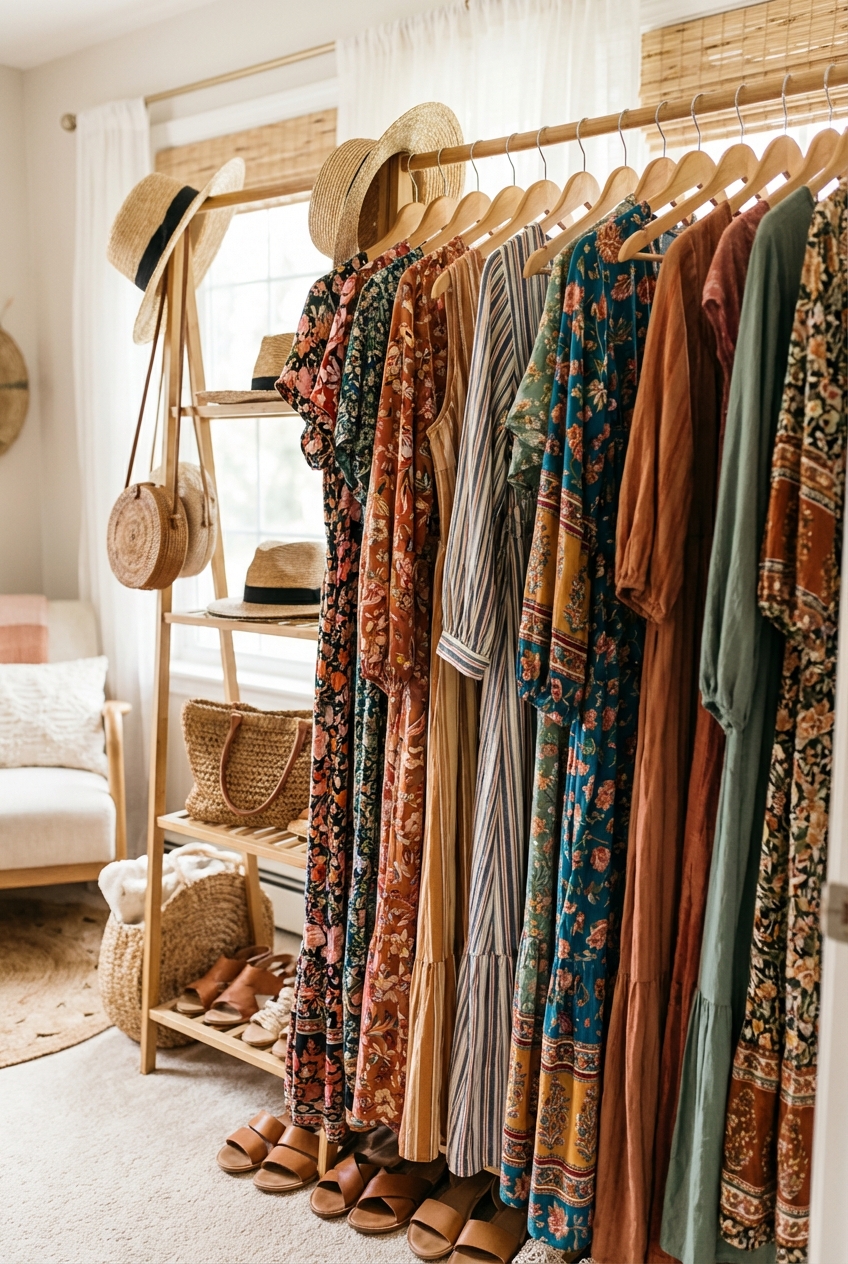
The Return Of The Maxi Dress Flattering Styles For Every Occasion
Introduction
I still remember the first time I put a client in a perfectly tailored bias-cut maxi dress. She was convinced that her height—barely 5’2″—disqualified her from wearing floor-length hems, fearing she would look like she was drowning in fabric. We adjusted the straps, selected a heel that offered a two-inch lift, and hemmed the silk to exactly half an inch off the floor; the transformation was instantaneous, elongating her silhouette and giving her a regal confidence she hadn’t found in knee-length cuts.
The maxi dress has evolved far beyond the shapeless boho sacks of the early 2000s or the stiff, formal gowns reserved strictly for black-tie galas. Today, it stands as a pillar of a functional capsule wardrobe, offering a streamlined solution for everything from boardroom presentations to seaside dinners. As a stylist, I view the maxi dress not just as a garment, but as an architectural tool that can manipulate proportion, hide flaws, and highlight assets when chosen correctly.
Navigating the sheer volume of styles, fabrics, and cuts can feel overwhelming, but mastering the maxi is easier than you think when you apply a few industry rules regarding scale and fit. If you are looking for visual inspiration on how to pull these looks together, be sure to scroll to the Picture Gallery at the end of the blog post.
The Architecture of Fabric: Weight and Drape
The single most critical element of a flattering maxi dress is not the print or the color, but the fabric composition. In high-end fashion, we talk about “hand” and “drape,” which refers to how the textile feels and how it hangs on the body. A fabric that is too stiff will add unwanted volume, while a fabric that is too flimsy will cling to undergarments and disrupt the line of the dress.
For daytime and summer wear, natural fibers like linen, cotton poplin, and silk georgette are superior choices. Linen offers structure and breathability, though it is prone to wrinkling, which creates a relaxed, “lived-in” luxury aesthetic suitable for coastal settings. Cotton poplin provides a crisp finish that holds shapes like puffed sleeves or tiered skirts without collapsing.
For evening or cooler months, look for heavier weights like silk charmeuse, crepe, or high-quality viscose blends. These fabrics have a fluid quality that skims the body rather than hugging it. They reflect light beautifully, adding a natural glow to your complexion, and they possess enough weight to swing elegantly as you walk.
Designer’s Note: The Scrunch Test
When shopping, always perform the “scrunch test” before heading to the fitting room. Squeeze a handful of the fabric tightly in your fist for ten seconds and release. If the wrinkles stay sharp and obvious, that dress will look messy after five minutes of sitting in a car or at a dinner table. If the fabric springs back or the wrinkles are soft, it is a wearable piece.
Mastering the Hemline: The Math of Length
The difference between a maxi dress looking expensive versus sloppy often comes down to a matter of inches. A common misconception is that a maxi dress should drag on the floor; in reality, a dragging hem ruins the fabric and creates a tripping hazard. Conversely, a hem that hits at the ankle bone often looks like an accidental “high-water” pant, cutting off the visual line of the leg.
For flat shoes or sandals, the ideal hemline is grazing the top of the foot, approximately 0.5 to 1 inch off the ground. This protects the garment from street dirt while maintaining the illusion of maximum length. If you are styling a dress specifically for vacations where you will be barefoot or in slides, you can err on the slightly shorter side to prevent fraying.
For heels, the standard rule of thumb is that the hem should cover the shoe but not touch the floor. Ideally, the toe of the shoe should peek out when you walk. If you plan to wear a specific dress with 4-inch stilettos, you must bring those specific shoes to the tailor. You cannot estimate this measurement.
Common Mistakes + Fixes
Mistake: Buying a maxi dress and wearing it with different heel heights without adjustment.
Fix: Designate specific dresses for specific shoe heights. I encourage clients to have “flat-friendly” maxis and “heel-required” maxis in their closet. Trying to make one dress work for both usually results in a hem that is awkwardly short with heels or dragging dangerously with flats.
Silhouettes and Scale: Finding Your Cut
Scale is a concept we use in interior design, but it applies perfectly to fashion as well. The volume of the dress must be balanced against your body frame. If you are petite, a maxi dress with a massive, large-scale floral print and voluminous tiered ruffles will swallow you whole.
For petite frames, monochromatic columns or micro-prints are essential. Look for vertical details, such as a row of buttons down the front or a slit, which draw the eye upward and break up the mass of fabric. A v-neckline also helps to elongate the neck and torso, countering the length of the skirt.
Curvier figures benefit immensely from wrap styles and bias-cut dresses. A bias cut means the fabric is cut at a 45-degree angle, allowing it to stretch and mold to curves without feeling tight. Defined waistlines—either through a belt or a fitted bodice—are non-negotiable here to prevent the “tent” effect.
What I’d Style for a Client
- The Tall & Lean Client: I would select a drop-waist silhouette or a voluminous tiered skirt in a bold, large-scale print. Her height can support the drama of extra fabric without losing her shape.
- The Pear-Shaped Client: I would choose an A-line maxi with an embellished or detailed bodice. This draws attention to the shoulders and décolletage while the skirt glides over the hips.
- The Apple-Shaped Client: An empire waist or a dress with a deep V-neck and a flowing skirt that starts just under the bust is ideal. This highlights the narrowest point of the torso.
Transitioning from Day to Night
The versatility of the maxi dress lies in its ability to morph based on styling. A simple black slip dress is the ultimate chameleon. For a casual brunch, I would layer a white baby tee underneath it or throw an oversized denim jacket over the shoulders, paired with white leather sneakers.
To take that same black slip dress to a cocktail event, the styling requires a shift in texture and shine. I would remove the layers, add a statement gold cuff, swap the sneakers for strappy metallic sandals, and finish with a sleek, low bun. The fabric of the dress hasn’t changed, but the context has shifted entirely.
Cotton and linen maxis are harder to dress up for formal events because the fabric reads inherently casual. However, you can elevate a structured cotton maxi for a nice dinner by swapping a straw tote for a structured leather clutch and adding a bold red lip. The key is removing rustic elements and replacing them with polished ones.
The “Third Piece” Rule
When styling a maxi for daytime, always employ the “Third Piece” rule. Your top is the dress (1), your bottom is the dress (2), so you need a third element to make the outfit feel complete. This could be a denim jacket, a woven belt, a silk scarf tied at the neck, or even a sweater tied diagonally across the chest.
Layering for Longevity: All-Season Styling
Many women pack their maxi dresses away the moment the temperature drops below 60 degrees. This is a missed opportunity. A maxi dress creates a fantastic base layer for fall and even winter outfits, provided you pay attention to the weight of your layers.
For autumn, layer a chunky cable-knit sweater over your maxi dress. To keep your waist defined, use a thin belt over the dress, then tuck the hem of the sweater up and under the belt to create a cropped effect. This maintains your leg line while adding warmth.
Boots are the natural partner for maxis in cooler weather. A knee-high leather boot worn under a flowing floral maxi adds a tough, utilitarian edge that grounds the femininity of the dress. Ensure there is no skin gap between the boot and the hem; the overlap is what creates the chic, continuous vertical line.
Pro Tip: The Slip Strategy
In winter, static cling is the enemy of the maxi dress. Wearing tights with a long skirt often results in the fabric bunching up between your legs. The solution is a dedicated anti-static full slip or wearing a pair of bike shorts over your tights to create a smooth surface for the dress to glide over.
Accessorizing: The Finishing Touches
Because a maxi dress occupies so much visual real estate, your accessories need to be intentional. If you are wearing a print, keep your jewelry simple—perhaps a pair of gold hoops or a delicate chain. If you are wearing a solid color, you have permission to go bolder with a statement necklace or stacked bangles.
Bag selection is crucial and often overlooked. A giant everyday tote bag can look cumbersome with a maxi dress, making you look like you are carrying laundry. Contrast is key. If the dress is voluminous, opt for a smaller, structured bag to provide visual relief. If the dress is a sleek column, a slouchy hobo bag can add a nice textural contrast.
Belts are your best friend when wearing maxis that lack structure. A wide leather belt can define a waist on a shift dress, changing the silhouette entirely. However, ensure the belt sits at your natural waist (the smallest part of your torso), not your hips, to maximize leg length.
Finish & Styling Checklist
Before you head out the door or finalize an online purchase, run through this quick stylist checklist. These are the exact mental steps I take when finalizing a look for a photoshoot or a client event.
1. Check the Transparency: Stand in front of a window or bright light. Can you see the outline of your legs? If yes, you need a slip.
2. Verify the Hem: Walk five steps briskly. Did you step on the fabric? If yes, you need higher shoes or a tailor.
3. Balance the Volume: If the dress is loose, is your hair or bag adding too much clutter? Consider tying your hair back to reveal your neck.
4. Sit Test: Sit down in a chair. Does the fabric pull uncomfortably across the hips or bust? A maxi needs ease of movement.
5. Undergarment Check: Are strap lines visible? A racerback or convertible bra is often required for modern maxi cuts.
FAQs
Can petite women really wear maxi dresses without looking shorter?
Absolutely. The continuous line of color actually makes you look taller. The secret is fit. Ensure the hem is not dragging, choose a V-neck or halter style to show skin up top, and avoid horizontal stripes or massive prints that widen the frame.
What shoes should I wear with a maxi dress for a formal wedding?
Avoid wedges or chunky platforms for formal events; they read too casual. Opt for a block heel sandal (if on grass) or a sleek stiletto. If you don’t do heels, look for a pointed-toe embellished flat. The pointed toe extends the leg line visually.
How do I stop my maxi dress from dragging when I walk up stairs?
This is a classic dilemma. The elegant solution is to reach down and gently grasp the fabric at the mid-thigh level on one or both sides, lifting slightly as you ascend. It looks graceful and protects your hem. Never bunch it up at your waist like a bundle.
Is it appropriate to wear a maxi dress to the office?
Yes, but the fabric matters. Jersey cotton often looks too like sleepwear. Opt for a shirt-dress style maxi in crisp cotton or silk, and always layer with a structured blazer to signal professionalism. Keep the neckline modest.
Can I wear a maxi dress if I am plus-size?
Maxi dresses are incredibly flattering for plus-size figures. Look for styles with a defined waist (empire or natural) and skirts that skim rather than cling. A wrap dress is universally flattering as it allows you to adjust the fit exactly to your proportions.
Conclusion
The return of the maxi dress signals a shift towards comfortable, effortless elegance. It is one of the few garments in a woman’s wardrobe that offers maximum impact with minimum effort. Once you have identified the silhouettes that honor your body type and mastered the simple math of hem lengths, the maxi dress becomes a power player in your rotation.
Don’t be afraid to invest in tailoring. A thirty-dollar alteration to lift a hem or shorten a strap can make a high-street dress look like a designer masterpiece. Fashion is ultimately about how a garment makes you feel, and there is a unique confidence that comes from walking into a room with a floor-length hem sweeping gracefully behind you.
Picture Gallery


