
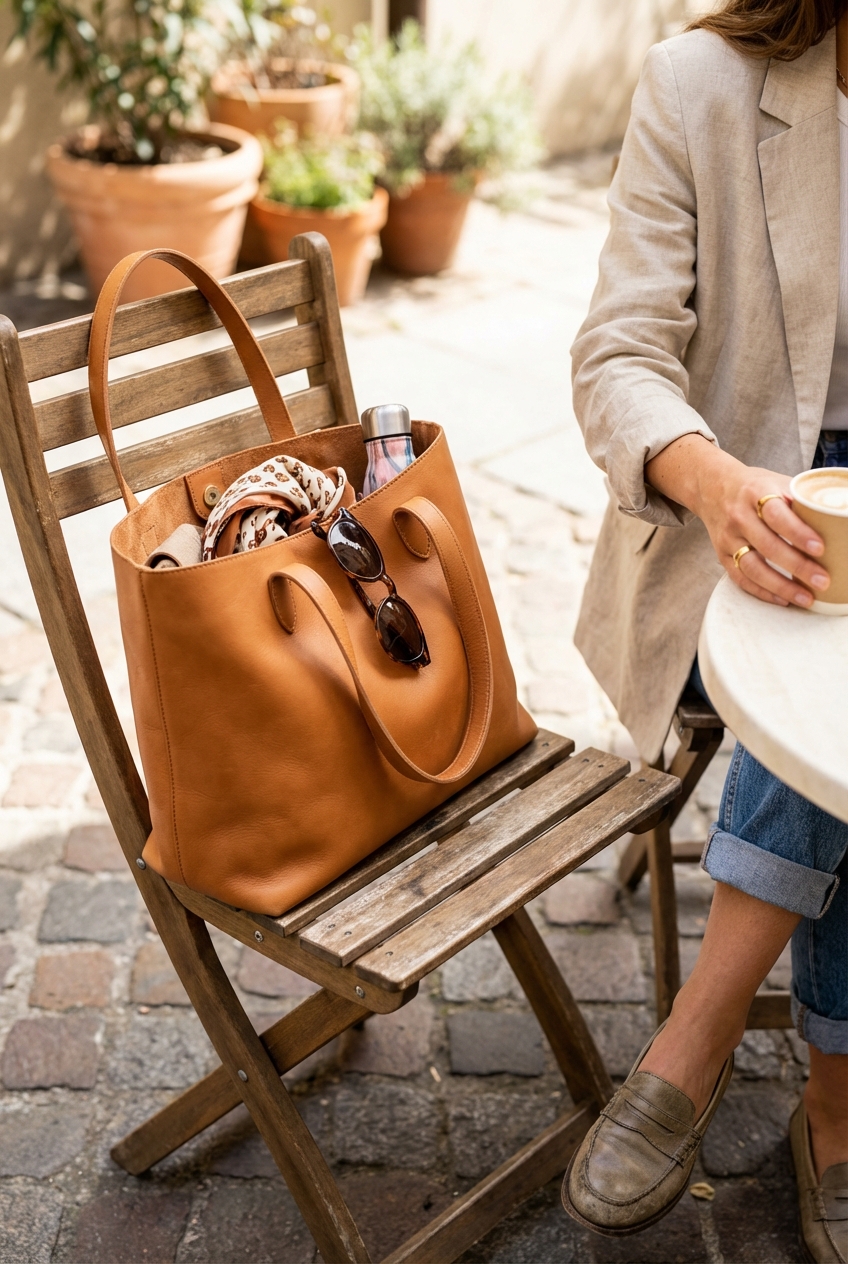
The Versatile Tote Bag Combining Functionality And Style
I recall the first time I invested in a “serious” tote bag early in my career. I chose it purely for the aesthetic—a stunning, structured cognac leather piece that looked incredible in editorial photos. Within two weeks, the straps were digging into my shoulder, my laptop barely fit, and I spent five minutes blindly digging for my keys at every front door. It was a beautiful object, but a terrible tool.
That experience shifted my entire perspective on accessories. In the world of high-end fashion, we often prioritize the silhouette over the service the item provides. However, the tote bag is the one item where form cannot dictate function; they must work in perfect tandem. It is the mobile office, the travel companion, and the daily survival kit for the modern woman.
Finding that “unicorn” bag requires looking beyond the brand stamp and understanding the architecture of the piece. It is about stitch quality, weight distribution, and how the materials age over time. For a visual breakdown of the bags that strike this perfect balance, make sure to check out the Picture Gallery at the end of the blog post.
The Architecture of Materials: Leather, Canvas, and Synthetics
When assessing a tote, the material is the foundation. Just as an interior designer chooses flooring based on foot traffic, you must choose your bag material based on your daily environment.
Full-grain leather is the gold standard for longevity. It develops a patina rather than wearing out. However, it is heavy. If you walk two miles to work, a thick leather tote can weigh three pounds before you even put a laptop inside.
For high-traffic commutes, I often recommend Saffiano or pebbled leather. These treated finishes are scratch-resistant and wipeable. They lack the softness of natural grain, but they maintain structure and look polished even after being shoved under an airplane seat.
Canvas and coated canvas offer a lighter alternative but often lack formality. If choosing canvas, look for a high ounce weight (heavy-duty) and a reinforced bottom. A waxed finish can add water resistance and a more elevated, rugged look suitable for creative offices.
Designer’s Note: The Slouch Factor
I often see clients disappointed when their unstructured leather tote turns into a puddle on the floor after six months. If you need the bag to stand upright during meetings, you must choose a leather that is “boardy” (stiff) or has a structured internal lining. Soft, unlined leather will always slouch.
Decoding Scale and Proportions
Scale is the most overlooked aspect of buying a tote bag. A bag that is too large can swallow a petite frame, making you look like you are carrying luggage. Conversely, a small tote on a tall frame can look disproportionate.
The bag’s width should ideally not exceed the width of your body when viewed from the front. If the corners are sticking out six inches past your hips, it will be cumbersome in crowds and throw off your silhouette.
Strap drop—the distance from the apex of the strap to the top of the bag—is critical. A standard drop is often 8 inches, which is fine for bare arms. However, if you live in a climate requiring wool coats or trenches, you need a minimum of 9 to 11 inches. Anything less, and the bag will constantly slip off your shoulder.
Common Mistakes + Fixes
Mistake: Buying round, rolled handles for heavy loads.
Fix: Rolled handles look elegant but dig into the shoulder bone. For heavy commuting, always choose flat straps that are at least 0.75 inches wide to distribute the weight evenly.
The Workhorse: Functionality for the Modern Professional
For a work tote, the interior dimensions matter more than the exterior. Many brands claim a bag fits a 15-inch laptop, but they are measuring the widest point of the trapezoid shape at the top, not the narrower bottom where the computer actually sits.
Always measure the base width of the bag. It needs to be at least one inch wider than your device to accommodate a protective sleeve. If you carry a laptop daily, a padded center compartment is non-negotiable. It adds structure and separates your tech from your water bottle.
Look for protective metal feet on the bottom of the bag. We inevitably have to set our bags on subway floors, coffee shop grounds, or airport carpets. Feet protect the leather corners from scuffing and keep the bag slightly elevated off dirty surfaces.
What I’d Do in a Real Project
If I am styling a client who carries a “mobile office,” I conduct a weight test. We load the prospective bag with her actual laptop, charger, water bottle, and makeup bag. We walk around the studio for five minutes. If the bag swings wildly or cuts off circulation, it gets vetoed, regardless of the designer label.
Interior Organization: The “Room” Inside the Bag
A dark lining in a deep tote is a nightmare. It creates a “black hole” effect where you cannot distinguish your wallet from your notebook.
I always advocate for light-colored linings—beige, taupe, or even a pop of color like red or blue. This reflects light and makes finding items significantly faster.
Organization systems should be intentional. A tote with zero pockets requires you to buy separate pouches, which adds bulk. Ideally, you want one secure zipper pocket for valuables and two slip pockets for a phone and cardholder.
However, too many sewn-in compartments can limit versatility. If the bag is divided into three rigid sections, you may not be able to fit a pair of gym sneakers or a bulky lunch container.
Expert Tip: The Insert Strategy
For expensive designer totes that are essentially big buckets (like the Neverfull or St. Louis), invest in a felt bag organizer. These protect the interior lining from ink spills, add structure to soft bags, and can be swapped between bags in seconds.
Transitioning from Day to Night (and Travel)
The versatility of a tote lies in its ability to shapeshift. A rigid, boxy briefcase tote reads strictly “corporate.” A softer, pliable tote can transition to a weekend market or a casual dinner.
Closures are the deciding factor here. An open-top tote is easy to access but terrible for travel or security. A full top zipper is the safest option for city living, preventing pickpocketing and keeping items contained if the bag tips over in a car.
Magnetic snaps offer a middle ground. They provide easy access but minimal security. If you travel often, look for a tote with a “trolley sleeve” on the back. This allows the bag to slide over your suitcase handle, taking the weight off your shoulders while running through terminals.
Versatility Checklist
1. Can it fit under an airline seat? (Max height usually 11-12 inches).
2. Does it have a detachable crossbody strap for hands-free moments?
3. Is the hardware subtle enough to match both gold and silver jewelry?
Investment Protection: Care and Maintenance
High-quality totes are investments that should last a decade or more. The most common way people ruin their bags is through improper storage.
Never hang a leather tote by its straps when storing it. Over time, gravity stretches the leather and weakens the attachment points. Always store totes sitting on a shelf.
When not in use, stuff the bag to maintain its shape. Do not use newspaper, as the ink can transfer to the lining. Use acid-free tissue paper, bubble wrap, or even old white t-shirts.
Condition leather bags every 3 to 6 months. A simple leather conditioner prevents cracking and restores the luster. For canvas, a fabric protector spray can repel water and stains before they set in.
Designer’s Note: The “Rest” Period
Just like shoes, leather bags need to rest. Rotating your bags prevents one strap from taking all the wear and tear. If you use the same tote every single day, the handles will absorb oils from your hands and darken or weaken much faster.
Finish & Styling Checklist
When integrating a tote into your daily wardrobe, treat it as a garment rather than just storage. Here is how to ensure the look remains cohesive:
Coordinate textures, not just colors.
If you are wearing a heavy wool coat, a suede or pebbled leather tote complements the visual weight. A flimsy cotton canvas bag will look out of place against heavy winter layers.
Match the hardware.
If your belt buckle and coat buttons are gold, try to choose a bag with gold or brass hardware. Mixing metals can be done, but matching them creates an instantly curated look.
Consider the “Third Piece” rule.
If you are wearing jeans and a tee, a structured tote acts as your “third piece,” elevating the outfit from casual to intentional.
Check the visual balance.
If you are wearing a voluminous oversized sweater or puffer coat, a streamlined, structured tote helps balance the bulk. If you are wearing a sleek pencil skirt and fitted blazer, a softer, slouchier tote can add a touch of ease.
The Shoe Connection.
You do not need to match your bag to your shoes perfectly. However, they should be in the same color family or tonal intensity. A black bag with white sneakers works because of the contrast. A dark brown bag with black boots is trickier and requires a bridging accessory (like a scarf) to tie them together.
FAQs
How do I stop my tote bag straps from slipping off my shoulder?
This is usually caused by the strap material or the clothing fabric. Slick synthetic linings on coats cause slippage. Look for straps with the underside made of suede or unfinished leather, which provides grip. Alternatively, a “braided” strap adds friction.
Can I wear a brown tote with a black outfit?
Absolutely. In fact, it is very chic. The key is the shade of brown. Cognac or camel looks intentional and rich against black. Dark chocolate brown can sometimes look like a mismatch. Ensure the leather has a warm undertone to create a deliberate contrast.
Is a zipper or a magnetic closure better?
For public transit commuters and travelers, a zipper is mandatory for security. For those who drive to work and need quick access to files, a magnetic closure is often more convenient and less scratchy on the hands.
What is the best way to clean the inside of a tote?
Turn the lining inside out if possible. Use a lint roller to remove crumbs and dust. For stains on fabric linings, spot clean with a mild mix of dish soap and warm water, but ensure you dry it thoroughly with a hair dryer on cool to prevent mildew.
Conclusion
The perfect tote bag is a marriage of engineering and aesthetics. It is easy to be seduced by a designer logo or a trending color, but the true value of a bag is revealed on a rainy Tuesday morning when you are juggling a coffee, a laptop, and a gym kit.
By focusing on the architecture of the bag—the strap drop, the material durability, the base structure, and the interior layout—you move beyond buying a fashion accessory and start investing in a functional tool.
When you find that piece that fits your shoulder perfectly, protects your technology, and elevates your outfit, it becomes more than just a bag. It becomes the reliable foundation of your daily routine.
Picture Gallery


