
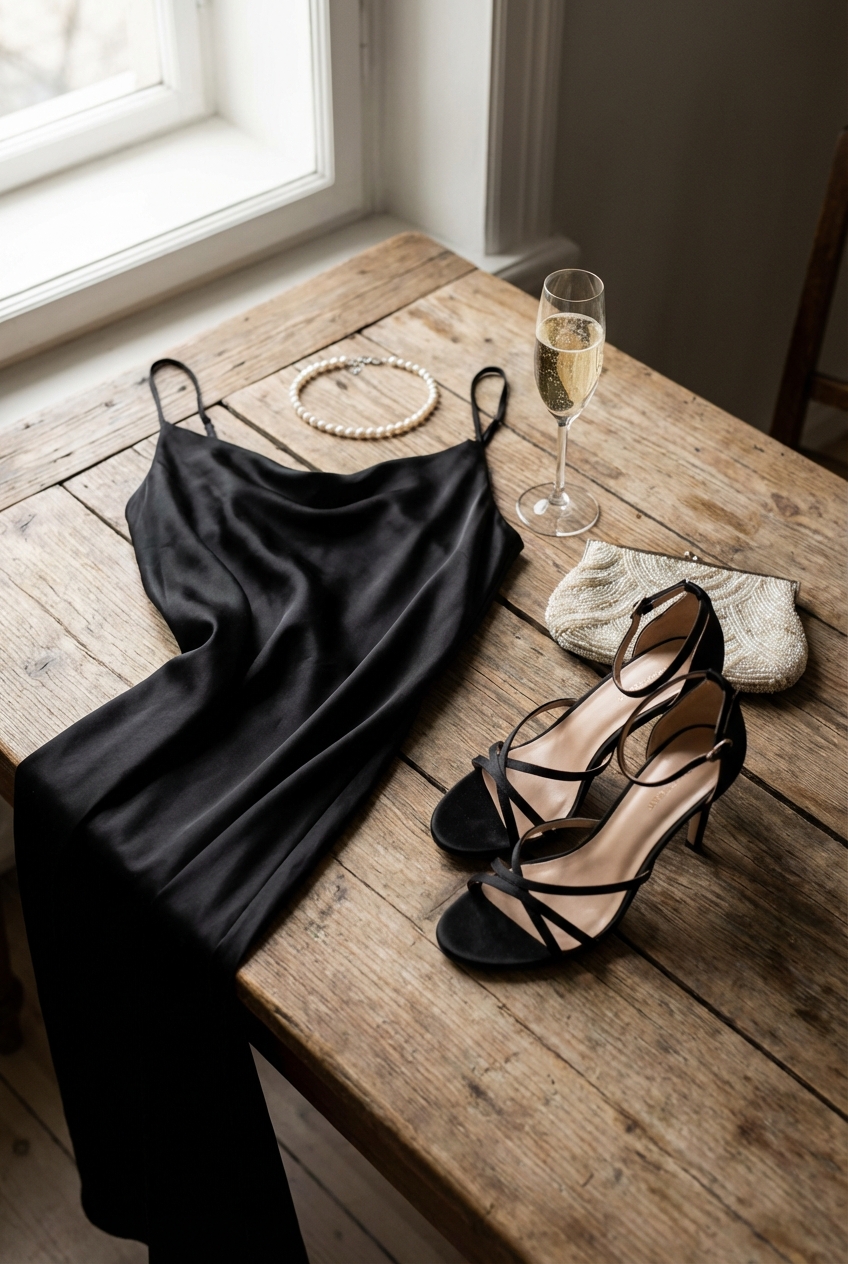
Timeless Black Dresses For Cocktail Parties
There is a moment of panic that happens about an hour before an event when you realize nothing in your closet feels quite right, except for one reliable piece. The little black dress isn’t just a cliché; it is the single most hardworking garment in a woman’s wardrobe, serving as a blank canvas for personal style and instant elegance. Over my years in high-end fashion styling, I have seen the black dress save more evenings than any other item, blending seamlessly into ballrooms, art galleries, and dimly lit lounges alike.
However, finding a truly “timeless” version requires more than just picking a dark color off the rack. It demands an understanding of fabric weight, silhouette architecture, and the subtle details that separate a fast-fashion impulse buy from an investment piece you will wear for decades. The goal is to find a dress that commands attention through its construction rather than loud embellishments, allowing you to shine rather than the garment wearing you.
For those looking for visual inspiration on how to style these looks, I have curated a comprehensive Picture Gallery at the end of this blog post.
Understanding the Cocktail Code
The term “cocktail attire” is often the most confusing dress code on an invitation. It sits precariously between business casual and black tie, requiring a look that is polished but party-ready. In my experience styling clients for high-stakes social calendars, the safest bet is always to lean slightly more formal. A black dress bridges this gap perfectly because it reads formal by nature but can be dressed down with the right accessories.
When we talk about timelessness in this category, we are looking for “bridge” garments. These are dresses that look appropriate at a 5:00 PM work event but transition effortlessly to an 8:00 PM dinner. The key is to avoid extremes. A dress that is too short, too low-cut, or too heavily beaded limits where you can wear it.
Stylist’s Note: The “Sit Test”
One of the most common mistakes I see is clients buying a dress while standing still in a fitting room mirror. Cocktail parties involve sitting on low lounge furniture, climbing stairs, and leaning over high-top tables. Always sit down in the dress before buying. If the hem rides up more than two inches or the fabric pulls uncomfortably across the hips, it is not the right fit for a functional wardrobe.
The Four Pillars of Silhouette
To achieve a timeless look, you must select a silhouette that transcends trend cycles. While puffy sleeves or cut-outs might have a moment, they date a garment quickly. I always steer clients toward four architectural shapes that have remained relevant for over fifty years.
The Sheath
The sheath dress is form-fitting and typically falls just around the knee. It is the gold standard for corporate cocktail events or sophisticated dinners. Because it follows the body’s line closely, the fit must be impeccable. I recommend looking for a sheath with princess seams, which allow for easier tailoring at the waist and bust.
The A-Line
If you want comfort without sacrificing style, the A-line is your best friend. It is fitted at the bodice and flares gently from the waist, creating a balanced visual that works on nearly every body type. This silhouette is particularly excellent for events where you will be moving or dancing, as the skirt allows for a full range of motion.
The Slip Dress
Once considered undergarments, slip dresses in heavy silk or satin have become acceptable evening wear. The key to keeping this timeless rather than trendy is the bias cut. A true bias-cut dress uses the fabric’s diagonal grain to drape fluidly over the body. It requires confidence and excellent undergarments, but the result is effortlessly chic.
The Wrap Dress
Made famous in the 70s, the wrap dress remains a staple because it is adjustable. For cocktail attire, avoid jersey cotton fabrics, which look too casual. Instead, opt for a wrap dress in silk charmeuse or a fine wool crepe. The V-neck elongates the torso, and the tie waist allows you to adjust the fit depending on how you feel that day.
Fabric Quality and Composition
The difference between a cheap black dress and a luxury investment is almost always the fabric. In photographs, cheap synthetic fabrics often absorb light flatly or reflect it with a plastic-like sheen. High-quality natural fibers, or high-end technical blends, interact with light to create depth.
Silk and Silk Blends
Silk is the ultimate luxury fiber. It regulates temperature, keeping you cool in crowded rooms and warm in drafty halls. However, pure silk wrinkles easily. For a cocktail dress, look for 4-ply silk or silk-wool blends. These have enough weight to drape beautifully and resist creasing after you have been sitting in a car for thirty minutes.
Wool Crepe
Do not let the word “wool” scare you; lightweight tropical wool is a standard for high-end evening wear. It has a matte finish that absorbs light, making the black look incredibly deep and rich. It also has natural elasticity and structure, meaning it holds its shape better than silk.
Velvet
For fall and winter cocktail events, velvet is unbeatable. It reads instantly formal and festive. However, stick to silk-rayon velvet rather than polyester velvet. The former is soft and fluid; the latter is stiff and can look like a costume.
Common Mistakes + Fixes
Mistake: Buying unlined dresses to save money.
Fix: Always check for a lining. A lining acts as a buffer between your body and the outer fabric, smoothing out lumps and extending the life of the garment by protecting it from oils and sweat. If you love an unlined dress, take it to a tailor to have a custom slip or lining added.
The Hemline and Neckline Ratio
Achieving a sophisticated look is all about balance. The old rule of thumb in high fashion styling is to choose one focal point. If you are showing legs, keep the neckline modest. If you have a plunging neckline or an open back, keep the hemline at the knee or below.
The Mini vs. The Midi
For cocktail parties, “mini” should be approached with caution. A dress that ends mid-thigh can look youthful and fun, but it risks looking inappropriate at more conservative venues. A safe “short” length is one to two inches above the knee.
The midi length (hitting mid-calf) is currently very popular and generally safer for varied events. However, it can shorten the leg line. If you are petite, ensure the hem hits the slimmest part of your calf, not the widest, and pair it with an elongated heel.
Neckline Depth
A boat neck or high crew neck is incredibly elegant and allows you to wear shorter hemlines without looking overexposed. Conversely, a deep V-neck requires a longer skirt to maintain equilibrium.
Measurements to Know
- Knee-Grazer: The most universally flattering length is right at the middle of the knee or just covering the kneecap.
- Tea Length: This ends about 3-4 inches above the ankle. It is very vintage-inspired and works well with statement shoes.
- Strap Width: If the dress is sleeveless, straps should be wide enough to cover a bra strap unless you plan to wear a strapless bra. Spaghetti straps push the look toward evening/gala territory or summer casual, depending on the fabric.
Tailoring: The Invisible Luxury
No dress fits perfectly off the rack. This is a hard truth that many shoppers ignore. High-end fashion isn’t just about the label; it is about the fit. When you budget for a timeless black dress, you should set aside an additional $50 to $150 for alterations.
Essential Alterations
The most impactful alteration is usually lifting the shoulders. If the shoulder seam hangs off your natural shoulder, the whole dress looks sloppy. Taking up the straps or shoulders aligns the bust darts correctly and lifts the entire silhouette.
Hemming is the second critical fix. A dress that drags or hits at an awkward spot on the leg ruins the line. Have your tailor hem the dress while you are wearing the specific shoes you plan to wear with it.
Nipping the Waist
Even in a shift dress, a slight nip at the waist—sometimes just half an inch—can prevent the “sack” look. It suggests shape without demanding a tight fit.
Designer’s Note: The “Ease” Factor
Garments need “wearing ease.” A dress should not be skin-tight. There should be about 1 to 1.5 inches of extra fabric at the bust and hips to allow for movement. If horizontal drag lines appear across your hips or stomach, the dress is too tight. Size up and tailor the other areas down.
Styling For Different Venues
A timeless black dress is a chameleon. The way you style it determines where it belongs. I often tell clients that the dress is the bass line, while the accessories are the melody.
The Corporate Cocktail
If you are attending a work function or a networking event, modesty is key. Pair a black sheath dress with a pointed-toe pump in black or nude. Keep jewelry sculptural and metallic—gold cuffs or silver geometric earrings. Avoid excessive sparkle. A structured leather tote or a sleek envelope clutch finishes the look.
The Wedding Guest
Yes, you can wear black to a wedding, provided it looks festive, not funereal. Choose a silhouette with movement, like an A-line or bias cut. Accessorize with color. A brightly colored shoe, a jeweled clutch, or statement earrings with colored gemstones break up the black block.
The Dinner Party
For a seated dinner, waist-up styling is vital since that is all people will see for most of the night. This is the time for interesting necklines or statement necklaces. Ensure your sleeves are practical—bell sleeves that drag in soup are a disaster.
What I’d Do in a Real Project
- The Dress: I would select a sleeveless crepe midi dress with a jewel neckline.
- The Layer: I would add a tuxedo blazer for arrival and departure, draped over the shoulders.
- The Shoe: A 3-inch stiletto sandal for elegance, or a block heel if the event is on a lawn.
- The Lip: A classic red lip prevents the all-black outfit from washing out the complexion.
Underpinnings and Maintenance
The unglamorous side of fashion is often the most important. What you wear under the dress dictates how the dress sits.
Shapewear vs. Slips
You do not always need heavy-duty shapewear. Often, a simple smoothing short is enough to prevent visible panty lines (VPL) and ensure the fabric glides over the hips. For silk dresses, a separate half-slip is mandatory to prevent static cling and sweat transfer.
Care Instructions
To keep a black dress truly black, minimize dry cleaning. Dry cleaning chemicals can be harsh and eventually cause fabrics to fade or develop a shine. Spot clean when possible.
When you do clean it, ask for “press only” if the dress isn’t actually dirty but just wrinkled. Always store your cocktail dresses hanging on padded hangers to preserve the shoulder shape. Never use wire hangers.
Finish & Styling Checklist
Before you head out the door, run through this quick stylist checklist to ensure your look is polished and cohesive.
- Lint Roll: Black fabric is a magnet for dust and pet hair. Keep a mini lint roller in your clutch.
- Deodorant Check: Check for white marks on the sides of the dress. A damp cloth or a piece of foam rubber removes these instantly.
- Hem Check: Ensure the hem is falling straight and no threads are loose.
- Steaming: Never iron velvet or delicate silk directly. Steam from the inside out to remove creases.
- Shoe Condition: Scuffed heels ruin a high-end look. Polish your shoes or clean the heel caps.
- Jewelry Balance: Look in the mirror. If you are wearing big earrings and a big necklace, take one off.
FAQs
Can I wear a black dress to a summer cocktail party?
Absolutely. The key is fabric choice. Opt for linen blends, cotton sateen, or lightweight silk. Heavy velvet or wool will look out of place. Pair it with strappy sandals and lighter accessories to season-proof the look.
Is it okay to wear flats with a cocktail dress?
Yes, but the shoe must be intentional. A ballet flat can look too casual. Look for pointed-toe flats with embellishments like buckles, pearls, or metallic finishes. A sleek mule is also a great flat alternative that feels dressy.
How do I stop my black dress from fading?
Wash it as little as possible. If you wash at home (only if the label permits), use cold water and a detergent formulated for dark colors. Air dry out of direct sunlight, as UV rays bleach black dye quickly.
What is the best jewelry metal for a black dress?
Black is neutral, so it works with everything. Gold warms up the look and feels more traditional. Silver or platinum creates a cool, modern, architectural vibe. Pearls create a classic, “Breakfast at Tiffany’s” aesthetic.
Can I wear patterned tights with a black cocktail dress?
Yes, sheer black tights with a subtle polka dot or back seam can add texture and interest. Avoid heavy opaque tights for cocktail events unless it is extremely cold, as they can look too heavy for evening wear.
Conclusion
Investing in a timeless black cocktail dress is one of the smartest fashion decisions you can make. It is a garment that respects your time and energy, offering a reliable solution when the calendar gets busy. By focusing on quality fabrics like wool crepe or silk, choosing an architectural silhouette that flatters your unique frame, and prioritizing fit over trends, you build a wardrobe that serves you.
Remember that the dress is just the foundation. The true style comes from how you live in it—how you accessorize it, how you move in it, and the confidence you project when you walk into the room. A great black dress doesn’t just cover you; it empowers you to forget about what you are wearing and focus on the moment.
Picture Gallery


