
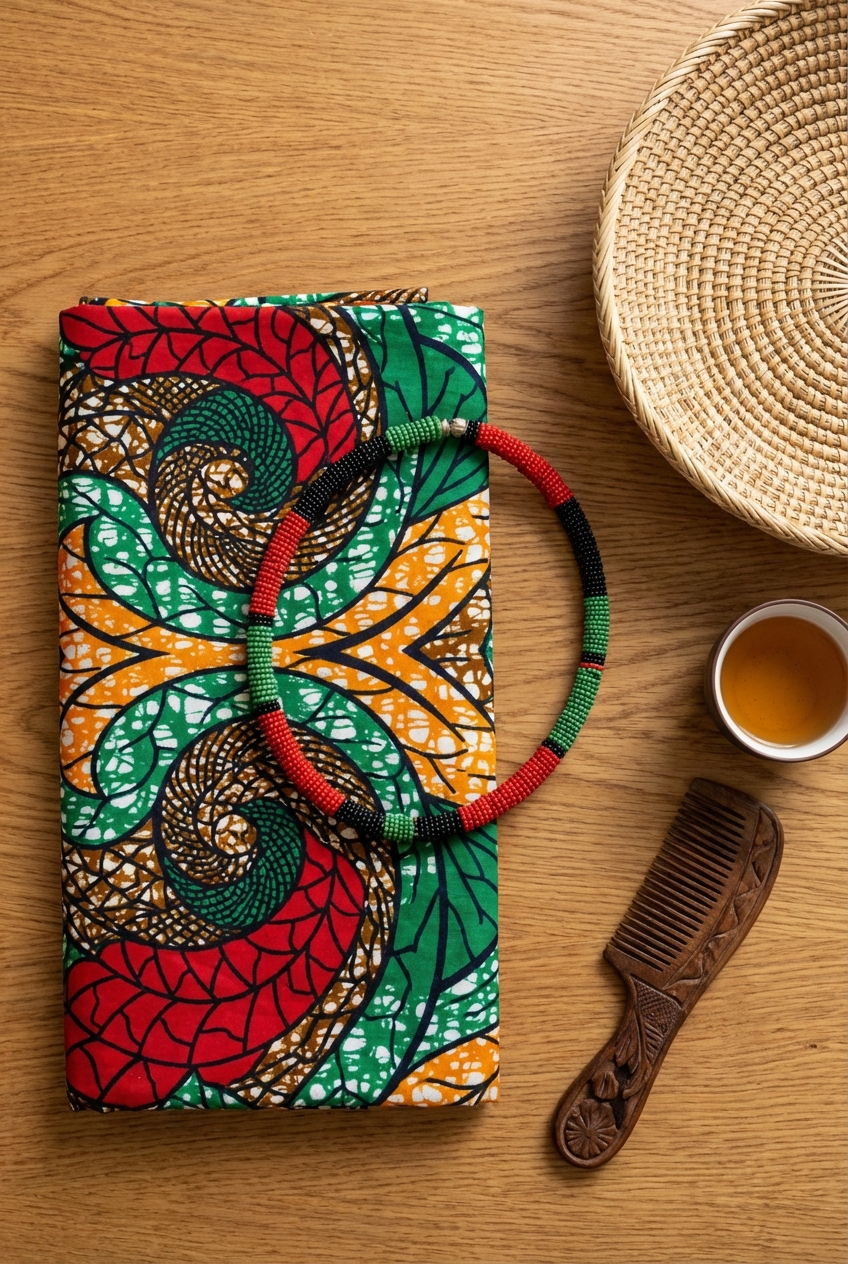
Traditional African Attire For Kwanzaa Celebrations Honoring Heritage Through Style
Kwanzaa is a profound celebration of heritage, community, and culture. As a fashion stylist who has curated wardrobes for high-profile cultural galas and intimate family gatherings alike, I view this holiday as a unique opportunity to blend ancestral reverence with high-fashion sensibilities. It is not merely about wearing clothes; it is about adorning your spirit and honoring the lineage that came before you.
I remember my first time styling a client for a Kwanzaa Karamu (feast). She was terrified of looking like she was wearing a costume rather than couture. We moved away from generic, mass-produced items and focused on authentic textiles, structural silhouettes, and bespoke tailoring. The result was a look that commanded respect and exuded elegance, proving that tradition and modernity can coexist beautifully.
In this guide, I will walk you through building a Kwanzaa wardrobe that feels luxurious, authentic, and comfortable. We will explore the specific textiles that elevate an outfit, the silhouettes that flatter every body type, and the practical considerations of hosting while dressed in full regalia. For those seeking visual inspiration, I have curated a stunning Picture Gallery at the end of the blog post.
Selecting Authentic Textiles: The Foundation of Luxury
High-end African fashion begins with the fabric. In the world of luxury design, material is everything. You cannot achieve a regal drape or a structured shoulder with low-quality synthetic blends. For Kwanzaa, we look to three primary textiles: Kente, Ankara (Wax Print), and Mudcloth (Bògòlanfini).
Authentic Kente, traditionally woven in Ghana, is the gold standard for ceremonial wear. It is a heavy, strip-woven fabric. When sourcing Kente, look for the irregularity in the weave that signals hand-loomed craftsmanship. Printed Kente (cotton with the pattern stamped on) is acceptable for casual settings, but for the Karamu feast, woven Kente provides the necessary gravitas and structural weight.
Ankara, or Dutch Wax print, offers vibrancy. A high-quality Ankara fabric is 100% cotton with a high thread count. It should feel crisp to the touch and have a slight sheen that softens after the first dry clean. The colors on the reverse side should be nearly as vibrant as the front; this is the hallmark of a true wax resist dye process.
Designer’s Note: The Synthetic Trap
I once had a client bring me “silk” Kente she bought online for a bargain. It was actually a polyester satin digital print. It had zero breathability and slipped around the body rather than holding a shape. During a warm dinner party with candles and cooking, she would have been sweltering. Always burn-test a swatch if you are unsure, or buy from reputable mills like Vlisco.
The Silhouette: Volume and flow
Western fashion often prioritizes the fitted form, but traditional African aesthetics often celebrate volume, stature, and presence. The Boubou and the Kaftan are the primary silhouettes we work with. These garments are designed to occupy space, signaling importance and dignity.
For a formal Kwanzaa look, the Grand Boubou is exceptional. It consists of a wide-sleeved robe worn over a matching set. The key to making this look high-fashion rather than frumpy is tailoring the length and managing the volume. The garment should not swallow you; you should command the garment.
If you are petite (under 5’4″), sheer volume can be overwhelming. In this case, I recommend a structured peplum top made from Ankara, paired with a fitted mermaid skirt. This mimics the traditional “wrapper” silhouette but provides the waist definition that prevents a petite frame from disappearing.
Common Mistakes + Fixes
- Mistake: Incorrect hem length on floor-length robes.
- Fix: Your tailor must hem the garment while you are wearing the exact shoes you plan to wear. The fabric should graze the floor or hover exactly 1/4 inch above it. If it puddles, you will trip. If it is two inches up, it looks ill-fitted.
- Mistake: “Floating” in the garment.
- Fix: Use an internal waist stay or a hidden belt inside a Kaftan. This pulls the front fabric closer to your body to show a silhouette while leaving the back loose and cape-like.
The Gele: Architecture for the Head
The headwrap, or Gele, is not just an accessory; it is the crown of the outfit. In Nigeria and across West Africa, the way a Gele is tied can signify social status and mood. For a high-fashion Kwanzaa aesthetic, we are looking for height and asymmetry.
The fabric used for a structural Gele is typically Aso-Oke or a stiff damask. These fabrics have a paper-like quality that holds pleats without collapsing. Soft cotton scarves are beautiful for daily wear, but for the main celebration, you need the stiffness of Aso-Oke to create those gravity-defying fans and roses.
Proportion is critical here. If you are wearing a voluminous Boubou, a small, tight headwrap can make your head look disproportionately small. You need a Gele with some width to balance the shoulder line. Conversely, if you are wearing a sleek sheath dress, a massive Gele might look top-heavy. Balance is the rule.
What I’d Do in a Real Project
- Fabric Choice: I select a metallic Aso-Oke that picks up the secondary color in the dress, not the primary one.
- Prep: I pre-pleat the fabric before placing it on the client’s head. It saves 20 minutes of struggle.
- Security: I use velvet wig grip bands underneath. A slippery Gele on freshly conditioned hair is a recipe for disaster halfway through dinner.
Color Theory: Beyond the Tricolor
The colors of Kwanzaa are Red, Black, and Green. While these are symbolically vital, wearing them in equal blocks can sometimes read as a flag rather than a fashion statement. As a stylist, I encourage clients to play with tones, textures, and dominance.
Monochromatic styling is incredibly chic. Imagine a jet-black brocade Boubou with black embroidery, accessorized with emerald green jewelry and a deep ruby lip. You have honored the colors without wearing a literal stripe pattern. This approach reads as sophisticated and intentional.
Another approach is using jewel tones adjacent to the traditional colors. Instead of a standard grass green, opt for a deep forest green velvet. Instead of bright fire engine red, choose a rich bordeaux or maroon. These deeper shades tend to look more expensive and photograph better in low evening light.
Mixing Prints Successfully
If you choose to wear prints, follow the “Scale Rule.” Do not mix three large-scale prints. If your skirt has massive medallions, your blouse should have a micro-print or a solid texture. This allows the eye to rest and prevents the outfit from looking chaotic.
Jewelry and Adornment: The Weight of Tradition
Accessories in African luxury fashion are rarely subtle. We are talking about gold, brass, cowrie shells, and trade beads. The jewelry should have visual weight. When wearing bold prints, delicate silver chains will completely disappear.
Cowrie shells were once used as currency and represent wealth and prosperity. A choker made of densely packed cowrie shells is a stunning statement piece that pairs perfectly with a scoop-neck Ankara top. For a more modern take, look for hammered brass cuffs and collar necklaces.
Be mindful of the “clatter factor.” If you are hosting, stacking twenty bangles might be noisy and impractical while serving food. In that case, focus on statement earrings—large Fulani gold hoops are a classic choice that frames the face beautifully.
Stylist’s Checklist for Accessories
- Neckline Check: If the neckline is high or heavily embroidered, skip the necklace and focus on earrings.
- Material Mix: Do not be afraid to mix organic materials (wood, bone, shell) with precious metals.
- Comfort: Heavy brass earrings can stretch earlobes. Use lobe support patches or opt for clip-ons for heavy ceremonial pieces.
Modern Fusion: The Contemporary Hostess
Not everyone wants to wear full traditional regalia, and that is perfectly acceptable. “Afro-modern” or “Afro-fusion” is a massive movement in high fashion. This style integrates African textiles into Western silhouettes, offering a practical middle ground for the modern woman.
Consider a well-tailored blazer made from Mudcloth. Mudcloth is a heavy cotton fabric dyed with fermented mud, originating from Mali. It has a rustic, textured hand-feel similar to denim or canvas. A Mudcloth blazer paired with black silk trousers and heels is an incredibly powerful look suitable for a Kwanzaa event or a corporate setting.
Another option is the “Infinity Dress” made from wax print. These dresses have two long straps that can be tied in dozens of ways. It is a versatile investment piece. However, ensure the bodice is lined properly. Unlined wax print does not offer the support needed for complex tying styles.
Practicality for Hostesses
If you are the one cooking and serving the Karamu feast, you need to be practical. Avoid bell sleeves that will drag in the gravy. Avoid floor-length hems that you might step on while carrying a platter. A midi-length skirt with a sleeveless or short-sleeved top is the smartest choice for the active hostess.
Finish & Styling Checklist
Before you step out or welcome your guests, run through this final stylist check to ensure your look is polished and secure.
- Undergarments: Are you wearing seamless undergarments? Wax print has no stretch; VPL (visible panty lines) will show instantly if the fit is snug.
- The Sit Test: Sit down in a chair. Does the fabric pull across your hips? If the buttons gape, you need safety pins or a change of outfit.
- Hemline Safety: Walk backward and forward. If you step on your hem while walking backward, it is too long.
- Ironing: Cotton wax print wrinkles easily. Use heavy starch and a high-heat iron (with a pressing cloth) to get crisp, sharp edges on pleats and sleeves.
- Makeup Balance: If your outfit is very bright, keep the eye makeup neutral and go for a bold lip. If the outfit is dark/neutral, you can do a dramatic smokey eye.
- Scent: Natural oils like shea butter or cocoa butter complement the aesthetic better than sharp, synthetic perfumes.
FAQs
Can I wear traditional African attire if I am not African?
Kwanzaa is a celebration of African American and Pan-African culture. If you are invited to a celebration and are not of African descent, it is generally respectful to dress modestly and semi-formally. Wearing full traditional regalia (like a large Gele) might be seen as appropriation depending on the context. However, wearing a tasteful accessory or a garment made by an African designer to support the economy is often appreciated. When in doubt, ask your host.
How do I clean my Ankara/Wax Print fabric?
Authentic wax print is cotton, but the dyes can bleed. The first time you wash it, soak it in cool water with a tablespoon of salt or white vinegar to set the dye. Afterward, machine wash on a gentle, cold cycle or hand wash. Hang to dry. Never tumble dry, as it fades the vibrant wax finish.
What shoes should I wear with a floor-length Boubou?
Comfort is key, but height helps the drape. A wedge heel or a block heel is superior to a stiletto. Stiletto heels catch on the hems of long robes and can cause tears or trips. A metallic gold wedge sandal is my go-to recommendation.
Is black appropriate for Kwanzaa?
Yes, black is one of the three colors of the Bendera (the flag) and represents the people. It is entirely appropriate and very chic. To make it festive, ensure the fabric has texture (like velvet, lace, or brocade) or accessorize with the other colors (red and green).
Conclusion
Dressing for Kwanzaa is an act of intention. It is a moment to step away from the fast-fashion cycle and embrace garments that tell a story of resilience, artistry, and community. Whether you choose a majestic three-piece Gele and wrapper set or a sleek, modern dress with African accents, the goal is to feel regal and connected to the source.
Remember that the most important accessory you wear is your confidence. These garments are designed to make you stand tall. Wear them with pride, honor the principles of the holiday, and enjoy the beauty of your heritage.
Picture Gallery


