
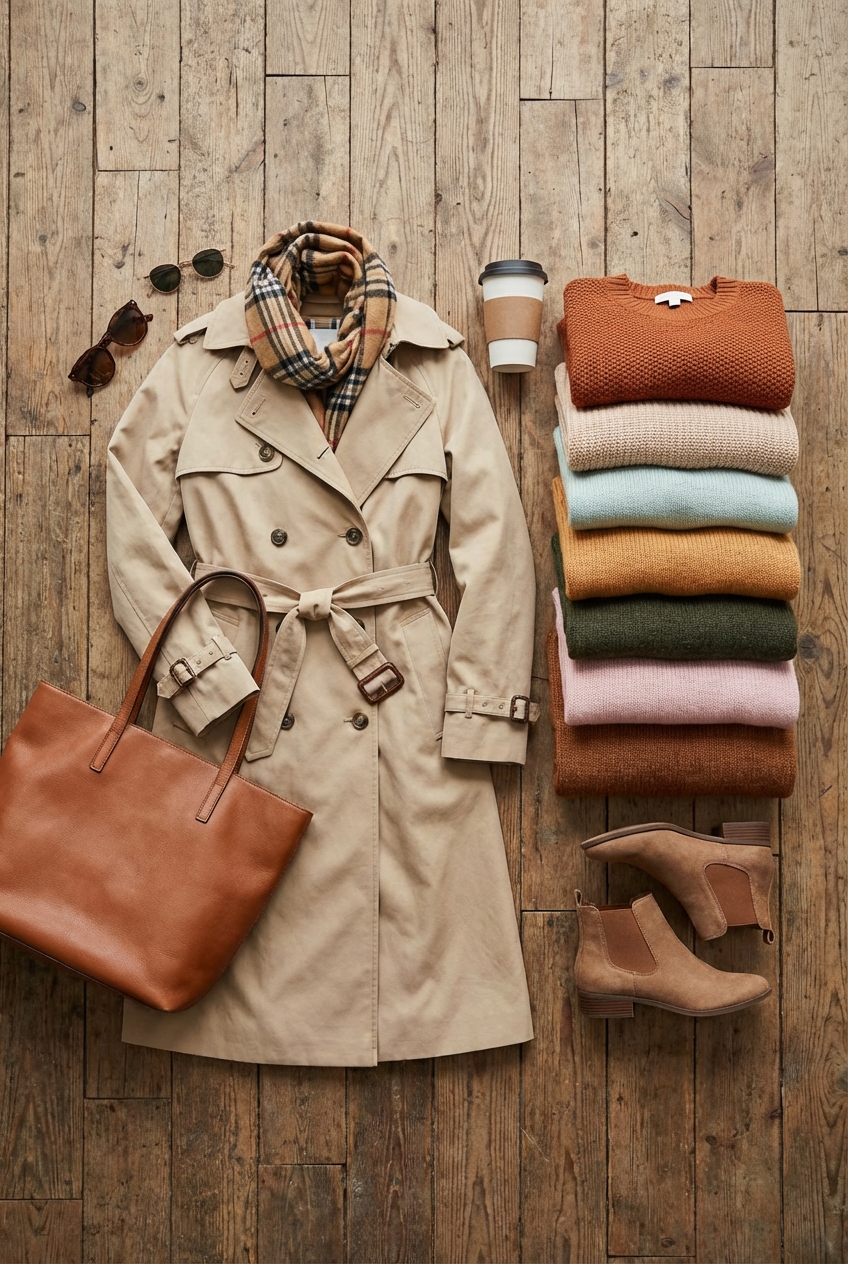
Trench Coats For All Seasons Timeless Outerwear Styling Tips
There is arguably no garment in a woman’s wardrobe as hardworking or iconic as the trench coat. I still remember the first time I invested in a proper, high-end trench. I was working as a junior stylist in New York, running between showrooms in a drizzle, feeling frantic and disheveled. I pulled on that crisp, camel-colored gabardine coat, knotted the belt, and instantly felt pulled together. It didn’t matter what I was wearing underneath; the coat provided an immediate silhouette of authority and grace.
That is the power of a great trench. It serves as architecture for the body, smoothing over the chaotic layers of everyday life while offering practical protection against the elements. Whether you are navigating a damp spring morning or layering up for a crisp autumn walk, this piece adapts to the environment while maintaining a polished aesthetic. It bridges the gap between function and high fashion like few other items can.
However, owning the coat is only half the battle; knowing how to manipulate the fabric, tie the belt, and layer effectively is what elevates the look from “commuter” to “editor-in-chief.” Over years of dressing clients, I have developed a set of rules for fit, fabric, and styling that ensure this investment piece earns its keep year-round. I have compiled these looks and detailed examples in a Picture Gallery at the end of the blog post, so be sure to scroll down for visual inspiration.
The Architecture of the Perfect Trench: Fit and Fabric
Before we discuss seasonal styling, we must address the foundation. In my consultations, I see many women wearing trenches that overwhelm their frame or look inexpensive due to poor fabric choices. A trench coat is essentially a tailored suit of armor, and the specifications matter.
Fabric Selection
For a timeless piece, look for cotton gabardine. This is a tightly woven fabric invented specifically to repel water while remaining breathable. Avoid 100% polyester blends if possible; they trap heat and often have an unnatural sheen that looks cheap under direct sunlight. A cotton-blend (at least 65% cotton) offers the best balance of structure and drape.
The Silhouette Rules
Scale is critical. If you are petite (under 5’4″), a coat that ends at the knee is ideal. A mid-calf length can work, but it requires a heel to prevent the coat from “swallowing” you. For taller clients, I almost always recommend a longer hemline that hits the mid-calf or just above the ankle. This creates a dramatic, fluid line that looks incredible when walking.
Sleeve Length
This is the most common tailoring mistake. The sleeve should end exactly at the wrist bone—not the knuckles. If the sleeve covers your hand, it looks like you borrowed someone else’s coat. If it is too short, it ruins the proportions of the outfit underneath.
Stylist’s Note: The Raglan vs. Set-In Sleeve
Pay attention to the shoulder construction. A “raglan” sleeve (where the seam runs diagonally from the armpit to the collar) offers a softer, more relaxed fit and is excellent for layering chunky knits underneath. A “set-in” sleeve (a vertical seam at the shoulder) is sharper and more formal but offers less range of motion for thick layers.
Spring Styling: The Art of Lightweight Layering
Spring weather is notoriously fickle. You need an outfit that breathes during sunny afternoons but insulates during chilly mornings. The trench is your best tool here, acting as a windbreaker that doesn’t sacrifice style.
I prefer to keep the color palette light during this season. If you own a classic beige or stone trench, pair it with crisp whites, creams, or pale denim. The contrast between the structured camel coat and a white monochrome outfit underneath is universally chic.
The “Open Carry” Look
In spring, leave the coat unbuttoned. Tie the belt loosely behind your back (more on this knot later) to cinch the waist of the coat slightly, preventing it from billowing out like a cape. This creates a slim silhouette while allowing your outfit to be seen.
Footwear Transitions
Spring is the time to transition away from heavy boots. I love pairing a long trench with loafers or clean, white leather sneakers. The gap between the hem of the coat and the ankle is a key focal point—show a little skin or a sheer sock here to lighten the visual load.
Common Mistake:
Wearing a skirt that is slightly longer than the coat.
The Fix:
Ideally, your skirt should be either significantly shorter than the coat (hidden entirely) or significantly longer (a midi skirt extending 4+ inches below). A skirt that peeks out by just one inch looks messy and unintentional.
Summer Styling: Draping and Evening Wear
Many clients pack their coats away come June, but a lightweight trench is a secret weapon for summer evenings. Think of outdoor dinners, rooftop events, or over-aggressive air conditioning in offices.
For summer, the material is everything. If you have a budget for a second coat, look for fluid fabrics like Tencel, silk blends, or unlined cotton. These lack the stiffness of gabardine and move like a heavy dress.
The Shoulder Drape
This is a classic editor move. instead of putting your arms through the sleeves, drape the coat over your shoulders like a cape. This provides warmth without trapping body heat and looks effortlessly expensive. It works particularly well over slip dresses or sleeveless tops.
Cinching a Summer Dress
If you are wearing a voluminous summer maxi dress, a trench can add necessary structure. Wear the coat properly and belt it tightly at the waist. This turns the coat into the outfit itself, with the dress acting merely as a skirt. Roll the sleeves up to the elbow and “scrunch” them to expose your forearms and jewelry.
What I’d Do in a Real Project:
For a client attending a summer wedding in a breezy location, I would style a silk midi dress with a lightweight, soft-grey trench. I would advise her to wear the coat draped over her shoulders for arrival and photos, then use it as a wrap when the sun goes down.
Autumn Textures: Depth and Richness
Autumn is where the trench coat is most at home. This season is about texture and richness. We move away from the crisp cottons of spring and embrace wools, leather, and cashmere.
Playing with texture
A classic camel trench looks incredible against darker, moodier tones. Try pairing it with burgundy, forest green, or deep navy. Texture is key here: wear a chunky cable-knit sweater or a leather skirt. The smooth surface of the coat contrasts beautifully with these rougher or richer textures.
The Scarf Integration
A scarf should not just sit on top of the coat; it should interact with it. For a polished look, tuck a silk scarf inside the collar so just a hint of pattern shows against the neck. For a cozy weekend look, layer a large wool scarf over the lapels, but under the collar at the back, allowing the coat’s collar to stay popped.
Boots and Proportions
When wearing knee-high boots, ensure the coat hem covers the top of the boot. This creates a continuous, unbroken line of leg that is very elongating. If you are wearing ankle boots, ensure your trousers are cropped or hemmed correctly so they don’t bunch up over the boot shaft.
Stylist’s Note: The Collar Pop
Don’t be afraid to pop the collar in autumn. Most high-end trenches have a “throat latch” (a small strap and button) under the collar. Even if you don’t button it, flipping the collar up reveals the detailing and frames the face beautifully against the wind.
Winter Layering: Warmth Without Bulk
Can you wear a trench in winter? Absolutely, provided you understand the art of the “inner layer.” A standard cotton trench has zero thermal insulation; it blocks wind, but it does not hold heat.
To make a trench work in 30-degree weather, you need a liner or a strategic base layer. Many heritage brands sell detachable wool or down liners. If yours doesn’t have one, use a Uniqlo ultra-light down vest underneath. These are thin enough to be invisible but warm enough to make a difference.
The Double Coat Technique
For the fashion-forward, try layering a denim jacket or a leather biker jacket underneath your trench. The collar of the inner jacket adds a cool, textural dimension to the neckline. Just ensure your trench has raglan sleeves or is sized up slightly to accommodate the extra bulk in the shoulders.
Gloves and Hardware
Winter is the time to highlight the hardware. Leather gloves are non-negotiable. I prefer a dark brown or oxblood leather glove with a classic beige coat. The contrast is softer than black and looks incredibly high-end.
Common Mistake:
Ignoring the fabric composition in winter.
The Fix:
Do not wear a polyester or thin cotton trench in freezing temps, even with layers. The fabric will stiffen and feel cold to the touch. Stick to heavy-weight cotton drill or wool-blend trenches for January and February.
The Art of the Belt: Tyings and Knots
The belt is the primary tool for shaping your silhouette. Never, ever use the buckle in the traditional way (putting the prong through the hole). It looks too rigid and “store-bought.”
The Front Knot (The “Daytime” Knot)
1. Pull the belt tight around your waist.
2. Cross the side with the buckle over the plain side.
3. Loop the plain side under and pull through.
4. Create a loop with the plain side, pass the buckle side through it, and tighten.
This creates a flat, square knot that stays put and looks tailored but relaxed.
The Back Tie (The “Open” Look)
When wearing the coat open, do not let the belt hang loose; the buckle will clang against things and you might lose it.
1. Pull the belt around your back.
2. Tie a simple double knot (not a bow) at the center of your back.
3. This pulls the sides of the coat in, giving you a waist shape even from the front.
The “Pocket” Tuck
For an ultra-casual vibe, simply put the ends of the belt into the coat pockets. This pulls the coat slightly open and keeps the belt secure without a knot. It conveys a very specific “I just threw this on” nonchalance.
Styling Checklist: The Final Polish
Before you walk out the door, run through this mental checklist. These are the small details that separate a deliberate outfit from a thrown-together one.
The “What I’d Do” Designer Checklist:
- Check the Shoulders: Is the seam sitting flat? If you are layering, can you move your arms forward? If the fabric pulls tight across the back, the layers are too thick.
- Steam, Don’t Iron: Gabardine can get “shiny” if ironed directly. Always use a vertical steamer to release wrinkles, especially at the elbows and seat of the coat.
- The Lapel Check: Ensure the lapels are laying flat. If you are wearing a crossbody bag underneath, make sure the strap isn’t distorting the coat’s neckline.
- Balance the Hem: If you are wearing a dress, check the length difference. If it’s awkward, switch to trousers or a shorter skirt.
- Inspect the Hardware: Are the buttons secure? Trench coat buttons take a lot of tension. A loose button makes the whole garment look neglected.
- Lint Roll: Cotton coats, especially in black or navy, are magnets for lint and pet hair. Give it a quick roll before leaving.
Frequently Asked Questions
Q: Can I wear a trench coat to a black-tie event?
A: Generally, no. A trench is inherently sporting or military in origin. For a black-tie event, a wool overcoat, cape, or faux fur is more appropriate. However, for a cocktail attire event, a silk or satin trench worn as a dress coat is acceptable.
Q: What is the best color for a first trench coat?
A: Honey or Beige is the classic for a reason. It brightens the face and works with both black and brown accessories. Navy is the second best option—it is more practical for commuting as it hides stains, but it can look severe.
Q: I am very short. Will a trench coat make me look shorter?
A: Not if you get the proportions right. Avoid double-breasted styles if you have a short torso, as the extra fabric and buttons widen the frame. Look for a single-breasted “mac” style trench and ensure the hem hits just above the knee.
Q: How do I clean my trench coat?
A: Read the label. Most high-end trenches are dry clean only to protect the water-resistant coating. If you wash it at home, you risk ruining the structure of the collar and the waterproofing. Re-waterproofing sprays can be applied after dry cleaning to maintain functionality.
Q: Should I size up for layering?
A: If you live in a cold climate and plan to wear blazers or chunky knits underneath, yes, size up one size. If you primarily want a spring/summer coat to wear over blouses and dresses, buy your true size for a sharper fit.
Conclusion
The trench coat is more than just outerwear; it is a reliable companion that offers a sense of composure in a busy world. Whether you are navigating a rainy commute or dressing for a crisp evening out, the versatility of this garment is unmatched. By paying attention to the architectural details—fit, fabric, and proportion—and mastering the art of the belt knot, you can ensure your trench looks as timeless as the women who made it famous.
Remember that style is not just about the item you buy, but how you live in it. A well-loved trench, slightly worn at the pockets and molded to your shoulders, tells a story of a life well-lived. Invest in quality, take care of the fabric, and don’t be afraid to experiment with layers.
Picture Gallery


