
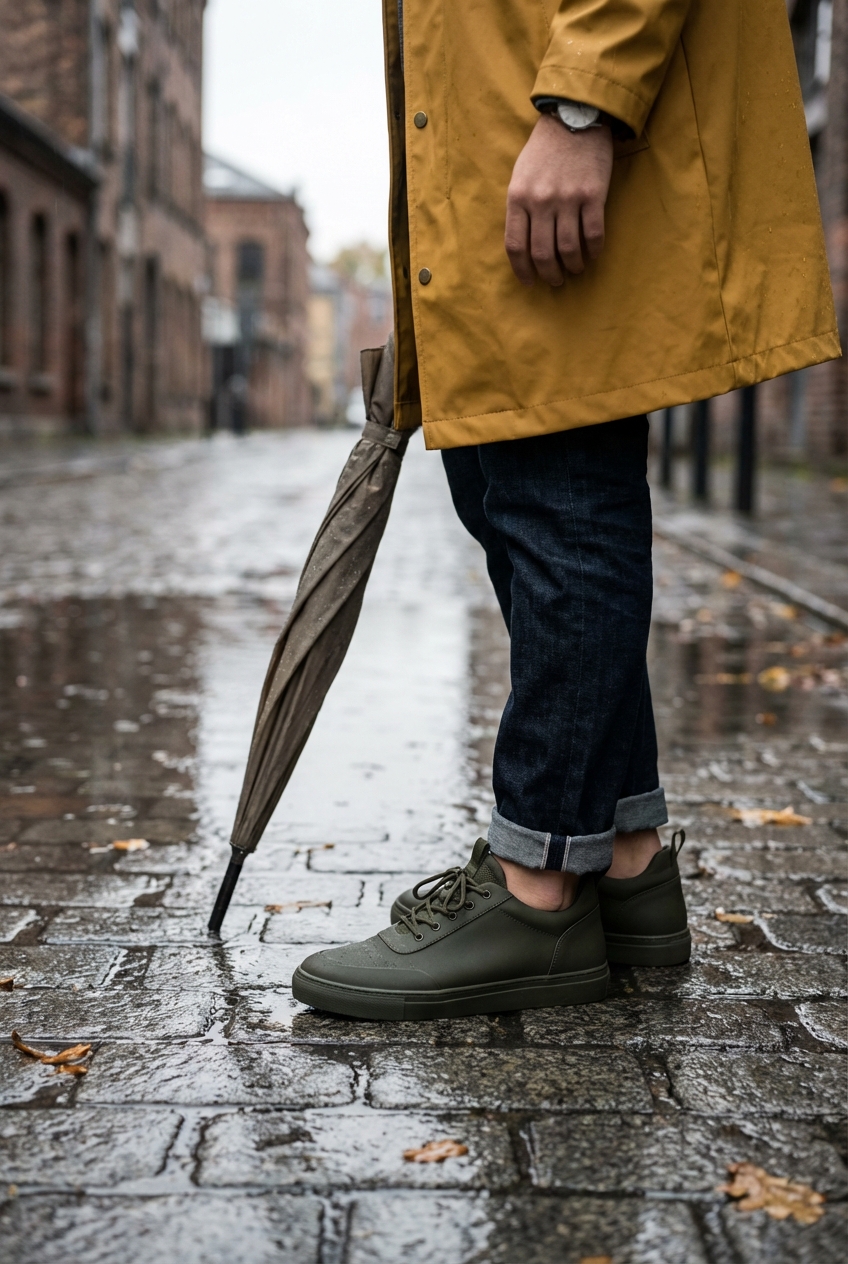
Water Resistant Sneakers For Wet Commutes
There is nothing quite as humbling as the squelch of a wet sock against a cold insole five minutes into your morning commute. I learned this lesson the hard way during my first autumn in New York City, ruining a pristine pair of Italian suede loafers in a deceptive curbside puddle. That experience shifted my styling philosophy entirely, moving me away from precious footwear and toward functional, high-performance gear that doesn’t sacrifice aesthetics.
The modern commuter faces a unique sartorial challenge: navigating unpredictable elements while maintaining a polished appearance for the office or client meetings. Fortunately, the intersection of high fashion and technical performance—often dubbed “gorpcore”—has given us sneakers that can withstand a downpour. You no longer have to choose between arriving dry and arriving in style.
In this guide, I am breaking down the essential water-resistant sneakers that bridge the gap between heavy-duty hiking gear and sleek city wear. If you are looking for visual inspiration on how to style these technical shoes with your work wardrobe, make sure to scroll down to the Picture Gallery at the end of the blog post.
Understanding the Tech: What Makes a Sneaker Truly Water Resistant?
Before investing in a pair of commute-ready sneakers, you need to understand the fabrication. Not all “water-resistant” claims are created equal. In the fashion industry, we differentiate between hydrophobic coatings and impermeable membranes.
A true water-resistant sneaker usually features a Gore-Tex (GTX) lining or a similar proprietary membrane. This technology allows moisture from sweat to escape while preventing liquid water from entering. This breathability is crucial; without it, your feet will stay dry from the rain but get damp from perspiration, which defeats the purpose.
Another key feature to look for is a gusseted tongue. This design connects the sides of the tongue to the upper of the shoe, creating a sealed barrier. Without a gusset, water can easily seep in through the lace eyelets or the gap between the tongue and the ankle collar.
Fashion Expert’s Note:
One common issue I see is clients assuming “leather” means waterproof. While leather is naturally more resistant than canvas, untreated leather will absorb water, stain, and warp. Always check if the leather has been treated with a Durable Water Repellent (DWR) coating during the tanning process.
The Rise of the Technical Hiker Silhouette
The most dominant trend in foul-weather footwear right now is the technical hiker. Brands like Salomon, Hoka, and Roa have moved from the trails to the runways. These shoes are characterized by aggressive tread, reinforced toe caps, and quick-lace systems.
For a wet commute, these are exceptional because they offer superior traction on slick subway tiles or wet pavement. The aesthetic is utilitarian and slightly aggressive, which pairs surprisingly well with tailored pieces. The juxtaposition of a rugged, technical sneaker with a soft, cashmere wool coat creates a modern, balanced silhouette.
When styling these, I recommend leaning into the volume. Because technical hikers can look bulky, they balance well with wide-leg trousers or straight-leg denim. Avoid wearing them with super skinny jeans, as this can create a “clown shoe” effect where the foot looks disproportionately large compared to the ankle.
Common Mistakes + Fixes:
- Mistake: Wearing technical hikers with delicate, sheer hosiery.
- Fix: Ground the look with substantial socks. A ribbed marled sock or a solid athletic crew sock bridges the gap between the rugged shoe and your leg.
Sleek Leather Options for Minimalist Wardrobes
If the heavy, technical look clashes with your personal style, you should opt for treated minimalist leather sneakers. Brands like Common Projects, Ecco, and Cole Haan offer models that retain a classic tennis shoe profile but utilize waterproof leathers and sealed seams.
The key here is the “stack” or sole thickness. On wet days, a platform or slightly chunky sole is your best friend. A sole height of at least 1.5 inches physically elevates the leather upper away from shallow puddles and wet pavement.
For the office, a monochromatic black or dark navy leather sneaker is the most versatile. It hides water spots and mud splatter much better than white leather. If you must wear white, ensure the material is a non-porous synthetic or heavily treated leather that can be wiped clean instantly.
What I’d do in a real project:
For a client who works in a conservative corporate environment, I style a sleek, waterproof black leather sneaker with a charcoal wool suit. The lack of visible branding and the clean lines allow the sneaker to pass as a dress shoe at a quick glance, while keeping feet dry.
The Importance of Traction and Sole Composition
We often focus on the upper material, but the sole is arguably more important for safety during a wet commute. Standard foam soles found on running shoes can become incredibly slippery on wet marble or metal grates.
Look for outsoles made from Vibram or proprietary sticky rubber compounds. The tread pattern should have deep lugs or channels that allow water to disperse, much like a car tire. A flat sole creates a hydroplane effect, while a lugged sole grips the ground.
Test the flexibility of the sole as well. A stiffer sole generally provides better stability on uneven, slippery terrain. If you can fold the shoe completely in half with one hand, it might not offer the support you need for a treacherous rainy walk.
Color Theory for Rainy Days
White sneakers are a staple of American sportswear, but they are a nightmare for wet commutes. City rain is rarely just water; it is a mixture of oil, dirt, and grit. This gray sludge can permanently discolor white mesh or stitching.
I advise clients to build a “bad weather capsule” regarding shoe colors. Olive drab, charcoal grey, navy blue, and black are the most practical choices. These colors absorb the visual impact of wet spots and hide dirt accumulation until you have time to clean them.
If you love color, opt for jewel tones like burgundy or deep forest green. These shades feel rich and seasonal during the wetter autumn and winter months but are dark enough to be forgiving. Avoid pastels or light beige suede entirely on days with a precipitation forecast over 30%.
Designer’s Note:
If you are wearing dark sneakers, ensure your hemline doesn’t bleed dye onto them. Wet denim can transfer indigo dye onto light-colored sneaker uppers instantly. If wearing new raw denim in the rain, cuff the hem or tuck it to avoid direct contact with the shoe.
Styling the Hemline: The Pants Problem
The interaction between your pant hem and your sneaker is critical in wet weather. If your pants are too long, they will drag in the water, creating a wicking effect that soaks your fabric up to the calf. This is sloppy and uncomfortable.
For wet commutes, I prefer a cropped trouser that hits just at the ankle bone. This leaves about 1 to 1.5 inches of clearance between the hem and the ground. This gap allows you to show off a coordinate sock while ensuring your trousers stay dry.
If you prefer a full-length trouser, look for styles with a slight break that rests on top of the sneaker rather than puddling around the heel. Joggers with cuffed elastic bottoms are also practical for casual commutes, as they inherently stay clear of the ground.
What I’d do in a real project:
- Look 1: Ankle-length wool trousers + ribbed wool socks + low-top Gore-Tex sneakers.
- Look 2: Leggings or heavy tights + midi skirt + high-top waterproof sneakers.
- Look 3: Cuffed boyfriend jeans + chunky sole leather sneakers (platform keeps the denim dry).
Care and Maintenance for Longevity
Even the most expensive waterproof sneakers require maintenance. The water-repellent coating (DWR) on the exterior of the fabric wears off over time due to abrasion and dirt. You will know it is failing when water stops beading up and starts soaking into the top layer.
I recommend cleaning your commute sneakers once a week if you are wearing them daily. Use a stiff brush to remove dried mud from the soles and a soft brush for the uppers. Do not put structured sneakers in the washing machine; the agitation destroys the glue and can damage the waterproof membrane.
Reapply a waterproofing spray every two to three months. Brands like Crep Protect or Jason Markk make excellent sprays that don’t alter the color of the material. Spray outdoors, applying two light coats rather than one heavy one, and let them cure for 24 hours before wearing.
Finish & Styling Checklist
Before you head out into the rain, run through this mental checklist to ensure your outfit is commute-proof.
The Shoe Audit:
- Material: Is it Gore-Tex, treated leather, or rubberized synthetic?
- Tongue: Is the tongue gusseted to prevent side leakage?
- Sole: Does it have deep tread or Vibram rubber for grip?
- Color: Will this color hide city grit and mud?
The Styling Audit:
- Hemline: Are pants cropped or cuffed at least 1 inch off the ground?
- Socks: Are you wearing synthetic or wool blends? (Avoid cotton).
- Balance: Does the volume of the shoe balance the volume of the coat/pant?
FAQs
Q: Can I just spray my regular canvas sneakers with waterproofer?
A: You can, but it won’t make them waterproof. Sprays add a hydrophobic layer that repels light drizzle, but water will still penetrate the mesh or canvas in a downpour or if you step in a puddle. For real protection, you need a built-in membrane.
Q: Are waterproof sneakers breathable?
A: Yes, but less so than standard mesh runners. Gore-Tex allows some vapor to escape, but they will always run warmer than non-waterproof shoes. They are excellent for fall and winter but might be too hot for a humid summer storm.
Q: How do I dry my sneakers if they do get wet inside?
A: Remove the insoles and stuff the shoes with newspaper or paper towels. Let them air dry away from direct heat. Never put them on a radiator or use a hair dryer, as high heat can warp the rubber and delaminate the waterproof membrane.
Q: Can I wear waterproof running shoes with a suit?
A: Proceed with caution. Technical running shoes with neon colors or huge logos will clash with formalwear. Look for “stealth” versions of running shoes—all black or monochromatic grey—which blend in much better with professional attire.
Conclusion
Navigating a wet commute doesn’t require resigning yourself to clunky rubber wellies for the entire day. The evolution of sneaker technology means we now have access to footwear that handles water ingress aggressively while looking sophisticated enough for a lunch date or a casual office environment.
By focusing on materials like Gore-Tex, prioritizing traction, and understanding how to manage your hemlines, you can build a wardrobe that is resilient against the weather. The goal is to arrive at your destination looking intentional and polished, not like you just survived a storm. Invest in quality gear, care for it properly, and your style will remain impeccable, rain or shine.
Picture Gallery


