
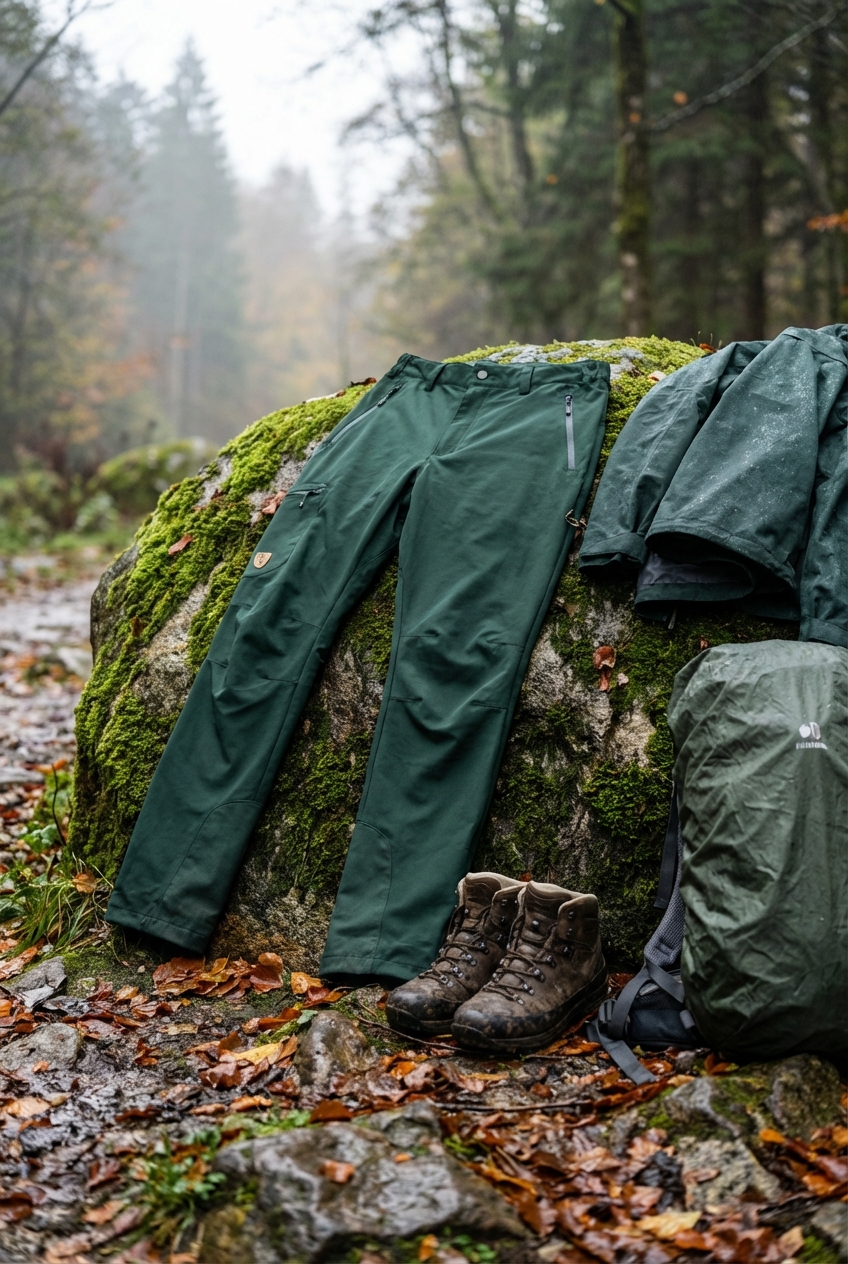
Waterproof Hiking Pants For Rainy Adventures
Introduction
I still remember my first “serious” hike in the Scottish Highlands. I had packed a beautiful cable-knit sweater and a pair of designer denim jeans, thinking I looked effortlessly chic for the countryside. Within twenty minutes, the skies opened up, and I learned a cold, heavy lesson about the difference between fashion and function.
That experience shifted my entire perspective on outdoor luxury. For years, there was a misconception that technical gear had to look utilitarian and unflattering, but the fashion industry has finally caught up. Today, the intersection of high-performance textiles and tailored silhouettes—often dubbed “Gorpcore”—means we no longer have to choose between staying dry and looking polished.
Whether you are traversing the trails of Patagonia or simply walking the dog during a Seattle downpour, the right gear changes everything. For a visual guide on how to style these looks, be sure to check out the Picture Gallery at the end of this blog post.
Understanding Waterproof Ratings and Fabric Technology
The first step in curating your outdoor wardrobe is understanding that not all “waterproof” labels are created equal. In the world of high-end technical apparel, we look at the water column rating. This measures how much water pressure a fabric can withstand before leaking.
For true rainy adventures, you want a minimum rating of 10,000mm. This will handle light to moderate rain and snow. However, if you are planning for heavy downpours or multi-day treks, I always recommend looking for 20,000mm or higher. This level of protection ensures that even when you are sitting on a wet log or kneeling to pitch a tent, moisture won’t seep through.
Breathability is the other half of this equation. A rubber raincoat is waterproof, but it traps sweat, leaving you clammy and cold. High-quality membranes allow water vapor to escape from the inside while blocking rain from the outside. Look for a breathability rating (RET) of less than 9 for high-output activities.
Fashion Editor’s Note: The “Crunch” Factor
One thing that often surprises clients is the noise associated with hard-shell pants. The most durable 3-layer fabrics often have a distinct “crinkle” sound when you walk. While softer, quieter fabrics exist (often called “soft shells”), they typically sacrifice some waterproof capability. If you are facing a torrential forecast, embrace the crunch; it is the sound of staying dry.
The Importance of Fit and Silhouette
In high fashion, fit is everything, and technical hiking gear is no exception. A common mistake women make is buying hiking pants that are too fitted, trying to mimic the look of leggings. Waterproof pants need to have a slightly relaxed cut to accommodate movement and layers.
I always advise clients to look for articulated knees. This is a construction technique where extra fabric and darts are sewn into the knee area to mimic the natural bend of the leg. This prevents the hem from riding up when you step up a steep incline.
The rise of the pant is equally critical. A high-waisted silhouette is not just a trend; it is functional. It ensures that your lower back remains covered when you bend over or wear a backpack. It also allows you to tuck in your base layers securely, creating a seamless seal against the wind.
Common Mistakes + Fixes
Mistake: Buying pants that fit perfectly over bare skin but are too tight for layers.
Fix: Always try on waterproof pants with a pair of thermal leggings underneath. You should be able to perform a full squat without the fabric pulling tight across your hips or thighs.
Essential Features for Luxury Performance
When investing in high-quality rain pants, the details distinguish a basic item from a luxury tool. The first feature I inspect is the seam taping. Stitching creates tiny holes in the fabric, which are entry points for water. Fully taped seams are non-negotiable for true waterproof performance.
Zippers are another tell-tale sign of quality. Look for YKK AquaGuard zippers, which have a polyurethane coating to repel water. Standard zippers are essentially open doors for rain. Side zippers that run from the ankle to the knee (or even the hip) are incredibly practical, allowing you to pull the pants on over your muddy boots without taking them off.
Finally, consider the adjustment points. A premium pant will have an adjustable waist—often with low-profile velcro tabs or an integrated belt—and adjustable cuffs. Being able to cinch the hem tight around your boot prevents water from dripping into your socks, which is a surefire way to ruin a hike.
What I’d Do in a Real Project
If I were styling a client for a trip to Iceland, I would prioritize a pant with “boot hooks.” These are small metal clips inside the front hem that attach to your laces. They act like a gaiter, keeping the pant leg down and preventing debris and water from entering the shoe, maintaining a sleek, uninterrupted line.
Layering: The Secret to Comfort and Style
Waterproof pants are rarely designed to provide warmth on their own; they are a shield against the elements. Your warmth comes from what you wear underneath. This is where the concept of the “layering system” becomes a styling opportunity.
For cold, rainy days, start with a base layer of Merino wool. Unlike cotton, which holds moisture and chills the skin, Merino regulates temperature and stays warm even if it gets slightly damp. It is also naturally odor-resistant, which is a luxury on multi-day trips.
If the temperature is near freezing, add a fleece mid-layer pant. However, be mindful of bulk. If you are layering two items under your shell pants, you need to ensure your outer shell has ample volume. This is why I often recommend a straight-leg or slightly wide-leg cut for winter hiking pants, rather than a slim taper.
Styling Tip: The Monochromatic Look
To keep the outfit looking intentional and high-fashion rather than messy, opt for a monochromatic color palette. Matching your rain pants to your jacket elongates the frame. A sleek, all-black or deep olive ensemble looks sophisticated and hides mud splatters much better than bright neons or pastels.
Durability and Fabric Weights
The weight of the fabric, measured in denier (D), dictates its durability and feel. A 20D fabric is lightweight and packable, perfect for emergency use or light summer showers. However, for rugged terrain where you might be brushing against rocks or prickly undergrowth, it can tear easily.
For serious adventures, I suggest looking for a fabric weight between 40D and 80D. These fabrics feel substantial and luxurious to the touch. They drape better on the body, avoiding the “plastic bag” look of cheaper, thinner materials.
Reinforced panels are a sign of thoughtful design. Look for patches of heavier fabric on the instep (the inner ankle area) and the seat. These are high-wear areas. The instep, in particular, often gets scuffed by hiking boots, so a reinforced patch here significantly extends the life of the garment.
Designer’s Note: Longevity
High-end waterproof gear is an investment. I have pairs of Gore-Tex pants that are over a decade old and still perform perfectly. The initial cost per wear decreases significantly when you buy quality construction that doesn’t need replacing after one rough season.
Care and Maintenance of Technical Fabrics
Owning luxury gear requires proper maintenance to keep it performing and looking its best. The waterproof membrane can get clogged with dirt, oils, and smoke, which reduces its breathability. Furthermore, the DWR (Durable Water Repellent) coating on the surface wears off over time.
Never use standard laundry detergent or fabric softener on waterproof pants. Fabric softeners leave a residue that attracts water, effectively canceling out the waterproofing. Instead, use a technical cleaner specifically designed for outdoor gear.
After washing, heat is actually beneficial. Tumble drying your pants on low heat (check the care label first) helps to reactivate the DWR coating. If water stops beading up on the surface and starts soaking in (wetting out), it is time to reapply a spray-on or wash-in water repellent treatment.
Finish & Styling Checklist
Before you head out into the rain, run through this quick checklist to ensure your outfit is both functional and fashionable.
- Check the fit: Can you lift your knee to your chest without restriction? If the fabric pulls tight, you will struggle on steep trails.
- Verify the layers: Are you wearing cotton? If yes, change immediately into wool or synthetic blends.
- Seal the gaps: Ensure your jacket hem overlaps the waist of your pants, even when you raise your arms.
- Boot integration: Cinch the cuffs of your pants over your boots. If you have boot hooks, engage them.
- Zip it up: Close all pockets and vents before stepping out into the rain to keep the insides dry.
- Accessorize smartly: Pair with a waterproof wide-brim hat or a structured beanie for a complete look.
FAQs
Q: Can I wear leggings instead of waterproof pants for hiking?
A: In dry weather, yes. In rain, absolutely not. Leggings will soak up water, become heavy, and lower your body temperature rapidly. If you love the feel of leggings, wear them underneath a pair of waterproof shell pants.
Q: How do I know if my pants are fully waterproof or just water-resistant?
A: Check the label for the term “fully seam-sealed” or “taped seams.” If the seams aren’t taped, water will eventually leak through the stitch holes, making them only water-resistant, regardless of the fabric quality.
Q: Are waterproof pants supposed to feel baggy?
A: They should feel loose but not oversized. You need a layer of air between your skin (or base layer) and the shell to help move moisture away from your body. A “painted-on” fit prevents this airflow and limits mobility.
Q: Can I wear these pants for city travel?
A: Yes, especially if you choose a matte finish in a neutral color like charcoal, navy, or black. Styled with a chunky sweater and sleek Chelsea boots, they can work for a rainy day of sightseeing in a city like London or Portland.
Conclusion
Investing in the right waterproof hiking pants is about more than just staying dry; it is about reclaiming your comfort and confidence in the outdoors. There is a profound sense of power in standing amidst a storm, feeling completely protected and warm.
By focusing on technical ratings, mastering the fit, and understanding how to layer, you elevate your outdoor experience. You no longer have to dread the forecast. Instead, you can look at a rainy day as an opportunity to showcase your most technical, high-performance wardrobe pieces.
True luxury is preparedness. When you have the right gear, the weather is never “bad”—it is just another beautiful backdrop for your adventure.
Picture Gallery


