
Wedding Guest Attire Decoding Dress Codes For Every Ceremony
Opening a wedding invitation is usually a moment of excitement followed immediately by a specific type of anxiety. You scan the date, check the location, and then your eyes land on the bottom corner where the dress code is printed. Whether it says “Black Tie,” “Festive,” or the dreaded “Smart Casual,” the panic is almost always the same. As a stylist, I have fielded more emergency calls about wedding attire than any other topic. Clients often struggle not just with finding something they like, but with understanding the nuance of what is appropriate for the venue and the couple’s vision.
Understanding dress codes is about more than just following rules; it is about showing respect to your hosts and feeling confident in your environment. There is nothing worse than arriving at a ballroom event in a sundress, or showing up to a rustic barn wedding in a beaded ballgown. The goal is to blend in regarding formality while standing out regarding personal style. We need to navigate the fabric choices, hem lengths, and accessory pairings that define these categories.
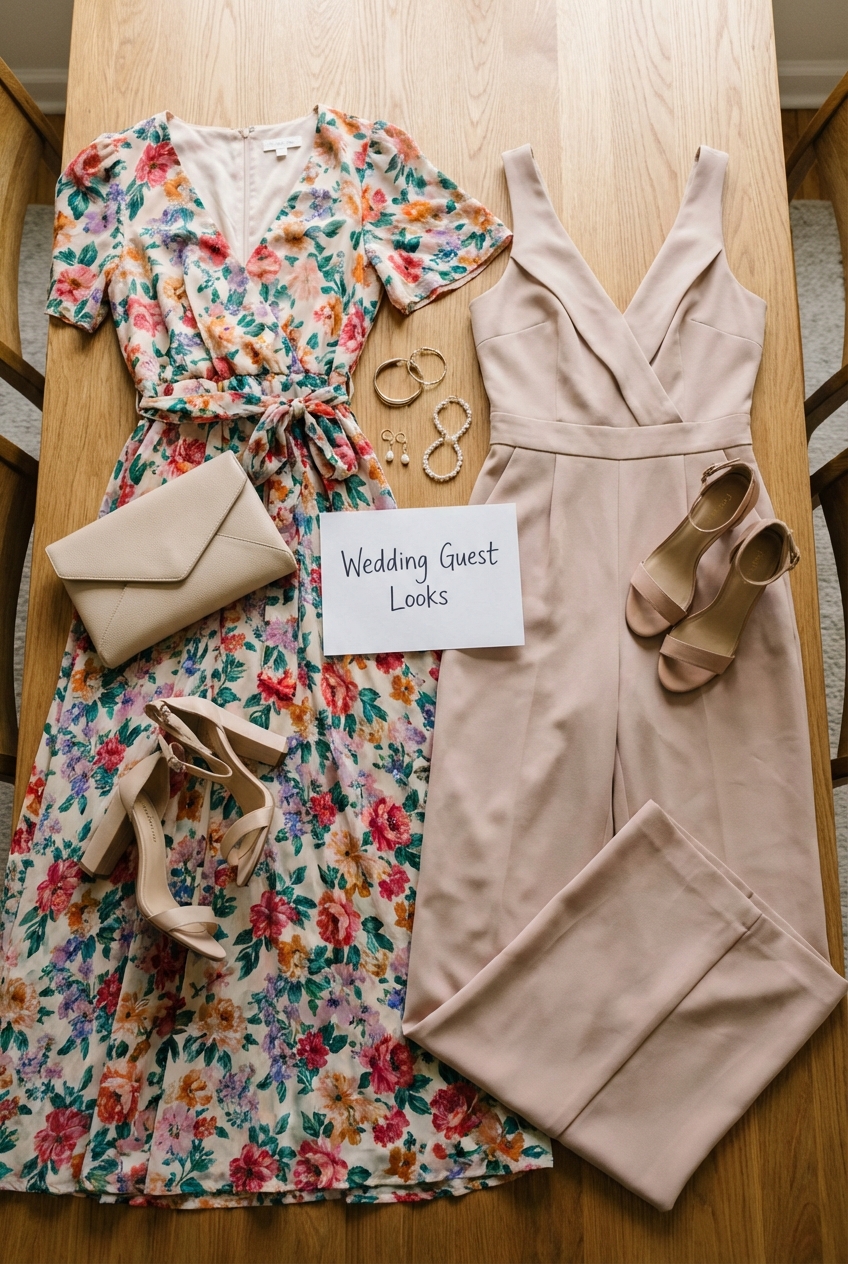
In this guide, I will break down every major dress code you are likely to encounter this wedding season. We will look at the technical definitions, but more importantly, how to execute them in a modern, stylish way. For visual inspiration on every look discussed here, be sure to check out the curated Picture Gallery at the end of the blog post.
White Tie: The Pinnacle of Formality
White Tie is the rarest and most formal dress code you will encounter. It is reserved for royal ceremonies, state dinners, and incredibly high-end society weddings. If you receive an invite specifying White Tie, this is not the time to look for bargains or attempt to bend the rules. This is strictly regimented, traditional glamour.
The Gown Requirements
For White Tie, a floor-length evening gown is non-negotiable. Unlike Black Tie, where you might get away with a high-low hem or a very dressy midi, White Tie demands a full-length skirt. The silhouette should be grand. Think ballgowns with volume, structural A-lines, or sheath dresses with significant trains.
Your fabric choice is paramount here. You want materials that read as “luxury” from across the room.
- Silk Satin: Provides a lustrous sheen that catches light beautifully in grand ballrooms.
- Velvet: Ideal for winter weddings, offering weight and regal texture.
- Tulle and Organza: Perfect for creating volume without excessive weight.
Accessories and Gloves
This is the only setting where opera-length gloves are standard. If your gown is sleeveless or strapless, white gloves that reach past the elbow are the traditional accompaniment. Note that you should keep gloves on while receiving guests or dancing, but you must remove them when dinner is served. Jewelry should be real or very high-quality fine costume pieces. This is the moment for your statement necklace or chandelier earrings.
Stylist’s Note: The “Shoe Peak” Rule
In a White Tie setting, your shoes should rarely be seen. Your hem should be tailored to graze the floor while you are wearing your heels. If your toes are visible while you are standing still, the dress is too short.
Black Tie: High-Octane Glamour
Black Tie is the most common dress code for evening weddings held in hotels, ballrooms, or upscale private clubs. It is formal, but it allows for slightly more fashion-forward interpretation than White Tie. The goal is to look sophisticated and evening-appropriate.
The Dress Code Decoded
Traditionally, Black Tie requires a floor-length gown. However, modern etiquette has softened slightly to allow for extremely formal midi dresses or sophisticated jumpsuits. If you choose to forgo the floor-length gown, the garment must have intricate detailing to compensate for the lack of length.
- The Safe Bet: A floor-length crepe or chiffon gown in a solid jewel tone (emerald, navy, burgundy) or black.
- The Modern Twist: A structured jumpsuit with a tuxedo-style bodice, worn with statement heels.
- The Exception: A “tea-length” dress is acceptable only if the fabric is heavily embellished (beading, sequins) or constructed from rigid, high-end silk.
Common Mistakes + Fixes
Mistake: Wearing a cotton or linen maxi dress and assuming it counts because it touches the floor.
Fix: Fabric dictates formality. Even if the cut is right, cotton is a day fabric. Switch to crepe, satin, or lace.
Mistake: Showing too much skin.
Fix: Balance is key. If you have a high leg slit, keep the neckline higher. If you have an open back, ensure the front is modest. Black Tie is about elegance, not clubwear.
Black Tie Optional / Formal
This code often causes the most confusion. It suggests that the couple wants a Black Tie atmosphere but doesn’t want to force guests to rent tuxedos or buy gowns if they don’t have them. It is a courtesy to the guest, but you should still err on the side of “more formal.”
Interpreting the “Optional”
When I style clients for this code, I treat it as “Black Tie Lite.” You have two main distinct paths you can take:
- The Full Gown: You can absolutely wear the same dress you would wear to a Black Tie wedding. You will never look overdressed in a floor-length gown at a “Formal” wedding.
- The Elevated Cocktail: This is where the flexibility lies. A sleek cocktail dress that hits below the knee is perfectly acceptable.
What I’d Do in a Real Project
If I were dressing a client for a Black Tie Optional wedding in September, I would select a slip dress in a heavy-weight silk charmeuse. The midi length makes it manageable, but the fabric elevates it. I would pair it with metallic strappy sandals and a structured clutch. This bridges the gap perfectly—you look dressed up enough for the tuxedo-wearing guests, but relaxed enough for the suit-wearing guests.
Cocktail Attire: The Party Standard
Cocktail attire is the most popular wedding dress code. It is fun, flirtatious, and allows for the most personal expression. It typically indicates a late afternoon ceremony followed by an evening reception. It strikes the balance between formal and casual.
Hemlines and Silhouettes
The defining characteristic of cocktail attire is the hemline. Dresses should fall somewhere between the mid-thigh and mid-calf.
- Mini Dresses: Be careful here. If it is a mini, it should be structured and not too tight. It should feel like a “dress,” not a “going-out outfit.”
- Midi Dresses: This is the current fashion darling. A midi dress is universally flattering and sits comfortably in the cocktail category.
Fabric Freedom
You have much more leeway with materials here. Jacquard, lace, and high-quality polyester blends are great. You can also experiment with prints. A floral print on a dark background is a classic cocktail choice.
Designer’s Note: The “Sit Test”
Before committing to a cocktail dress, sit down in it in front of a mirror. Short dresses often ride up significantly when seated. If you are tugging at the hem constantly, it is too short for a wedding. You want to be comfortable during dinner and the speeches.
Semi-Formal & Dressy Casual
Do not let the word “Casual” fool you. In the context of a wedding, “Casual” never means jeans, t-shirts, or sneakers. This code is often used for daytime weddings, garden ceremonies, or second weddings.
Time of Day Matters
For this category, let the clock guide your color palette.
- Before 5:00 PM: Opt for lighter colors, pastels, and softer fabrics. A wrap dress or a skirt and blouse combination works well.
- After 5:00 PM: Lean toward darker tones or muted neutrals. A simple little black dress (LBB) is a staple here.
Appropriate Separates
This is the best category for separates. A wide-leg trouser paired with a silk camisole and a blazer is a chic, modern look. A midi skirt with a tucked-in cashmere sweater is perfect for a fall semi-formal event. The key is polish. Your clothes should be perfectly pressed and fit impeccably.
Common Mistakes + Fixes
Mistake: Wearing office wear. A pencil skirt and a button-down look like you came straight from a meeting.
Fix: Swap the stiff cotton button-down for a silk blouse with a bow or interesting sleeve detail. Swap the work tote for a clutch.
Destination and Beach Formal
This code presents a functional challenge: looking elegant while battling wind, sand, and humidity. The aesthetic is “effortless luxury.”
Fabric Physics
You need breathable fabrics. Synthetic satin will show sweat marks immediately in a tropical climate.
- Chiffon: Catches the wind beautifully and doesn’t cling.
- Linen Blends: Pure linen wrinkles too fast, but a linen-rayon blend offers the look of linen with better drape and wrinkle resistance.
- Cotton Sateen: Offers a bit of shine but breathes like cotton.
The Shoe Strategy
Stiletto heels are a disaster on sand or decking. You will sink, ruin your shoes, and likely twist an ankle.
- Block Heels: The best option for stability.
- Dressy Wedges: Look for espadrilles with metallic threading or ribbon ties.
- Flat Sandals: Acceptable only if they are embellished with crystals, pearls, or metallic leather. Rubber flip-flops are never okay.
The “Creative” Codes: Festive, Barn, and Garden
Couples are increasingly inventing their own themes. While creative, these can be confusing. Here is how to translate the most common ones.
Festive Attire
Think “Cocktail,” but bolder. This is your permission slip to wear sequins, feathers, bright colors, and avant-garde silhouettes. If you have a dress that you love but usually feel is “too loud,” this is the place for it. Accessories should be playful—think statement earrings and patterned shoes.
Barn / Rustic Chic
This usually implies an outdoor setting with uneven terrain.
- The Vibe: Romantic and earthy.
- Patterns: Ginghams, large-scale florals, and eyelet lace are perfect.
- Footwear: This is the one scenario where high-end western boots might be appropriate, but a leather ankle bootie is safer. Avoid floor-length hems that will drag in the dirt or dust of a barn floor.
Garden Party
Think “Tea Party” but elevated. Pastels, floral prints, and feminine details like ruffles and pleats are the standard. Avoid black if possible; this code is about embracing color and light.
Finish & Styling Checklist
Once you have selected the dress, the work is only half done. Professional styling lies in the execution. Use this checklist to ensure your look is wedding-ready.
1. Undergarment Strategy
The wrong bra can ruin the most expensive dress.
- Seamless: Ensure your underwear lines are invisible. Laser-cut edges are essential for silk or crepe dresses.
- Shapewear: If wearing a fitted gown, a seamless bodysuit prevents the “roll” that can happen at the waistline of tights or separate shapers.
- Tape: Always bring double-sided fashion tape to secure plunging necklines or straps.
2. The Tailoring Timeline
Buy your outfit at least 4 weeks in advance. Even off-the-rack dresses usually need a hem adjustment or a strap shortening.
- Hem Length: Bring the exact shoes you plan to wear to the tailor.
- Fit: It is better to buy a size up and take it in. There is very little a tailor can do with a dress that is too small.
3. Bag Essentials
Your clutch should be small but functional. It needs to hold:
- Phone
- Lipstick for touch-ups
- Breath mints
- Band-aids (for blisters)
- Cash (for tipping valet or bartenders)
FAQs
Can I wear black to a wedding?
Yes, absolutely. The old rule about black being for funerals is dead. Black is chic, slimming, and appropriate for any evening wedding (Black Tie, Formal, Cocktail). Just ensure the fabric looks festive (like lace, sequin, or satin) rather than somber.
Is it ever okay to wear white?
No. Unless the invitation specifically states “All White Attire,” avoid white, ivory, cream, and champagne. It is the one day meant for the bride. Even if the dress has a print, if the background is primarily white, save it for another event.
What if I don’t wear dresses?
Suiting is a fantastic option for women. For Black Tie, a tuxedo-style suit in velvet or satin is incredibly stylish. For semi-formal, a wide-leg palazzo pant with a matching tunic top is comfortable and chic.
How do I handle a “cold” wedding outfit?
If the wedding is in winter or a drafty venue, do not ruin your look with a casual puffer coat. Invest in a faux-fur stole, a high-quality pashmina, or a tailored wool cape. The outer layer is part of the outfit until you check it at the cloakroom.
Conclusion
Navigating wedding dress codes does not have to be a source of stress. In fact, these rules are helpful parameters that narrow down the infinite choices of fashion into a manageable selection. Whether you are stepping out in a ballgown for a White Tie gala or slipping into a floral midi for a garden ceremony, the key is confidence.
When you respect the dress code, you are contributing to the atmosphere the couple has worked so hard to create. You become part of the visual landscape of their celebration. Remember to prioritize fit and fabric over trends. A well-fitted simple dress will always outshine an ill-fitting expensive one.
Use these guidelines to shop your own closet or select a new piece with intention. When you feel appropriate and comfortable, you can focus on what really matters: celebrating love, dancing the night away, and enjoying the champagne.
Picture Gallery


