
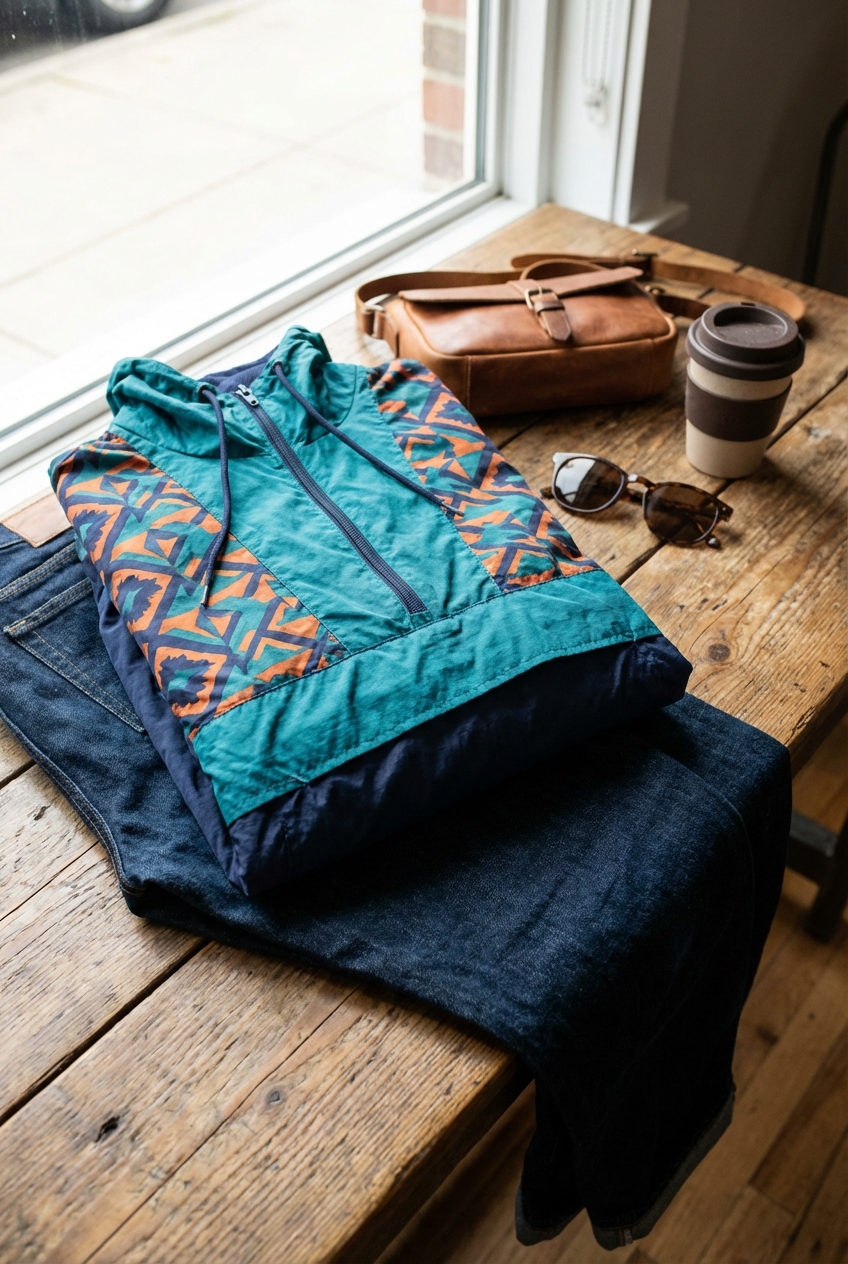
Windbreaker Fashion Functional Jackets With A Stylish Edge
There was a time when the windbreaker was strictly reserved for damp hikes, high school track meets, or emergency rain gear stuffed into the bottom of a backpack. For years, these nylon shells were the antithesis of luxury fashion. They were loud—both auditorily with that distinct swishing sound and visually with aggressive neon color blocking.
But the fashion landscape has shifted dramatically. As a stylist who works with high-end clients balancing busy city lives with travel, I have watched “gorpcore” and technical luxury take over the runway. We are no longer sacrificing aesthetics for utility. Today, a structured, high-quality windbreaker is as essential to a capsule wardrobe as a classic trench coat or a leather moto jacket.
The key lies in how you manipulate the volume and texture. It is about creating friction between the utilitarian nature of the jacket and the elegance of the rest of your outfit. Be sure to browse the curated Picture Gallery at the end of this post for visual inspiration on how to style these looks.
1. Decoding the Fabric: Technical Specs for Fashion Lovers
Before we talk about styling, we have to talk about the material. In high-end fashion, the hand-feel and drape of the fabric dictate how expensive a piece looks. Low-quality windbreakers are often made of stiff, cheap polyester that traps heat and creates a “trash bag” effect on the body.
When I shop for clients, I look for specific weaves. Ripstop nylon is a favorite because it adds a subtle grid texture that elevates the garment visually while preventing tears. You want a fabric that has a matte finish rather than a high-shine plastic look, unless you are going for a very specific avant-garde aesthetic.
Breathability is the invisible luxury factor. High-quality tech fabrics allow moisture to escape while blocking wind. If you are investing in a designer windbreaker, check the label for Gore-Tex or proprietary breathable membranes. This ensures you can layer it over a cashmere sweater without overheating during a brisk autumn walk.
Designer’s Note: The Noise Factor
One thing rarely discussed in online descriptions is the sound of the garment. In a fitting room, I always have clients walk around and swing their arms. If the friction creates a loud, scratching noise, it instantly lowers the perceived quality of the outfit. Look for “brushed” nylon or blends that offer a softer, quieter movement.
2. Mastering Volume and Proportion
Windbreakers generally add bulk to the upper body. As a stylist, my number one rule when working with voluminous outerwear is to counterbalance the silhouette. If you add volume to the top, you generally want to streamline the bottom, or vice versa, to maintain a flattering line.
If you are wearing an oversized, vintage-inspired windbreaker, pair it with fitted bottoms. Think leggings, skinny jeans, or a structured pencil skirt. This prevents the “marshmallow effect” where the body gets lost in too much fabric.
Conversely, cropped windbreakers are incredibly trending right now. These should hit exactly at the natural waist or just above the hip bone. These are perfect for pairing with wide-leg trousers or midi skirts because they define the waistline and elongate the legs.
Common Mistakes + Fixes
Mistake: Wearing a long, baggy windbreaker with a long, baggy maxi skirt.
Fix: Use the “Rule of Thirds.” If your jacket covers one-third of your body, your bottoms should show off the other two-thirds clearly. If you must wear a long skirt, belt the windbreaker or leave it unzipped to show a tucked-in top that defines your waist.
3. The Art of the “High-Low” Mix
The most stylish way to wear a functional jacket is to pair it with something that serves absolutely no functional purpose. This is the “high-low” mix. It creates an outfit that feels intentional and fashion-forward rather than purely practical.
I love styling a sleek, black technical windbreaker over a delicate silk slip dress. The contrast between the rugged, weather-resistant nylon and the fragile, fluid silk is incredibly chic. Add a pair of strappy heels or combat boots, and you have a look that works for dinner in the city.
Another approach is the “Corporate Tech” look. Take a neutral windbreaker—think beige, navy, or olive—and wear it over a crisp button-down shirt and tailored slacks. It replaces the blazer for the commute and brings a modern edge to traditional office wear.
What I’d Do in a Real Project
If I were packing a suitcase for a client going to London or Seattle, I would include a belted trench-style windbreaker. It bridges the gap between a raincoat and a dress. I would style it with:
- A lightweight merino wool turtleneck underneath.
- tailored, ankle-length trousers.
- Leather loafers (water-treated, of course).
- A structured leather handbag to elevate the nylon material.
4. Color Theory: Blocking vs. Monochromatic
Windbreakers are historically famous for color blocking. While the 80s and 90s versions were chaotic, modern iterations are more architectural.
If you opt for a color-blocked jacket, treat it as the statement piece of your outfit. The rest of your look should remain neutral to avoid looking like a costume. For example, if your jacket features panels of cobalt blue, red, and white, pair it with simple black denim and a white tee. Let the jacket do the talking.
On the other end of the spectrum is the monochromatic tech look. This is very popular in luxury streetwear. Imagine a head-to-toe look in varying shades of slate grey or cream. A matte grey windbreaker paired with charcoal wool trousers and grey sneakers looks expensive and cohesive.
Designer’s Note: The Hardware Matters
Pay attention to zippers, toggles, and snaps. On high-end functional jackets, hardware should feel heavy and substantial. Matte black or rubberized zippers are currently very desirable as they blend seamlessly with the fabric. Avoid shiny, cheap silver zippers that jam easily; they are the first giveaway of lower quality.
5. Layering Logistics for Transitional Weather
The windbreaker is the ultimate transitional piece, but only if you layer correctly. Since these jackets provide wind protection but offer little thermal insulation, the layers underneath are responsible for warmth.
The “base layer” rule is critical here. Because nylon doesn’t absorb moisture, you want a natural fiber against your skin. Cotton is okay, but merino wool or bamboo is better because they regulate temperature. Avoid wearing synthetic polyester tops under a synthetic polyester windbreaker, or you will create a personal sauna.
For colder months, I utilize the “sandwich” method. Your base is a fitted thermal. Your middle layer is a chunky knit or a fleece vest. Your outer shell is the oversized windbreaker. This allows you to peel off the shell once you are indoors while keeping the cozy texture of the knit visible.
Checklist: The 3-Layer System
- Base: Moisture-wicking tank or tee (keep skin dry).
- Mid: Insulating layer like cashmere, fleece, or a hoodie (traps heat).
- Shell: The windbreaker (blocks wind and rain).
6. Care and Longevity of Technical Fabrics
Investing in a high-quality fashion windbreaker means you need to care for it differently than your standard cottons. Technical fabrics often have a DWR (Durable Water Repellent) coating that makes water bead up and roll off.
Never use fabric softener when washing these jackets. Softeners coat the fibers with a waxy substance that destroys the breathability and wicking properties of the fabric. It effectively turns a high-tech garment into a plastic bag.
I recommend washing on a gentle cycle with a dedicated technical detergent. If you notice water stops beading on the surface after a year, you don’t need a new jacket. You simply need a spray-on DWR reviver, which you can find at most outdoor supply stores. This small maintenance step keeps the jacket looking crisp and functioning perfectly.
Finish & Styling Checklist
Before you head out the door, run through this quick mental checklist to ensure your functional look reads “fashion” rather than “hiking trip.”
- Check the Hemline: Does the jacket length cut your body in a flattering place? If it hits the widest part of your hips, consider unzipping it or cinching the waist.
- Balance the Bulk: If the jacket is puffy or oversized, are your pants or skirt fitted enough to show your silhouette?
- Elevate with Accessories: Are you wearing at least one non-sporty item? A leather bag, gold hoop earrings, or designer sunglasses can anchor the look.
- Shoe Game: Have you matched the intensity of the jacket? Chunky sneakers work for a casual look, but ankle boots add sophistication.
- Texture Mix: Do you have a soft texture (wool, silk, cotton) visible to contrast against the slick nylon?
FAQs
Can I wear a windbreaker to a nice dinner?
Absolutely, provided it is a “fashion” windbreaker and not strictly athletic gear. Look for neutral colors like black, navy, or champagne. Pair it with a silk skirt or tailored trousers and heels. Treat it like a leather jacket—an edgy top layer that you might remove once seated.
How do I get wrinkles out of a nylon windbreaker?
Nylon can melt under high heat, so never iron it directly. The best method is to use a garment steamer on a low setting, holding the steamer a few inches away from the fabric. Alternatively, hang it in the bathroom while you take a hot shower; the steam will naturally relax the fibers.
What is the difference between a windbreaker and a rain jacket?
A windbreaker is designed primarily to block wind and light mist. It is usually single-layer, lightweight, and breathable. A rain jacket is fully waterproof, often with taped seams, and is generally heavier and less breathable. For fashion purposes, windbreakers offer better drape and comfort for all-day wear.
Are oversized windbreakers still in style?
Yes, the oversized silhouette is very much on-trend, drawing inspiration from 90s hip-hop and skate culture. However, the modern way to wear it is with intentional structure underneath, rather than baggy-on-baggy.
Conclusion
The windbreaker has successfully graduated from the hiking trail to the fashion week street style galleries. It represents a shift in modern dressing where we no longer accept that we must be uncomfortable to be stylish.
By understanding the technical aspects of the fabric and applying classic styling rules regarding proportion and texture, you can make this functional piece the hero of your wardrobe. Whether you are running errands in a monochromatic set or throwing a cropped shell over a floral dress for brunch, the windbreaker offers a versatile, stylish edge that is here to stay.
Picture Gallery


