
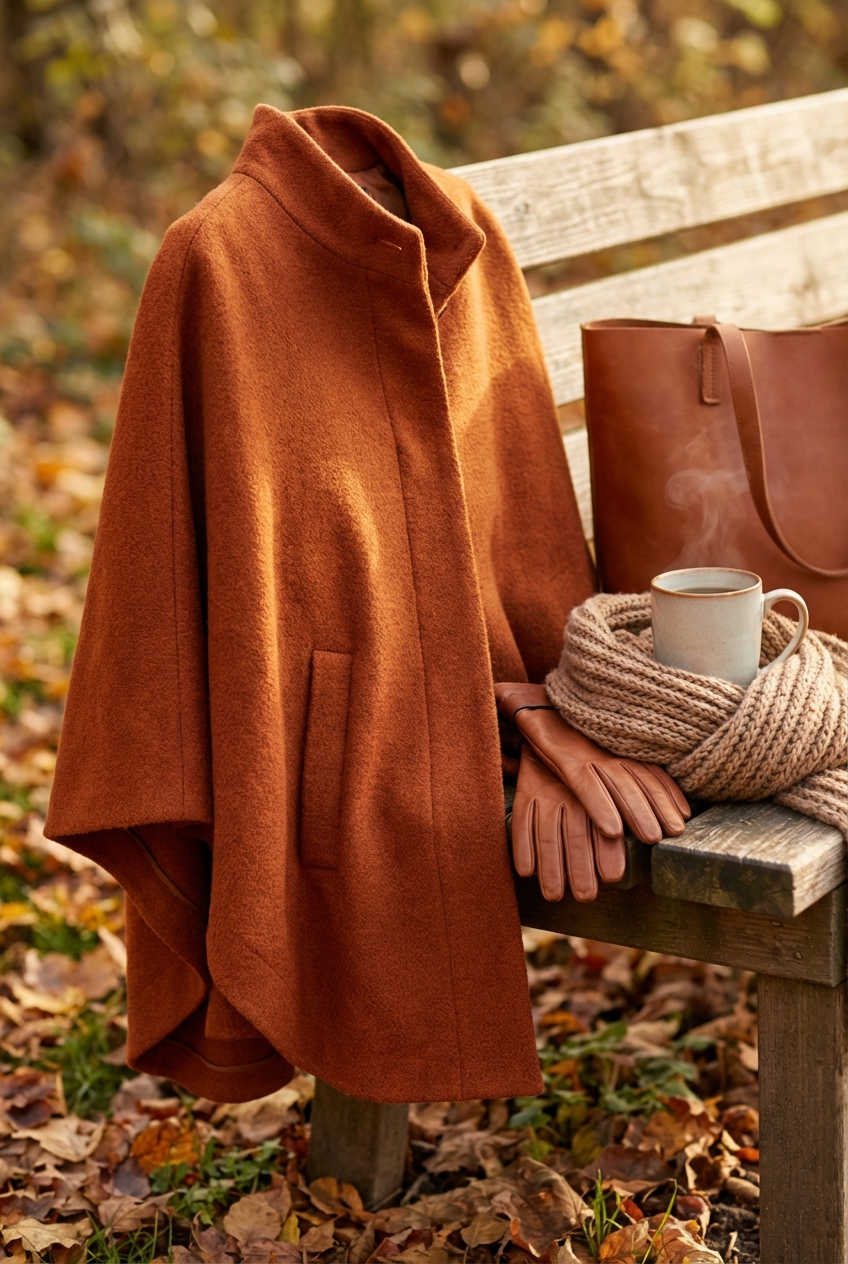
Wool Capes For Timeless Fall Outerwear
There is a distinct shift in the air when October hits. The humidity breaks, the leaves begin to crisp, and the sartorial challenge of “transitional weather” begins. This is usually when I see clients struggle the most. They aren’t ready for a heavy down parka, but a denim jacket feels too flimsy for the morning chill.
Enter the wool cape. In my years of styling high-end wardrobes, I have found few garments that offer the same blend of drama and practicality. A cape allows you to layer chunky knitwear underneath without the dreaded “sausage arm” effect you get from fitted wool coats. It provides movement, elegance, and immediate polish to even a simple jeans-and-tee outfit.
However, styling a cape requires a different approach to proportion than a standard trench or overcoat. You have to consider volume, length, and how you carry your accessories. Be sure to scroll to the end of this post to see the Picture Gallery filled with my favorite styling examples and silhouettes.
The Architecture of the Cape: Understanding Silhouette and Volume
The most common mistake I see with capes is ignoring the “Volume Rule.” In design, whether it is interior architecture or garment construction, you must balance visual weight. Because a wool cape creates a triangle or A-line shape on your upper body, you generally want to keep your lower half streamlined.
If you are wearing a high-volume cape that hits below the knee, pair it with a slim-cut trouser, a straight-leg jean, or a pencil skirt. If you pair a voluminous cape with a wide-leg palazzo pant, you risk looking like a shapeless block. The eye needs a place to rest where the fabric narrows.
For my petite clients (under 5’4″), I strictly recommend capes that end mid-thigh to just above the knee. A floor-length cape on a shorter frame can look like a costume rather than a chic outerwear choice. For taller clients, a midi-length cape that hits mid-calf is exceptionally elegant and provides better wind protection.
Designer’s Note: The Arm Slit Issue
One technical detail often overlooked is the placement of the arm slits. When I am sourcing pieces for a shoot or a client, I always have them simulate distinct movements: reaching for a door handle, checking a phone, and carrying a tote bag.
If the arm slits are positioned too low, the entire garment will hike up every time you raise your arm. This exposes your midsection to the cold air and ruins the drape. Look for slits that align with your natural elbow bend.
Selecting the Right Fiber: Wool, Cashmere, and Blends
Not all wool is created equal, especially when it comes to the drape of a cape. A stiff, heavy Melton wool might be great for a structured military coat, but a cape relies on “swing.” You want a fabric that moves with you.
Double-Faced Wool vs. Lined Wool
In the luxury market, you will often see “double-faced” wool. This is a technique where two layers of wool fabric are woven together, often allowing the garment to be unlined.
- Double-Faced Pros: These are incredibly soft, drape beautifully, and feel like a heavy blanket. They are ideal for early fall.
- Double-Faced Cons: Because they lack a synthetic lining, they are not windproof. On a blustery November day, the wind cuts right through.
For colder climates, I recommend a heavy-weight wool blend (at least 70% wool, ideally mixed with cashmere for softness) that features a Cupro or viscose lining. Avoid polyester linings if possible; they don’t breathe, which can make you sweat if you are walking briskly, even if it is cold outside.
The Pilling Factor
Friction causes pilling. With capes, the highest friction area is where your bag rubs against your hip or under your arm.
- Pro Tip: Look for tightly woven wools. Looser, fluffier weaves (like boucle or loosely spun alpaca) will pill significantly faster, especially if you carry a shoulder bag.
Mastering the Layers: What to Wear Underneath
The primary functional benefit of a cape is the freedom it offers your arms and shoulders. This makes it the perfect companion for today’s trendy oversized knitwear.
When styling a client, I follow the “Textural Contrast” rule. If your cape is a smooth, felted wool, wear a cable knit or ribbed sweater underneath. The difference in texture adds depth to the outfit, which is essential when you are covered in a large swath of fabric.
The Sleeve Length Dilemma
One logistical challenge with capes is exposed forearms. As the cape moves, your wrists are often exposed to the cold.
- The Fix: This is the time to invest in long leather gloves. A glove that extends past the wrist bone and tucks into your sweater sleeve is vital.
- My Go-To: I prefer cashmere-lined leather gloves. They seal the gap between your sweater cuff and the outside world.
Avoid wearing blazers with significant shoulder pads under a cape. While a cape is roomy, structured shoulder pads can fight against the natural slope of the cape’s shoulder line, creating awkward lumps. Stick to soft-shouldered jackets or knitwear.
The Accessories Logic: Bags and Belts
Accessories can make or break a cape look. The wrong bag can make the outfit clumsy and frustrating to wear.
The Bag Rules
- No Crossbody Bags Over the Cape: Never wear a crossbody strap over the top of a cape. It crushes the silhouette and restricts your movement.
- Under the Cape: You can wear a small crossbody bag underneath the cape, provided the cape is open or easy to reach into. This is great for security but harder for access.
- Top Handle or Clutch: The best pairing for a cape is a top-handle bag carried in the crook of your arm or a hand-held clutch. This interferes least with the fabric.
- The Tote: If you must carry a large tote for work, ensure the straps are long enough to go over your shoulder through the arm slit, or be prepared to carry it in your hand.
Belting Strategy
Some capes come with a sash belt. If you have an hourglass figure, cinching the waist helps retain your shape. However, if the fabric is too thick, belting it will create bulk.
- Styling Trick: Try belting only the front piece of the cape (underneath the back panel) if the design allows. This cinches your waist while leaving the back to swing dramatically like a traditional cape.
Navigating Color and Pattern in Large Scale
Because a cape takes up so much visual real estate—essentially 70% of your visible outfit—the color choice is critical.
For your first investment cape, I always steer clients toward Camel, Navy, or Charcoal Grey. These neutrals act as a canvas. A camel cape is the epitome of luxury and pairs beautifully with all-black or all-white ensembles underneath.
Patterns and Plaids
Plaids and checks are classic for fall, but scale matters.
- Small Scale: A houndstooth or small check reads almost like a solid from a distance and is easier to mix with other prints.
- Large Scale: A giant buffalo check or oversized tartan is a statement. If you choose a loud print, keep the rest of your outfit monochromatic. Do not wear a plaid cape with floral trousers; it creates visual chaos.
Real-World Maintenance and Care
A high-quality wool cape is an investment that should last a decade or more. Maintenance is largely about preventing distortion of the shape.
Storage is Key
Never hang a heavy wool cape on a thin wire or plastic hanger. The weight of the fabric will drag down, creating permanent “bumps” in the shoulder area.
- The Solution: Use a wide-shouldered wooden coat hanger. If the cape is exceptionally heavy, consider folding it gently with acid-free tissue paper and storing it in a breathable canvas box during the off-season.
Cleaning
Wool is self-cleaning to a degree. You do not need to dry clean a cape after every wear. In fact, over-dry cleaning strips the natural lanolin from the wool, making it brittle and less lustrous.
- Routine: Brush your cape with a natural bristle garment brush after wearing to remove dust and pollen.
- Steam, Don’t Iron: Never press an iron directly onto wool. It crushes the fibers and leaves a sheen. Use a handheld steamer to release wrinkles and refresh the fabric.
Styling Checklist: What I’d Do in a Client Consultation
If we were standing in your closet right now, here is the mental checklist I would run through to ensure your cape outfit works:
- Check the Hemline: Does the cape cut you off at an awkward spot on your calf? If so, we need a heeled boot to elongate the leg.
- Volume Check: Are you wearing wide-leg trousers? Swap them for a slim cigarette pant or dark denim straight-leg to balance the cape’s width.
- Sleeve Gap: Lift your arms. is there a 3-inch gap of bare skin exposed to the cold? Add longer gloves or a sweater with longer cuffs.
- Hardware Clash: Does the metal on your bag clash with the buttons on the cape? Mix metals intentionally, or match them for a seamless look.
- The Movement Test: Walk across the room. Does the cape slide off your shoulders? You may need to add a discreet hook-and-eye closure at the collar bone if one doesn’t exist.
Common Mistakes + Fixes
Mistake: Wearing a backpack with a cape.
The Fix: This is functionally impossible and visually messy. Switch to a satchel or top-handle bag.
Mistake: Ignoring the weather rating.
The Fix: Wearing an unlined cashmere cape in freezing rain will ruin the garment and leave you shivering. Reserve the unlined capes for dry, crisp days (45°F – 60°F). For rain or snow, choose a tightly woven wool blend or waterproof trench cape.
Mistake: Overwhelming a petite frame.
The Fix: If you are small, avoid “blanket” style capes that lack structure. Look for “capelets” or tailored capes with defined shoulders and a shorter length.
FAQs
Can I wear a cape for a formal evening event?
Absolutely. A black wool or velvet cape is often more appropriate for black-tie events than a puffer coat or trench. Look for a sleek design without bulky pockets or buttons. Drape it over your shoulders for a seamless arrival.
Are capes practical for driving?
They can be tricky. The excess fabric can bunch up behind you. I recommend taking the cape off before getting into the car, or flipping the back panel up over the seat back so you aren’t sitting on a mountain of wool.
How do I stop my shoulder bag from slipping off the rounded shoulder of the cape?
This is a common annoyance. The lack of a defined shoulder seam makes straps slide. Your best bet is a bag with a thinner strap that can sit closer to your neck, or simply holding the bag in your hand.
Conclusion
Wool capes represent a return to intentional dressing. They require a bit more thought than a zip-up jacket, but the payoff is a silhouette that is timeless, sophisticated, and incredibly comfortable. By respecting the rules of volume, choosing the right fabric weight for your climate, and pairing them with appropriate accessories, you elevate your entire fall wardrobe.
When you find the right cape—one that swings beautifully as you walk and keeps you warm without restriction—it quickly becomes the piece you reach for every time the leaves start to turn.
Picture Gallery


