
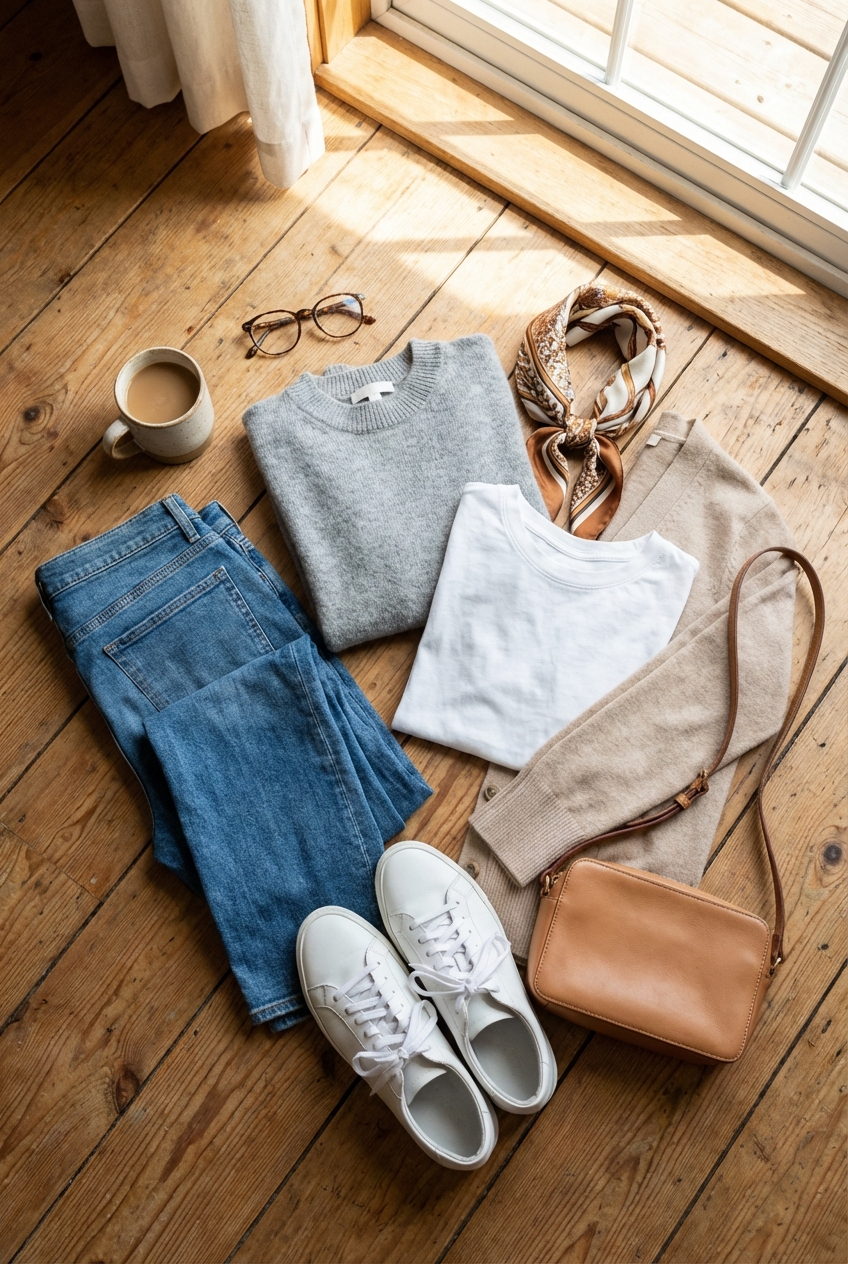
Capsule Wardrobe Essentials For Stay At Home Moms
Being a stay-at-home mom is one of the most demanding jobs on the planet, yet the uniform often defaults to whatever is clean and stretchy. I have worked with countless clients who feel they have lost their sense of style somewhere between the morning school run and the evening dishwashing marathon. The common misconception is that “comfortable” and “chic” are mutually exclusive concepts, but I am here to tell you that is simply not true.
A well-curated capsule wardrobe creates mental space. When you limit your closet to high-quality, interchangeable pieces, getting dressed takes less than two minutes. You stop standing in front of a jam-packed closet feeling like you have nothing to wear. Instead, you have a collection of functional, beautiful items that fit your current body and your current lifestyle.
This guide is written from my perspective as a fashion stylist who prioritizes fabric integrity, silhouette, and realistic functionality. We are going to build a wardrobe that withstands sticky fingers and playground trips while looking polished enough for a surprise coffee date. Make sure to read through to the end, as I have curated a stunning Picture Gallery at the end of the blog post to visualize these concepts.
1. The Strategy of Fabric Selection
Before we discuss specific items, we must address the most critical element of a functional wardrobe: the material. In high-end fashion, fabric is everything. For a mother, the fabric must perform a double duty. It needs to drape beautifully to flatter the figure, but it must also be durable and easy to wash.
Avoid dry-clean-only fabrics at all costs for your daily wear. Instead, look for high-quality natural fibers mixed with a small percentage of synthetic material for stretch and shape retention. Cotton-modal blends are fantastic because they offer the breathability of cotton with a silky hand-feel and resistance to shrinking. Merino wool is another powerhouse; it is naturally odor-resistant and regulates body temperature, making it perfect for fluctuating hormones or running around the house.
For denim and trousers, look for a fabric weight of at least 10 to 12 ounces. Heavier fabrics smooth over texture and hold their shape better throughout the day. A common issue with cheaper leggings or thin denim is that they bag out at the knees by noon. Investing in substantial fabrics ensures you look just as polished at 5:00 PM as you did at 8:00 AM.
Designer’s Note: The Silk Myth
Many stylists tell moms to avoid silk entirely. I disagree. Washable silk is a game-changer. It regulates temperature and feels luxurious against the skin. If you choose a darker color or a busy print, it hides minor stains remarkably well. Do not deny yourself luxury just because you have kids; just choose the right type of luxury.
2. Anchoring the Look with Core Bottoms
The bottom half of your outfit dictates the silhouette. If you are wearing tight leggings, you likely need a voluminous top to balance the proportions. If you are wearing wide-leg trousers, a fitted tee creates a cleaner line. For a capsule wardrobe, we want versatility.
The Elevated Jogger
We are moving past the pajama-style sweatpant. Look for joggers made from ponte knit or a cupro blend. These fabrics have a slight sheen and structure that mimics dress trousers but feels like yoga pants. The cuff should hit right at the ankle bone. Any longer, and you risk looking sloppy; any shorter, and it cuts off your leg line.
Dark Wash Denim
Every mom needs a pair of high-rise, straight-leg jeans with 1% to 2% elastane. The high rise is non-negotiable for functional reasons—it stays in place when you are bending down to pick up toys or children. A dark wash is inherently dressier and more slimming than a light wash. Avoid distressing or holes, as these trend markers date quickly and reduce the versatility of the jean.
Common Mistakes + Fixes
- Mistake: Buying jeans that are too tight in the waist hoping to “bounce back.”
- Fix: Buy for your body right now. Nothing ruins an outfit faster than visible discomfort. If you are between sizes, buy the larger size and have the waist tailored. It is a small expense that makes the garment look custom-made.
3. Tops and Layers That work Overtime
The top half of your outfit is what people see most, whether you are on a FaceTime call or chatting with a neighbor over the fence. This is where you can inject personality and color. However, for a capsule, we rely on neutrals with interesting textures.
The “Swacket” or Knit Blazer
Structure commands respect, even if you are just negotiating with a toddler. A traditional blazer is too restrictive for home life. Enter the knit blazer or the “swacket” (sweater-jacket hybrid). These pieces have the lapel and cut of a blazer but are made of unlined wool or heavy cotton knit. You get the range of motion of a cardigan with the authority of a jacket.
The Button-Down Rewrite
A crisp cotton poplin shirt is a classic, but it requires ironing. For a stay-at-home mom, I recommend Tencel or chambray button-downs. Tencel has a beautiful fluid drape that resists wrinkling. It looks intentionally relaxed rather than messy. When styling, do a “French tuck” (tuck in just the front) to define your waist without creating bulk around your hips.
What I’d Do in a Real Project
- Neckline Assessment: If you have a larger bust, V-necks elongate the torso and are generally more flattering than crew necks.
- Sleeve Length: I always instruct clients to roll their sleeves to the elbow. exposing the forearm creates a sense of action and makes oversized shirts look tailored.
- Hem Check: Ensure your tops are long enough to cover your midriff when you raise your arms. We test this during fittings by having clients reach for a high shelf.
4. One-Piece Wonders: Dresses and Jumpsuits
The beauty of a one-piece outfit is the reduction of decision fatigue. You do not have to match a top to a bottom; you simply put it on and go. This category is often underutilized by moms who fear dresses are “too fancy” for daily wear.
The Utility Jumpsuit
Think of this as the cool older sister to overalls. A cotton or linen utility jumpsuit in olive, navy, or charcoal is incredibly practical. Look for an internal drawstring or an elasticated waist to give you shape. The plethora of pockets is a functional bonus for carrying pacifiers, phones, or snacks.
The Midi Shirt Dress
A midi-length dress allows you to sit on the floor comfortably without worrying about exposure. A shirt dress style with buttons down the front is excellent for nursing moms or simply for adjustable styling. You can wear it loose on “bloated days” or belt it when you want to feel more put-together.
Fabric Weight Rules
For dresses, the fabric needs to be substantial enough that it doesn’t cling to undergarments. I recommend avoiding thin jersey knits unless they are lined. Instead, opt for ribbed knits or woven cottons that skim over the body rather than hugging every curve.
5. Footwear: Grounding the Look
Shoes are often the afterthought for stay-at-home moms, leading to a habit of being barefoot or wearing worn-out slippers all day. Wearing proper shoes inside the house (even if they are designated “indoor shoes”) shifts your mindset from rest mode to productive mode.
The Fashion Sneaker
There is a distinct difference between running shoes and fashion sneakers. Keep your Asics for the gym. For your capsule, invest in a leather or suede low-profile sneaker. White leather is classic and wipes clean easily (essential for spills). They pair perfectly with the dresses and joggers we discussed.
The Slide Mule
Mules are the ultimate mom shoe because they are hands-free. You can step into them while holding a baby. Look for a pointed or almond toe to elongate the leg. A flat mule with a cushioned sole offers the comfort of a slipper but looks professional enough for errands.
Common Mistakes + Fixes
- Mistake: Wearing completely flat shoes with no support.
- Fix: Super flat ballet flats can actually cause back pain over time. Look for shoes with a slight heel (0.5 inches) or built-in arch support. If you love flat shoes, insert a high-quality leather insole.
6. Accessories: The Finishing Touches
Accessories are the difference between wearing clothes and wearing an outfit. In the fashion world, we often talk about the “Third Piece Rule.” Your top is piece one, your pants are piece two. You need a third piece to complete the look. For a SAHM, a jacket might be too much, so accessories become that third piece.
Jewelry for Practicality
If you have young children, dangling earrings and long necklaces are grabbing hazards. Switch to “huggies”—small hoop earrings that hug the earlobe. They are comfortable enough to sleep in and impossible for a baby to yank. A simple stack of mixed metal rings can also make you feel dressed up without getting in the way.
The Belt
If you are wearing separates, a belt is crucial. It signals that you finished dressing. For comfort, look for elasticated woven belts or soft leather belts that move with you. A cognac leather belt warms up an all-black outfit and bridges the gap between different neutrals.
Designer’s Note: The Hair Accessory
Do not underestimate a silk scrunchie or a structured headband. On days when washing your hair isn’t happening, a sleek low bun with a high-end silk scrunchie looks intentional and chic. It protects your hair from breakage and adds a pop of color or pattern to a neutral outfit.
7. Finish & Styling Checklist
Building this capsule takes time. Use this checklist to ensure you are filling the gaps in your closet with intention rather than impulse.
The Assessment Phase
- Remove everything from your closet that does not fit your body today. Store it elsewhere.
- Identify your three primary colors (e.g., Navy, White, Camel) to ensure mix-and-match potential.
- Check fabric labels. Discard or donate items that are 100% polyester if they make you sweat or uncomfortable.
The Acquisition Phase
- 3 Core Bottoms: Dark denim, elevated jogger, wide-leg linen or ponte trouser.
- 5 Tops: White tee, striped boatneck, chambray shirt, knit sweater, silk or soft blouse.
- 2 Layers: Knit blazer/swacket, denim jacket or long cardigan.
- 2 One-Pieces: Utility jumpsuit, midi dress.
- 3 Shoes: White leather sneaker, loafer/mule, ankle boot (season dependent).
The Maintenance Phase
- Invest in a fabric shaver to remove pills from sweaters.
- Use a steamer instead of an iron—it’s faster and gentler on clothes.
- Wash denim inside out and in cold water to preserve the dark dye.
8. FAQs
How do I handle changing sizes, especially postpartum?
Focus on flexible waistbands and fabrics with give. Wrap dresses and joggers with drawstring waists are your best friends during transitional phases. Do not spend your entire budget on fitted items like denim until your size stabilizes. Instead, invest in high-quality shoes and accessories, which fit regardless of weight fluctuations.
Can I wear leggings and still look stylish?
Absolutely. The key is the pairing. Leggings require a longer top that covers the bum—think an oversized white button-down or a long tunic sweater. Pair them with clean sneakers or boots, never flip-flops. Add a denim jacket over the shoulders to add structure to the soft silhouette.
How do I stop looking “frumpy” in loose clothes?
It comes down to showing a little skin at the thinnest parts of your body: the wrists, ankles, and collarbone. Roll your sleeves, cuff your pants to show the ankle bone, and choose open necklines. This breaks up the block of fabric and highlights your frame, ensuring the clothes don’t swallow you.
9. Conclusion
Curating a capsule wardrobe as a stay-at-home mom is an act of self-care. It is a refusal to let your identity disappear into the role of caregiver. When you dress with intention, you show up differently for your family and, more importantly, for yourself. You do not need a closet bursting with clothes to have style; you just need the right pieces that respect your lifestyle and your body. Start with the basics, prioritize fabric quality, and remember that comfort and style can, and should, coexist.
10. Picture Gallery


