Winter Coat Guide: Types, Warmth and How They Should Fit
- Words by
- Julio Arco
- Published
- Reading
- 5 min
Pick your coat by the coldest day you regularly face, then by fit, then by style. A wool coat covers most city winters, a puffer handles real cold, and a parka is for wind, wet and long days outside.
The coat is only the outer layer of a system. What you wear under it decides whether you stay comfortable, so this guide covers coat types, warmth, fit and layering in that order.
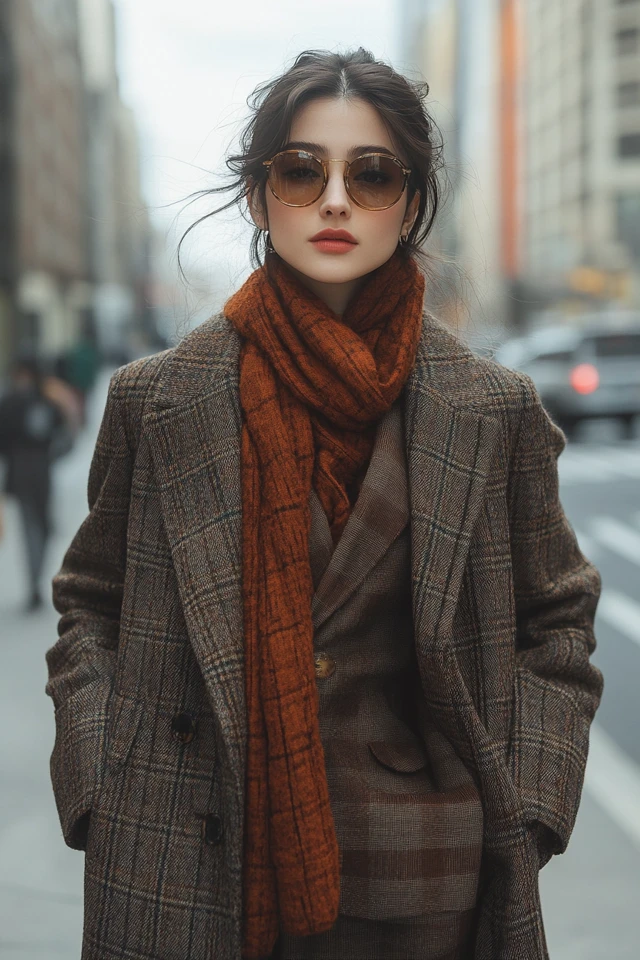
What are the essential types of winter coats?
These are the essential types of winter coats, and most wardrobes need only one or two of them.
Classic wool coat
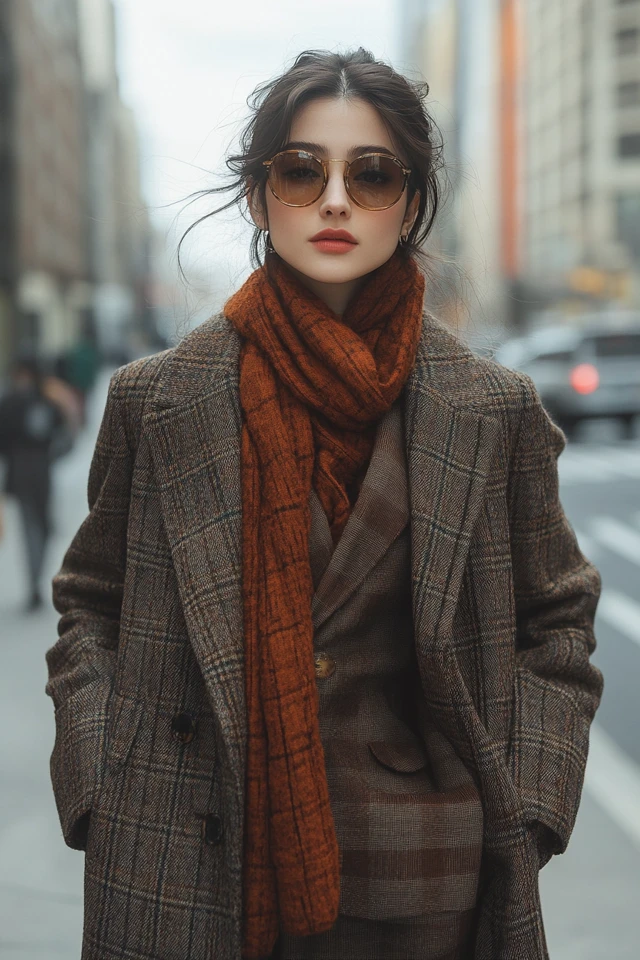
A tailored wool coat or peacoat is the dressiest option. Wool is dense and matte, so it makes colors look calm and solid, and it drapes cleanly over a sweater. It suits the office, dinners and mild to cold weather. It is not waterproof, so in steady rain or heavy snow it is the wrong tool.
Puffer coat
Puffers trap warmth in quilted pockets of insulation and weigh very little. They are the practical pick for deep cold and for anyone who walks or waits for transit. The glossy surface catches light and adds visual volume, so a longer, darker puffer reads slimmer than a short pale one. See warm puffer jackets for cold weather for more on choosing one, or puffer vests if your winters are cold but mild.
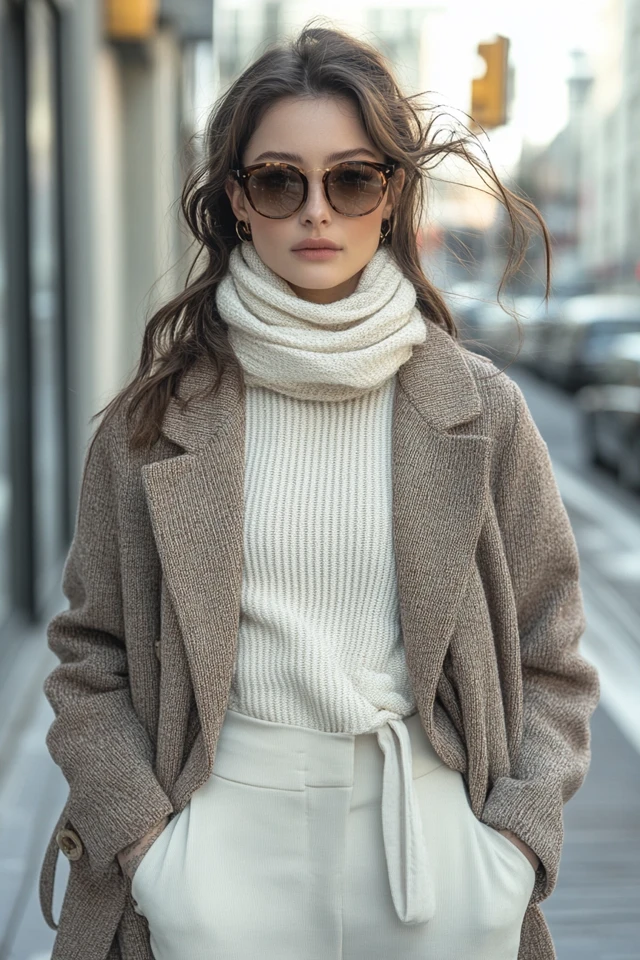
Parka
A parka is built for extreme cold: a longer cut, a hood that is often insulated, wind-blocking fabric and deep pockets. If your commute is mostly outdoors, this is the one that keeps working when the wind picks up.
Quilted jacket
A light quilted jacket suits mild winters and early spring. It adds a bit of warmth without bulk, and it layers well over knitwear.
Statement coat
A camel wrap coat, a bold check or a faux fur piece works as a second coat for occasions. Keep the rest of the outfit simple so the coat does the talking.
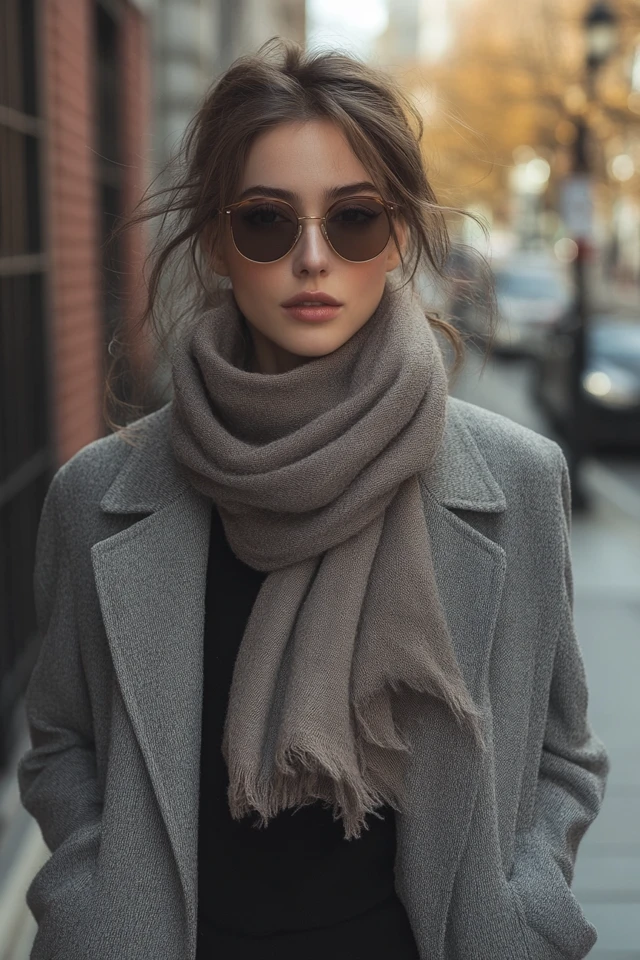
How do you match a coat to your climate?
- Mild winters, around cool to chilly: quilted jacket or wool peacoat.
- Cold with dry air: wool coat over a thick sweater.
- Very cold or windy: puffer or parka.
- Wet snow or rain: a parka or a shell with a waterproof, wind-resistant outer fabric.
Think about how long you are outside, too. Ten minutes between a car and an office is different from a 30-minute walk. If you run warm indoors, choose a coat that you can open without losing its shape.
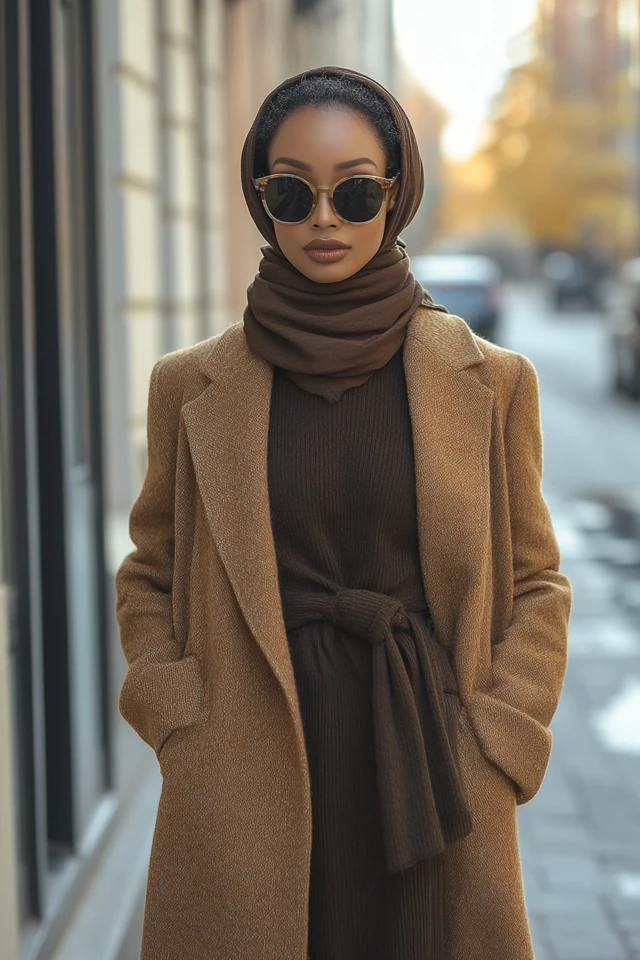
How should a winter coat fit?
If you are asking how a winter jacket should fit, start with the shoulders. The seam should sit where your shoulder ends. A coat that pulls across the back or shoulders is a fit problem, not a you problem, and sizing up rarely fixes it.
- Sleeves: they should reach the wrist bone or just past it, and still cover your wrist when you reach forward. Leave room for a sweater.
- Chest and body: you should be able to button the coat over a medium sweater and lift your arms without the hem riding up.
- Length: hip length is practical and casual. Knee length is warmer and more formal. A hem that stops at the widest part of your hip or thigh can shorten the leg line, so check it in a mirror.
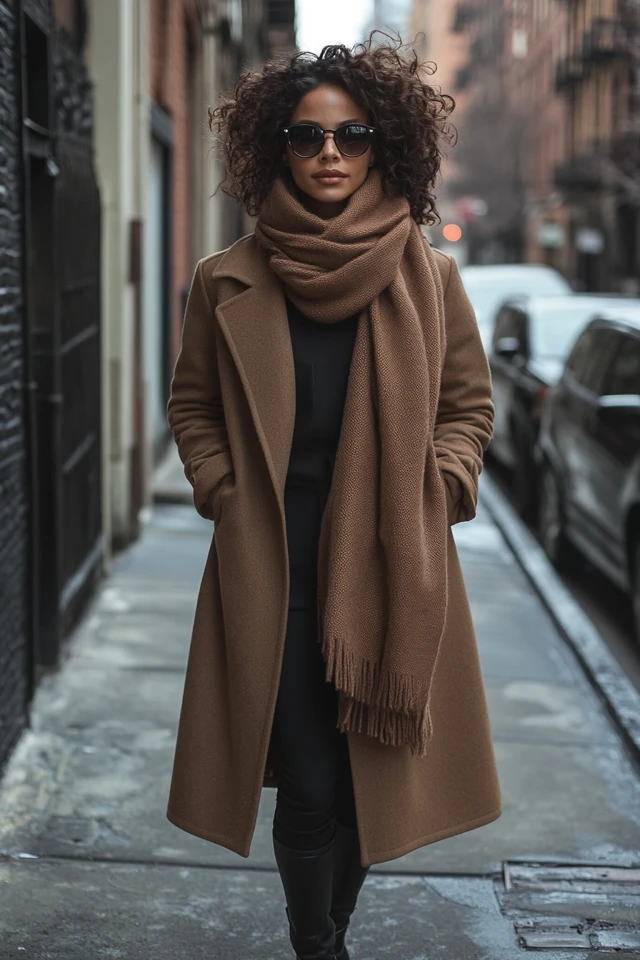
- Collar: it should sit close enough to the neck to block wind, with space for a scarf.
The same checks apply to women's and men's cuts. Try the coat on with the thickest layer you plan to wear under it, and move around a bit before you decide.
How do you layer under a coat?
Three layers do most of the work: a base, an insulating middle and the coat.
The base layer should move sweat away from the skin. Howdy Health at Texas A&M notes that the layer closest to your skin should be moisture wicking material that draws sweat away. The same page advises avoiding cotton, because it absorbs moisture and can keep it next to your skin, making you cold. Merino and synthetic thermals are the usual choices.
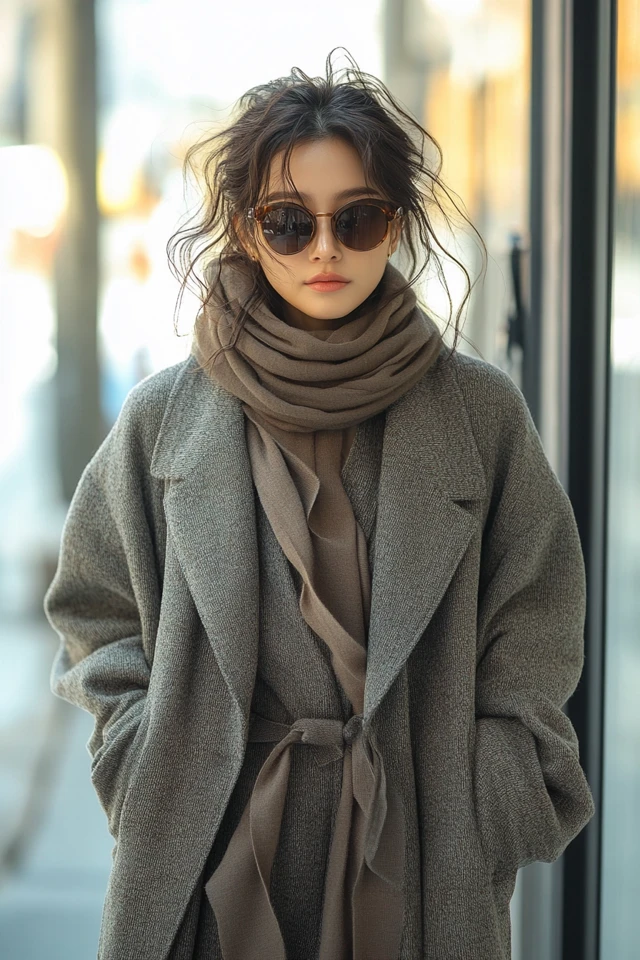
For the middle, use a sweater, cardigan or fleece. Fine knits stay slimmer under a tailored coat than chunky ones. Through the lens of evidence-based design, I'd vary texture rather than pile on bulk: a smooth knit under a matte wool coat looks deliberate, while three similar fuzzy layers blur together.
Keep a layer you can remove. Heated buses and offices make a coat you cannot open a bad idea. For more planning, see a capsule wardrobe for cold weather.
How do you style a winter coat?
For the office
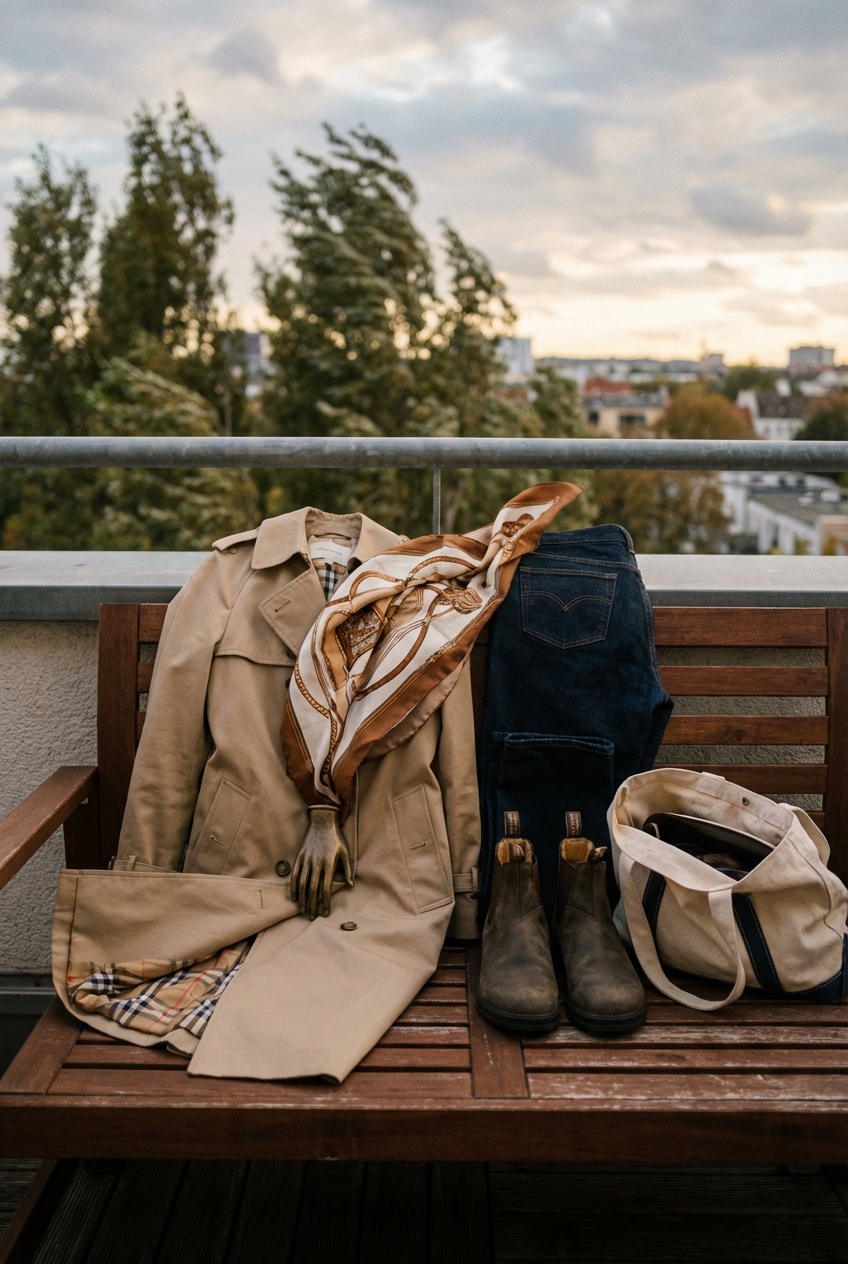
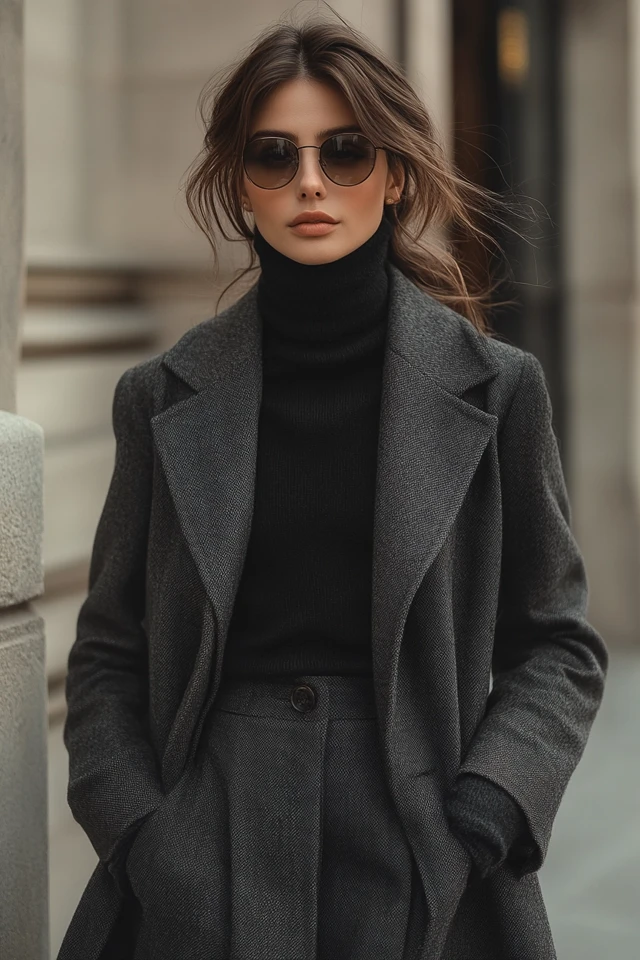
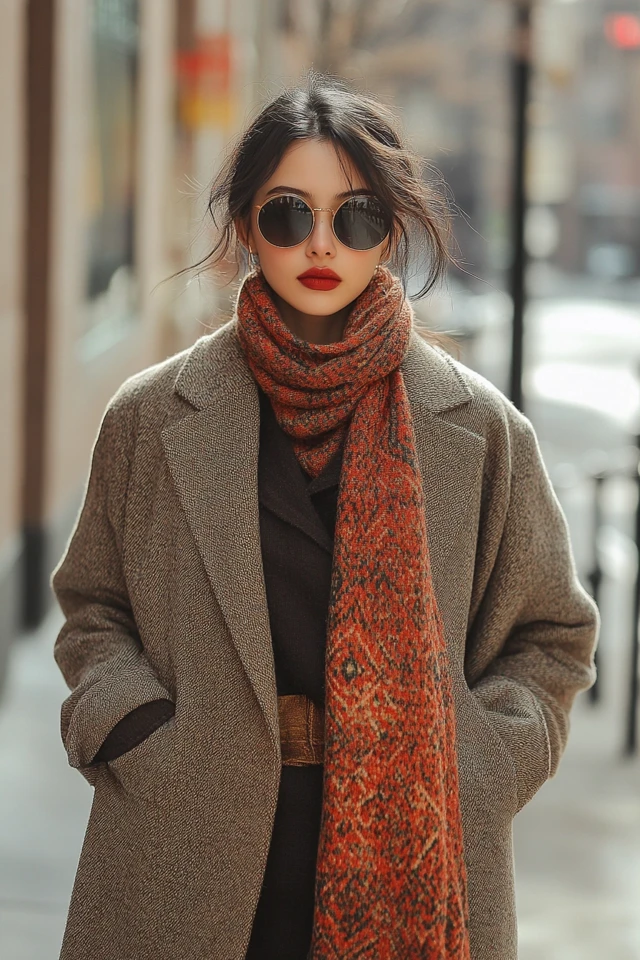
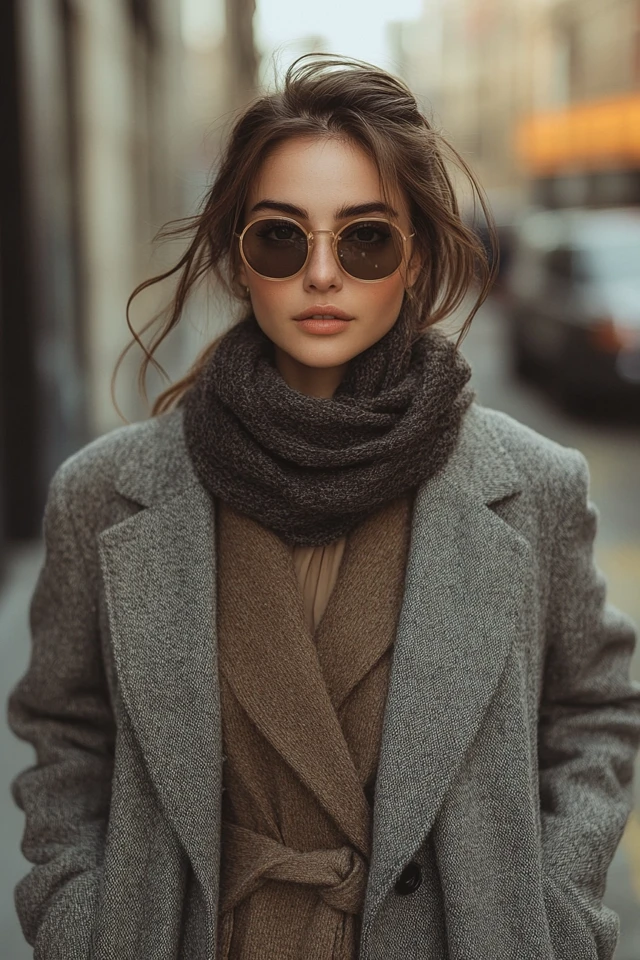
A camel, charcoal or navy wool coat over a turtleneck and tailored trousers is a reliable formula. Belt the coat if you want more shape at the waist.
For everyday
Pair a puffer with jeans or joggers, a beanie and boots with a grippy sole. Mix a smooth surface with a chunky one, such as a puffer with a knit scarf. Cable knit beanies are an easy way to add texture.

For evenings
Wear a long wool coat or a cape over velvet or satin, and keep jewelry minimal if the coat is bold. Deep colors such as burgundy, forest green and navy look rich next to black or camel.

For long days outdoors
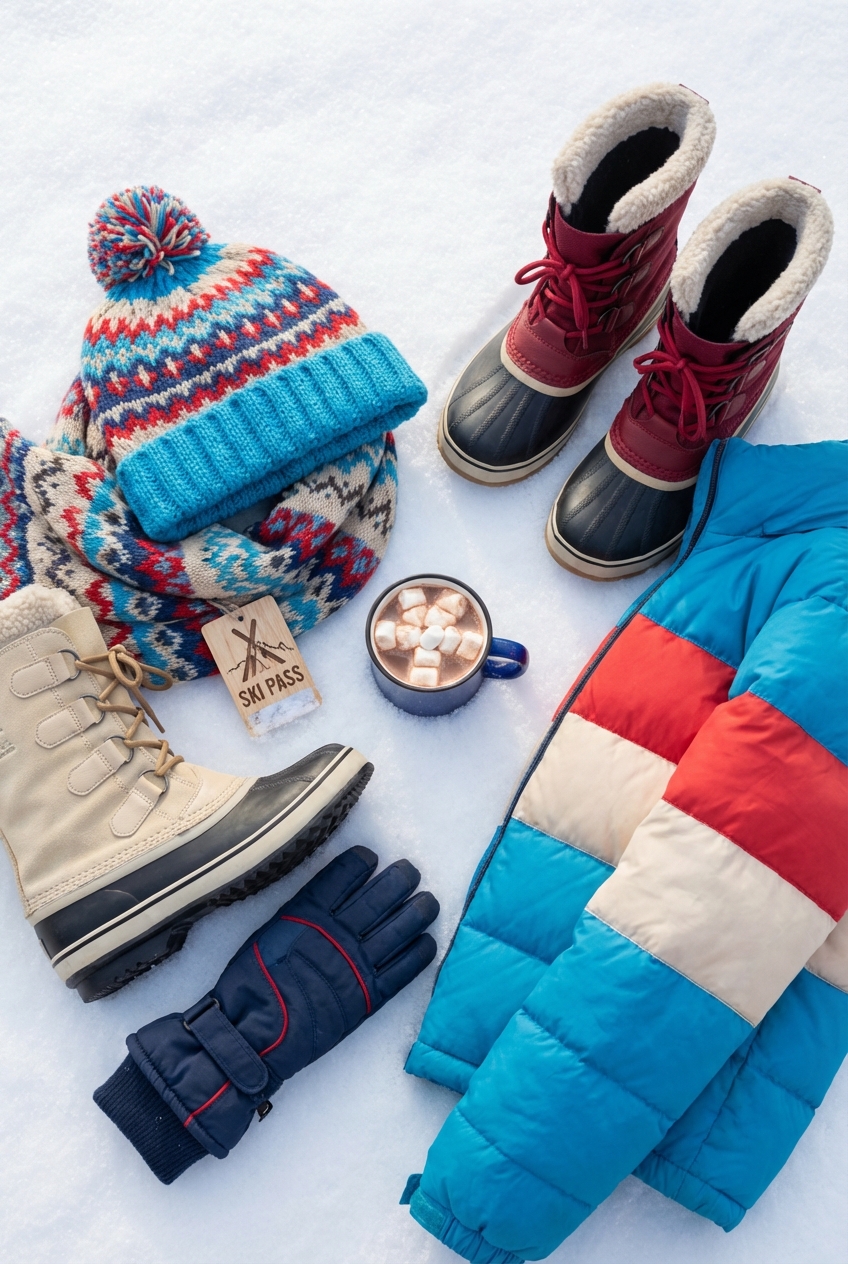
Choose a parka with a hood, add insulated or waterproof boots and warm hands. Gloves and mittens matter as much as the coat on very cold days, and mittens are usually warmer than gloves.
How do you care for a winter coat?
- Follow the care label. Wool coats usually need dry cleaning, and many puffers can be washed on a gentle cycle, but check the tag.
- Hang coats on wide, sturdy hangers so the shoulders keep their shape.
- Brush wool with a soft clothes brush to remove surface dirt between cleanings.
- Store the coat clean and dry at the end of the season, not compressed in a bag for months.
Frequently asked questions
What are the best types of coats for winter?
A wool coat suits cold, dry city weather, a puffer is best for deep cold, and a parka handles wind and wet. A light quilted jacket covers mild winters.
How should a winter coat fit a woman?
The shoulder seam should sit at the edge of your shoulder, and the sleeves should reach the wrist bone over a sweater. You should be able to button it over your thickest layer and lift your arms comfortably.
Should a winter coat be big enough for a sweater?
Yes, but only by a little. Room for a medium sweater is enough, because extra volume lets cold air in and makes the coat look boxy.
How can I layer without looking bulky?
Use a thin base layer and a fine-knit middle layer, then a coat cut to fit over them. Vary textures instead of stacking similar chunky ones.
Filed under Weather Style